

On a quiet block near City Hall, a tower that once held law firms and consultants now shows dark floors and a vacant retail bay. A few miles away, a shuttered school still carries the name of a neighborhood that expected children, not plywood. Mayor Cherelle Parker has asked Council to back a Parker tax abatement redevelopment package aimed at those empty office towers and closed schools, arguing that a timed tax break can turn idle property into housing, classrooms, or active commercial space before decay sets in.
What the mayor is putting before Council
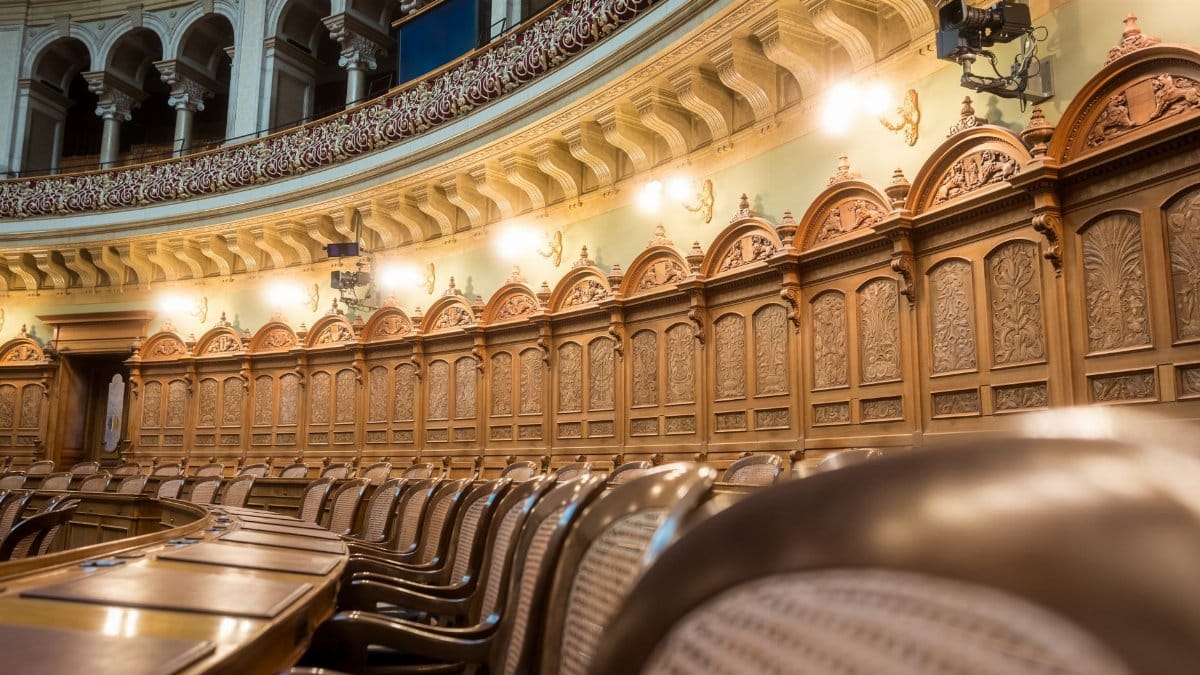
The request is straightforward in outline and complicated in detail. Parker wants lawmakers to authorize an abatement tied to conversion and reuse, not to speculative towers built on open lots. The pitch, as described in reporting by The Philadelphia Inquirer, centers on office buildings that lost tenants and on school buildings the district no longer uses. Owners or developers who commit to a qualifying reuse would pay less in property tax for a defined period, on the theory that the city collects little from a building that produces no rent, no residents, and no foot traffic.
Council still has to write the rules. Duration, eligible uses, geographic limits, and clawbacks if a project stalls are all open questions. An abatement is not a grant. It is a promise to forgo revenue the city might otherwise collect if the project happens anyway. That distinction is where the argument begins.
Why empty buildings have become a civic problem
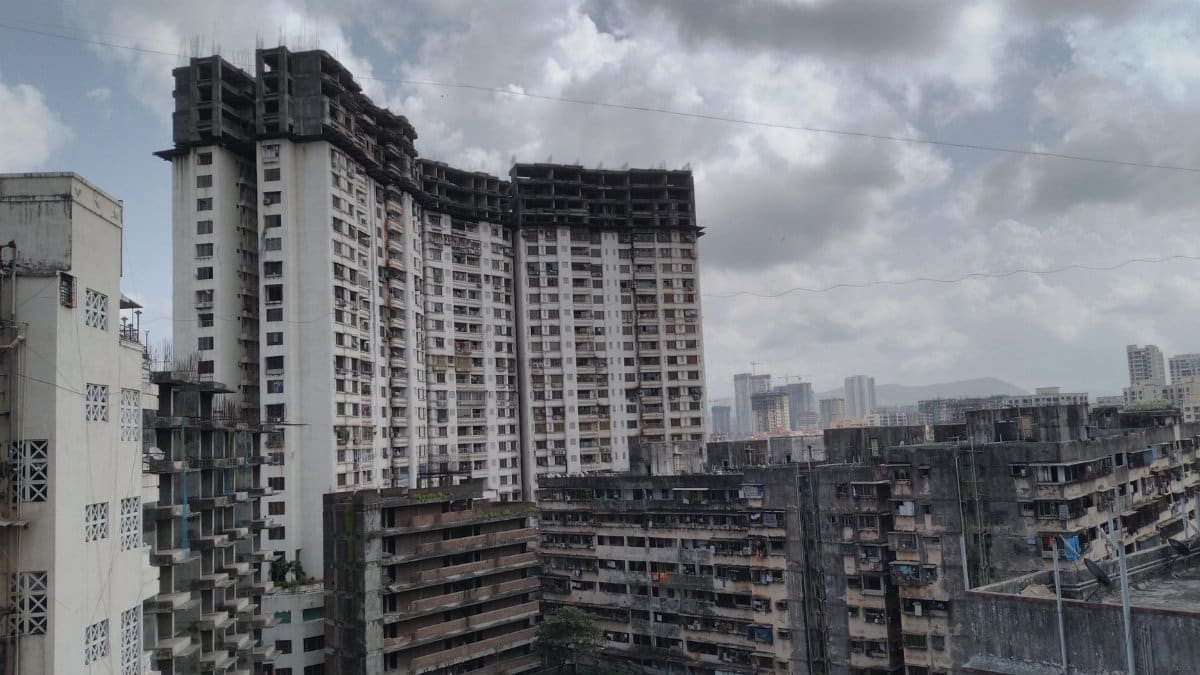
Vacancy is not only an eyesore. An unused tower still needs security, and a closed school still sits on a block where neighbors worry about dumping, break ins, and falling property values. Commercial assessments can lag the market, so a half empty building may not reflect the true weakness of its income. Meanwhile the street loses the lunch crowds, the after school pickup lines, and the small businesses that depended on both.
Philadelphia has lived with this tension for years. Downtown office demand softened after remote work took hold. School closures, driven by enrollment shifts and building condition, left large parcels in residential blocks. The Parker tax abatement redevelopment idea treats those two problems as one policy opportunity: reuse what the city already has rather than wait for a perfect market.
The argument for a timed tax break

Supporters say conversion is expensive in ways new construction is not. Office floors often lack the plumbing stacks, window lines, and unit layouts that apartments require. Older schools may need environmental cleanup, new exits, and accessibility work before anyone can live or learn there. A developer who borrows against future rent has to show lenders that the project can carry debt. A temporary reduction in property tax is one lever the city controls without writing a check.
There is also a speed argument. Blight compounds. The longer a tower stays dark, the harder it is to attract a first tenant or a lender willing to finance a gut renovation. Advocates of the Parker tax abatement redevelopment approach say the alternative is not full taxation of a thriving building. The alternative is years of partial occupancy, appeals, and a tax base that shrinks in practice even if the ordinance stays the same on paper.
The argument against giving the break

Critics hear a familiar bargain and do not trust the ending. Philadelphia has used abatements before, most notably to encourage residential construction. Those programs drew investment and also drew anger from homeowners who saw new towers pay less while their own bills rose. Any new abatement will be judged against that memory.
The core objection is simple. If a conversion would happen without a subsidy, the city is giving away money it needs for schools, sanitation, and transit. If the conversion would not happen, the city may still be betting on a project that fails, leaving a half finished building and no new revenue. Labor groups want prevailing wage rules. Housing advocates want a share of units priced for moderate incomes. Neighborhood groups want a say when a closed school becomes market rate apartments rather than a public use.
Closed schools are not the same as empty offices
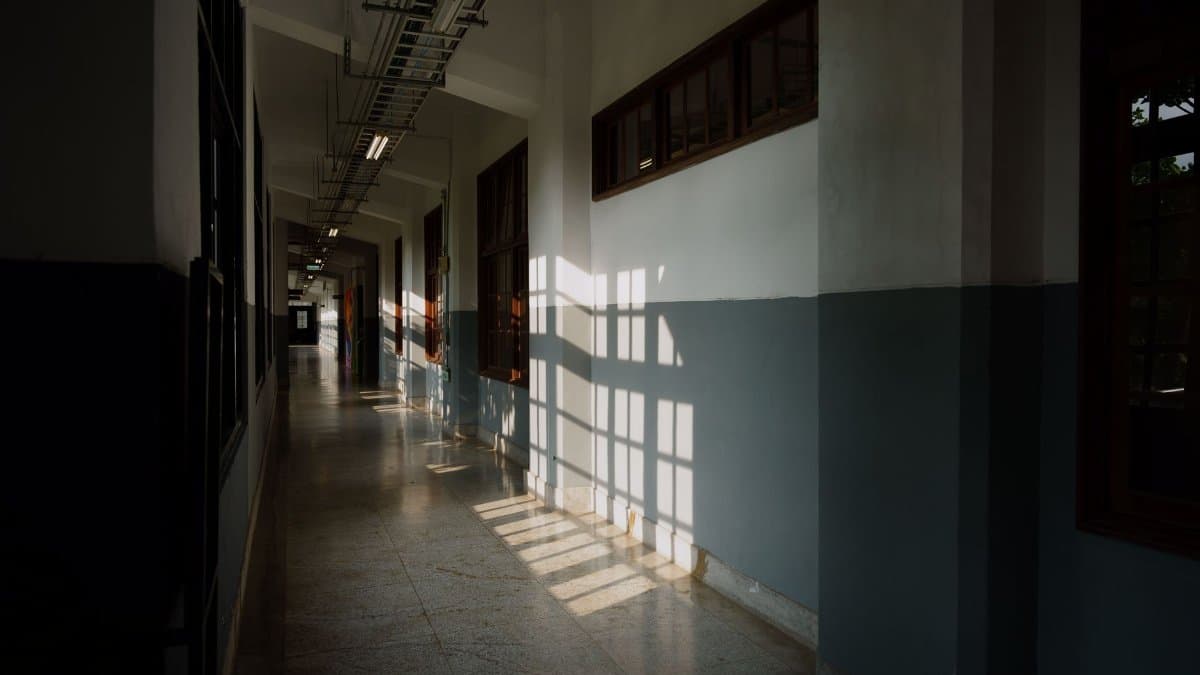
An office tower in Center City and a shuttered school in a rowhouse neighborhood fail in different ways. The tower is a commercial asset whose value depends on leases, parking, and transit. The school is a civic symbol whose reuse can feel like a loss even when the economics improve. Parents remember graduations. Blocks remember the crossing guard. Turning that site into housing can be the right outcome and still feel like a retreat from public purpose.
That is why a single abatement statute can misfire if it treats every parcel alike. A school conversion may need community process, a preference for educational or civic reuse, or a requirement that some units serve local incomes. An office conversion may need flexibility on unit size and ground floor retail. The Parker tax abatement redevelopment debate will turn on whether Council writes one tool or several.
What downtown vacancy actually threatens

Center City is not abandoned. Restaurants, hospitals, universities, and courts still draw people. The risk is narrower and still serious: a band of buildings whose highest floors stay empty, whose owners cut services, and whose lenders grow impatient. When that happens, the tax base does not collapse overnight. It erodes. Appeals succeed. Capital moves to suburbs that offer newer space and easier parking. A city that wants residents living above shops has to make conversion pencil out, or accept that some towers will be repositioned slowly, if at all.
Housing advocates note a second opportunity. If obsolete offices become apartments, downtown gains residents who support transit and retail at hours when office workers have gone home. That outcome is not automatic. Small units, high rents, and limited family sized homes can produce a downtown that is busy and still exclusive. Policy design decides which version the city gets.
How abatements interact with the wider tax system
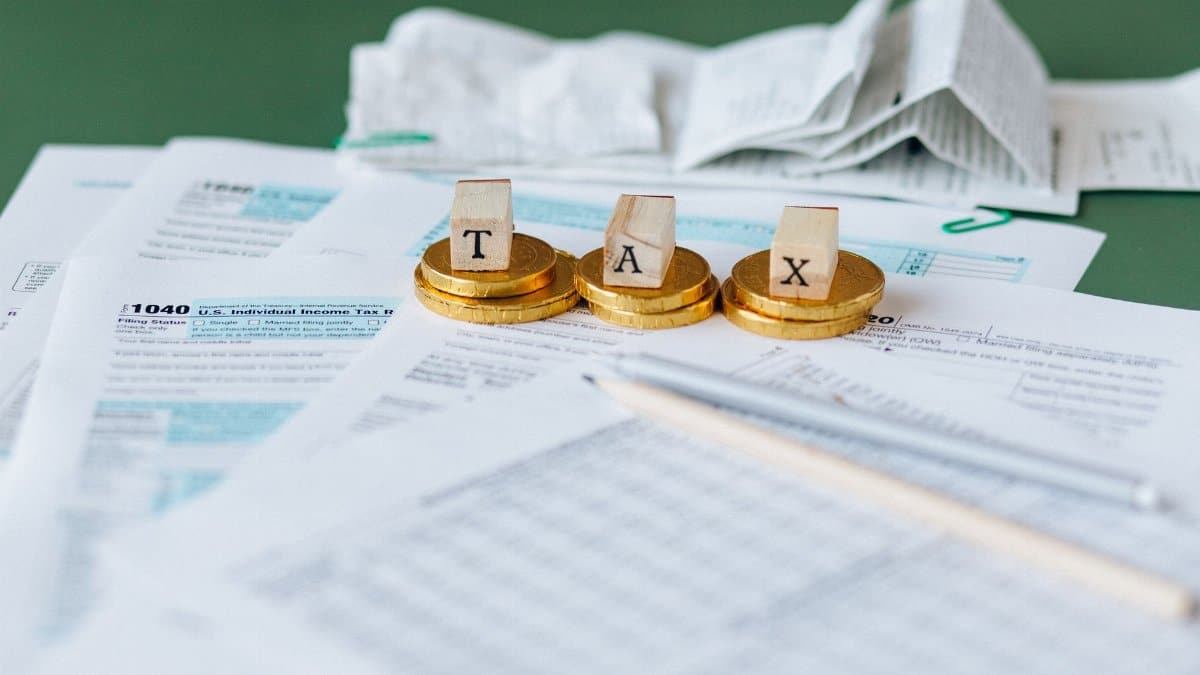
Property tax is Philadelphia’s most local revenue source, shared in practice with the school district through the political bargain that funds classrooms. Every dollar abated is a dollar that must be replaced, cut, or never collected. Homeowners already sensitive to assessments will ask why a developer receives relief while a rowhouse on a fixed income does not.
There are design choices that answer part of that fear. An abatement can apply only to the added value of improvements, leaving the land fully taxed. It can phase out. It can require a minimum investment so cosmetic rehabs do not qualify. It can expire if a certificate of occupancy is not issued by a deadline. None of those features removes the tradeoff. They only make the tradeoff visible.
What Council will be judged on
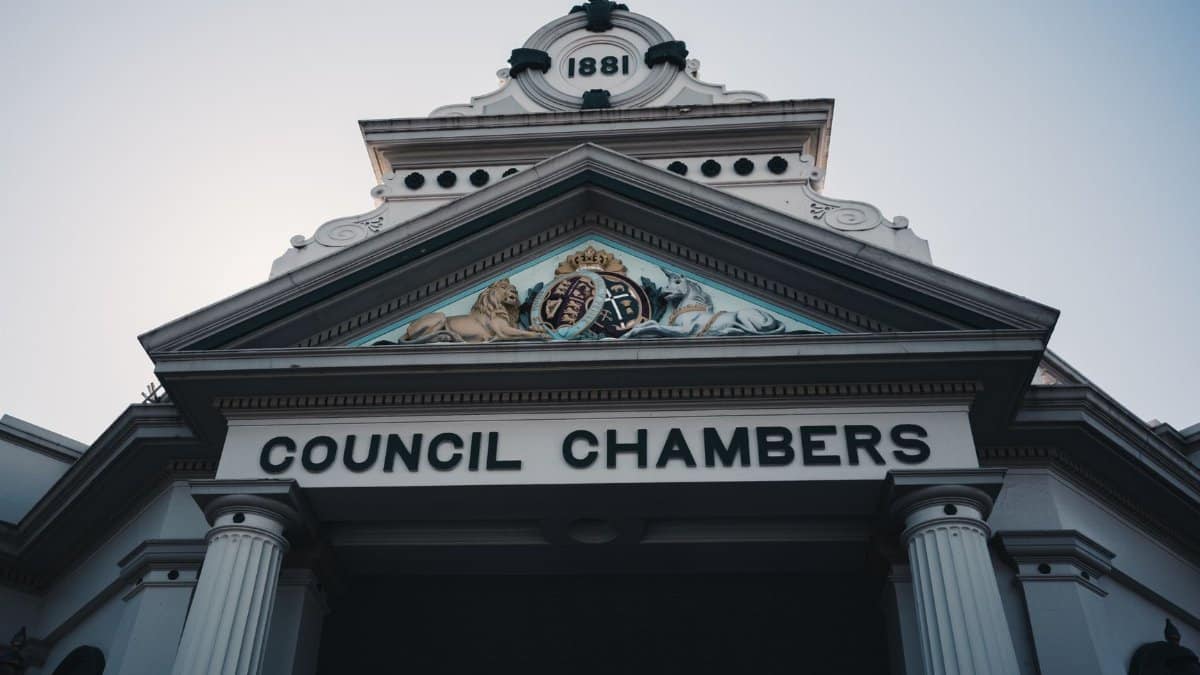
Voters will not read the ordinance line by line. They will notice whether a familiar empty building changes, and whether their tax bill does. Council members know that. The useful questions are practical. Which buildings qualify. Who certifies that a conversion would not occur without help. What happens if rents soar after the tax break. Whether school district revenue is held harmless or simply hoped for later.
Transparency matters as much as the rate. A public list of participating properties, with start dates and expected units or classroom seats, lets residents test the promise. A closed door waiver process will revive every old suspicion about who gets relief and who does not.
Neighborhoods will feel the outcome first
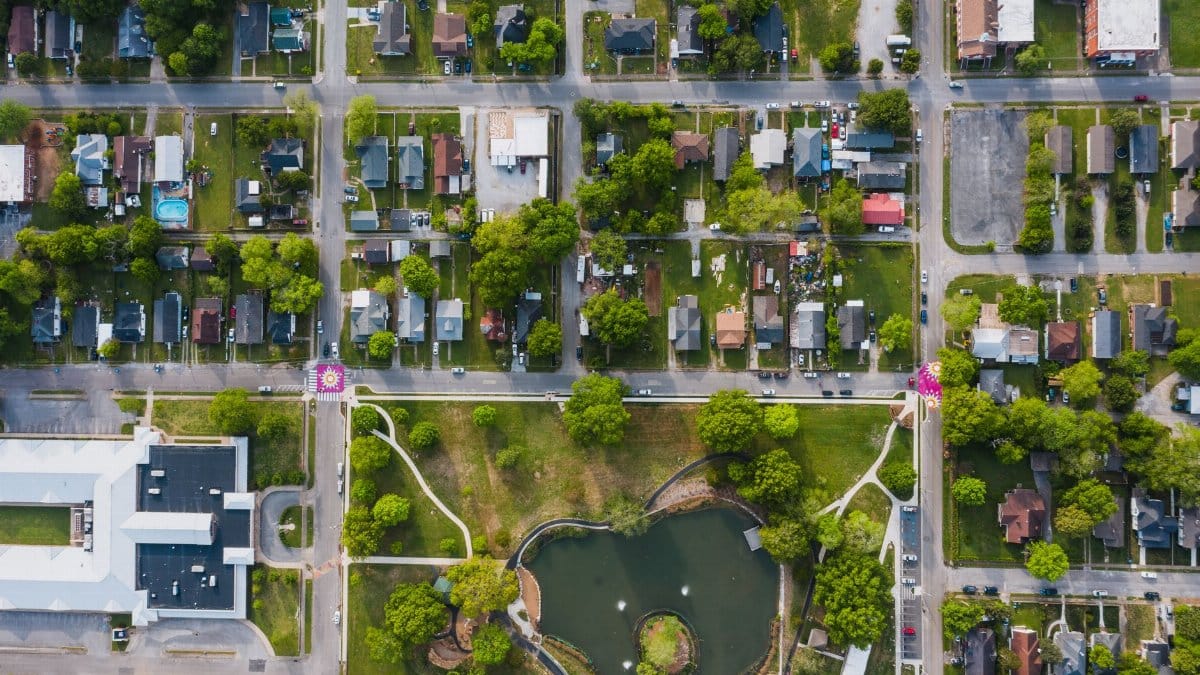
A converted school can bring lights back to a dark block, or it can bring construction trucks and a sense that the city sold a landmark. A converted office can fill sidewalks at night, or it can add residents who never meet the people who already live nearby. Good projects do the ordinary things well: they keep a door open to the street, they do not wall off the sidewalk, and they do not treat the block as a loading zone.
I have walked enough of these corridors to know that the argument in Council chambers sounds abstract until you stand across from the plywood. Neighbors are not asking for a slogan. They are asking whether the building will be used, kept, and taxed in a way that does not leave them carrying the cost alone.
Lessons from earlier incentive fights

Philadelphia does not lack experience with development incentives. Past abatements showed that capital responds when the rules are clear and the term is long enough to matter to a lender. They also showed that poorly targeted relief breeds resentment that outlasts the buildings themselves. The political lesson is not that incentives never work. It is that they work politically only when the public can see a result that would not have arrived on the same timeline without help.
Other cities have tried office to housing conversions with mixes of tax relief, zoning changes, and direct subsidies. Results vary with construction costs, interest rates, and how much office space was truly obsolete rather than merely discounted. Philadelphia should borrow the habit of evaluation, not a slogan from somewhere else. If the Parker tax abatement redevelopment program cannot show occupied units and a plausible fiscal return within a few years, it should sunset rather than become another permanent exception.
The fiscal bet in plain language

Strip away the jargon and the bet is this. The city gives up some future tax revenue in exchange for a building that is used, maintained, and eventually taxed at a higher level than a vacant shell. If the bet pays, downtown and school neighborhoods gain residents or new public uses, and the tax base recovers. If it fails, the city has subsidized owners who would have waited anyway, and services feel the gap.
That is an acceptable debate for a council to have. It is not a debate that should be rushed past the people who live beside the buildings in question. Hearings that include neighbors, the school district, and independent budget staff will produce a better ordinance than a vote taken mainly to signal urgency.
What a careful version would include

A careful version would limit eligibility to buildings that have been substantially vacant for a set period. It would require a real change of use, not a light renovation of the same empty offices. It would publish the revenue forgone each year. It would tie part of the benefit to affordable units or to a community use when the parcel is a former school. It would end on a date certain so a future council must choose to renew it with evidence in hand.
None of that guarantees success. Construction costs, interest rates, and tenant demand still rule. What those guardrails do is keep the Parker tax abatement redevelopment proposal from becoming a blank check. They also give supporters a way to answer the fairest criticism: that relief should be earned by a project the city can see, measure, and, if necessary, revoke.
The choice in front of the city

Parker has framed empty towers and closed schools as a redevelopment problem the city can influence. Council can accept that frame, narrow it, or reject it. Rejection has a cost too. Buildings do not improve because a hearing ends without a bill. They improve when someone can finance the work and someone else is willing to live, learn, or work inside.
The responsible path is neither a blanket tax holiday nor a refusal to touch the tax code. It is a limited abatement with public reporting, a real vacancy test, and a clear end. Philadelphia has the buildings. It does not yet have the rules. Until those rules are written in daylight, the dark floors and the shuttered schools will keep making the same quiet argument every morning.