
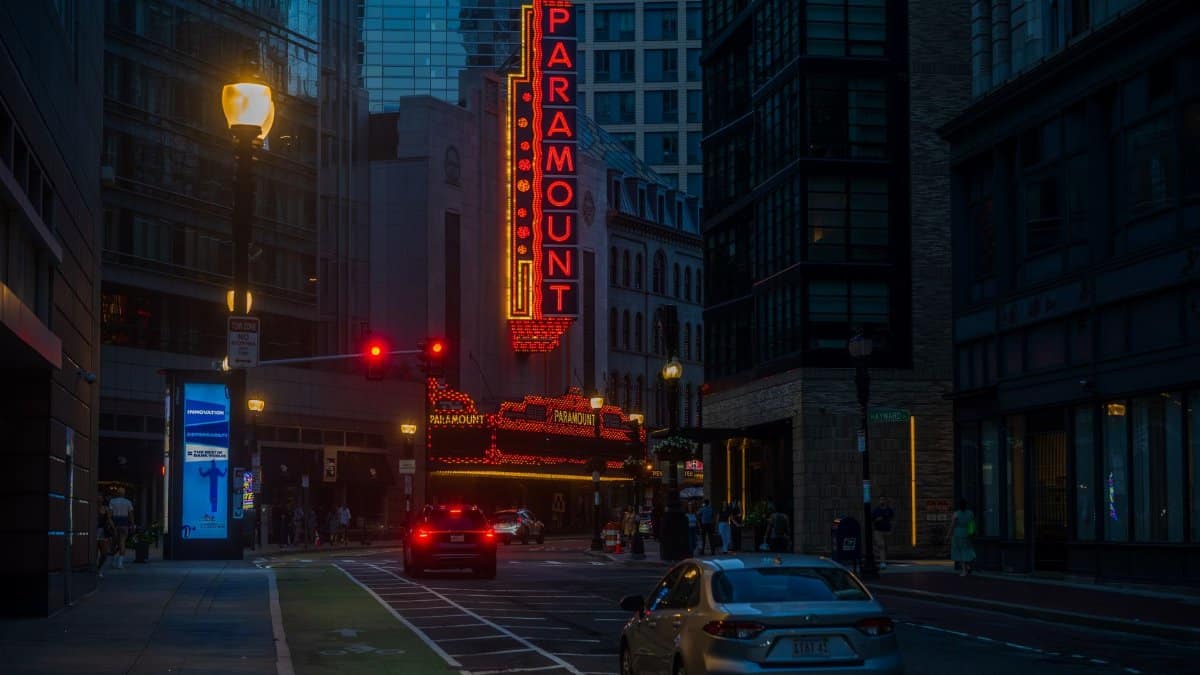
The lamps along the Common had already settled into their evening hush when a loose knot of scientists, city staff, and reporters stepped off the sidewalk and onto the grass. Conference name tags still swung from a few lanyards. Someone held a phone light low, not to startle anything, but to read the ground the way a careful walker reads ice. This was the Boston Common rat walk, a short passage from meeting rooms into the oldest park in the country, and it said more about urban life than another slide deck ever could.
From the summit room to the grass
A Boston Globe newsletter followed the guests as they left the formal program and walked the Common after dark. The gathering had drawn people who spend their working lives on a problem most cities would rather mention in a joke. Rats are not a Boston specialty. They are a municipal condition, as ordinary as double parking and as stubborn as a leaky roof. What distinguished the evening was the decision to leave the carpeted quiet of a conference and look, in person, at the park where tourists take photographs by day and where food scraps collect by night.
I have walked that green at dusk more times than I can count, usually thinking about history or about whether I had time for a coffee before the train. I had not thought of it as a classroom. The visitors did. They moved slowly. They noticed drains, tree pits, the bright geometry of a trash can, the dark seam where a bench meets the soil. None of this was theatrical. It was the unglamorous work of paying attention.
Why a park makes a better lecture
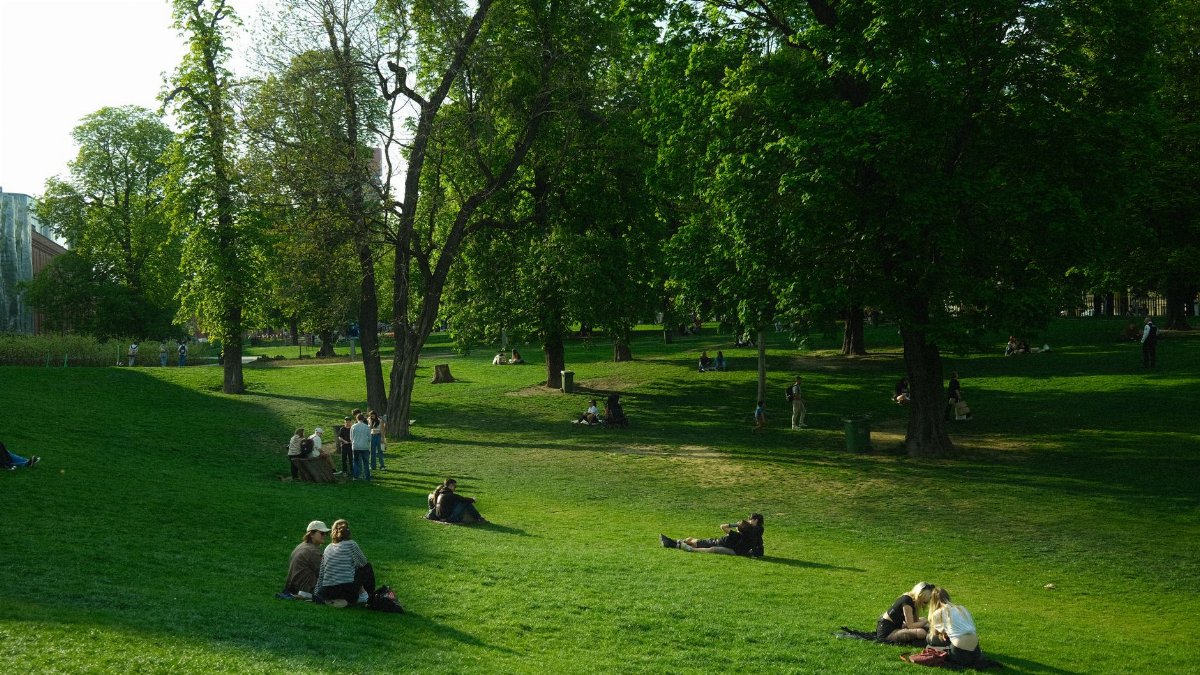
Indoor talks have their uses. They let people compare notes on housing, refuse, and the long argument over which methods actually shrink a population rather than simply moving it two blocks away. Outdoors, the abstractions acquire weight. A park is a shared living room with no lock on the door. It feeds squirrels, sparrows, dogs, and, when we are careless, rats. The same generosity that makes the Common feel civic also makes it legible to an animal that has traveled with us since we learned to store grain.
Boston is not unique in this bargain, and the experts knew it. New York, Chicago, Washington, and smaller cities send versions of the same complaint to their health departments every spring. What changes from place to place is not the animal so much as the streetscape: how trash is stored, how restaurants close, how parks are cleaned, how housing sits against alleys. A walk collapses those variables into a single evening route.
What the visitors were actually looking for
They were not hunting. A responsible tour does not chase animals for sport or for a photograph that will travel farther than the facts. The point was pattern. Where does food remain after the last vendor packs up? Which corners stay damp? Which paths are quiet enough, and close enough to cover, that a wary animal will use them once the foot traffic thins? Those questions sound simple. They are the whole curriculum.
A rat does not need a gothic basement to thrive. It needs calories, water, and a gap the width of a thumb. Parks offer all three when maintenance slips or when a beautiful day ends in a scatter of wrappers. The Common, ringed by downtown and by the Public Garden, sits at the center of that daily exchange. People arrive with lunches. People leave with less than they carried. The difference is what matters after dark.
The city as a dining room we forgot to clear
Americans like to treat rats as an invasion, a foreign failure of manners. The biology is less flattering. We built the habitat. We heat the buildings, we drop the fries, we bag the garbage in plastic that a determined tooth can open, and we schedule collection on a clock the animals have learned better than some of us have learned our own recycling day. Experts on a nighttime tour are really auditing human habits with a four legged measuring stick.
That audit can feel accusing, which is why it helps to do it together, in public, without the usual online sneer. A newsletter that trails the group from fluorescent light to lamplight performs a small civic service. It shows readers that the people who study this problem are willing to get their shoes damp. Authority that never leaves the hotel ballroom is easy to dismiss. Authority that points at a real overflow bin is harder to wave away.
Night changes the evidence
Daytime Boston Common is a postcard: the fountain, the soldiers, the kids on the grass, the office workers cutting diagonally toward Tremont. Night edits the postcard. Sound drops. Sightlines lengthen. What was charming litter at noon becomes a map. The Boston Common rat walk depended on that edit. Visitors could see how a place designed for gathering also functions, unintentionally, as a pantry.
None of this requires panic. Rats are a public health concern because they can carry disease and because their presence signals gaps in sanitation and housing. They are also a quality of life concern, the kind that makes a parent shorten a stroll or a diner choose another block. Cities that speak only in alarm produce bad policy. Cities that speak only in shrugs produce worse policy. The useful register is plain description: here is food, here is shelter, here is what a week of better habits would change.
What summit talk can and cannot do
A meeting of specialists can compare what has worked in other cities: tighter trash rules, faster response to burrows near housing, coordination between parks and restaurants, honest counts instead of anecdotes. It cannot, in one night, redraw contracts or fund a new fleet of containers. The value of the walk was diagnostic. It reminded everyone that the subject is spatial. You cannot manage what you have not recently seen.
Readers sometimes want a single villain. A negligent landlord. A careless tourist. A mayor. The Common resists that story. Responsibility is distributed across agencies, businesses, and the rest of us who have ever set a bag down and walked away. Distributed responsibility is frustrating. It is also the only kind that matches the animal. Rats do not negotiate with one department. They negotiate with the whole street.
A park with a longer memory than ours
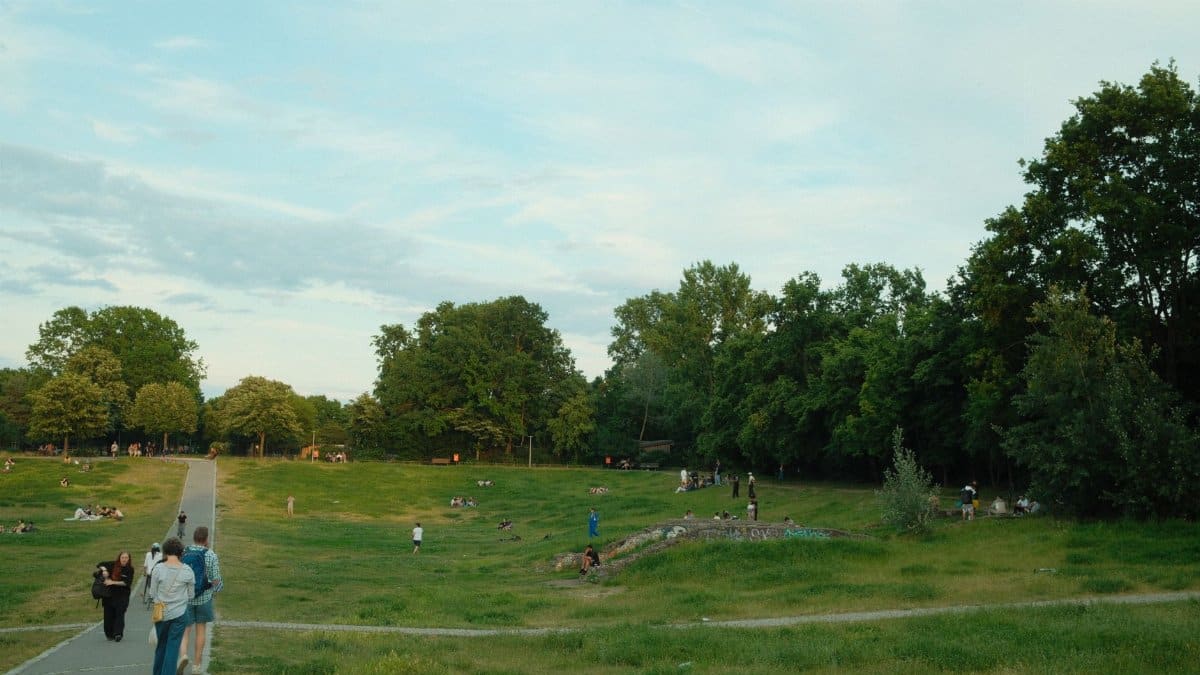
Boston Common has held cattle, soldiers, preachers, protestors, and kite flyers. Adding rats to that list does not diminish the place. It locates it in the present. Every famous lawn in an old city is also a working landscape, maintained by people whose names rarely make the newsletter. Grounds crews, overnight cleaners, restaurant dishwashers, housing inspectors: they are the continuity between a summit speech and a morning that looks cared for.
The experts, walking after their sessions, were guests in that continuity. Their job was to notice what residents already half know and to say it without embarrassment. A city that can talk about rats without giggling or raging is a city that can talk about trash, rent, and the unglamorous infrastructure of daily life. Those subjects are related. Pretending they are not is how problems become permanent.
How a newsletter frames a night
The Globe piece, filed as a starting point rather than a definitive investigation, did something modest and useful. It followed people. It did not pretend that a stroll equals a census. It let readers stand, imaginatively, where the guests stood, between the formality of a summit and the informality of grass. That is good journalism for a subject that usually arrives as a scare headline or a punch line.
You can read the account in the Globe newsletter at Starting Point. What stays with me is less a statistic than a method. Go look. Go at the hour when the audience has gone home. Ask what the place is feeding.
Neighbors, not spectators
For people who live nearby, the lesson is practical and unromantic. Secure food. Do not feed wildlife that will share the handout. Report conditions that a single household cannot fix, especially around multiunit buildings and food businesses. Support the boring budgets: containers, collection frequency, park staffing, code enforcement that is fair rather than theatrical. None of that makes a viral video. All of it changes the night.
There is also a quieter lesson, closer to the way we talk about care than to the way we talk about pests. A city is a promise that strangers can share ground without ruining it for one another. When that promise frays, the evidence is not only human. It skitters at the edge of a lamp. Noticing is not the same as solving. It is the condition for solving. The visitors understood that, which is why they did not stay in the room where the coffee was better and the light was even.
What the walk left unfinished
No tour closes a case. By morning the Common would fill again with strollers and speeches and people cutting across the diagonal. The animals would remain a management problem, not a metaphor to be retired once the newsletter published. Experts would fly home to their own alleys and their own arguments about poison, traps, birth control research, and the ethics of each. Those arguments matter. They also wait on something prior: whether a city will keep its food waste out of reach.
I keep returning to the image of name tags in the dark, a small absurdity that feels exactly right. Expertise is not the opposite of ordinary walking. At its best it is ordinary walking with a trained eye and a willingness to be slightly uncomfortable in public. Boston offered the lawn. The guests offered the attention. The rest of the work belongs to the weekdays, when nobody is taking notes for a newsletter and the trash still has to be contained before the lights come on.
A modest conclusion from an old green
If there is a spiritual note in a story about rodents, it is not mystical. It is the old civic idea that attention is a form of respect. Respect for a park. Respect for the workers who keep it. Respect for neighbors who should not have to live beside neglect. The Boston Common rat walk was a few hundred yards of that idea, practiced by people who know the Latin names and still needed the night air to remember the scale of the thing.
America’s rat experts did not conquer Boston in an evening. They did something better suited to a free city. They looked, together, at a famous place after the audience left, and they treated what they saw as information rather than as shame. That is a good starting point. The Common will still be there tomorrow, open to anyone willing to walk it with their eyes open.