
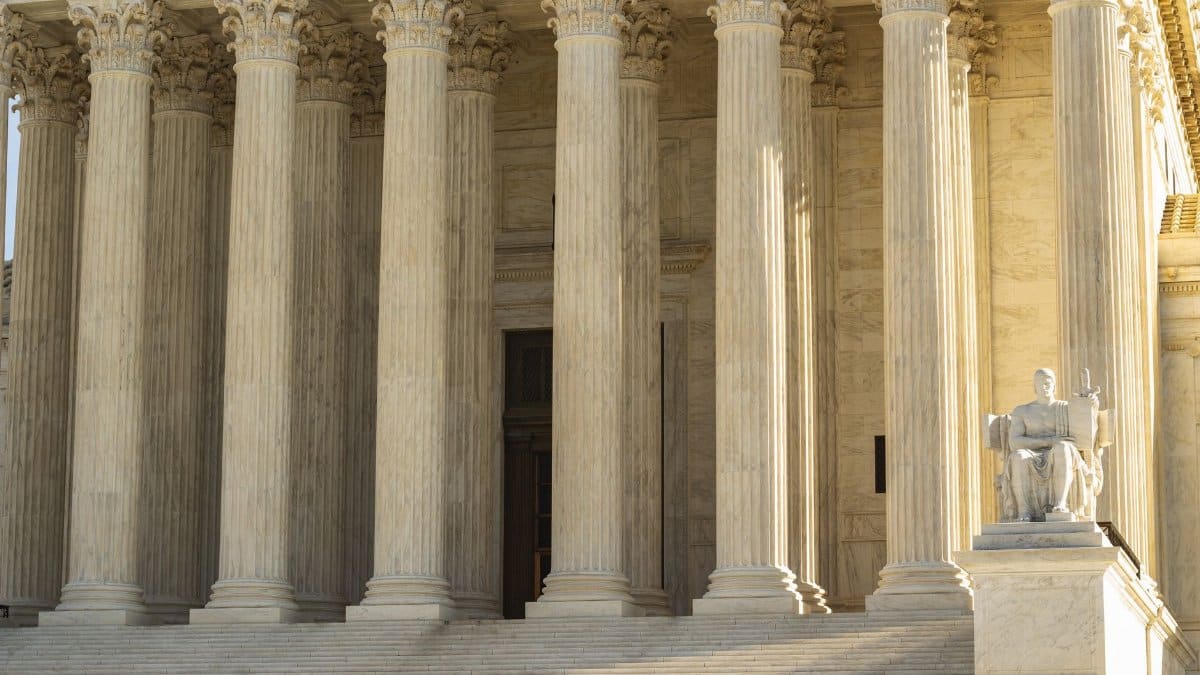
On a quiet Friday in late September, the Supreme Court left standing an emergency order that lets states keep checking names against the SAVE voter eligibility database while a larger fight moves through the lower courts. The order does not declare every use of the system lawful, and it does not tell a county clerk how to treat a mismatched record. It does something narrower and, for the coming midterms, more immediate. It refuses to shut the tool off. Administrators who already built workflows around federal status checks can continue. Advocates who fear wrongful removals must wait. For voters, the practical question is simpler than the docket. Will a federal data match decide whether a ballot counts, and who can appeal before Election Day.
What the emergency order leaves in place
Emergency orders are built for speed, not for settling a constitutional argument. They ask whether one side will suffer irreparable harm if the status quo shifts before judges can write a full opinion. In this dispute, the status quo is access. States that signed agreements with the Department of Homeland Security may keep querying the system through the midterms. Challengers had asked the justices to pause that access, arguing that a flawed match could strip eligible citizens from the rolls with little time to fix the error.
The Court declined. That choice is easy to overread. A denial of emergency relief is not a merits ruling. It does not bless a purge, and it does not require any state to run one. It means the justices were unwilling, at this stage, to freeze a tool that several states say they need for routine list maintenance. The written record of such orders is often thin. Readers should treat silence as silence, not as a hidden endorsement of any particular secretary of state.
How a benefits system became an election tool
SAVE began as a way for agencies to confirm immigration status when someone applied for a public benefit. A clerk enters identifying details. The system returns what federal records show about lawful presence. Over time, election officials argued that the same pipe could help them meet a duty they already have under federal and state law: keep registration lists accurate and limited to eligible citizens.
The political turn is newer. After years of pressure to find noncitizens on the rolls, the SAVE voter eligibility database became a shorthand for a promise and a threat. The promise is cleaner lists. The threat is that messy federal data, applied in haste, will flag naturalized citizens, people with name changes, and voters whose records never matched a federal file in the first place. Both claims can be true at once. A database can catch a real problem and still harm people who did nothing wrong.
Why timing matters more than theory

List maintenance is not abstract in September of an election year. States set registration deadlines. Counties print poll books. Mail ballots go out on fixed calendars. A removal in October is not the same act as a removal in March, even if the legal standard on paper looks identical. The person removed in October may learn of it from a returned mailer, a text from a party, or a surprise at the polling place.
That is why challengers framed the case as an emergency. They were not only asking whether Homeland Security may share status data. They were asking whether courts should allow new or expanded checks while ballots are already in motion. The justices answered the second question for now by leaving the first question open. Election officials hear a green light. Voting rights lawyers hear a clock that keeps running.
The purge fear, stated without the slogan

Purge is a loaded word, and it is also a description of a real administrative act. When a state marks a registration inactive or cancels it, the voter may have to re register, cast a provisional ballot, or prove citizenship with documents that are not in a wallet. If the trigger is a federal match that is wrong, the state has created a barrier the law did not require.
Critics of the current arrangement say the risk is not theoretical. Immigration files and voter files were not designed to speak to each other. Names are spelled differently across systems. Dates of birth are missing. Women who changed names at marriage, and men who did the same, fall out of automated matches. Naturalized citizens can appear in older records as noncitizens. A match that is good enough for a benefits clerk to ask a follow up question may be treated, in a rushed election office, as good enough to cancel a registration.
Supporters answer that refusing to look is its own harm. If a person who is not a citizen is registered, that registration is unlawful whether or not anyone intended fraud. They argue that SAVE, used with human review, is more precise than rumor, activist tip lines, or bulk challenges filed by private groups. The Court did not choose between those stories. It allowed the lookups to continue while the stories are tested.
What civil rights groups say the record already shows
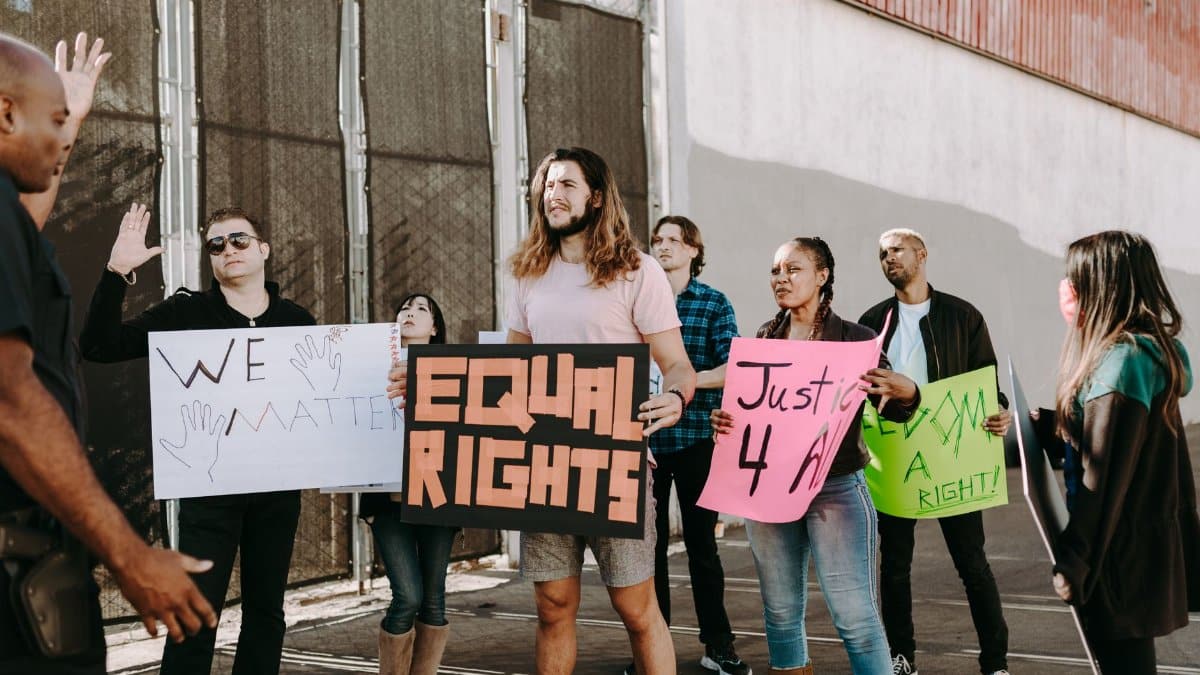
The groups pressing the case describe a pattern, not a single bad county. They point to notices that arrive late, appeal windows that close before a voter can gather a passport or a naturalization certificate, and local offices that treat a federal flag as final. They also argue that the burden falls unevenly. Communities with more immigrants, more name variations, and less access to original documents spend more time clearing a flag that should never have been raised.
Those claims belong in a trial record, with exhibits and witnesses, not in a press release alone. Still, the shape of the argument is familiar to anyone who has watched list maintenance fights since the National Voter Registration Act set rules for how and when states may remove people. The statute allows maintenance. It also limits it, especially close to an election, and it expects notice. A federal data feed does not repeal those limits. A state that treats SAVE as a command rather than a lead is inviting the next lawsuit even if this one stalls.
What election officials say they cannot do without it

Secretaries of state and county registrars occupy an unenviable spot. They are told to prevent ineligible registration and told, correctly, that a false removal is a serious injury. Many of them lack a reliable citizenship field in the voter file. Driver license records help in some states and mislead in others, because a license is not proof of citizenship and a REAL ID marking is not a complete biography.
For those offices, access to the SAVE voter eligibility database is a way to ask a question they cannot answer from state files alone. They say they do not want a robot canceling thousands of names overnight. They want a queue. A match triggers a letter. A voter responds. A clerk decides. If that is the practice, the emergency order mostly preserves a bureaucratic habit. If the practice is closer to automatic cancellation, the same order preserves a risk the Court has not yet measured.
Data quality is the quiet center of the case

Judges can write elegant tests for irreparable harm and still miss the thing that decides individual fates: whether the data are fit for the use. A system built to confirm status for a benefit application assumes a person is in front of a counter, able to correct a typo. A system used to scan millions of registrations assumes the opposite. Nobody is standing there when the query runs.
False positives are not a rounding error in this setting. Each one is a citizen who may lose a routine way to vote. False negatives matter too. A tool that misses ineligible registrations will be called a failure by the officials who demanded it. The honest description is that no single federal file can serve as a perfect citizenship oracle for every American voter file. The legal fight is about how much imperfection the law tolerates, and what safeguards must surround it.
Federal power, state rolls, and a divided public
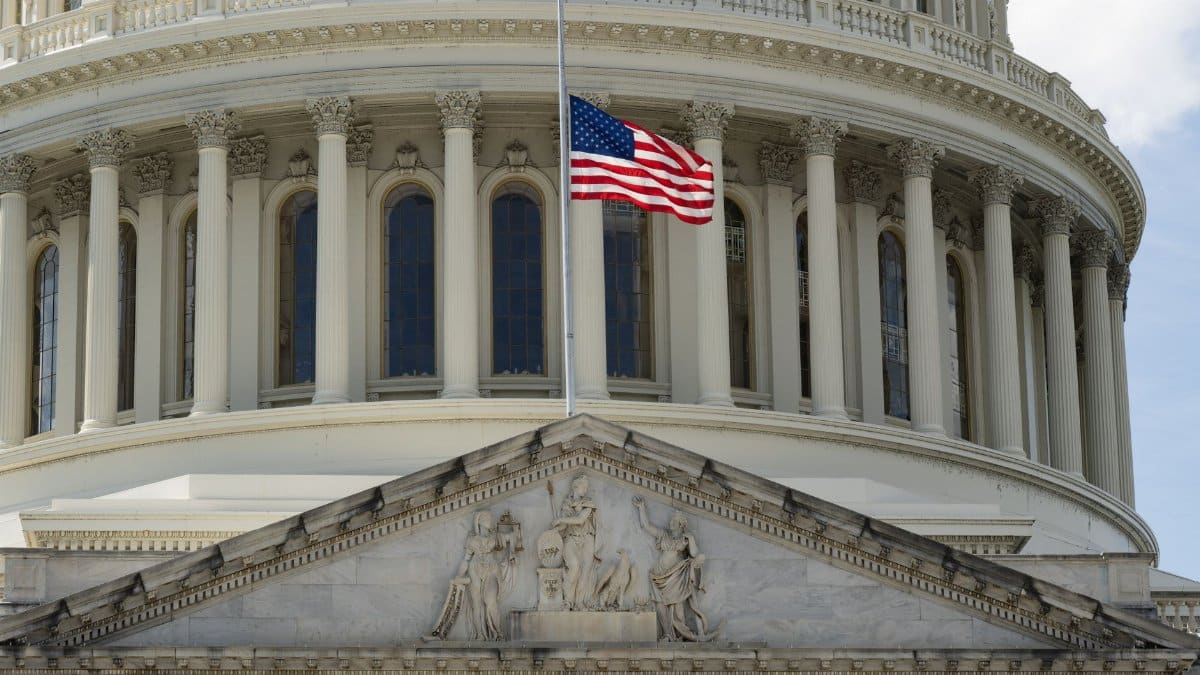
Voter registration is mostly a state job, constrained by federal statutes and by the Constitution. Homeland Security holding the underlying status records creates a partnership that feels, to some state officials, like help, and to others like pressure. The current administration has urged aggressive use of federal checks. Earlier administrations were more cautious about repurposing SAVE for elections. That swing is part of why the litigation feels unstable. A tool can outlast the politics that promoted it, and the next administration may read the same contracts differently.
Public opinion does not resolve the legal question, but it explains the heat. Large numbers of voters want proof that rolls are limited to citizens. Large numbers also distrust any program that sounds like a purge aimed at people with accents, foreign sounding names, or recent naturalization. A court order that splits that difference by saying not yet will satisfy neither camp for long.
What a voter can actually do this fall
The order does not create a new federal hotline, and it does not guarantee that every state will run new checks. Voters who want to avoid a surprise should confirm their registration with their state election office well before the deadline, and they should read any official mail that mentions eligibility. A letter that asks for proof of citizenship is not junk, even if it looks bureaucratic. Missing it can matter more than any sentence in a Supreme Court order.
People who recently naturalized, changed a name, or moved should be especially attentive. Bring documents if the state allows curing a problem at the polls or at an election office. Provisional ballots exist for a reason, but they are a backup, not a plan. Campaigns and civic groups will offer help. Some of that help will be useful. Some will be alarm. The durable advice is local: know the registration status, know the deadline, and do not assume a federal database has a correct story about you.
The merits case is still waiting

Behind the emergency posture sits a conventional lawsuit. Plaintiffs will argue that expanded use of federal status data violates federal election statutes, administrative law limits on how agencies share information, or constitutional protections against undue burdens on the right to vote. States and the federal government will argue that citizenship is a lawful qualification and that checking it is maintenance, not discrimination.
A full opinion could draw lines the Friday order refused to draw. It might allow queries but require notice, a waiting period, and a human decision before cancellation. It might bar use within a set number of days before an election. It might hold that the agency never lawfully opened the system to this purpose. Any of those outcomes would reshape the next cycle more than this short order does. Until then, the SAVE voter eligibility database remains available, and the argument about what availability means will be fought in county offices as much as in court.
A narrow pause is not a final answer

Journalists sometimes treat a Supreme Court stay, or the refusal of one, as the story itself. The more useful story is what officials do with the permission they just received. If states use the system as a prompt for careful review, the worst fears may not materialize, and the record for the merits case will look ordinary. If states treat a match as a verdict, litigation will multiply, and voters will learn about the database the hard way, at a precinct table.
The Court has given the country time, not clarity. Time can be used to write better procedures, to test match rates in public, and to tell people how to cure an error. Time can also be used to move quickly and explain later. Which path states choose will matter more, between now and the midterms, than the few paragraphs the justices were willing to issue on a Friday.