
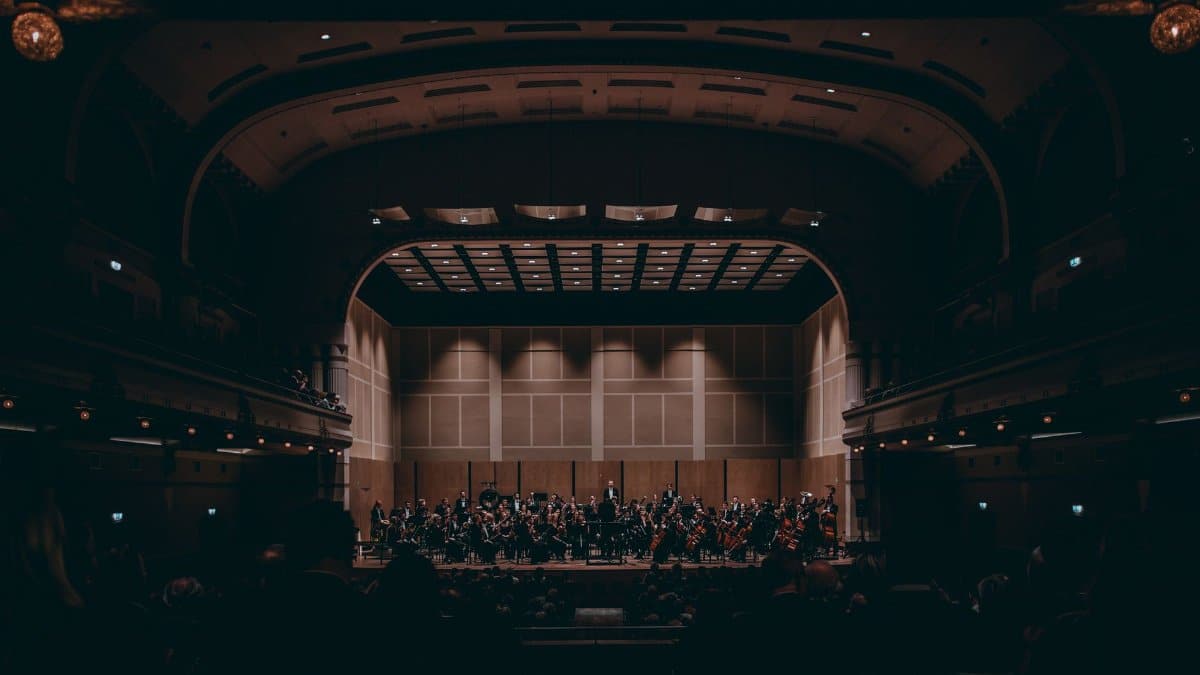
On a mild September evening, formal clothes and quiet talk filled the lobby of Davies Symphony Hall while the city outside kept its ordinary pace. The SF Symphony opening gala has long served as both a concert and a civic ritual, the night when donors, musicians, and curious listeners mark another season. On September 24, violinist Hilary Hahn played Mendelssohn as the orchestra previewed the artistic leadership it hopes will shape the 2026 to 2027 season. For a hall marked by recent transition, the evening asked for more than sparkle. It asked whether a familiar ritual could still gather a public around serious music.
A night that had to be more than a party

The opening of a symphony season is easy to treat as social theater. Gowns, speeches, a reception, a program chosen to please rather than to provoke. Those elements belong to the form, and they colored the atmosphere as the San Francisco Symphony greeted its patrons. What distinguished this night was the musical wager at its center. Hilary Hahn is not a decorative guest. She is one of the most exacting violinists of her generation, a player whose reputation rests on clarity of line, patience with phrase, and a refusal to turn a familiar concerto into a display of speed alone. Placing her at the start of the season signaled that the institution wanted its first impression to be musical rather than merely festive. In a city that often measures culture by novelty, that choice had a quiet boldness. It said that a bow, a string section, and a nineteenth century score could still carry the news.
Mendelssohn and the problem of the familiar
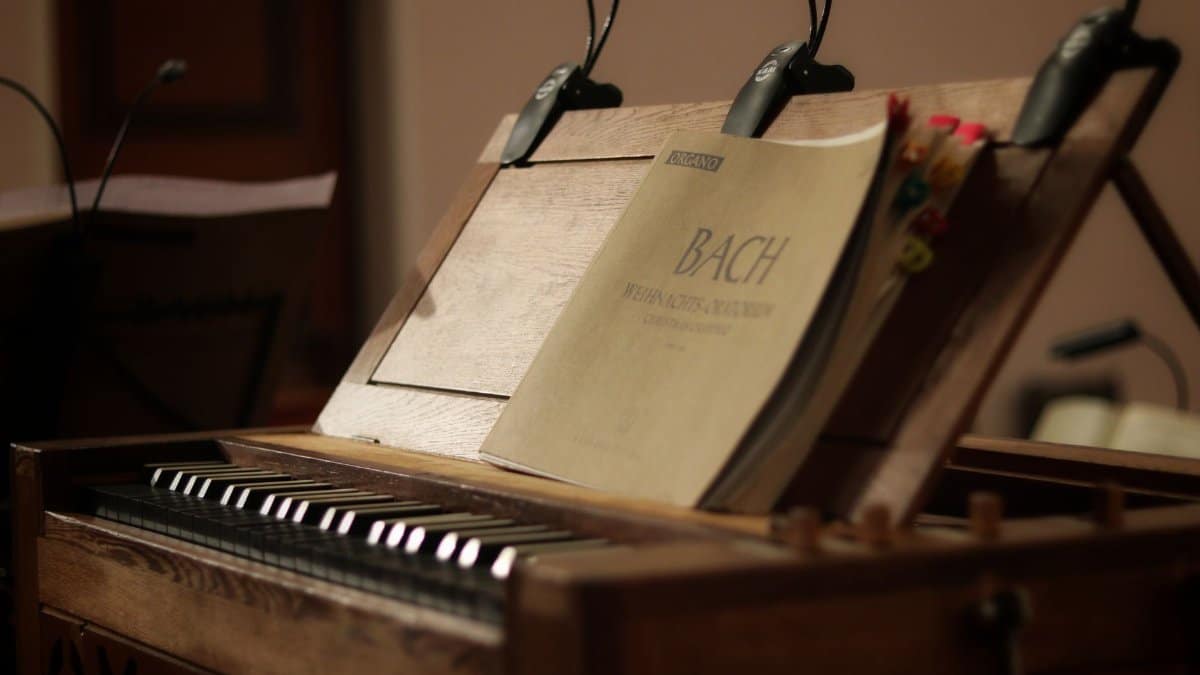
The Mendelssohn Violin Concerto remains one of the most played works in the repertoire, which can make it seem safe. Safety is a misleading word. The piece asks for singing tone, clean articulation, and a sense that melody is an argument rather than an ornament. In Davies Symphony Hall, a room known for warmth in the strings and for a bloom that can flatter or soften detail, that argument can either glow or blur. Hahn has spent much of her career showing that transparency and feeling are not opposites. Listeners who know her recordings of Bach and of the standard concertos arrive expecting control. What often surprises them is how much space she leaves inside a phrase, and how a held note can feel like thought rather than polish. Familiarity, in her hands, becomes a kind of honesty. The audience already knows the tune. The question is whether the tune is allowed to mean something again.
Hearing a future music director
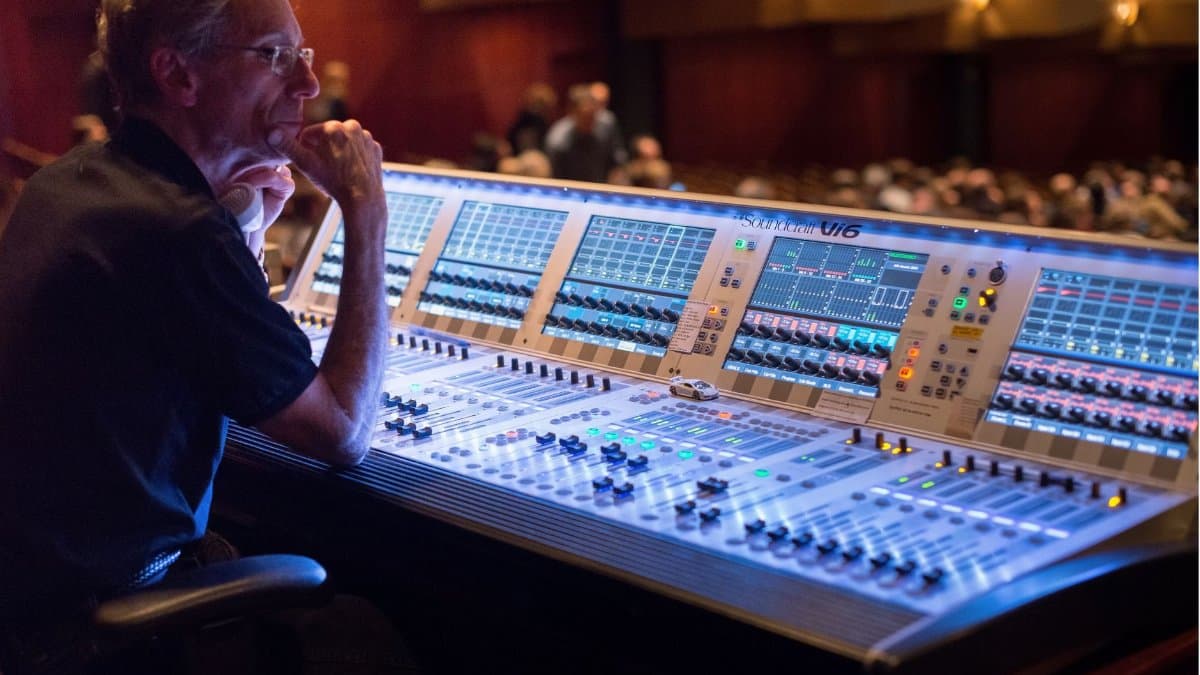
The orchestra used the concert to preview its next music director, and that framing changed the way a gala is usually heard. A preview is not a coronation. It is a public test of chemistry: how a conductor shapes an entrance, how the brass answer a request for less sound, how a slow movement holds together when many people in the seats came as much for the occasion as for the score. San Francisco has a sophisticated audience and a restless one. It has rewarded conviction and noticed vagueness. An opening concert cannot settle a search that involves trustees, players, and the long memory of a subscription public. It can tell that public whether the institution is listening to itself with care. Leadership in an orchestra is not a speech. It is tempo, balance, and the courage to let silence do part of the work.
Where the civic calendar meets the music
For many subscribers, the SF Symphony opening gala is less a single concert than a date on the civic calendar. It sits beside museum galas, opera openings, and the first nights that tell a city its cultural year has begun. That comparison can sound shallow. It is also accurate. Institutions survive on attention, and attention in a crowded city is scheduled. A gala concentrates donors who underwrite education programs, new work, and the ordinary weeknights when the hall is less full and the music is no less serious. The risk is that the social frame swallows the art. The opportunity is that people who might not otherwise sit still for Mendelssohn find themselves doing exactly that, surprised by their own stillness. The tension is old. What changes is whether the institution treats the party as the point or as the means.
Silence as a shared practice

There is a spiritual claim hidden in ordinary concert behavior, and it does not require a creed. Phones disappear. Talk stops. A few thousand people agree to face the same direction and to let sound organize their breathing. That agreement is fragile. It can be broken by a cough, a late arrival, or a mind that will not leave the day behind. Yet when it holds, a concert becomes something like a secular liturgy: repetition, shared posture, a text older than the people in the room, and a hope that attention itself is a form of care. Classical music marketing often avoids this language, fearing it will sound pious or exclusive. The experience does not need the vocabulary. It needs the conditions. A gala, noisy before the downbeat and noisy again after the bows, tests whether those conditions can still be made in a culture that treats interruption as a right. For a few minutes, interruption loses.
What the money is actually for

Patrons at an opening night are often accused of buying proximity to glamour. Some do. Others are buying continuity. They want to know that musicians will still be employed, that students will still ride buses to matinees, and that a living composer will still hear a new piece played by a major orchestra rather than left in a drawer. None of that is visible in a single downbeat. All of it depends on nights when gratitude is public and the ask is explicit. The honest version of a gala speech admits the bargain without apology or syrup. Beauty is not free, and a city that wants a symphony must decide, again and again, that the cost belongs to its idea of itself. Applause is not a budget. It is, at best, evidence that the budget has a purpose people can hear.
A soloist as a measure of standards
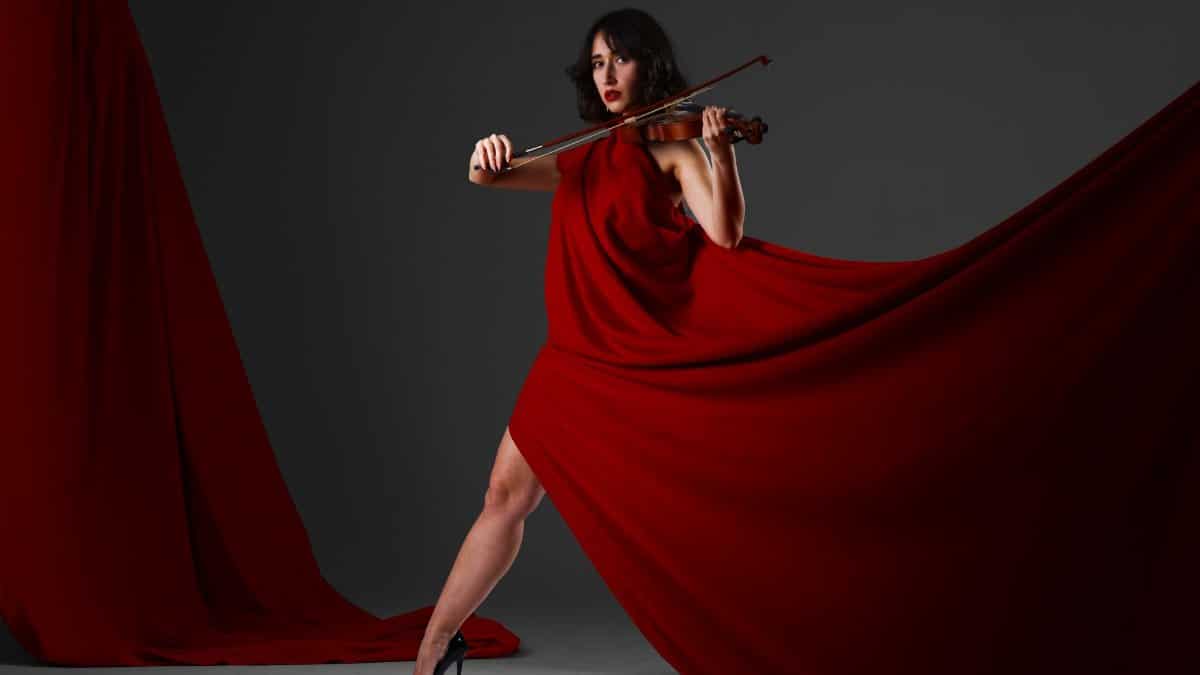
A soloist of Hahn’s standing also functions as a measure. Orchestras can hide a rough night inside a loud ending. A great violinist makes roughness harder to disguise, because the ear locks onto the line and notices when the accompaniment drifts. That pressure is a gift. It reminds players and listeners that excellence is not a brand but a series of small agreements: intonation, balance, and the willingness to play softer than pride prefers. Mendelssohn, a composer who understood both brilliance and tenderness, rewards those agreements. A performance that chases only brilliance misses the slow movement, where the violin must speak almost privately in a very public room. If the SF Symphony opening gala is remembered for anything musical, it ought to be remembered for whether that privacy survived the scale of the occasion.
Who was actually in the seats
Not everyone at Davies Hall on an opening night is a donor in evening clothes. Some are musicians’ families. Some are subscribers who saved for the ticket because the soloist mattered to them across decades. Some are guests of guests, hearing a concerto live for the first time and unsure when to clap. That mix is easy to romanticize and important to protect. A symphony that speaks only to insiders becomes a club. A symphony that dilutes its standards to chase a crowd becomes a soundtrack. The narrow path between those failures is the actual job. Hahn can draw listeners who are not yet fluent in the rituals and still give fluent listeners something worthy of their years in the hall. An institution that manages both, on the same night, has done more than throw a party. It has kept a public room public.
The long argument of a season

What remains after the applause is a promise the SF Symphony opening gala cannot keep by itself. A season is a long argument conducted over months: guest conductors, resident players, education concerts, and the nights when a difficult new work shares a program with a beloved symphony. If the preview of a music director felt coherent, subscribers will test that feeling in October and in March, when the clothes are ordinary and the hall is less dressed for celebration. Consistency is the unglamorous virtue. Audiences forgive an adventurous failure more readily than they forgive a loss of attention. The standard set by a violinist at the height of her powers becomes, fairly or not, a reference point. Later programs will be heard against it, even when the music is entirely different and the soloist is gone.
A city still willing to sit still

San Francisco has spent years arguing about what kind of city it is: expensive, inventive, wounded, and still capable of public joy. A symphony opening will not settle that argument. It can, however, contradict the notion that shared attention is obsolete. People still dress with care. People still sit down. People still find themselves moved by a phrase they cannot explain to the person beside them. That response is not a failure of criticism. It is one reason the art persists. A report can name the soloist, the date, the hall, and the institutional stakes. It cannot fully account for the moment when a melody seems to know something the listener has not yet said aloud. Call that spiritual if the word helps. Call it musical if it does not. The event does not depend on the label, only on whether the room was quiet enough for the phrase to land.
When the lights come up
When the lights return, the ritual loosens. Conversations resume. Some guests leave for dinner. Musicians pack instruments that will be used again in rehearsal, without speeches and without an audience to impress. The distance between gala and workday is a measure of institutional health. If the SF Symphony opening gala is only a party, it will fade by the weekend. If it is a party that protects a standard, it will echo in smaller ways: a section leader tuning with extra care, a subscriber renewing without drama, a teenager at a later concert recognizing Mendelssohn and sitting a little straighter. Hilary Hahn gave the evening a musical center. The orchestra, by previewing its next music director, asked the city to imagine a future rather than only to applaud a past. The rest of the season will show whether that future can be heard, not merely announced.