
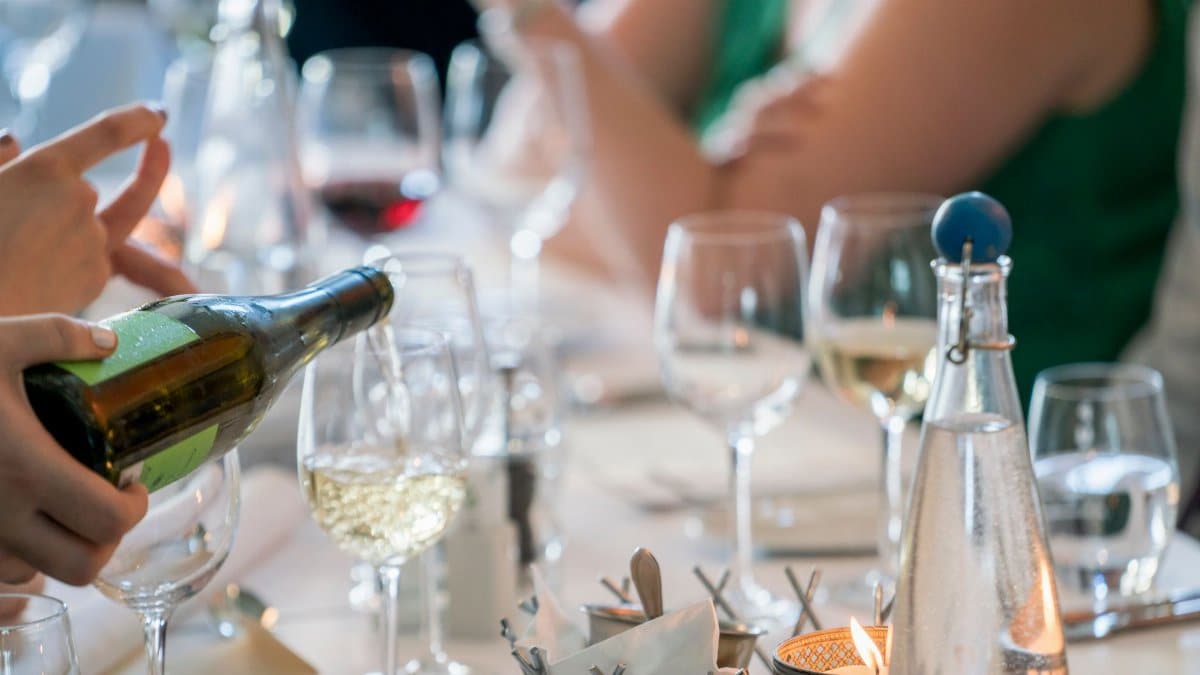
On a September evening in Washington, crystal flutes rose before the first course had fully settled on the tables. A Calistoga blanc de noirs, pale gold and persistent, opened the state dinner for China’s president. The Schramsberg White House toast was brief, ceremonial, and thick with memory. For a winery that has spent decades sending bubbles into rooms where governments negotiate, the moment felt both familiar and newly strained. Guests heard the customary language of friendship. What they tasted was a California wine asked, once again, to stand in for goodwill that speeches alone cannot secure.
A cellar asked to carry history
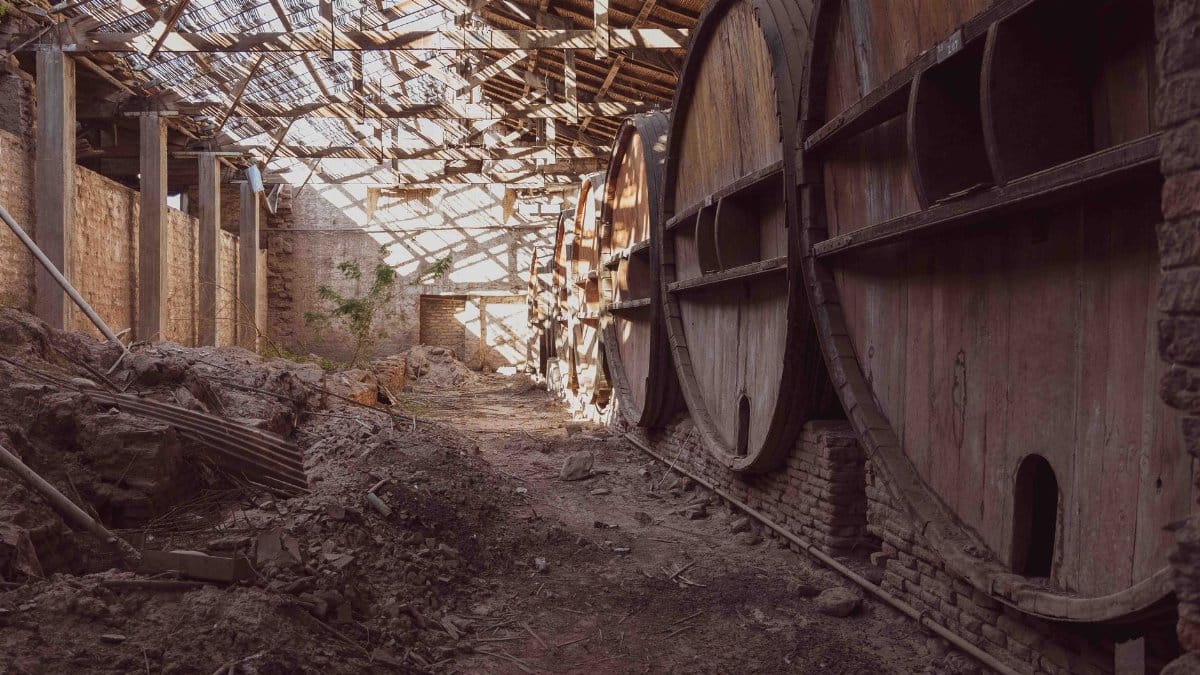
Schramsberg sits in Calistoga, on the northern edge of Napa Valley, in a house begun in the nineteenth century and revived in 1965 by Jack and Jamie Davies. They bet that California could make serious sparkling wine in the traditional method, with a second fermentation in the bottle and years of rest on the yeast. That bet became a calling card in Washington. When planners reach for this producer, they are not only choosing a domestic name that photographs well beside a presidential seal. They are choosing a bottle that already knows the choreography of a state visit, the slow pour, the short remarks, the cameras waiting for a raised hand.
The family still runs the place. Visitors who drive up the mountain road find caves, not a theme park. The fruit is Pinot Noir and Chardonnay grown for bubbles rather than for still wine fame. That plain fact matters when a dinner threatens to turn the producer into a symbol and nothing more. Symbolism draws the invitation. Farming earns the second glass.
What opened the evening
The dinner plan called for a blanc de noirs from that Calistoga cellar to open the Sept. 24 state dinner. Blanc de noirs is made from dark grapes pressed quickly so the juice stays pale. It tends to show red fruit, a hint of toast from the yeast, and a firmer line than a blanc de blancs built only on Chardonnay. It is a sociable wine, meant for a first sip while people are still finding their seats and their translators.
In a room of military aides, business leaders, and career diplomats, that first sip does quiet work. It gives everyone the same small pleasure before the speeches begin. No one needs a lecture on soil. The glass simply says the evening has started, and that the host has chosen something made in the United States rather than imported out of habit.
Protocol still starts with bubbles
State dinners run on sequence. A toast near the start signals welcome. A toast near the end signals that both sides have endured the night without a public break. Sparkling wine has held the opening role for generations because it announces itself. Even when the cork is pulled out of sight, the bead in the glass tells a room that ceremony has begun. Staff can serve it quickly. Guests can raise it without a seminar on vineyard rows.
The Schramsberg White House toast fit that old pattern, even as the politics around the table did not. Protocol is a technology for keeping rivals in the same room. It does not require affection. It requires a shared script, a clock, and a drink that will not embarrass the kitchen. Bubbles are reliable in that narrow sense. They photograph. They finish before the fish arrives. They let a president speak of friendship without asking the wine to prove it.
The toast that changed the story
The winery’s Washington reputation rests on a colder night in 1972, when President Richard Nixon traveled to Beijing and raised Schramsberg with Premier Zhou Enlai. Americans later called it the toast that changed the world, a phrase the producer has never been shy about repeating. The claim is grand, and it is also a reminder of how little a glass can do by itself. The opening to China was the work of years of secret talks, strategic fear of the Soviet Union, and leaders willing to gamble status on a handshake.
The wine was a prop that became a legend. Legends travel well. They also flatten what actually happened in those meetings, the arguments over wording, the aides awake past midnight, the publics back home that had to be sold a reversal. A bottle can mark a turn in history. It cannot cause one. Remembering that distinction keeps the 1972 story useful instead of magical.
Friendship language, harder facts

A dinner for President Xi Jinping and President Donald Trump asks that old legend to work overtime. The two governments argue over technology, Taiwan, tariffs, and the shape of the Pacific. None of that dissolves because a California sparkling wine is poured. Yet protocol exists precisely because the arguments are real. Shared meals let officials stand in the same room without pretending the disputes are settled. The glass is a pause, not a treaty.
Anyone who confuses the two has watched too many campaign clips and not enough arrival ceremonies. The language of these nights is polished until it can offend almost no one. Prosperity, respect, a stable future: the nouns are large and the verbs are soft. Listeners who want a verdict on the relationship will not find it in the menu. They may find a clue in what is not said, in which aides are seated near the principals, in whether the toasts run long or stop on time. Planners framed another Schramsberg White House toast as hospitality, which is honest only if hospitality is understood as a tool.
Napa in the role of national host
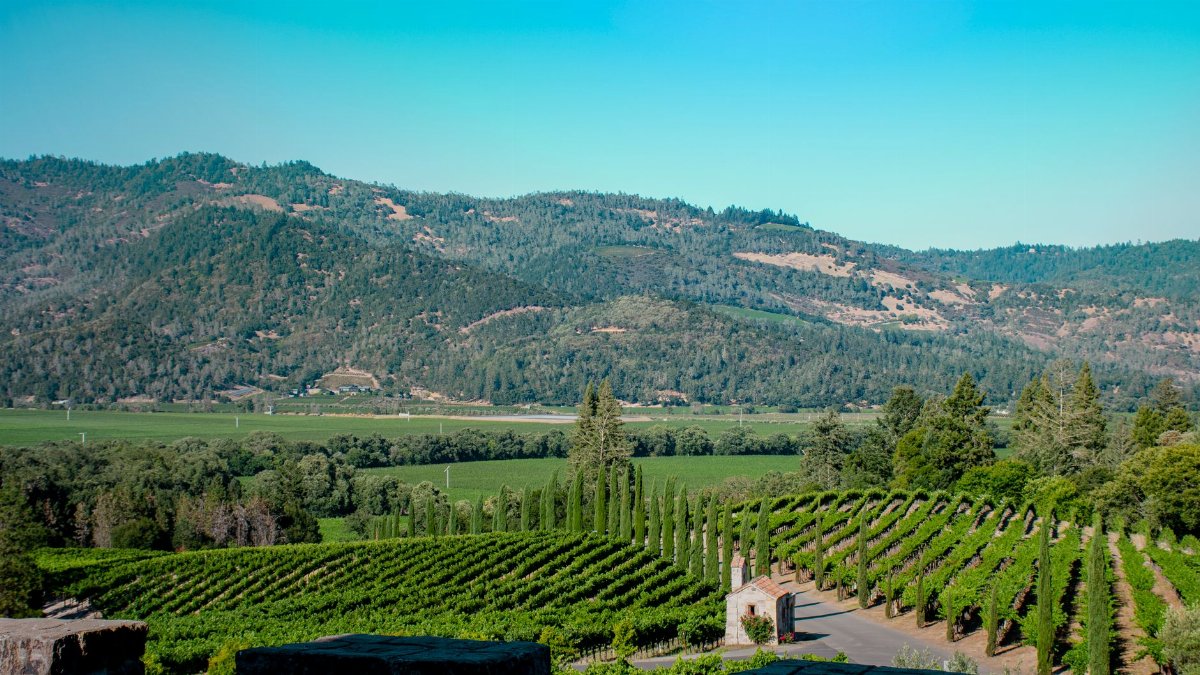
There is a domestic audience for this choice as well. Selecting a Napa sparkling wine tells American growers that the White House still looks west when it wants to impress a guest. It also tells foreign visitors that the United States will not default to Champagne when it can pour something grown in California. That message has limits. Champagne remains the global reference for ceremony, and many embassies keep it on hand for a reason. A Calistoga bottle does not need to win that comparison outright.
It needs to be specific: a family business, a method, a county that visitors can picture if they have never driven the valley. Specificity is a kind of courtesy. A generic domestic pour would have said only that the host preferred not to import. Schramsberg says where the wine comes from, and that the where has a paper trail in American diplomacy. For growers watching from the North Coast, the signal is smaller and more practical. State dinners do not move markets by themselves. They do tell a trade association, a distributor, and a skeptical buyer that this category belongs at the highest table.
Sea bass, linen, and the quieter courses

Advance notes on the menu pointed toward sea bass, a fish that flatters white wines and does not fight a sparkling pour if the kitchen keeps the sauce light. Menus at these dinners are diplomacy in edible form. Nothing too fiery, nothing that requires a tutorial, nothing that photographs badly under warm light. The wine list has to thread the same needle. A blanc de noirs at the opening leaves room for still wines later, perhaps a restrained Chardonnay if the courses stay with fish, or a Cabernet if the kitchen turns toward meat.
The point is sequence, not a tasting designed to dazzle sommeliers. Guests are there to be seen agreeing to sit together. The food should comfort that agreement. Chefs who cook for state dinners learn to subtract. Salt is measured. Garnishes stay put. A sauce that splits under the lights becomes a story no one in the protocol office wants. Wine service follows the same discipline. Stems are clean. Pours are even. No one at the head table waits while a neighbor is served. Equality, at this altitude, is a matter of ounces.
What a toast is allowed to mean
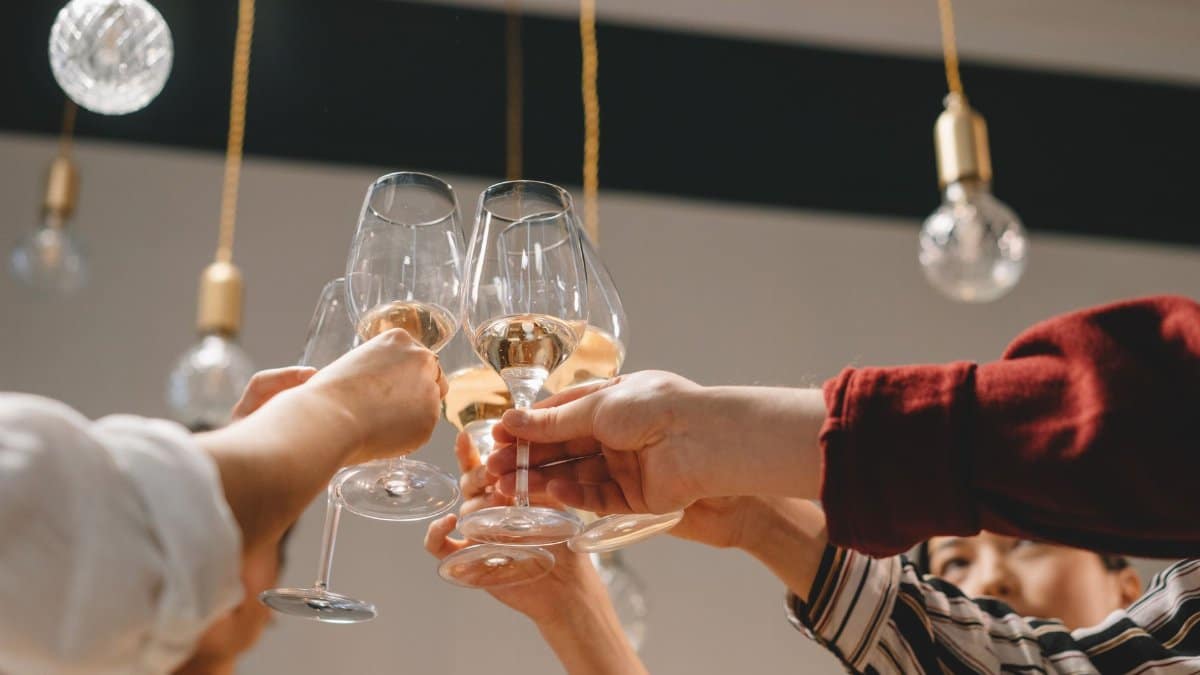
Readers who come to a political dinner from a spiritual habit may hear something older than protocol. A raised glass is a blessing with the theology left implied. For a few seconds, people promise to wish one another well. In churches, temples, and mosques that promise is named, argued over, and sung. In a state dining room it stays in the subjunctive: may our talks be productive, may our peoples prosper. The words are sanded until they cannot cut. The gesture still matters.
It asks rivals to inhabit, briefly, the grammar of hope. That is not salvation, and it is not a substitute for the hard work of envoys. It is also not nothing. Cultures that keep feast days know that a shared cup can hold people inside a promise they are not yet ready to sign. Secular governments borrow that knowledge without crediting it. The borrow is visible on nights like this, when men who command armies lift a fragile glass and speak as if the future were a guest they might still welcome.
The risk of using wine as costume
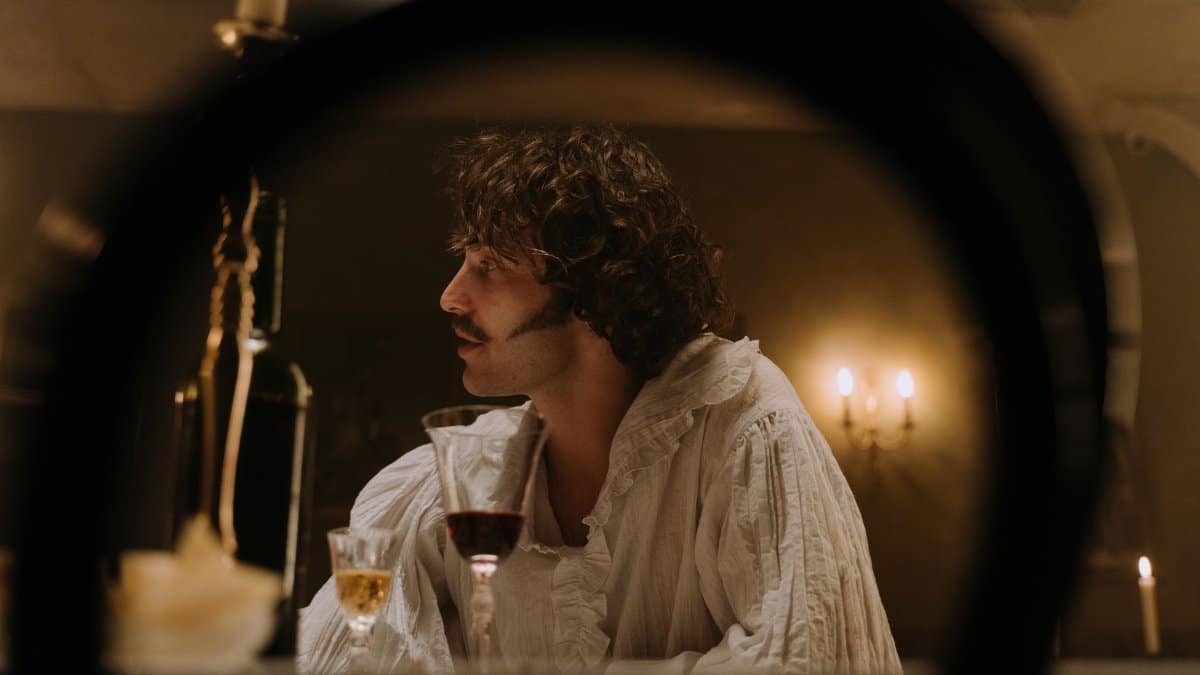
There is a hazard in leaning too hard on the 1972 story. If every pour of Schramsberg is framed as a repeat of Nixon and Zhou, the wine becomes costume rather than craft. Growers in Napa have spent sixty years learning sites, clones, press cycles, and the patience of a cellar. They deserve to be discussed as producers, not as souvenirs of a presidential trip. A fair account of the Schramsberg White House toast holds both facts at once. The bottle carries history. It also carries fruit, acid, and the labor of people who were not in the room and will not be quoted in the pool report.
Costume has a political cost too. When leaders wrap a difficult relationship in a flattering vintage, citizens can be invited to feel progress they have not seen. A good reporter keeps the glass in proportion. Note the producer. Note the gesture. Then return to the disputes that brought these two presidents to the same table, because those disputes will outlast the foam in the flute.
After the flutes leave the table
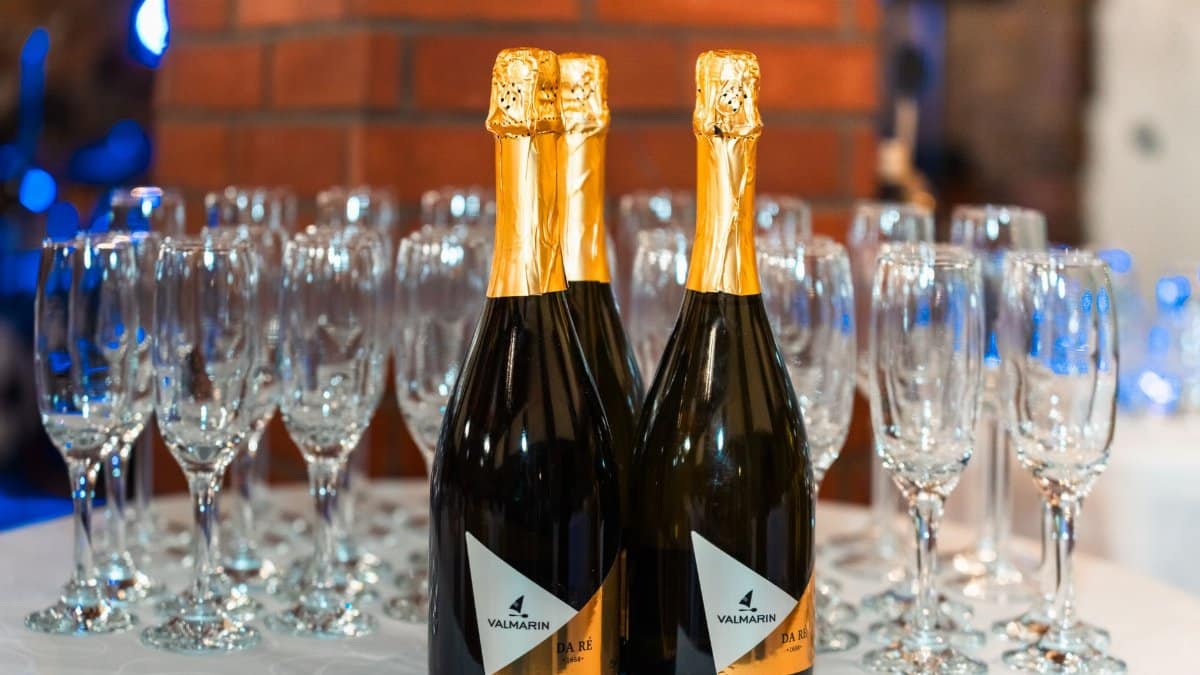
When the flutes are cleared, the dinner becomes what it always was: a staged evening wrapped around unresolved power. Staff pack what the guests did not finish. Aides compare notes in cars heading back across the city. Markets open in Asia and read the speeches for hints about tariffs and tone. The wine, if it is remembered, will be remembered in a caption under a photograph of two leaders standing a careful distance apart.
That is the fate of most ceremonial bottles. Schramsberg has lived with that fate longer than almost any American sparkling house, and it has turned the fate into a kind of archive. Each new toast adds a line. None of the lines cancels the argument waiting outside the gates. The Sept. 24 dinner will be judged by communiques, by what was conceded, and by what was postponed. The Calistoga blanc de noirs will not change that judgment. It will remain a precise detail in a larger night, proof that even strained powers still know how to begin with a shared glass, and that beginning is not the same thing as agreement.