

On a gray Saturday morning in Washington, the usual line does not form. The door stays dark, the pastry case empty, and the person who planned a quick stop before errands has to rewrite a small piece of the day. Locator listings pointed to a cluster of shops going quiet for the weekend, and the phrase Starbucks Washington closures began circulating among customers who treat that green sign as a fixed point on the map. For some it is only coffee. For others it is the pause between work and home, the place where a name is called and a routine holds.
What the weekend listings actually showed

The clearest public signal was not a long corporate essay. It was the store finder, the same tool people use when they are already in the car. Listings indicated that at least six Washington shops would not open as usual this weekend, with Seattle, Redmond, Spokane, and Vancouver named among the places affected. That is a modest number inside a chain that still blankets the region, yet it is large enough to be noticed block by block. A closure that looks small on a national map can empty a corner that has hosted the same Saturday crowd for years.
Readers should treat locator language with care. A temporary shutdown, a remodel, and a permanent exit can look similar in a phone app until someone stands at the glass. The reporting frame from Seattle described a wave that would include at least six Washington stores, which is a floor rather than a full census. Anyone planning a meeting, a study session, or a shift pickup would do well to confirm the specific address before leaving home.
Seattle and the weight of the home market
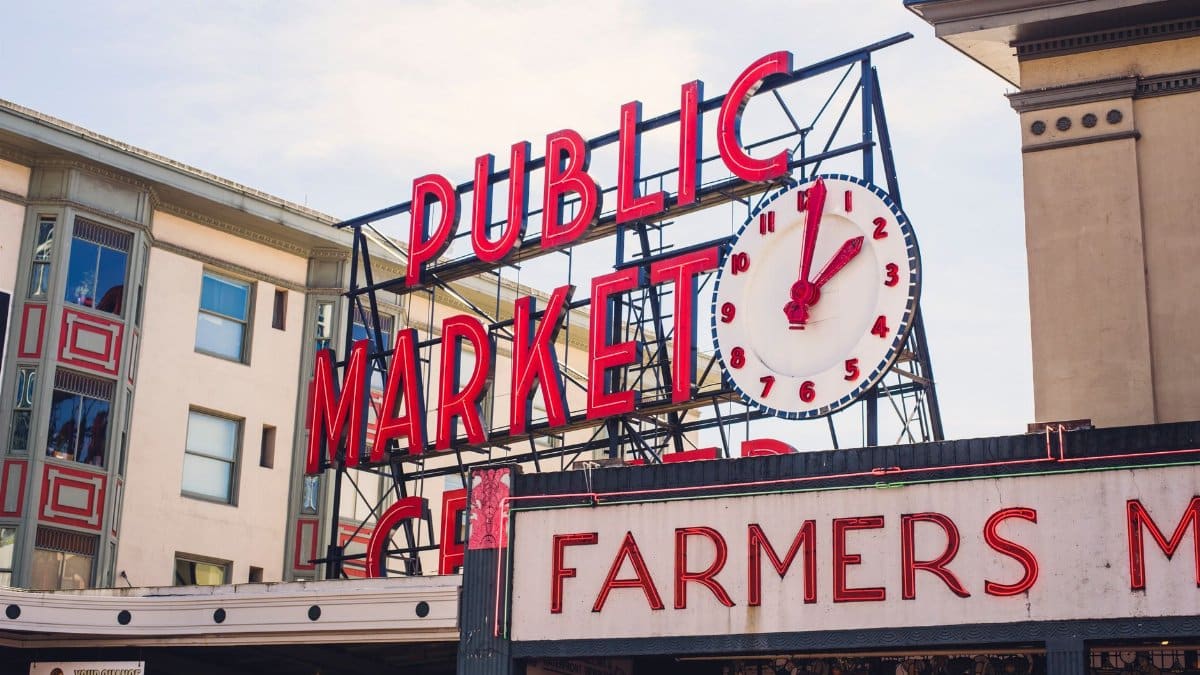
Seattle is not just another city on the Starbucks list. It is the place where the company grew up in public, and where a closed cafe still feels like a local story even when the brand is global. Neighborhoods here have learned to read a dark storefront as a signal about rent, staffing, foot traffic, or a decision made far from the block. When Seattle shops appear in a weekend shutdown list, regulars do not only ask where else they can buy a latte. They ask whether the corner is losing one more indoor room that asked nothing of them except a few dollars and a little time.
I have watched that reaction in other cities when a familiar counter goes quiet. People do not mourn a logo. They miss the certainty that a warm room will be there when the weather turns and the bus is late. In Seattle that certainty has been part of civic furniture for decades, which is why even a short closure can sound louder than the same event in a market the company entered later.
Redmond and the Eastside commute
Redmond sits inside a different rhythm. The Eastside workday still bends around campuses, park and ride lots, and parents who build the morning around school drop off. A cafe near that pattern is less a destination than a hinge. If the hinge is locked for a weekend, the inconvenience is practical: longer lines elsewhere, a drive that was not in the plan, a meeting that loses its neutral ground.
Eastside customers also tend to notice operational details. They watch whether mobile orders pile up, whether seating shrinks, and whether a store that once welcomed laptops now functions mainly as a pickup window. A weekend closure in Redmond does not prove a permanent retreat. It does show how tightly some routines are tied to a single address. When that address goes dark, the substitute is rarely identical. The next shop may be busier, farther, or simply not on the way.
Spokane and a different Washington

Spokane reminds anyone reading a statewide list that Washington is not one market. The inland city has its own downtown, its own suburbs, and its own relationship to national chains that arrived as anchors rather than as hometown institutions. A closure there can matter more to a commercial strip where options are fewer and distances are longer. Losing one familiar counter for a weekend is not a crisis. It is a gap in a landscape that does not always offer three alternatives within a short walk.
Statewide headlines sometimes flatten that difference. A Seattle reader may shrug at six shops. A Spokane reader may know exactly which intersection just lost its morning crowd. Good local reporting holds both scales at once: the company decision and the block that has to live with it.
Vancouver and the southern edge of the list

Vancouver, Washington, adds yet another texture. It sits near the state line, with Portland close enough to shape shopping habits and media habits alike. A store closure there can be read through a regional lens that Seattle readers do not share. Commuters cross bridges. Families split errands between two states. A dark cafe on one side of the river is a small logistical fact and, for staff, a question about hours and schedules.
The locator mention of Vancouver alongside Seattle, Redmond, and Spokane is useful because it resists a single story. These are not four copies of the same neighborhood. They are four versions of how a national retailer sits inside daily life. The Starbucks Washington closures story is really a set of local stories that happen to share a brand name and a weekend.
Why a chain shutters a counter at all

Companies close shops for reasons that are rarely poetic. Leases end. Sales miss a target. A building needs work that cannot happen while customers are inside. A district has more cafes than the trade can support. Labor markets shift. A format that made sense a decade ago, with large tables and long stays, may no longer match how people buy drinks now. None of that requires a conspiracy, and none of it should be invented in the absence of a clear company statement about each address.
What customers can see is the pattern of tools. Store finders, app messages, and taped notices do the explaining that a press release sometimes skips. When those tools say a shop is closed, the honest response is to believe the door, not the habit. Habit is slower to update than software.
Workers who lose a weekend room

A closure is also a staffing story, even when it lasts only days. People build schedules around opening shifts, closing shifts, and the tips that come with a busy Saturday. A dark store can mean reassigned hours, a longer commute to another location, or simply a weekend that pays less than planned. Those details rarely appear in a locator pin. They appear in group texts and in the quiet arithmetic of rent.
Customers sometimes talk about closures as if the only loss is convenience. The people who learned names, managed a rush, and cleaned the same machines every morning experience it as a change in work. Respecting that does not require pretending every shutdown is a tragedy. It requires remembering that a cafe is a workplace before it is a backdrop for someone else’s morning.
The ritual that is not quite church and not quite nothing

There is a reason a business story can brush against something more interior. For many middle aged Americans, the coffee stop is one of the last ordinary rituals that still happens in public. It is not worship. It is also not empty. People mark birthdays there, wait out bad news, and sit with a book because the house is too loud. When the room is gone for a weekend, the feeling is smaller than grief and larger than annoyance.
Communities have always had such rooms: diners, libraries, church basements, barber chairs. A chain cafe is a commercial version of that need, with a menu and a logo attached. Acknowledging the need does not require romanticizing the company. It explains why a locked door can unsettle people who would never describe themselves as loyal to a brand. They were loyal to a pause.
How neighbors fill the gap

Independent cafes sometimes see a brief lift when a large neighbor goes dark. That is not guaranteed, and it is not always welcome if the independent shop is already short staffed. Still, a weekend without the usual chain option sends some customers down the block to a place they had meant to try. Others default to a grocery store urn or a pot at home. The redistribution is messy, local, and invisible to national sales charts.
Neighborhood groups tend to trade practical notes rather than theory. Which shop has seating. Which one is fast. Which one is closed for cleaning and which one is gone. That informal network is often more accurate by Sunday afternoon than the first headline was on Friday night. It is also how a city absorbs a small commercial change without a meeting or a vote.
What readers should verify before they go

Anyone relying on a specific Washington Starbucks this weekend should check the address in the app or on the company site, then glance at posted hours if the trip is important. A listing can lag. A remodel can reopen sooner than expected. A store that looks closed from the parking lot may be serving through a side window. The reverse is also true: a pin that still looks open may lead to a door that does not.
It also helps to separate this weekend from the longer record. Chains test formats, leave some corners, and double down on others. One cluster of shutdowns does not forecast the fate of every cafe in the state. It does justify a habit of looking before you promise to meet someone under a particular sign.
The company and the public story

Starbucks has spent years talking about store design, digital orders, and the experience inside the cafe. Closures sit awkwardly beside that language. A brand built on being present has to explain absence, even when the absence is limited. Investors hear one version of that explanation, focused on productivity and portfolio shape. Neighbors hear another, focused on whether the corner stays lit.
Journalists should keep those audiences distinct. A decision can be rational for a balance sheet and still feel abrupt on a sidewalk. Both descriptions can be true. The useful article does not choose a villain or a hero. It says where the doors are dark, who is likely to notice, and what remains unknown until the company or the landlord speaks in detail.
A map that is still mostly open
Perspective matters. Washington still has a dense set of Starbucks cafes, from downtown towers to highway exits. Six or more weekend closures do not empty the state of coffee, nor do they erase the company’s footprint. The honest scale is local. If your shop is on the list, the map just got worse for you. If it is not, the story is a reminder that store counts are not permanent facts of nature.
That reminder is worth keeping even after the lights come back on. Retail geography changes in small cuts. A weekend here, a lease there, a format shift that removes chairs and keeps the window. People who care about public rooms, whether they buy coffee or not, can watch those cuts without inflating them into a collapse.
What a dark Saturday leaves behind

By Sunday evening, some of these shops may already be preparing to reopen. Others may stay quiet longer. The listings that fueled talk of Starbucks Washington closures will update, and the conversation will move to the next pin. What lingers is ordinary: a revised route, a worker’s altered schedule, a regular who found another chair or did not.
Commerce will sort most of this without ceremony. The part worth writing down is smaller. A state full of busy people still organizes pieces of the week around rooms run by other people. When those rooms go dark, even briefly, the day shows its seams. That is not a spiritual crisis, and it is not nothing. It is the modest news of a weekend in Washington, told one locked door at a time.