
On a morning when the bay should have glittered, a gray veil sat over the water and the hills lost their edges. Ferries still ran. Coffee still steamed on sidewalk tables. Yet the air carried the sweet, bitter trace of vegetation turned to ash, and that trace had a name. The Angel Island prescribed burn, planned as careful work on an island park in the middle of San Francisco Bay, sent smoke into neighborhoods that had been promised a clear spell. By the time officials called the remaining work off, the city was already arguing with its own sky.
Smoke that refused to stay put
The plume did not remain a private matter between fire crews and the island. Wind, marine air, and the bowl of the bay carried it toward San Francisco and other shoreline communities, where it softened the light and made a routine weekday feel slightly wrong. Windows that had been thrown open the night before came down again. Parents glanced at air readings on their phones. Runners shortened their loops or moved them indoors. Dog walkers lingered less on open ridges. None of this was a wildfire emergency with evacuations and sirens. It was something quieter, and for many residents more irritating: smoke from a fire that someone had lit on purpose, in daylight, under a plan.
That distinction matters, and it also fails to comfort a person whose throat is scratchy at the bus stop. Purpose does not erase particles. A managed flame can still become a public nuisance when the weather does not cooperate, or when the map of who breathes the result is larger than the map of who approved the match. Reporting in the San Francisco Chronicle described the halt as a choice made so the city could recover a clear, warm Thursday. In a region that measures good news in blue sky, that is not a small concession.
A Thursday worth protecting

Forecasts had been selling something simple and rare enough to feel like a gift: warmth without the oppressive haze that often rides along with inland heat. San Francisco does not get many days when the light is both strong and clean. People plan around them. Offices empty a little earlier. Patios fill. The psychological weather of the city lifts. Against that backdrop, leftover smoke from Angel Island looked less like a technical leftover and more like a broken promise.
Cal Fire, working with the managers of the state park, stopped what remained of the burning so that promise could be kept. The decision has the shape of triage. Future risk on an island can be addressed on another date. A dense metropolitan morning cannot be rewound. Officials essentially said that the calendar of fire should yield to the calendar of ordinary life, at least for a day. Critics of prescribed fire will treat that yield as proof that the practice is too blunt for a crowded estuary. Supporters will call it responsible adjustment, the opposite of stubbornness. Both readings can be true at once. A program that cannot pause when the air goes wrong is not a program the public will tolerate for long.
What managers hope fire will accomplish
Prescribed fire is the unglamorous cousin of the wildfire footage that dominates late summer. Crews choose a place, a season, a wind window, and a fuel bed they believe they can hold. They burn grass, brush, and accumulated litter so that a later, unplanned fire has less to eat. On Angel Island, that logic meets a landscape that is both park and postcard. Visitors come for views of the Golden Gate, for picnic lawns, for the long walk up from the ferry. They do not come to watch a hillside smoke. Yet the same grasses and trees that make the island beautiful can carry flame when conditions turn severe.
California has spent years trying to relearn this older arithmetic. Suppression alone left forests and grasslands loaded with material that now burns hotter when it finally goes. Land managers talk about acres treated, about windows of safe weather that keep shrinking, about the need to put good fire on the ground before bad fire arrives on its own schedule. The Angel Island prescribed burn belongs to that larger effort, even if most people encountered it only as a smell. The halt does not erase the goal. It does expose the narrowness of the path. Too little wind and the smoke sits. Too much wind and the fire escapes its lines. A warm, stable day that the city wants for itself may be exactly the day the burn plan cannot use.
An island with a crowded past
Angel Island is not an empty stage for ecological technique. It is a state park with a dense human history: a military post, a quarantine station, and, most painfully, an immigration station where Chinese detainees and others were held, questioned, and sometimes turned away. Poems carved into barrack walls still testify to that confinement. Trails cross ground that has been fort, prison of a bureaucratic kind, picnic ground, and viewpoint. Any fire there, however carefully set, lands on a place that already means more than fuel loads.
That history does not forbid burning. It does ask for a tone that matches the island. A prescribed fire is not a cleansing ritual in the spiritual sense that some headlines casually borrow, and it should not be sold that way. Ash is not absolution. Still, people reach for older language when they see flame used with intention rather than panic. Indigenous nations across California kept cultural burning as a way of tending food plants, reducing thickets, and keeping landscapes legible. State agencies now speak, sometimes clumsily, about learning from that practice. On Angel Island the public story this week was narrower: smoke, a forecast, a stop order. The deeper story is about who gets to decide when a landscape needs disturbance, and who has to inhale the consequence.
The view from kitchens and ferry decks
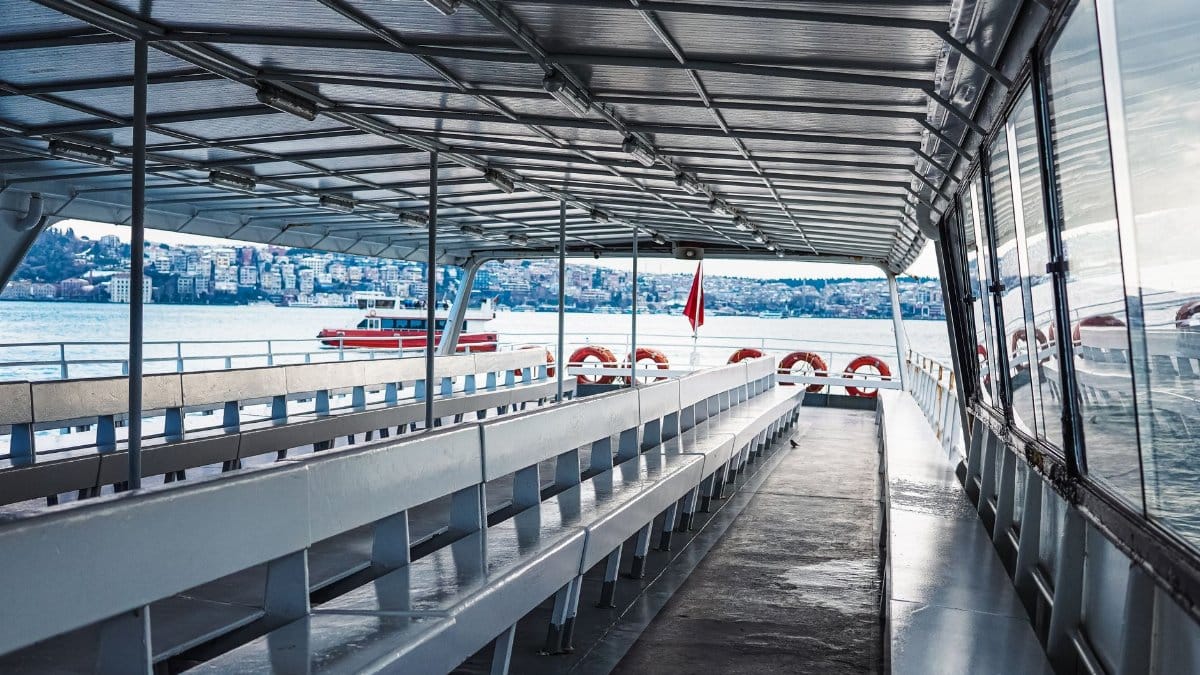
From a ferry deck the island can look small, a green shoulder in a bright strait. From a kitchen in the Richmond or the Sunset, the same fire can feel strangely intimate. Smoke finds the gaps in old windows. It settles into the story people tell themselves about whether the region is being managed or merely endured. I have stood on those decks on clearer mornings and watched the island sharpen as the boat turned, and I know how quickly that sharpness vanishes when the marine layer, or something dirtier, drops a cloth over the bay. The difference is that fog smells like cold water. This smelled like a plan gone public.
Residents are not wrong to want an accounting. They are also not owed a world in which every preventive burn is invisible. The honest civic conversation sits in that tension. If agencies hide the smoke, trust collapses when it appears. If they treat every complaint as ignorance, trust collapses another way. The halt this week was a form of listening, even if it was also a form of damage control. A clear Thursday is easier to explain than a gray one caused by your own crews.
Good fire and the trust it spends
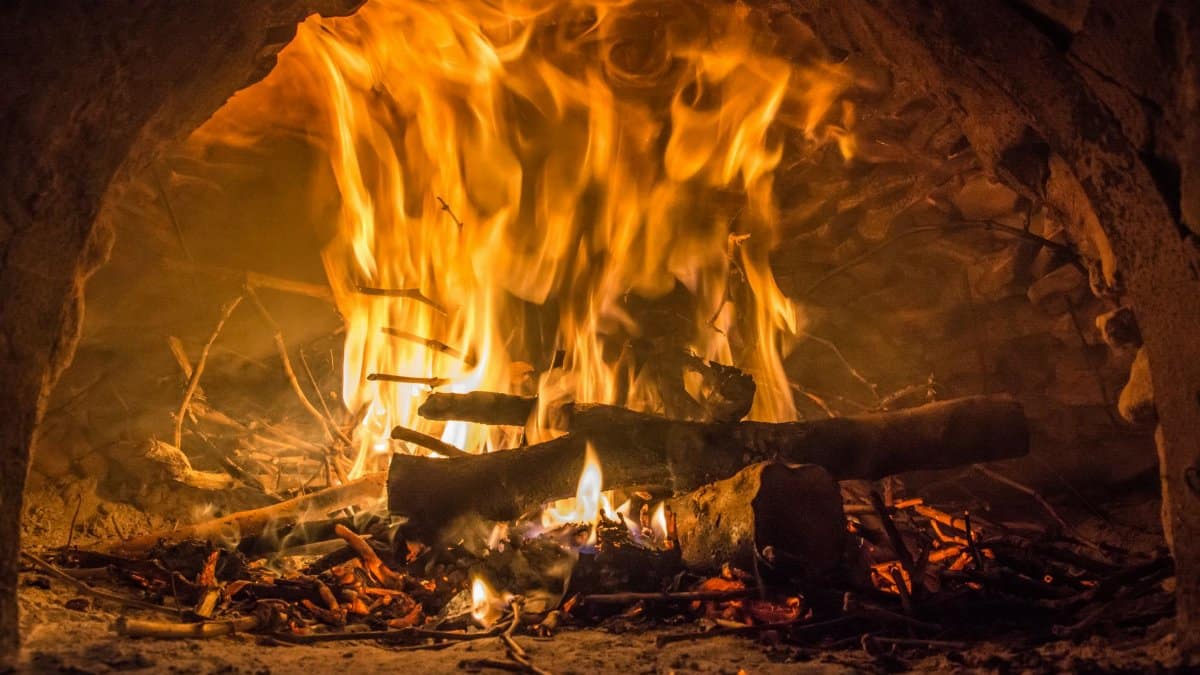
Every intentional burn spends a little public trust. Most of the time the spending is quiet: a notice on a park website, a column of smoke that drifts to sea, a successful blackline and a crew that goes home. Occasionally the spending is loud. Smoke reaches a city that was counting on blue. Someone with asthma has a worse afternoon. A photographer loses the shot they came for. The program survives those days only if the rest of the record is sturdy, and only if leaders are willing to stop when the costs jump.
Stopping is not failure in the simple sense. Wildfire policy fails when it cannot tell the difference between a fire that serves a landscape and a fire that is merely inconvenient to cancel. It also fails when inconvenience is dismissed until someone gets hurt. The Bay Area has lived through years when the sky turned orange from fires far inland, when schools closed and masks came back out for a different reason than disease. Those memories sit under every new plume. People do not grade this week’s smoke against a textbook definition of prescribed fire. They grade it against Augusts they would rather not repeat. A small, planned burn that clouds a mild week can feel, unfairly and understandably, like a preview.
Forecasts, politics, and a restless climate
Weather is no longer a neutral backdrop for these decisions. Hotter seasons, longer dry spells, and erratic wind complicate the old calendars that fire crews used to trust. A window that looks open on Monday can slam by Wednesday. A marine layer that should have scrubbed the air can stall. In that setting, calling off a burn is not only a courtesy to San Francisco. It is an admission that the atmosphere still has veto power, and that models are guides rather than guarantees.
Politics follows the smoke. City officials hear from constituents who want both safety from future wildfire and air that does not taste like a camp stove. Park managers hear from ecologists who fear that delay means more fuel next year. Fire agencies hear from both, plus from crews who prepared lines, ordered resources, and then stood down. None of those pressures is imaginary. The mature response is not a slogan about balance. It is a record of choices that can be explained in plain language: what was burned, what was stopped, what the air monitors showed, and when the work will be tried again. Without that record, every plume becomes a rumor.
After the smoke lifts
When the veil does lift, Angel Island will look, from a distance, almost unchanged. Grass will blacken in patches and green again. Trails will reopen on whatever schedule the park sets. Visitors will take the same photographs of the bridge. The argument will move off the horizon and into meeting rooms, where the next burn plan has to account for a public that now has a fresh sensory memory of this one.
The Angel Island prescribed burn will be remembered less for the acres it treated than for the morning it was not allowed to finish. That is a useful memory if it teaches restraint, and a poor one if it teaches abandonment. The region still needs fire that is chosen rather than suffered. It also needs agencies willing to lose a workday so that a city can have its warm, clear Thursday. Those two needs are not enemies. They are the terms of staying here, on a bay that carries smoke as easily as it carries light, and of treating the air above the water as something shared rather than spent.