
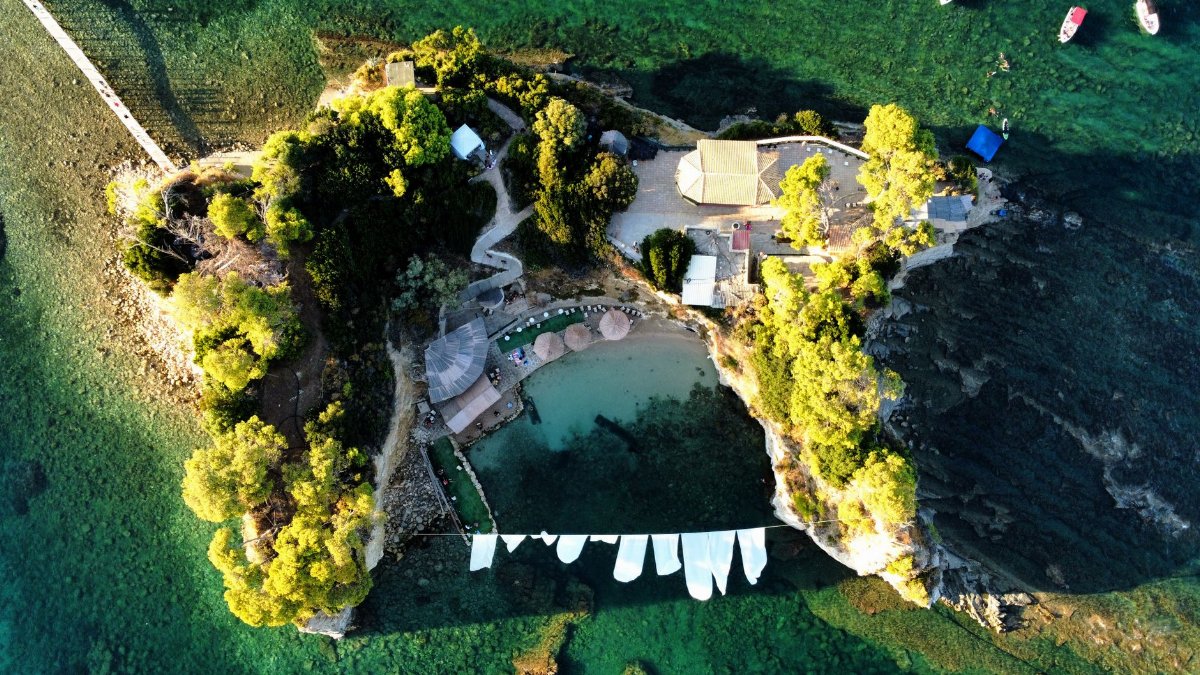
On a late spring afternoon the western edge of Placer County looks like what it is, a place of oak, warehouse roofs, and subdivisions pushing toward the foothills. Nothing in that landscape suggests a breaking wave. Yet county leaders have signed off on a plan that would plant one there anyway. Alchemy Surf Resort Placer, a Roseville area project built around a 5 acre lagoon, a hotel, and a cluster of action sports uses, is now an approved vision rather than a pitch deck. The target for breaking ground is 2027. For a county better known for commutes and creek trails than surf forecasts, the decision is both a land use story and a cultural one.
What approval actually changes

An entitlement is not a ribbon cutting. It is permission to keep designing, financing, and arguing in public about pipes, parking, and hours of operation. In practical terms, Placer County has told the applicants that an inland surf lagoon of roughly 5 acres can sit inside a larger resort plan, alongside lodging and facilities meant for people who want more than a single afternoon in the water. Regional coverage, including reporting in the San Francisco Chronicle, has framed the vote as a green light for a Roseville area complex rather than a finished construction schedule.
That distinction matters for readers who have watched splashy recreation projects stall. Approval narrows the political risk. It does not erase the cost of moving water, building a hotel, and convincing lenders that inland surf demand in the Sacramento region is deep enough to carry debt through a full season and a slow one.
A lagoon with no coastline behind it
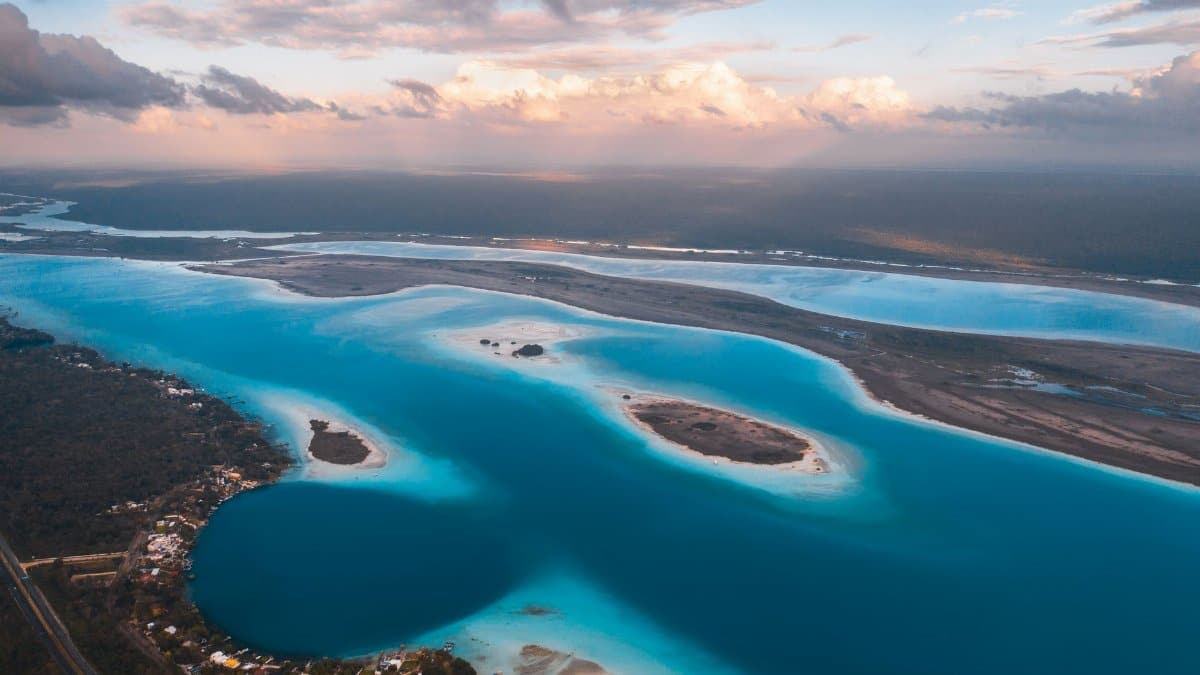
The engineering idea is no longer exotic. Wave pools and surf lagoons have opened in deserts, farm belts, and industrial suburbs, using pumps, foils, or pneumatic systems to shape a ride that looks, for a few seconds, like the ocean. What is new here is the setting. Placer County sits inland of the Coast Range. The nearest reliable surf is a long drive over bridges and through fog. Alchemy Surf Resort Placer would sell proximity instead, a lagoon close enough for after work sessions and weekend camps that do not require a dawn departure for Santa Cruz or Bolinas.
Supporters tend to describe that convenience as the whole point. Critics hear a category error, recreation imported into a watershed that already has to answer for lawns, orchards, and new rooftops. Both reactions can be true at once. Convenience is a real market. Water is a real constraint.
Who the resort is built to attract
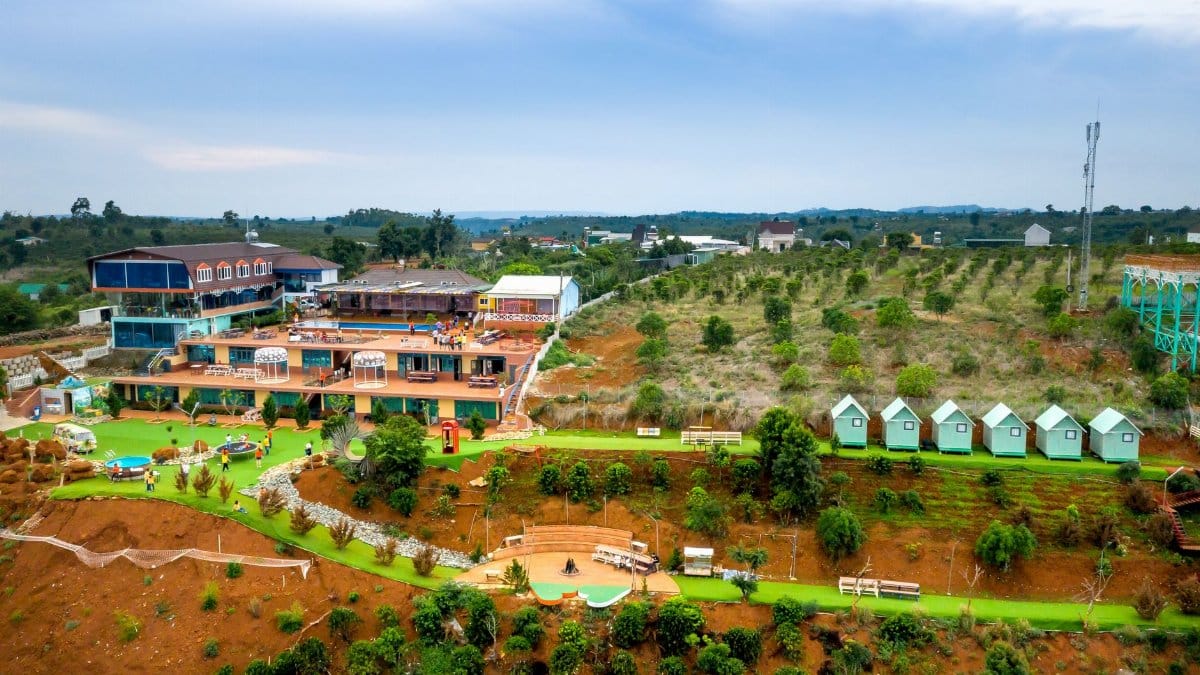
The plan, as described in public accounts of the approval, pairs the lagoon with a hotel and an action sports hub. That mix is a bet on more than local teenagers with surf dreams. Hotel rooms imply visitors from the Bay Area, the foothills, and beyond, people who might combine a conference, a family trip, or a training block with time in manufactured waves. An action sports cluster suggests skate, bike, or fitness uses that keep the property busy when the lagoon is at capacity or closed for maintenance.
Roseville and the surrounding cities already function as a retail and sports magnet for a wide suburban ring. A resort of this kind would try to stretch that role from shopping and youth tournaments into something closer to destination leisure. Whether the region wants that identity is part of what the county vote began to answer, and part of what later permits will test.
Water in a county that counts every acre foot

Any honest account of an inland lagoon has to sit with supply. A surf basin is not a backyard pool. It is a large body that loses water to evaporation, splash, and treatment, then needs a reliable source and a discharge plan that regulators will accept. California readers have spent years hearing that new ornamental water is a luxury the climate no longer underwrites. Project teams usually answer with recycled supplies, efficient liners, and the claim that a paid lagoon uses less water per visit than a scatter of private pools. Those claims deserve scrutiny in environmental review, not applause in a press release.
Placer County is not the Central Valley floor, but it is not exempt from dry years. Residents who remember mandatory cuts will ask why a wave is easier to justify than a lawn. The fair reply is not a slogan. It is a water budget, a drought contingency, and a public record that shows who pays if the numbers slip.
The hotel, the lessons, and the daily rhythm
If the lagoon is the photograph, the hotel is the business model. Rooms, food, and event space spread revenue beyond ticket sales, which rise and fall with weather, school calendars, and the novelty curve that hits every new wave pool. Lesson programs matter for the same reason. Most inland customers are not traveling surfers. They are beginners who need boards, instructors, and a way to fail in public without feeling foolish. A resort that only serves people who already surf will struggle. A resort that teaches, hosts teams, and gives parents a place to sit may last.
The 2027 groundbreaking target leaves a narrow window for design, financing, and the unglamorous work of utilities. Delays are common in projects that mix recreation technology with hospitality. Readers should treat 2027 as an ambition the applicants have stated, not as a date the county can guarantee.
Neighbors, traffic, and the politics of play

Large recreation sites rarely fail on the romance of the idea. They fail, or they scar a community, on traffic, noise, light, and the feeling that a private attraction has claimed a public road. An inland surf resort draws peaks, not a steady trickle. Weekends, holidays, and contest days can stack cars on arterials that already serve warehouses and subdivisions. County approval implies that planners believe those impacts can be managed. Management is a stack of conditions, turn lanes, shuttle plans, and operating hours that only become real when someone enforces them.
There is also a quieter political question. Who is this for, and who lives beside it. A resort priced for visitors can read as an amenity to one household and as a nuisance to the next. Alchemy Surf Resort Placer will be judged less by renderings than by whether nearby residents can still get home on a Saturday in July.
Why the name alchemy keeps surfacing

Alchemy is an old word for transformation, the hope that base material might become something rarer. Applied to a surf resort, it is marketing, and it is also a tell. California has a long habit of treating leisure as a path to a better self. Surf culture, even far from the coast, carries that habit. People talk about the water as a reset, a discipline, a small ritual that orders a week. A county approval hearing does not bless that language. It does create a stage where it will be sold.
For a publication watching spiritual trends, the interesting part is not doctrine. It is demand. Retreats, cold plunges, breath work, and now machine made waves all trade on the same hunger, a controlled encounter with something larger than a screen. Some of that hunger is sincere. Some of it is a product line. A lagoon can be both a sport and a mood. Buyers should know which one they are paying for.
Wellness culture meets a planning commission
The wellness industry has moved from boutique studios into real estate. Properties advertise recovery, nature, and community as if those words were amenities with a line item. An action sports hub next to a hotel can absorb that vocabulary without becoming a monastery. Yoga on a deck, breath sessions before a lesson, quiet hours at dawn, all of it fits a resort brochure. None of it requires the county to take a position on belief.
Still, the trend is visible enough to name. Middle aged professionals, the core audience for a lot of paid wellness, are also the customers most able to book a hotel and a surf lesson on a weekend away from kids sports and inboxes. If Alchemy Surf Resort Placer opens, part of its traffic may look less like a grom contest and more like a corporate offsite that wanted a wave instead of a ropes course. That is not a moral failing. It is a market fact, and it should shape how neighbors estimate noise, parking, and seasonality.
What the vote does not settle

Approval answers a threshold question. It does not publish a final water contract, a construction loan, or a guarantee that the technology chosen for the lagoon will perform as the videos promise. Wave systems differ. Some make a single powerful ride. Others offer a menu of smaller waves for lessons. Operating costs, injury protocols, and staffing are where glossy concepts meet Tuesday morning. Counties approve land use. Operators have to run a wet, loud, insurance heavy business.
Readers looking for a verdict should wait for those later documents. The honest headline today is narrower. Placer County has said yes to the idea of an inland surf resort with a 5 acre lagoon, a hotel, and room for action sports, with groundbreaking hoped for in 2027. Alchemy Surf Resort Placer now has a political path. It still needs money, water, and a public that shows up after the first season of curiosity fades.
A California habit, relocated
I have stood in plenty of parking lots where the ocean was a rumor and the line for a manufactured wave was not. The people in those lines were not confused about geography. They wanted a feeling that used to require a coast, and they were willing to pay a company to stage it. That trade is spreading. Placer County has decided it can happen beside Roseville, not only in surf towns with a pier and a foghorn.
Whether that is progress depends on the ledger you keep. If the ledger is access, an inland lagoon shortens the distance between a suburban week and a sport that has often been a coastal privilege. If the ledger is water, habitat, and traffic, the same project asks a dry region to host a wet spectacle. Alchemy Surf Resort Placer sits on that fault line. The county vote did not close it. It drew the map, set a year, and left the harder accounting still ahead.