
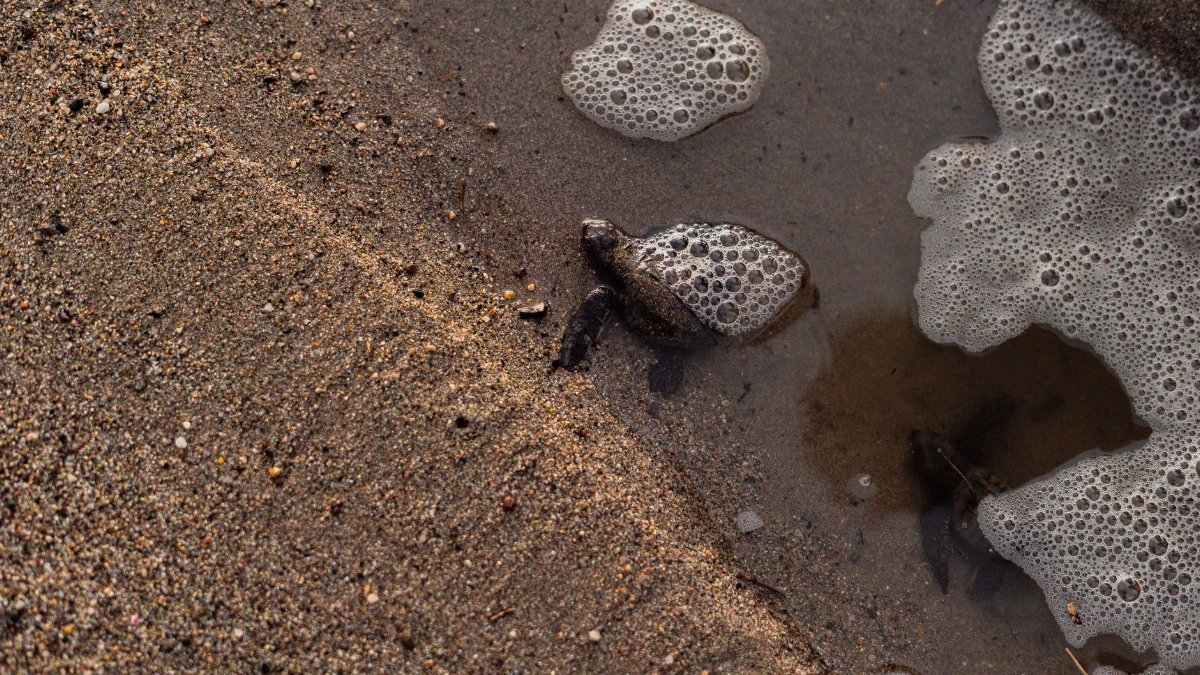
Before sunrise the sand at Seal Beach still held the heat of a restless night, and a small crew of biologists knelt where the tide had begun to argue with the nest. They were not there to admire a curiosity. They were there to move Orange County turtle eggs before storm surf could finish what the rising water had started. The work was quiet, careful, and oddly intimate for a county better known for surf contests and traffic.
A nest that did not belong to the usual map
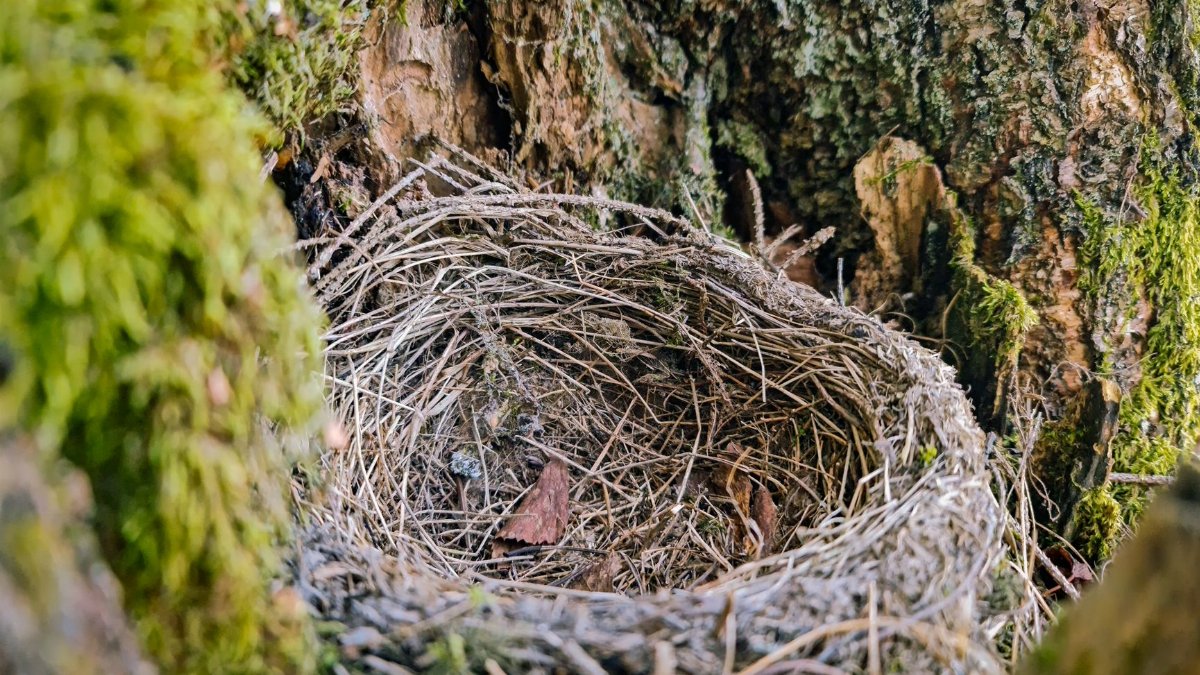
Olive ridley sea turtles are famous on Pacific beaches far to the south, where tens of thousands may come ashore in a single arribada. Southern California is not that place. A nesting olive ridley here is an event people text to one another, then drive down to see from a respectful distance. This season the surprise was not one nest but a cluster of them, scattered between Seal Beach and Huntington Beach, close enough to houses, lifeguard towers, and weekend crowds that every high tide felt like a verdict.
Biologists with state and local partners had been watching the sites for days. The eggs were viable. The sand was warm. The problem was not the mothers, who had already returned to the sea. The problem was water. A Pacific storm, fed by hurricane driven swell, was pushing surf higher than the nests could tolerate. Salt water does not negotiate. Once it reaches a clutch, the embryos can drown in a matter of hours.
Why waiting was no longer an option

Relocation is not the first choice for people who study sea turtles. A nest is a precise arrangement of eggs, moisture, and depth, chosen by an animal that has been doing this longer than any coastal city has existed. Moving that arrangement risks crushing shells, chilling embryos, or setting them at the wrong angle. In ordinary weather, the better course is often to leave the nest alone and keep people and dogs away.
Ordinary weather was not on offer. Forecasts called for days of elevated surf, the kind that rearranges a beach overnight and leaves kelp where volleyball nets stood the afternoon before. The nests sat low enough that even a moderate set could reach them. Officials described the transfer as unprecedented for this stretch of coast, a judgment reported by the Los Angeles Times in its account of the operation at latimes.com. More than 200 eggs were at stake. Leaving them was a gamble the team decided it could not take.
Hands in the sand, and a clock

The excavation looked, from a distance, like any other careful dig on a public beach. Up close it was slower. Workers cleared sand by hand, marking depth as they went, until the first pale shells appeared. Each egg was lifted without rotation when possible, nested into a container of damp sand, and shielded from sun and wind. Nobody rushed, and nobody treated the moment as a photo opportunity, though phones were everywhere beyond the tape.
Transport was short in miles and long in attention. Seal Beach to Long Beach is a drive many residents make without thinking. On this morning the cargo changed the mood in the vehicles. Coolers and bins were braced. Radios stayed low. The destination was a stretch of sand chosen because it sat higher, farther from the expected runup, and under watch by people who already knew how to guard a nest through incubation. The move was a rescue, not a experiment in tourism.
What the embryos actually need
An olive ridley egg is not a sturdy object. The shell is leathery, built to exchange air and moisture with the surrounding sand. Temperature during incubation influences how long development takes and, in sea turtles generally, can influence the sex ratio of the clutch. Too cool, and the clock slows. Too hot, and the embryos fail. Too wet with seawater, and the microscopic breathing of the egg stops.
That is why the receiving nest had to be more than a hole. Crews rebuilt depth and cover to resemble the original chambers as closely as field conditions allowed. They recorded the new locations, set perimeter markers that a casual walker might miss, and arranged a watch schedule. The point was not to display the eggs. The point was to give them the same dark, steady burial the mothers had attempted, minus the surf that had made the first burial impossible.
Long Beach as a borrowed nursery
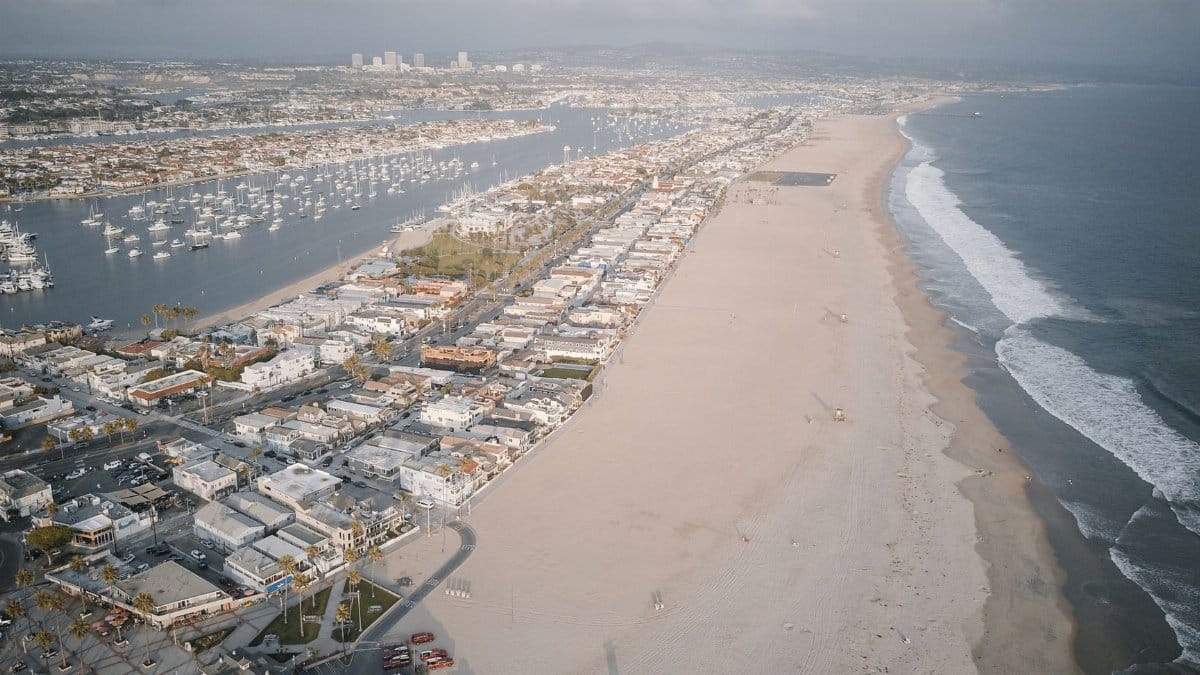
Long Beach did not ask to become a nursery for Orange County turtle eggs, and the city will not keep them. If the transfer works, the hatchlings will dig out on their own, orient toward the brighter horizon of the ocean, and leave. What the city offered was elevation, access for trained monitors, and a public that has grown used to sharing sand with unexpected wildlife, from least terns to the occasional wayward seal.
Still, a nest on an urban beach is a fragile treaty. Lights from piers and parking lots can disorient hatchlings. A single curious dog can undo weeks of patience. Volunteers and agency staff planned to do what they always do in these cases: explain, redirect, and stay later than is convenient. The spiritual language some onlookers reached for, words about stewardship and awe, was not required for the science to be sound. It did explain why strangers stood quietly at the tape instead of arguing for a better view.
The mothers who will not know

Sea turtles do not tend a nest. Once the eggs are laid and covered, the female returns to open water and does not come back to check on them. She will not know that a storm rearranged the map, or that human hands finished a job the tide threatened to ruin. That absence is easy to sentimentalize and worth resisting. The animal did her part. The rest is physics, predation, and, in this case, a decision by people who have spent careers trying not to interfere until interference is the lesser harm.
Huntington Beach and Seal Beach have their own rhythms: morning swimmers, anglers, the low thunder of the Pacific Coast Highway. A nesting turtle cuts across those rhythms without asking. Residents who saw tracks at dawn described a feeling closer to hush than to excitement. One does not need to believe the ocean is sending a message to recognize that a rare animal chose a crowded county, and that the county then had to choose back.
Storms, lights, and a warming Pacific
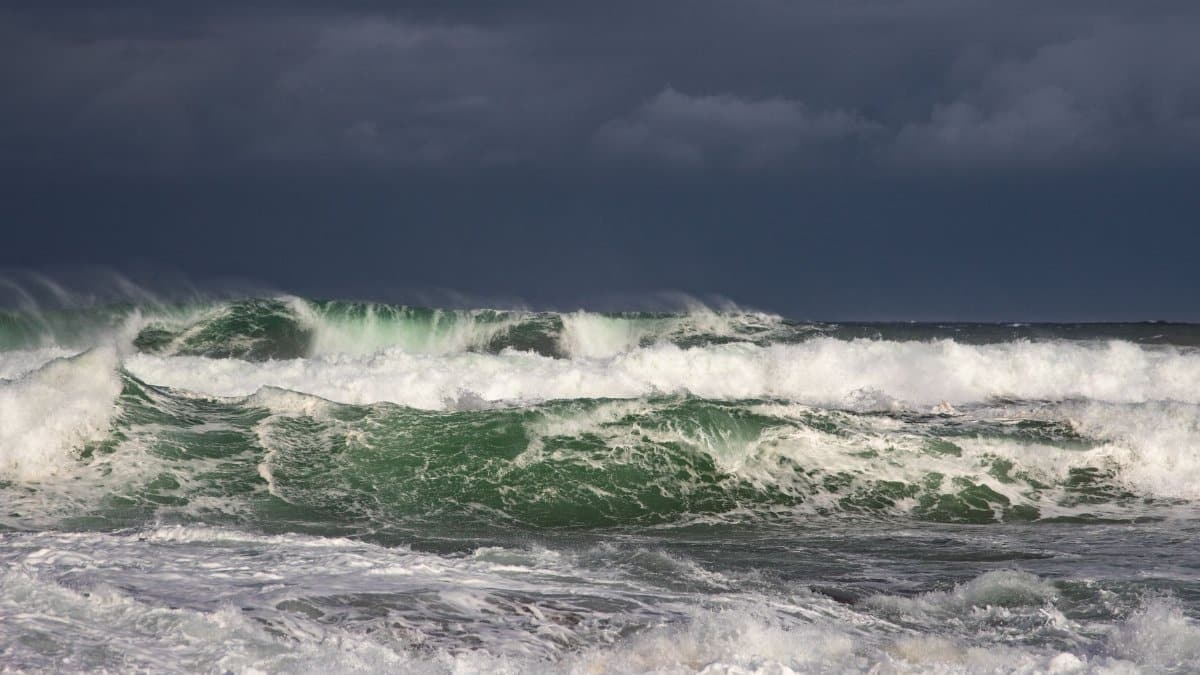
No single nest proves a trend. Biologists are careful about that, and they should be. Olive ridleys have appeared sporadically in the region before. What has changed is the background: warmer nearshore water in some years, beaches squeezed by development, and storms that arrive with more water behind them. A hurricane does not have to make landfall in California to matter. Swell travels. It lifts the ordinary tide into something that erases the margin where a nest can survive.
The same coast is also brighter at night than it was a generation ago. Hatchlings that do emerge will still have to find the sea past glow from streets and storefronts. Moving eggs away from surge does not solve that second problem. It only buys the chance to face it. Agencies already ask beach towns to shield lights during known nesting and hatching windows. This episode makes the request less abstract. A protocol on paper is one thing. Two hundred eggs in a bin on a front seat is another.
How the public can help without getting closer

The useful help is mostly negative. Do not dig. Do not follow tracks to their end and post the coordinates. Do not fly a drone over a marked site for a better angle. If you see a turtle on the sand at night, give her room, keep lights off, and call the number posted by local lifeguards or wildlife officers. If you see hatchlings in daylight, they may already be in trouble, and the right move is still a phone call rather than a bucket.
That restraint is harder than it sounds in a place where every unusual animal becomes content within minutes. The team that moved the clutches did not need an audience. They needed a clear path, accurate forecasts, and a receiving beach that would stay quiet after the cameras left. Curiosity is not a sin. Interference is. The difference is whether you are willing to leave without a picture.
What would count as success

Success, if it comes, will be undramatic. Weeks from now a depression in the sand may open from below. A scatter of tiny turtles may cross a few yards of beach and vanish into foam. Monitors will count what they can, note what they cannot, and file the numbers with the agencies that track rare nests. Some eggs will not hatch. That is true on the quietest tropical beach in the world. Relocation does not promise a perfect clutch. It promises a chance that storm surf had been about to erase.
Failure would be quieter still: a nest that stays still, a later excavation that finds only unhatched eggs, a lesson written into the next protocol. Either outcome will matter beyond this county. Other California beaches may face the same choice if olive ridleys, or leatherbacks, or green turtles, come ashore in a season of high water. The people who carried these eggs will be asked what they would repeat and what they would refuse. That conversation is part of the work, not a sequel to it.
A county learning the shape of care

I walked a similar tide line years ago after a winter storm and found the beach rewritten, stairs gone, a lifeguard tower standing in a new puddle. Nothing alive depended on my noticing. This time something did. Orange County turtle eggs are a strange phrase to hold in the mouth, a collision of freeway exits and an ancient animal. The collision is now literal. The eggs are in Long Beach because Seal Beach and Huntington Beach could not keep the ocean off them.
There is no moral hidden in a hurricane swell, and no need to invent one. There is a record of what people did when a rare nest met a forecast they trusted. They knelt, they lifted, they drove a short distance with unusual cargo, and they asked the rest of us to stay back. If the hatchlings make the water, the ocean will not thank anyone. It will simply be a little less empty than it would have been after the surf came in. That is a modest hope. On this coast, modest hopes are worth the trouble of carrying.