
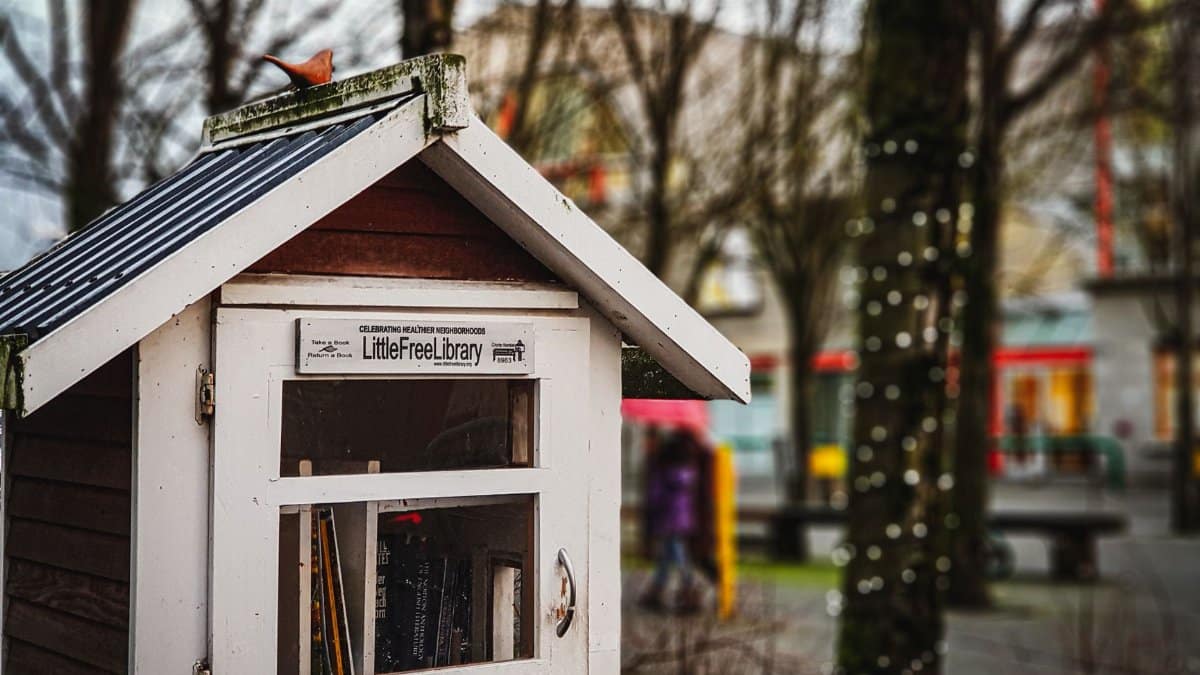
On a bright September morning, the usual choreography at a suburban transfer point is small and exact. A bus sighs at the curb. A rider checks a phone. Someone shifts a grocery bag from one hand to the other. Into that ordinary pause, Pace set down something that does not beep or announce a route. For Pace Dolly Day libraries, the suburban bus agency marked Sept. 25 with free book boxes at transfer stations, a gesture reported by the Chicago Tribune and easy to miss if you were only watching the headsign. The boxes ask almost nothing. Take a book. Leave a book. Stand there a minute longer than the schedule requires, and the wait starts to look like a room.
What the agency actually put outside
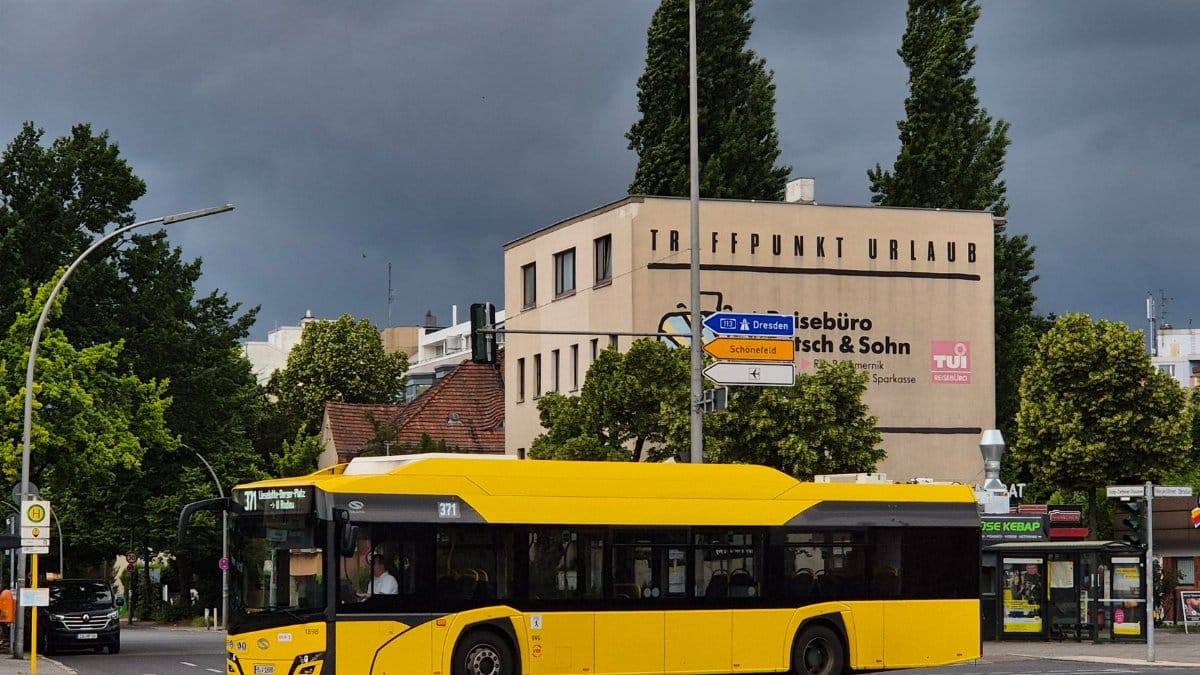
Pace is the bus service that stitches together the counties around Chicago, the rides that begin where the elevated trains thin out and end at malls, hospitals, colleges, and park and ride lots. On Sept. 25 the agency chose transfer stations, the places where one route hands a person to another, and installed free book boxes. The Chicago Tribune account, published the same day, framed the installations as a marking of Dolly Parton Day rather than as a new fare product or a pilot with a consultant attached. That restraint is part of the story. A public agency spent a morning associating itself with paper, not with an app update.
Readers who want the originating report can find it in the Tribune under the headline about Pace and little libraries. What follows here is less a recap of every stop than a look at why a box of used novels belongs, strangely and sensibly, beside a bus bay.
A name that carries more than a melody

Dolly Parton does not need a transit agency to introduce her. She is a songwriter, a businesswoman, and, for a great many Americans who will never see the Smokies, the person who made literacy feel like a gift instead of a scolding. Her Imagination Library, begun in her home county in Tennessee in the mid 1990s, mails a book each month to enrolled children from birth until they start school. The program has since spread far past Sevier County. Families register. A book arrives. No one at the mailbox has to prove they deserved it.
That last point matters when a bus agency borrows her name. Parton has long said her father could not read, and that the shame of that fact sat beside the love. The Imagination Library, described on its own site at imaginationlibrary.com, is built to interrupt that shame early. A local Dolly Parton Day, whenever a town or an agency chooses to mark it, is less a fan club meeting than a reminder that fame can be spent on something as plain as a picture book.
The small house with a glass door

The little library is a cousin of that idea, not a copy. The Little Free Library movement, catalogued at littlefreelibrary.org, traces itself to a wooden schoolhouse Todd Bol built in Hudson, Wisconsin, in 2009, in honor of his mother, a teacher. Neighbors took books and left books. The object spread because it was copyable: a box, a door, a sign that says the books are free. Charter programs and unofficial cousins now sit on lawns, in parks, and outside cafes. Some are charming. Some are weathered. All of them depend on a trust that is almost old fashioned. You may take what you did not pay for, and you are invited, not ordered, to put something back.
Pace Dolly Day libraries sit in a harder landscape than a front yard. A transfer station is wind, diesel, schedules, and people who did not come to browse. A box there has to earn its keep in the few minutes between the arrival of one bus and the departure of another. That is a stern test for any civic ornament.
Waiting as a room you did not rent

Anyone who has stood at a suburban pulse point knows the texture of those minutes. The shelter may be glass and metal. The bench may be occupied. The phone may be low on charge. A paperback is not a solution to late service, and it would be foolish to pretend that a novel repairs a missed connection or a fare the rider can barely spare. What a book can do is change the quality of the wait. It gives the hands something that is not a screen. It gives the mind a door that opens inward while the body stays on the platform.
There is a quiet spiritual note in that, if the word is allowed to mean attention rather than doctrine. Many religious traditions treat hospitality as a duty owed to the stranger. A book box is a thin version of that duty. It does not ask your name. It does not sort you by neighborhood. It assumes you might want a story, and that wanting is enough.
Why a bus agency would bother
Transit agencies are judged on frequency, reliability, and whether the bus came at all. A wooden box will not move those numbers. So the question is fair: why spend staff time, however modest, on books?
One answer is cultural, and it is not soft headed. Riders are not only customers. They are people moving through public space with children, with grief, with a night class, with a shift that starts before the coffee is ready. A system that only speaks in announcements begins to sound like a machine talking to cargo. A system that occasionally speaks in gifts admits that the person on the bench has an inner life. Pace Dolly Day libraries, as described in the Tribune report, make that admission in the most literal way available to a maintenance crew: they leave objects that can be carried home.
Another answer is practical. Transfer stations already gather people who are not shopping and not working, at least for a few minutes. They are a public living room with bad lighting. Putting books there uses a crowd the agency already has, instead of asking that crowd to travel somewhere else for a library program.
What the boxes can and cannot hold

A free book exchange lives or dies by what people leave. At their best, the shelves mix paperbacks, children’s picture books, a repair manual, a book of poems nobody meant to discard. At their worst, they become a dump for water damaged hardcovers and outdated textbooks. Stewardship is the unglamorous half of the romance. Someone has to check that the door still latches, that rain has not curled the pages, that a box at a station does not become a place to abandon things that are not books.
Pace has not, in the public account available, promised a permanent librarian at each bay. Nor should riders expect one. The honesty of these projects is that they are small. They work when neighbors, or in this case riders and staff, treat the box as a shared cupboard rather than as a stunt. If the shelves empty and stay empty, the tribute to Parton thins into a photo opportunity. If they turn over, the tribute keeps its meaning.
Children, and the adults who still need a plot
Parton’s own program is aimed at the years before kindergarten, when a book in the mail can become a ritual between a child and whoever is raising that child. A station box serves a wider age. Teenagers killing time. Workers on a split shift. Older riders who grew up when a library card was a serious possession and who now find the nearest branch branch hours inconvenient. The spiritual trend worth noticing is not a new denomination. It is the return of shared objects in a decade that keeps trying to rent us our own attention.
I have stood in shelters where the only text in sight was a warning about loitering. A novel on a shelf does not repeal that sign. It does suggest that the agency can imagine the rider as a reader. That imagination is a form of respect, and respect is not a luxury item on a suburban route.
The geography of a handoff
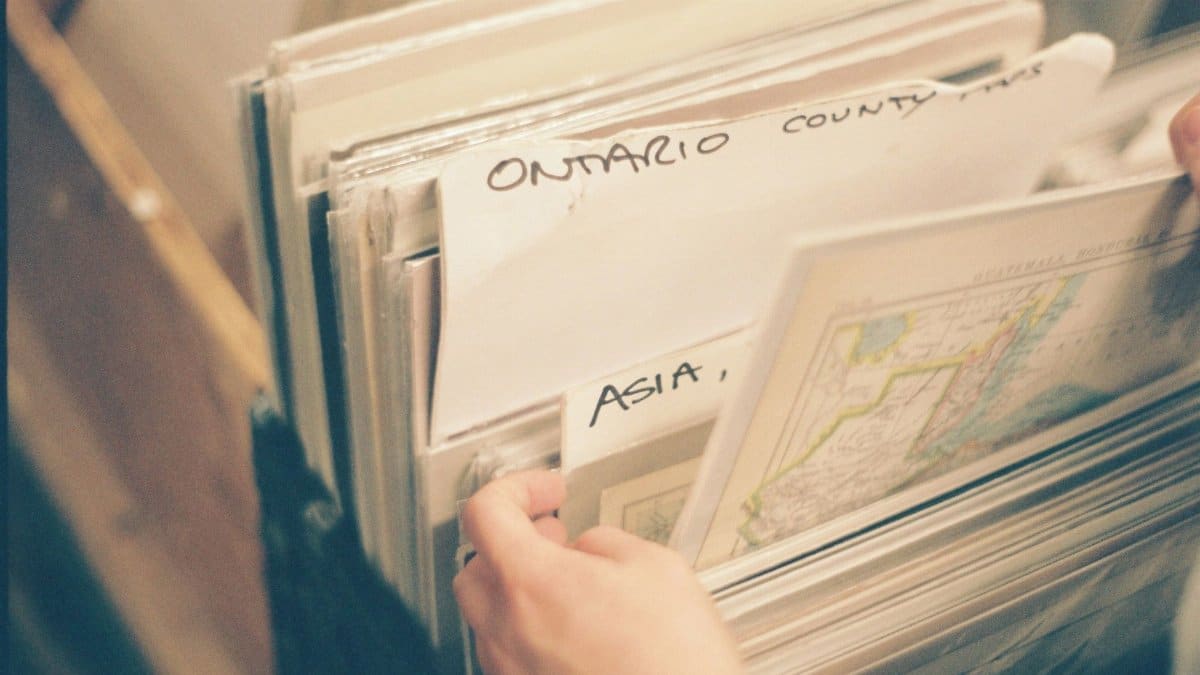
Transfer stations deserve a closer look because they are where a region admits it is one place. A person leaves a local bus and waits for another that will cross a municipal line. The taxes, the school districts, and the police departments may change at that line. The wait does not. A book left by someone from one town and taken by someone from another is a small crossing that no map bothers to draw. Pace Dolly Day libraries, placed at those handoff points rather than in a single downtown showcase, honor the actual shape of suburban travel. The gift is distributed the way the service is distributed: in pieces, across a wide map, easy to overlook from a car on the tollway.
That placement also limits the boast. These are not grand reading rooms. They will not replace the public library branches that still do the heavy work of reference, computers, and children’s story hours. They are supplements, the way a bench is a supplement to a route. Confusing the two would be a mistake, and a convenient one for any official who would rather build a box than fund a branch.
Fame, used locally
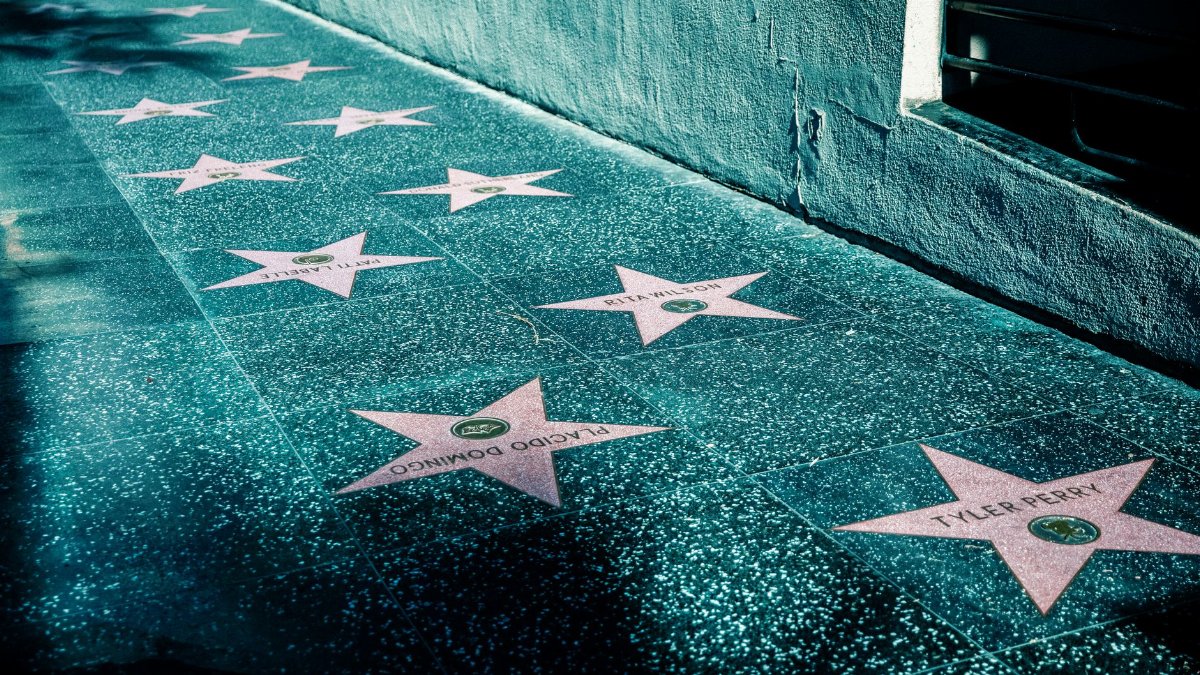
There is a risk in attaching a global celebrity to a local shelf. The name draws the camera. The camera leaves. What remains is plywood and weather. Parton has spent decades showing that a famous person can keep a promise to people who will never buy a ticket. A transit agency cannot borrow her voice. It can only borrow the pattern: give the thing away, do not means test the reader, and let the object do the talking.
Seen that way, Sept. 25 is less a holiday on a national calendar than a date a public body chose to align itself with that pattern. Alignment is cheap if it ends at a press note. It becomes something else if, next month, the boxes are still there and still full enough to matter.
A habit, not a halo

None of this requires a sermon. The riders who take a mystery novel are not joining a congregation. They are shortening a wait, or feeding a habit, or finding something to read to a child on the second bus. The spiritual content, if it must be named for readers who look for it, is simply this: a common good that does not scan a card. In a fare system, almost everything scans. The exception is instructive.
Communities around the country have learned that little libraries fail when they are treated as decorations and last when someone nearby feels responsible. Stations have staff. They have regulars. They have, on many routes, the same faces at the same hour. That repetition is a kind of parish, though nobody would put the word on a timetable. It is enough to keep a shelf honest.
What a reader can do with the morning

If you ride Pace, the practical invitation is plain. Look for the box at the transfer point. Take a book if you need one. Leave one if you have finished one and can spare it. Do not leave trash, and do not treat the shelf as a place to offload what a donation bin would refuse. If the door sticks, tell someone in a vest. Small maintenance is the whole secret.
If you do not ride, the invitation is still available in a different form. The Imagination Library takes enrollments for young children. Neighborhood boxes, the ones on lawns and outside bakeries, take paperbacks. A bus agency’s experiment does not exhaust the idea. It shows that the idea can survive fluorescent light and a posted schedule.
After the cameras leave the bay

Public gestures are easy to mock, and some deserve it. A book box will not fix headways. It will not settle a labor dispute or fill a budget hole. Judged as transportation policy, Pace Dolly Day libraries are a footnote. Judged as a statement about who is standing in the cold, they are a sentence worth reading twice. The agency said, in objects rather than in a slogan, that a person waiting for a bus might also be a person in the middle of a chapter.
That is a modest claim. Modesty is what makes it credible. Parton built a reputation on songs that sound simple until you notice the craft, and on a book program that sounds sentimental until you count the mornings it changes. A suburban bus system will not match either achievement. It can, on a September day and on the days after, keep a door closed against the rain and a shelf open to whoever steps off the coach. The rest is up to the hands that take a book and the hands that bring one back.