
On a humid weekday morning in late September, blue and white envelopes began landing in mailboxes from Hialeah to Hollywood, the first visible sign that another election season had left the planning room and entered ordinary kitchens. South Florida mail ballots started going out from Miami Dade and Broward on September 24 for the November 3 vote, alongside notices about drop off locations and early voting. For many households the envelope is easy to set aside. For election offices it is the start of a long, public counting process that depends on signatures, timelines, and a voter who actually opens the mail.
What the first wave of envelopes actually means
A ballot in the mailbox is not a suggestion that the race is already decided. It is an invitation to vote on a schedule the voter controls, within rules the counties do not control. Miami Dade and Broward began that mailing on the same September date, which matters in a region where two large counties share media markets, commutes, and family networks. A person who lives in one county and works in the other can easily mix up deadlines that look similar in a headline and differ in the fine print on a return envelope.
The practical meaning is simpler than the political noise around it. The ballot is a paper record. It has contests, instructions, and a signature line. Treating it like junk mail is the most common way it fails. Treating it like a legal document, which it is, is the easiest way it succeeds.
Why September feels early for a November vote
Voters often ask why ballots leave the warehouse more than a month before Election Day. The answer is logistics, not drama. Printing, inserting, addressing, and moving hundreds of thousands of packets takes time. So does the return trip through the postal system, a county receiving room, and a signature review. Starting on September 24 gives households room to correct a missing ballot, update an address, or decide they would rather vote in person after all.
That cushion shrinks fast for people who travel, work nights, or share a mailbox with several adults. In South Florida, seasonal residents add another wrinkle. A ballot sent to a summer address may sit unopened while the voter is already back in town, or the reverse. The early date is a gift only if someone notices it.
How Miami Dade and Broward are running parallel operations
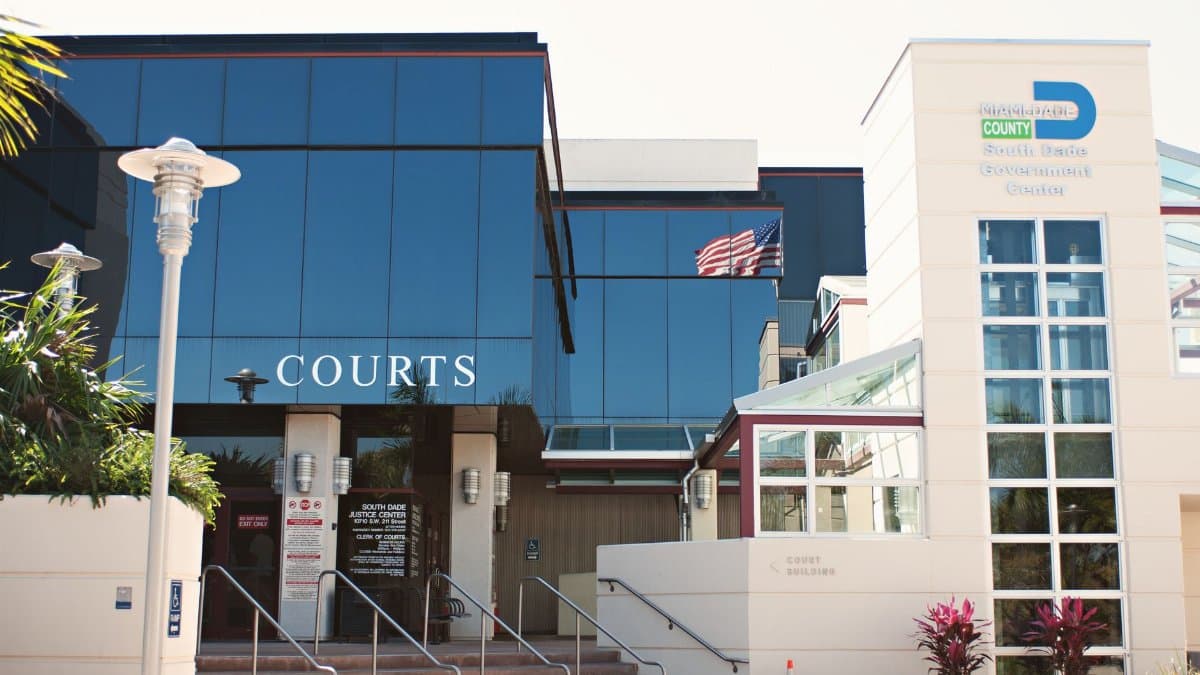
The two counties are not a single election office with two front doors. Each prints its own ballots, staffs its own phones, and publishes its own list of sites. A voter registered in Broward cannot drop a Miami Dade ballot into a Broward box and expect it to count. The envelopes look related because the state form is related. The destination is not interchangeable.
That distinction is worth repeating at the dinner table. Adult children helping parents, neighbors comparing sample ballots, and campaigns handing out generic instructions all tend to blur county lines. The envelope itself is the authority. The return address and the voter’s name have to match the registration, not the most convenient office on the way to work.
Drop off choices and the clock on Election Day
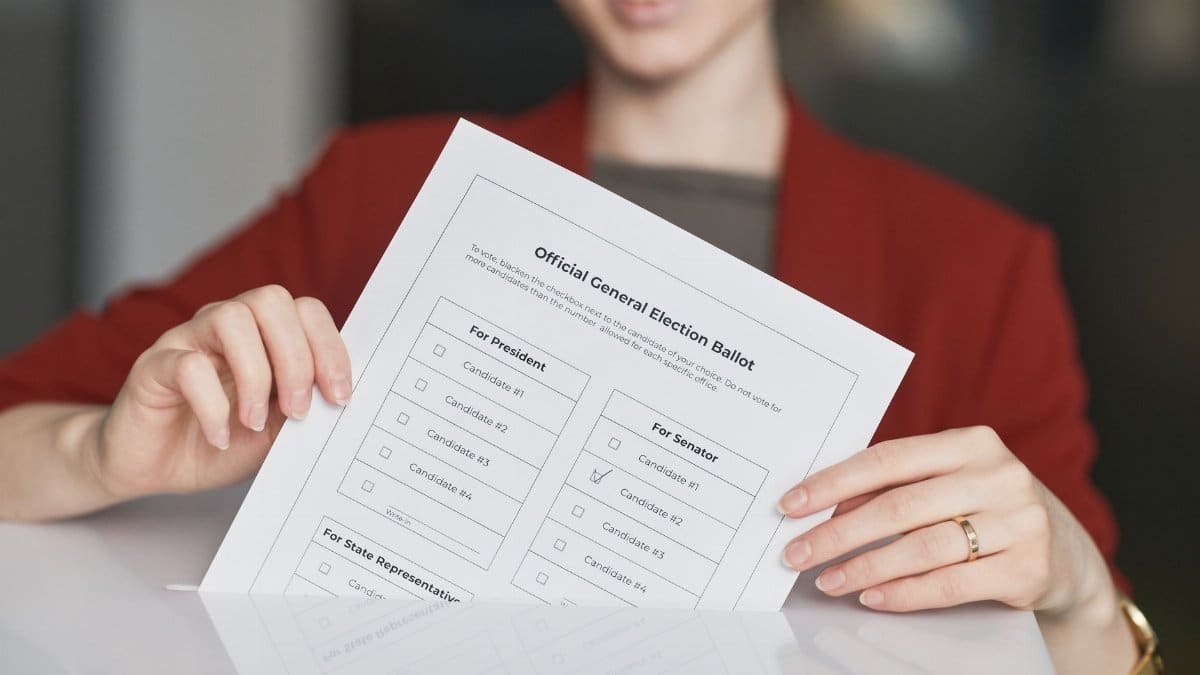
Mail is one path. It is not the only path. Counties list secure drop off options so a voter who worries about postal timing can still use the paper ballot that already arrived. Early voting sites offer another route for people who want a machine, a poll worker, and a same day confirmation that they showed up. The meta point of this season’s notices is that those options sit beside the mailed packet, not instead of reading it.
Florida voters should not treat a late postmark as a guarantee. The safer habit is to return a ballot early enough that the county can log it, or to use an official drop off point before the close of polls on November 3. Anyone unsure of the exact receipt rule should check the county guide or the state elections division rather than a social media screenshot. The Florida Division of Elections keeps statewide voting information, while Miami Dade Elections and Broward County elections publish local sites and hours.
Signatures, cures, and the unglamorous way ballots get rejected
Most rejected mail ballots fail for ordinary reasons. A signature does not match the one on file. A signature is missing. The envelope arrives after the legal cutoff. These are not obscure technicalities. They are the points where a careful voter and a rushed voter part ways.
Counties notify voters when a signature problem can still be fixed, a step often called a cure. The window is real and it is short. A voter who has moved, changed a name, or signs mail with a quick scribble unlike the registration card should slow down before sealing the envelope. Comparing the signature to an old driver’s license is not paranoia. It is the difference between a counted vote and a phone call that comes too late.
Security worries without the mythology
Mail voting attracts two opposite myths. One says the system is porous and casually stolen. The other says every objection is bad faith. Neither helps a person standing at a kitchen counter with a pen. Paper ballots leave a trail. They are associated with a registered voter. They are reviewed. Campaigns, parties, and observers watch pieces of the process. None of that makes error impossible. It does make casual mass substitution harder than a viral post implies.
The more useful security question is local and small. Did this ballot reach the right person? Is the return envelope intact? Did the voter sign it? Will it be back before the deadline? Those questions protect a single vote. Grand theories rarely do.
Who is most likely to set the envelope aside
The voters most at risk are not a single party or age group. They are people with unstable housing, new registrations, shared mailrooms in condominium towers, and jobs that keep them away from home during delivery hours. High rise buildings in Miami Dade and Broward are a particular choke point. A package room, a temporary doorman, or a neighbor who “helps” by stacking mail can delay a ballot past the point where a replacement is easy.
Caregivers matter here. An adult child who handles a parent’s bills can also handle the ballot, but only the voter may mark it. Assistance with reading, translation, or getting to a drop box is lawful help. Marking choices for someone else, unless a legal assistance rule clearly allows it, is not. Families should talk about that line before anyone reaches for a pen.
Language, design, and the ballot as a reading test

South Florida ballots often arrive in a region where English is not the only language at the table. Instructions that seem plain to a county lawyer can feel dense to a first time voter or to someone reading a second language after a long shift. Sample ballots, published before the personal ballot arrives, are the best rehearsal. They let a household argue about amendments and local races without ink on the official page.
Design is part of access. A crowded contest list, a judicial race with unfamiliar names, and a long amendment summary all reward patience. Reading once, marking a sample, then transferring choices reduces stray marks. Stray marks are not a conspiracy. They are how paper gets ambiguous, and ambiguous paper slows everyone.
What to do when the ballot never shows up
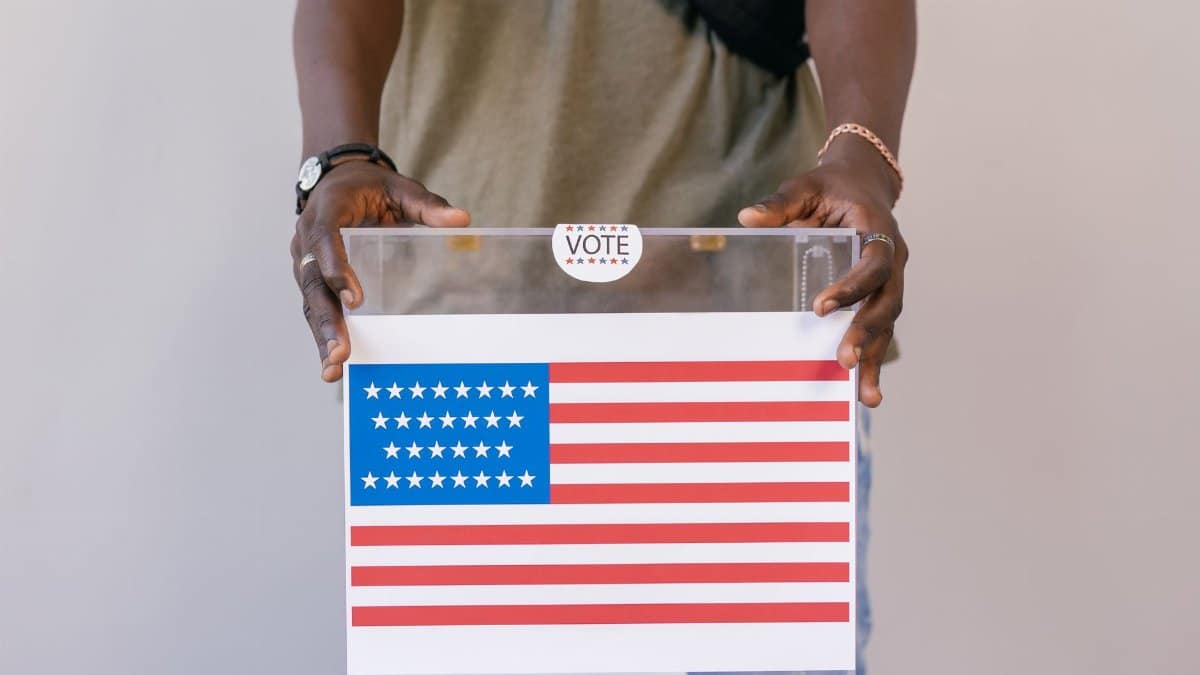
Silence from the mailbox is information. If neighbors have envelopes and yours has not arrived within a reasonable stretch after September 24, call the county. Do not wait until the last weekend. A replacement can be issued. A registration address can be checked. In some cases the voter will learn the request was never completed, or that an old address is still on file.
Voting in person remains available for many people whose mail ballot is lost, spoiled, or simply unwanted, provided they follow the county’s rule for canceling or surrendering the mailed ballot. That step exists to stop two ballots from the same voter entering the count. It is a safeguard, not a trap, but it does require showing up with enough time and the right identification.
The work happening after the envelope leaves home
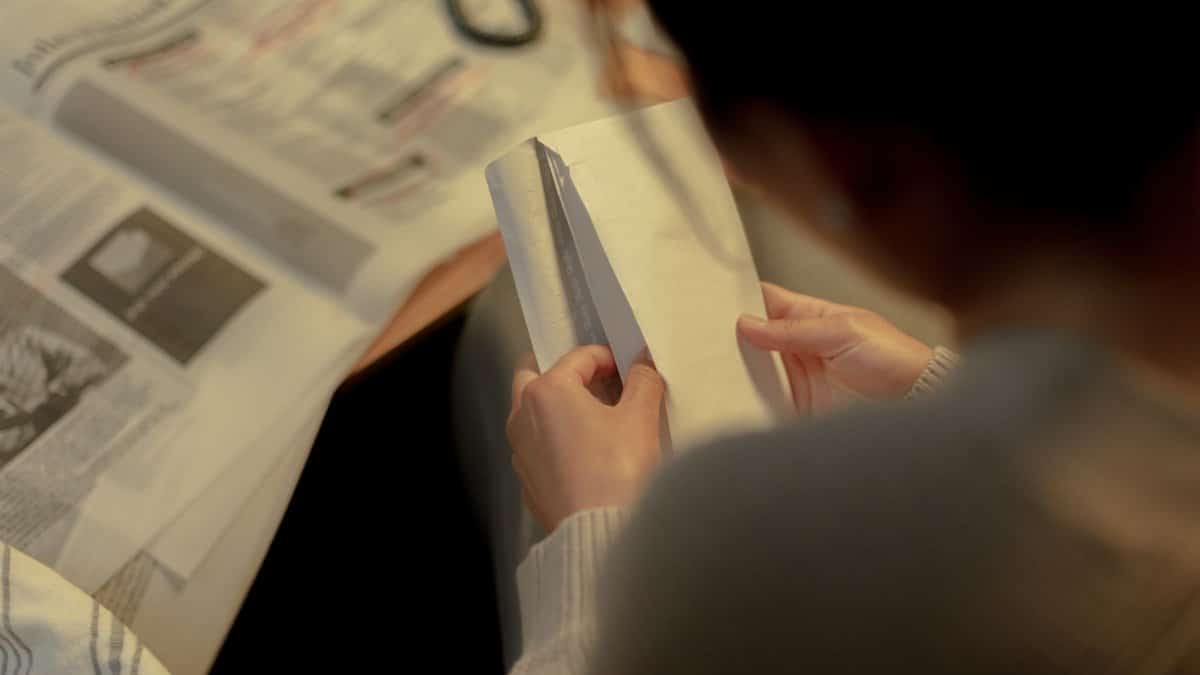
Once a ballot returns, the visible part of voting is over for that person and the invisible part begins. Staff log receipts. Teams compare signatures. Ballots are separated from identifying envelopes at the legally permitted stage so the secret ballot stays secret. None of this is instant, and none of it requires a television studio. Early returns of South Florida mail ballots give offices a chance to cure problems while voters can still be reached, which is why waiting until November 2 is a gift to nobody.
Observers and party lawyers will argue about margins. Voters do not need to join that argument to protect their own envelope. They need a correct address, a matching signature, and a return path that beats the cutoff.
Campaigns, churches, and the noise around a quiet act

In the weeks after the first mailing, campaigns will knock, text, and call. Congregations and civic groups will host forums. Some of that contact is useful, especially when it points people to official sites rather than to a volunteer’s memory. Some of it is pressure dressed as help. A voter can accept a ride to a drop off site and still refuse to show anyone how the ballot is marked.
The healthiest civic habit in this stretch is boring. Read the ballot. Ask the county, not a stranger, when a rule is unclear. Decide early enough that a mistake can be fixed. November 3 will feel loud. The choice itself does not have to be.
A short checklist before the date on the calendar
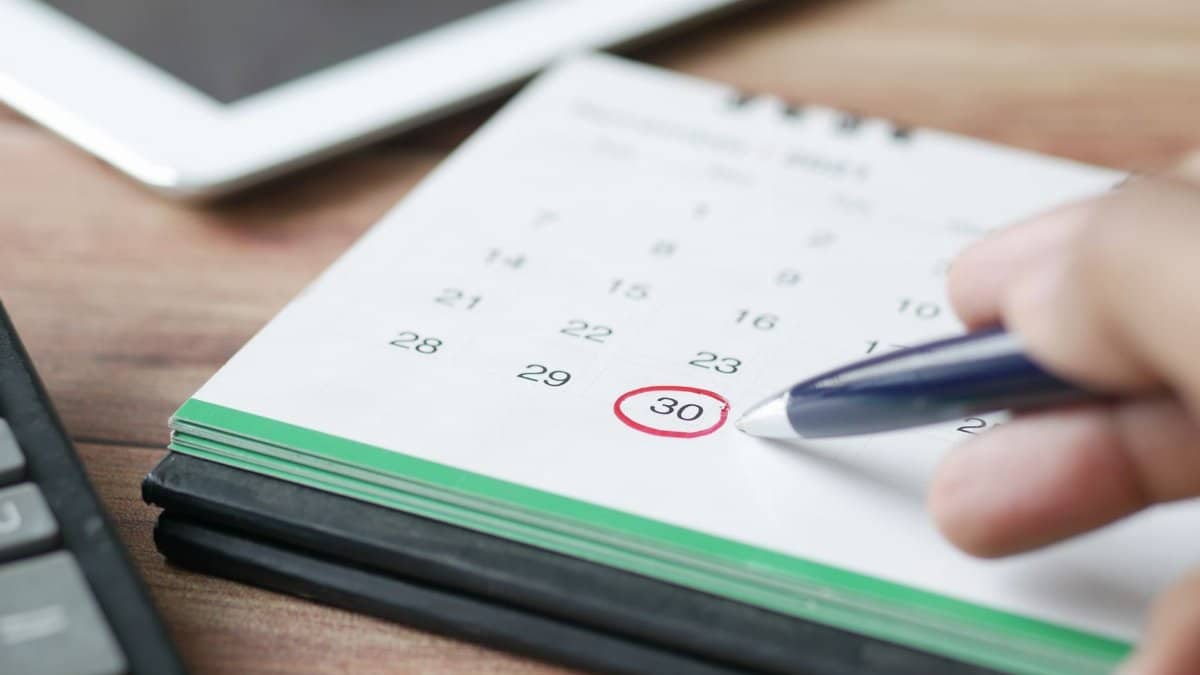
Confirm the county on the envelope matches the registration. Read every contest, including the local ones that never make national television. Sign the return envelope the way the registration was signed. Choose mail, an official drop off, or early voting with the deadline in view, not with a hope that someone will bend it. If the packet is lost, call immediately. If plans change, ask how to vote in person without creating a second live ballot.
South Florida mail ballots are already in circulation for the November 3 vote. They will not vote themselves. The counties have done the first large thing, which is getting paper into the mail on September 24 and listing the other ways to cast it. The rest is a household task, small enough to finish on a weeknight and important enough not to leave in a pile by the door.