
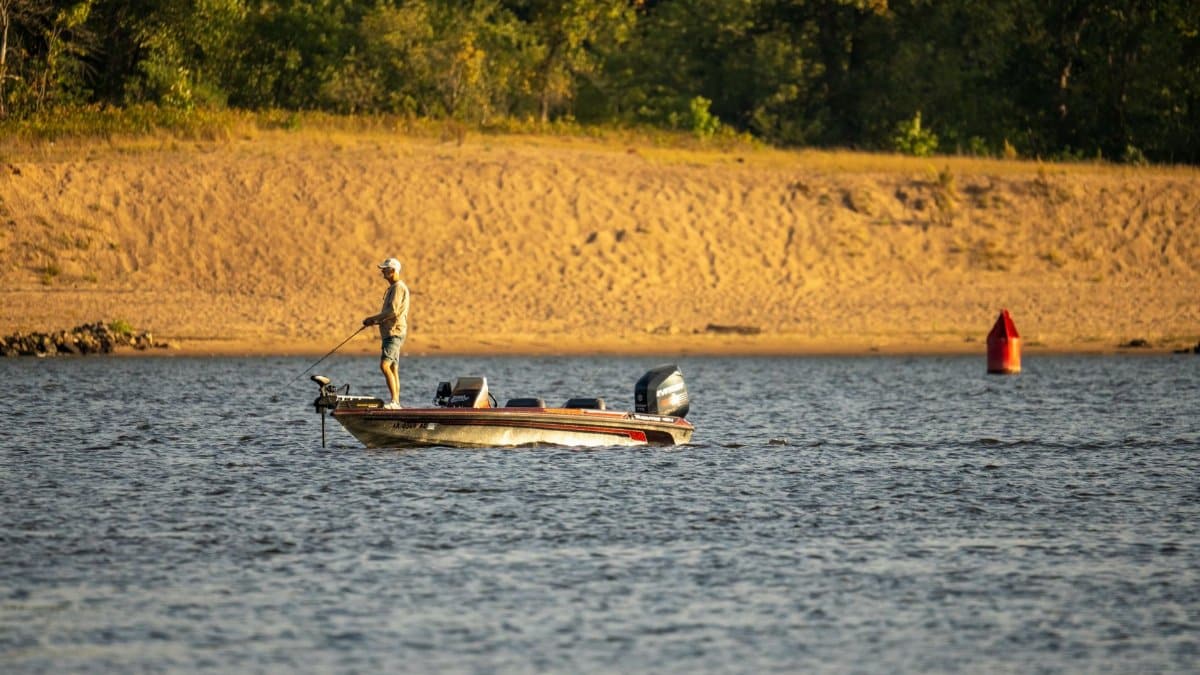
Recent data from travel bureaus and economic trackers shows families across Minnesota pulling back on trips and outings in ways that caught analysts off guard. Resorts and restaurants report softer bookings even during peak seasons when demand normally surges. This trend in Leisure Spending underscores mounting pressures on an industry valued near nine billion dollars and raises questions about consumer resilience in the months ahead.
Understanding the Hospitality Landscape

Minnesota hospitality supports thousands of jobs from lakefront lodges to urban eateries. Operators note that revenue streams tied to leisure activities have softened noticeably since earlier peaks. Many cite rising operational costs as one factor limiting their ability to absorb weaker demand without passing expenses along to guests.
Consumer Behavior Shifts Observed
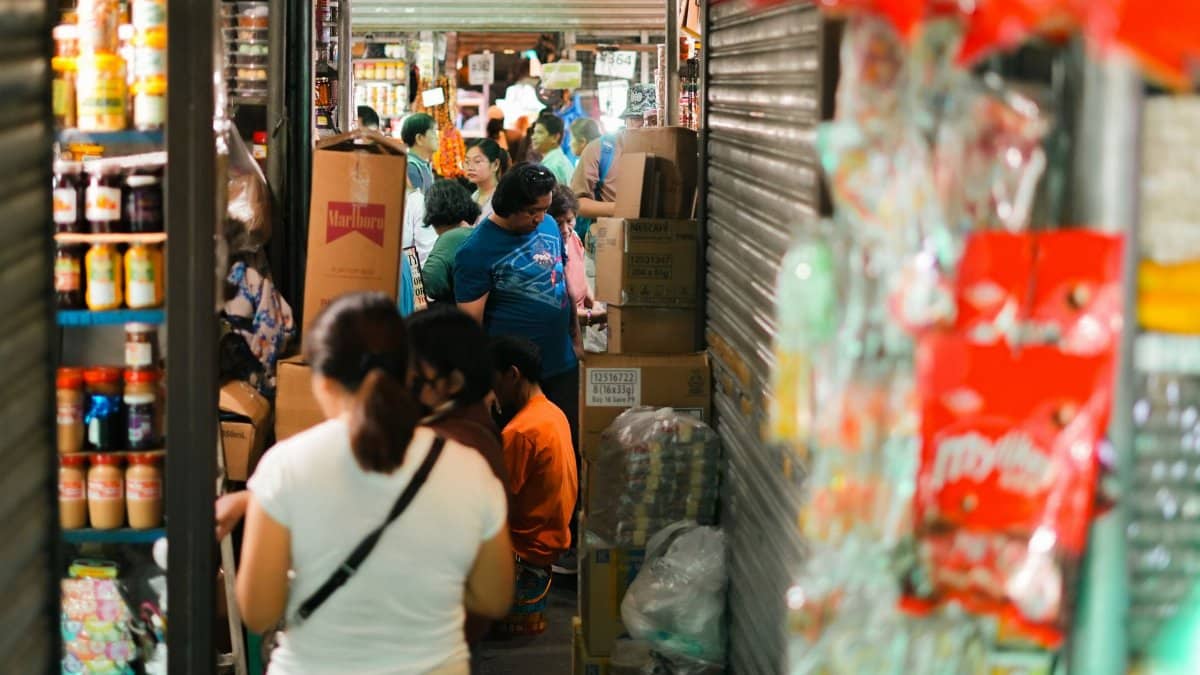
Households appear to favor essential purchases over optional excursions according to recent surveys. Credit card records indicate fewer charges at entertainment venues and lodging properties outside major events. Such changes reflect caution rather than outright avoidance yet they accumulate into measurable shortfalls for businesses.
Impact on Smaller Operators
Independent owners face tighter margins than larger chains. They often lack reserves to weather extended periods of reduced visitor traffic. Several proprietors describe delaying expansions or renovations until clearer signs of recovery emerge.
Statewide Economic Ripple Effects

Declines in Leisure Spending extend beyond direct hospitality players to suppliers and transport services. Farms providing local produce to restaurants see orders trimmed. Gas stations near tourist routes record lower volumes during what used to be busy stretches.
Regional Differences in Spending Patterns

Northern lake districts report steeper drops compared with southern metro areas that benefit from business travel overlap. Twin Cities venues maintain steadier foot traffic through corporate events while rural spots rely more heavily on pure leisure visitors who now visit less often.
Comparison With National Figures

Minnesota trends align with broader national softening though the state hospitality sector entered the period from a stronger position. Analysts tracking multiple states point to similar restraint among middle income households adjusting to higher everyday costs.
Policy Responses Under Consideration

Lawmakers discuss targeted support measures such as marketing grants aimed at attracting out of state visitors again. Industry groups advocate for tax relief on certain operational expenses to ease pressure without broad subsidies.
Future Outlook for Recovery

Projections suggest gradual improvement if employment remains stable and inflation cools further. Business leaders emphasize the need for diversified offerings that appeal to value conscious travelers seeking quality without excess.
Voices From the Industry

Interviews with longtime managers reveal a mix of concern and adaptation. One resort director noted plans to emphasize shoulder season packages while another focuses on local partnerships to draw day visitors. These approaches aim to stabilize revenue streams tied to Leisure Spending.