
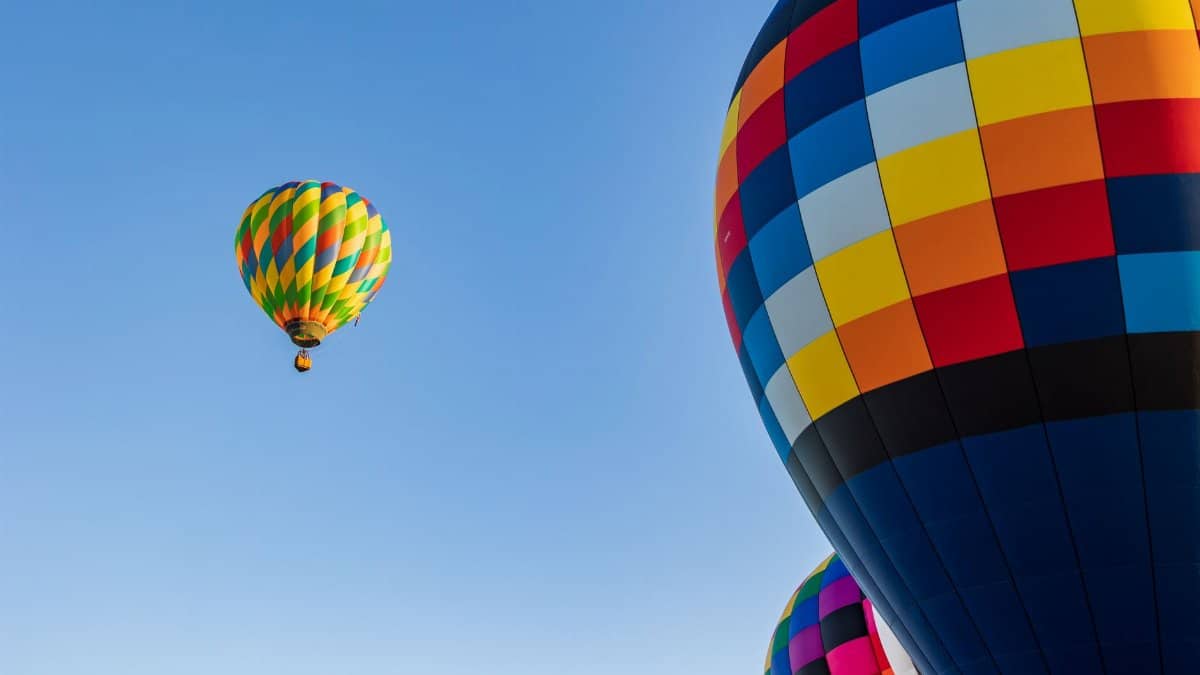
On a clear Saturday in late September, the first thing many North Texas drivers notice is not the traffic but the color hanging above the tollway. Hot air balloons drift over Plano while pumpkin displays go up in Little Elm and the gates at Fair Park prepare for another season of fried food, livestock, and loud music. The phrase North Texas fall festivals covers that whole stretch of the calendar, from neighborhood autumn fests to the region’s largest fair. For readers who treat September and October as a second social season, the question is less whether something is happening and more which weekend is worth the drive.
A sky full of color over Plano
Plano’s balloon gathering remains one of the easiest images to explain to someone who has never set foot in Collin County. Crews spread envelopes on the grass before dawn, fans fill the fabric, and burners throw a brief orange light across faces that are still half awake. Spectators bring folding chairs, coffee, and the kind of patience that a morning launch demands. Wind can cancel a flight with little warning, which is part of why regulars check forecasts the night before and again at sunrise.
The appeal is not only the balloons. Vendors, music, and a temporary village of families turn a park into a short holiday. Parents trade tips about parking lots that fill before the first envelope leaves the ground. Teenagers film the inflation from angles their grandparents never had. For a region that spends much of the year under a hard blue sky and a hotter sun, the cooler air feels like permission to stay outside longer.
Why the balloons still matter
Balloon festivals survive because they offer a spectacle that does not require a screen to make sense. You can see the scale from a distance and the craft up close. Pilots talk about weight, temperature, and the thin margin between a gentle landing and a field that is simply too small. That practical talk sits beside the romance of the photograph, and both are honest.
Cities like Plano have learned to treat the event as civic theater. Hotels fill. Restaurants near the site extend hours. Schools schedule field trips when the calendar allows. None of that replaces the simple fact that a child pointing at a rising envelope is having a public experience that still feels personal. Among North Texas fall festivals, this one is unusually photogenic and unusually dependent on weather that no committee can guarantee.
Color at the arboretum
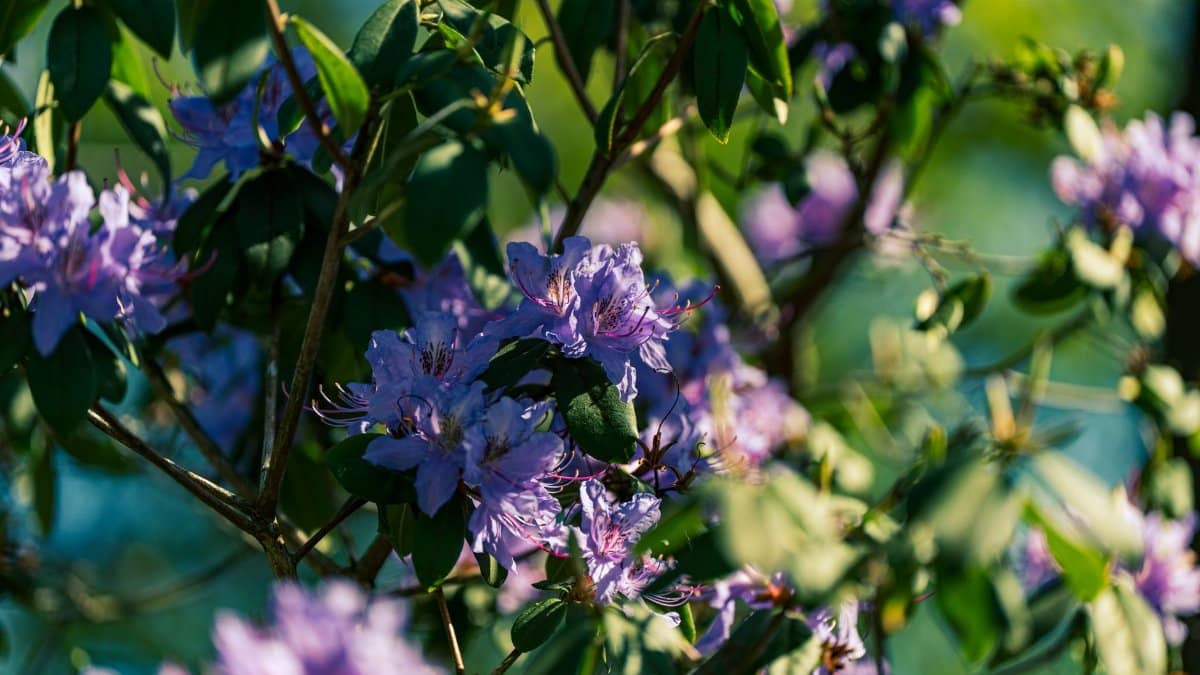
If balloons are about lift, the Dallas Arboretum is about staying low and looking carefully. Autumn displays there have become a destination in their own right, with pumpkins, mums, and designed beds that draw visitors who would not describe themselves as gardeners. The paths are managed, the photos are inevitable, and the crowds can feel like a second fair on a pretty Sunday.
What keeps the place from being only a backdrop is the plant collection underneath the seasonal styling. Oaks, grasses, and late blooms give the visit a slower register than a midway. People walk, sit, and argue mildly about which view is worth the wait. For households that want autumn without fried food or loudspeakers, the arboretum functions as a calmer entry on the same seasonal list. It also shows how a cultural institution can meet a public hunger for color without pretending that North Texas looks like New England.
Fair Park and the big fair
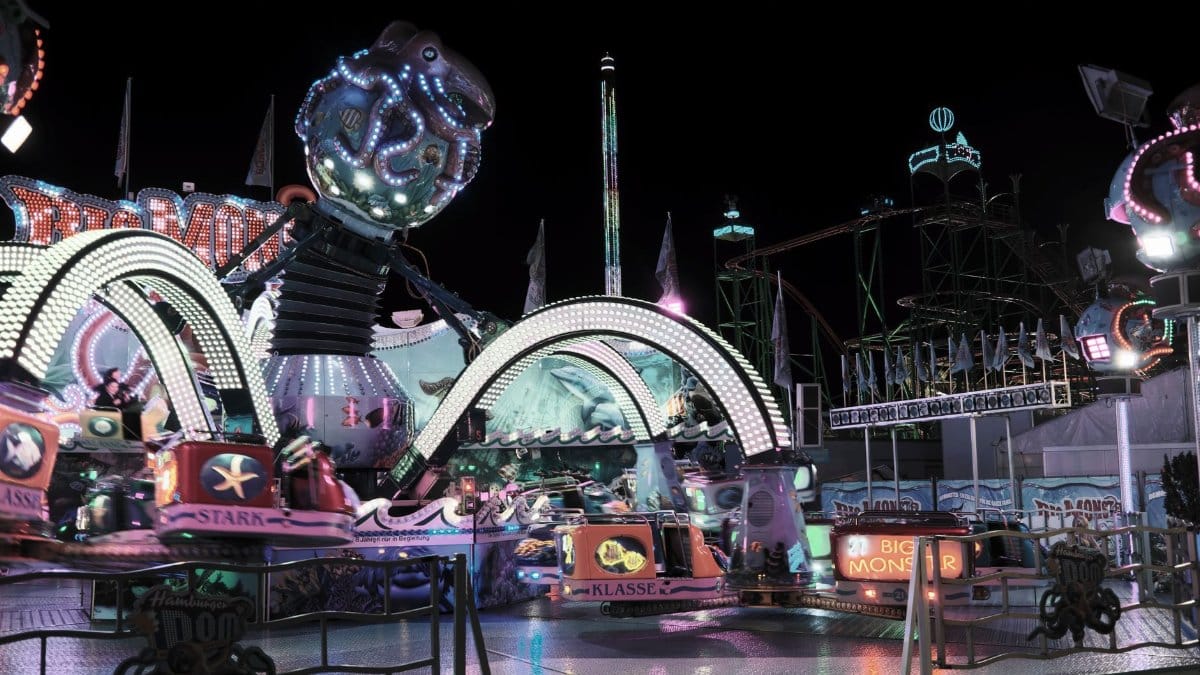
The State Fair of Texas still anchors the regional imagination. Fair Park’s art deco buildings, the livestock barns, the auto show, and the food competitions form a city inside the city for a few weeks each fall. Newcomers often underestimate the walking. Veterans bring comfortable shoes, a plan for one or two exhibits, and a budget that assumes at least one impulse purchase they will describe later as research.
The fair is also a mirror. Agricultural displays sit near concerts. School groups move through buildings that older residents remember from childhood visits. Debates about tickets, corporate sponsors, and who feels welcome at a public event surface every year, and they should. A gathering this large cannot be only nostalgia. It is employment for seasonal workers, a stage for musicians, and a test of how a dense urban park handles hundreds of thousands of guests. When people say North Texas fall festivals, many of them mean this one first, then fill in the smaller dates around it.
Little Elm and the town calendar
Little Elm’s Autumn Fest and similar gatherings in suburbs north and west of Dallas do different work. They are closer to home, easier to leave early, and more likely to feature a local band, a chili cook off, or a kids zone staffed by volunteers who know the families by name. A cook off, written as two words, is the right scale: competitive enough to matter, small enough that the winner might live three streets away.
These events rarely make a national list, which is precisely their value. They mark the season for people who cannot or will not spend a full day at Fair Park. Church groups, youth sports clubs, and city parks departments share the labor. The result is uneven from year to year, and that unevenness is human. A rained out evening in a smaller town does not get the same headlines as a canceled balloon launch, but it still rearranges a family’s Saturday.
How households actually choose
Planning the fall is less romantic than the posters suggest. Parents look at school calendars, Friday night football, and whether grandparents are visiting. Couples without children weigh parking against the chance of a good meal nearby. Retirees often prefer weekday mornings, when lines are shorter and the light is kinder for photographs.
A useful method is to pick one large event and one neighborhood event, then protect the rest of the month. Trying to attend every advertised festival produces fatigue and a stack of unused tickets. The region’s geography makes this worse. A drive from Fort Worth to Plano can consume the energy that was meant for the festival itself. Ride shares help at some sites and fail at others where pickup zones are poorly marked. Public transit reaches Fair Park more reliably than it reaches many suburban fields.
Money, lines, and the hidden hours

Cost deserves plain talk. Admission is only the start. Parking, food, games, and a souvenir can turn a modest outing into a bill that rivals a nice dinner downtown. Families on tight budgets are not imagining the squeeze. Some cities offer free admission windows, library ticket passes, or discounts for residents. Those programs are worth hunting before opening day, because they disappear into fine print.
Time is the other currency. Security screening, shuttle waits, and the walk from a distant lot can add an hour that never appears on the poster. People with limited mobility should read access notes carefully and call ahead when the website is vague. Heat can linger into October, so water and shade still matter even when the marketing says autumn. None of this is an argument against going. It is an argument for going with a clear eye.
Gathering as a public habit
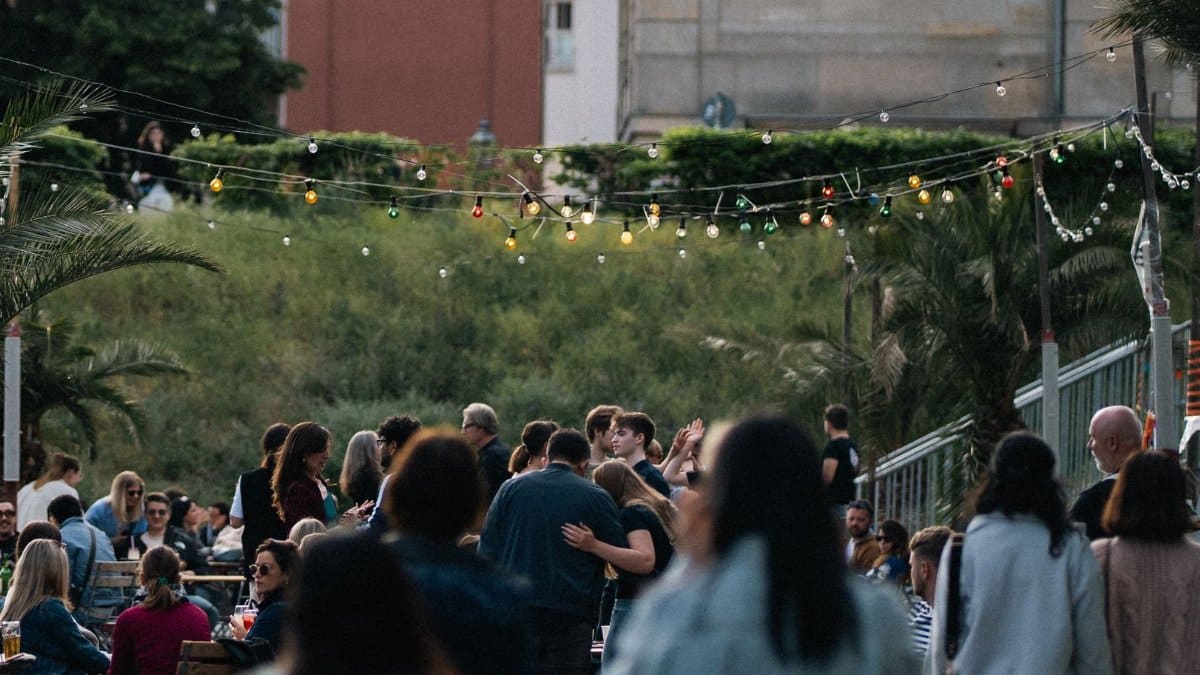
There is a quieter reason these dates persist. Shared calendars give strangers a reason to stand in the same field. In a metro area that keeps adding rooftops and highway lanes, that is not a small thing. Festivals do not heal political division, and it would be false to claim they do. They do create brief intervals in which people negotiate space, wait their turn, and watch the same sky.
Faith communities often treat the season as an extension of gratitude, harvest meals, and outdoor services. Secular visitors may feel the same pull without the doctrine: a wish to mark time before the holidays accelerate. Journalism should not baptize a corn dog as a sacrament. It can note that North Texas fall festivals function as civic rituals, repeated because repetition itself is comforting. The balloon, the garden path, and the fair gate are different doors into that habit.
Reading the weeks ahead
A sensible September and October might look like this. Catch an early morning launch in Plano if the wind cooperates, and leave when the crowd thickens rather than forcing a full day. Spend one unhurried afternoon at the arboretum, preferably on a weekday if work allows. Give the State Fair a focused visit built around one building and one meal, not a heroic attempt to see everything. Add a nearby town fest, such as Little Elm’s, when the point is neighbors rather than spectacle.
Check official city and fair pages for hours, because dates shift and weather policies differ. Bring cash as a backup even when vendors promise card readers. Tell someone your parking plan. And if a launch is scrubbed or a storm rolls over Fair Park, treat the cancellation as part of the season rather than a personal insult. The calendar is crowded enough that another Saturday will offer a second chance.
What endures is not any single fried novelty or pumpkin wall. It is the decision to go outside with other people while the light is still long and the evenings have finally cooled. That decision, repeated across Plano, Dallas, Little Elm, and the towns in between, is what the North Texas fall festivals season actually is.