

On a bright morning at Generation Park, the ceremony looked familiar enough. Hard hats lined a temporary stage. Officials praised jobs and investment. Shovels bit into soil east of downtown Houston. The product behind the ritual was less familiar to a city built on energy and shipping. Eli Lilly has started work on a factory meant to make a pill form of the medicines now changing diabetes and obesity care. The Eli Lilly Houston campus is a $6.5 billion wager that patients will want those drugs as tablets, and that this region can finish a complex plant in time for that demand.
A factory aimed at tablets rather than pens
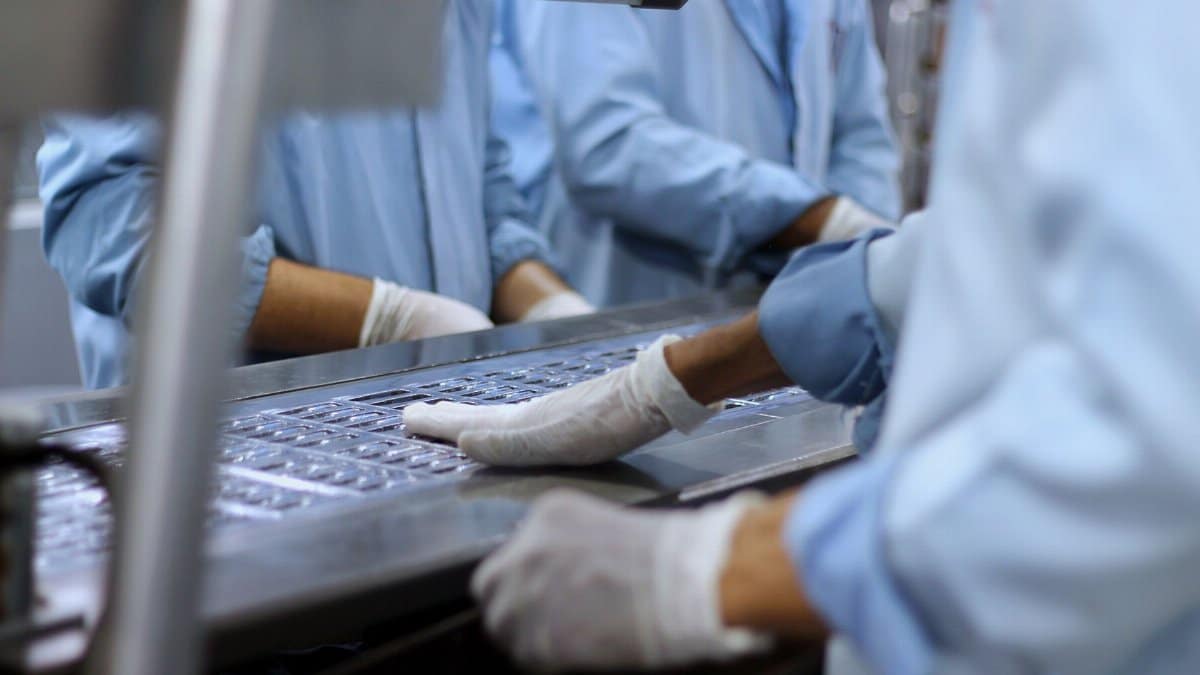
For several years the public face of this drug class has been an injection pen. Patients learned a weekly ritual. Clinics learned a storage routine. Pharmacies learned what a shortage looks like when a product becomes a cultural event as well as a prescription. A tablet changes the choreography. It can travel differently, store differently, and reach people who will not use a needle.
Lilly has told investors and regulators that oral medicines in this class are a central part of its next chapter. The Houston project, as described in local reporting on the groundbreaking, is built for that pill form business. It is not a research park with a logo on the door. It is a production site, the kind of building where chemistry, quality control, and packaging have to agree every day or the shipment does not leave.
That distinction matters. A headquarters announcement can be revised in a quarter. A plant of this size is a physical commitment. Concrete and clean rooms do not pivot as easily as a slide deck.
The price tag and the calendar

Six and a half billion dollars is not a rounding error, even for a company whose weight loss and diabetes franchise has rewritten its market value. The figure signals more than construction cost. It signals confidence that pill form demand will still be large when the doors open, and that Lilly would rather own the capacity than rent it in a tight market.
Local accounts put completion in 2027. That is ambitious for a pharmaceutical plant, where validation can take as long as the steel work. Equipment must be installed, cleaned, tested, and documented before a single commercial batch is released. Regulators do not grade on enthusiasm. If the calendar slips, the embarrassment will be public, because the groundbreaking already put a date in the civic conversation.
Speed is part of the strategy. Shortages of injectable products taught every large drug maker the same lesson. Capacity that arrives late is capacity that someone else may have already sold against.
Why Houston made the short list

Houston does not advertise itself as a classic drug making capital in the way New Jersey or Indiana sometimes do. Lilly already has deep roots in Indiana. Choosing the Texas Gulf Coast is a statement about logistics, labor, and land, not about nostalgia.
The region offers port access, a dense network of chemical suppliers, and a workforce accustomed to plants that run with strict safety rules. It also offers room. A campus of this scale needs acreage, power, water, and a political climate willing to bless a long construction schedule. Generation Park has been marketed for years as a place where large users can build without squeezing into an old urban grid.
The Eli Lilly Houston campus also sits inside a story the city likes to tell about itself: that energy expertise can be redirected toward health, data, and advanced manufacturing. Whether that story holds depends less on ribbon cuttings than on whether specialized technicians actually move here and stay.
What Generation Park already provides
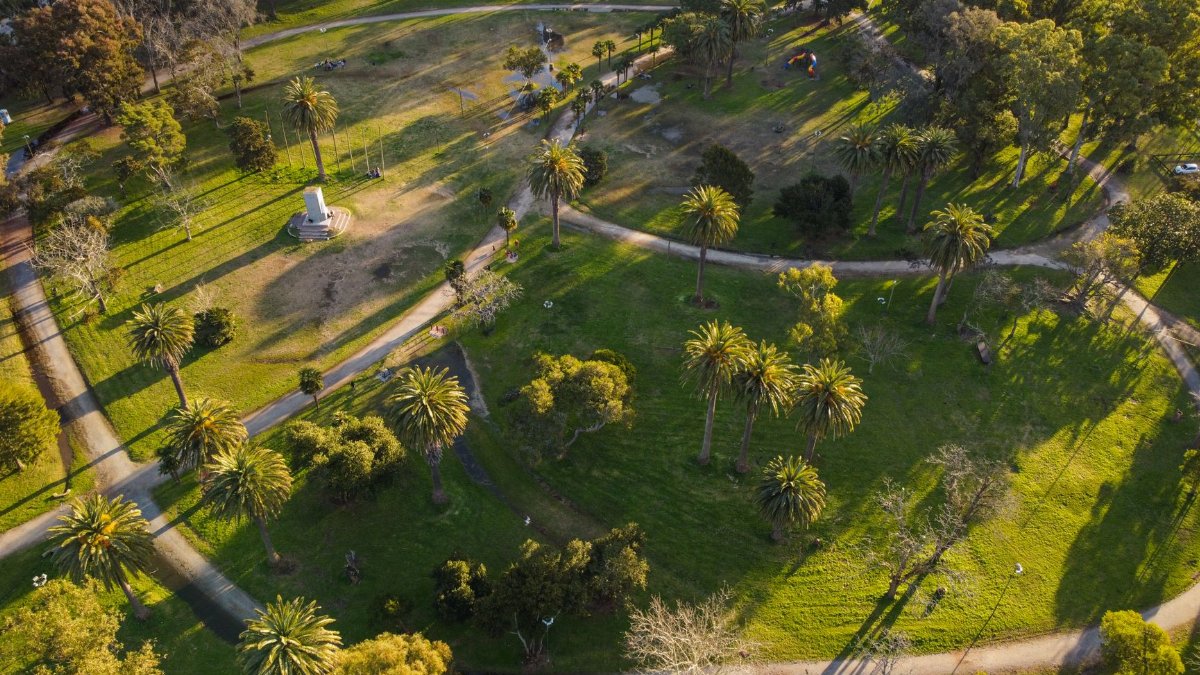
Generation Park is not an empty field discovered last month. It is a master planned district with roads, utilities, and neighbors who have heard promises before. That existing fabric is an advantage. Drug plants fail as often on drainage, power redundancy, and truck access as on the science inside the reactor.
A site with a known industrial address can shorten arguments that delay projects in places with no precedent for this kind of user. It can also concentrate risk. If traffic, water, or construction labor tightens, every tenant feels it. Lilly will not be building in isolation, even if its clean rooms are closed to the public.
For readers who never drive that far east, the practical point is simple. The company did not pick a postcard view. It picked a platform built for heavy users.
Jobs will not arrive all at once

Groundbreakings invite a single number: jobs created. The honest version is a curve. Construction employment comes first, and it is large, temporary, and shared with contractors who may live elsewhere. Permanent roles in quality, engineering, maintenance, and production arrive later, after equipment is qualified. Some of those roles pay well. Many require credentials that Houston does not yet produce in surplus.
Community colleges and universities will be asked, quietly and then loudly, to build pipelines. If they succeed, the Eli Lilly Houston campus becomes a reason for students to stay. If they do not, the company will recruit nationally and the local benefit will look thinner than the banner suggested.
Wages matter, but so does shift work. A plant that runs around the clock asks families for evenings and weekends. That is ordinary in refining and chemicals. It will be ordinary here too, and it should be described that way rather than as a gift with no conditions.
Pills and the next argument in a blockbuster class
Injectable GLP1 medicines, to use the shorthand clinicians already use, proved that appetite and blood sugar can be moved at a scale public health had not seen from a single product class in years. They also produced sticker shock, prior authorization battles, and a gray market of compounded copies. A tablet will not erase those fights. It may relocate them.
Pills can be easier to prescribe and easier to counterfeit. They can be easier to ship and easier to divert. Insurers will ask whether an oral product deserves the same coverage as an injection, and at what price. Patients will ask whether a daily tablet works as well as a weekly shot, and for whom. Those are clinical and commercial questions. A factory answers only the supply side.
Still, supply has been the constraint that turned a medical advance into a status good. If oral production scales, the social argument changes. Scarcity flatters a brand. Abundance forces a price conversation that Wall Street has preferred to postpone.
The Gulf Coast as a manufacturing bet
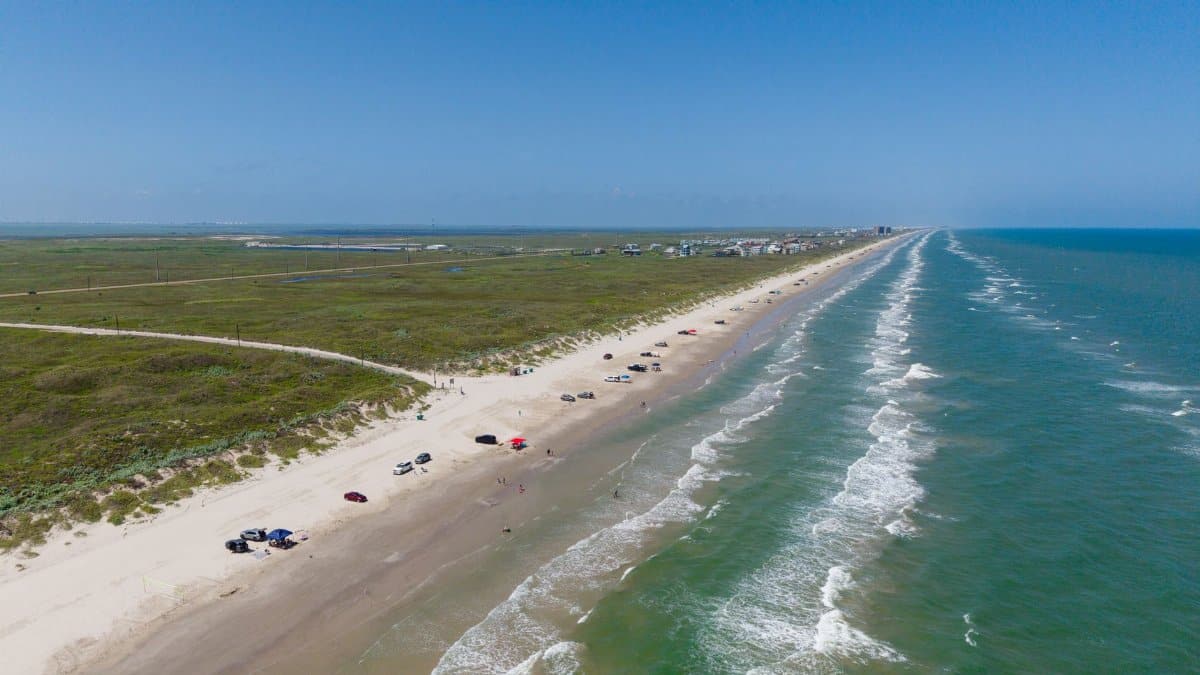
Placing a flagship health plant on the Gulf Coast ties Lilly to a geography the country usually associates with fuels and plastics. That is less odd than it sounds. The skills overlap: process control, hazard analysis, maintenance of complex equipment, and a culture of permits. The risks overlap too. Storms, heat, and flood planning are not footnotes in this region. They are design inputs.
A company that builds here is betting that those risks can be engineered down, and that the industrial base is an asset rather than a relic. The Eli Lilly Houston campus will be judged, in part, on whether it weathers a bad season without becoming a national anecdote about fragile drug supply.
There is a wider policy point. Washington has spent years urging drug production to move closer to American patients. A private balance sheet, not a subsidy press release, is doing a large share of that work in this case. That does not make the project public property. It does make the outcome relevant beyond one ticker symbol.
Neighbors will measure more than speeches

People who live near large plants learn to discount groundbreaking rhetoric. They watch truck routes, night lighting, hiring boards, and whether complaints get a human answer. A pharmaceutical site is cleaner than many heavy industrial uses, but it is not invisible. Construction dust and road wear arrive before any tablet does.
Local governments will be tempted to count tax base and stop there. A more useful ledger includes infrastructure the company will need and the public will share: roads, water, emergency response, and training. If those costs are waved through without a clear account, the celebration will age poorly.
None of this is an argument against the plant. It is an argument for treating a $6.5 billion neighbor as a neighbor, not as a miracle.
Rivals are not standing still

Lilly is not the only company trying to turn this drug class into a broader franchise. Competitors are advancing their own oral candidates, expanding injectable lines, and signing contract manufacturers wherever capacity can be found. A Houston plant strengthens Lilly if the science and the labels cooperate. It becomes an expensive monument if a rival tablet wins the market or if regulators slow the oral path.
That uncertainty is normal. What is unusual is the size of the down payment. Companies usually stage capacity as data arrives. Here the construction and the late stage commercial hopes are moving on overlapping clocks. Investors may like the boldness. Operators will live with the coordination problem.
Houston, for its part, should avoid the civic habit of treating any single tenant as destiny. The city has seen celebrated projects stall. It has also seen unglamorous plants quietly become anchors. The difference is execution over years, not the quality of the first photograph.
What the groundbreaking does not settle
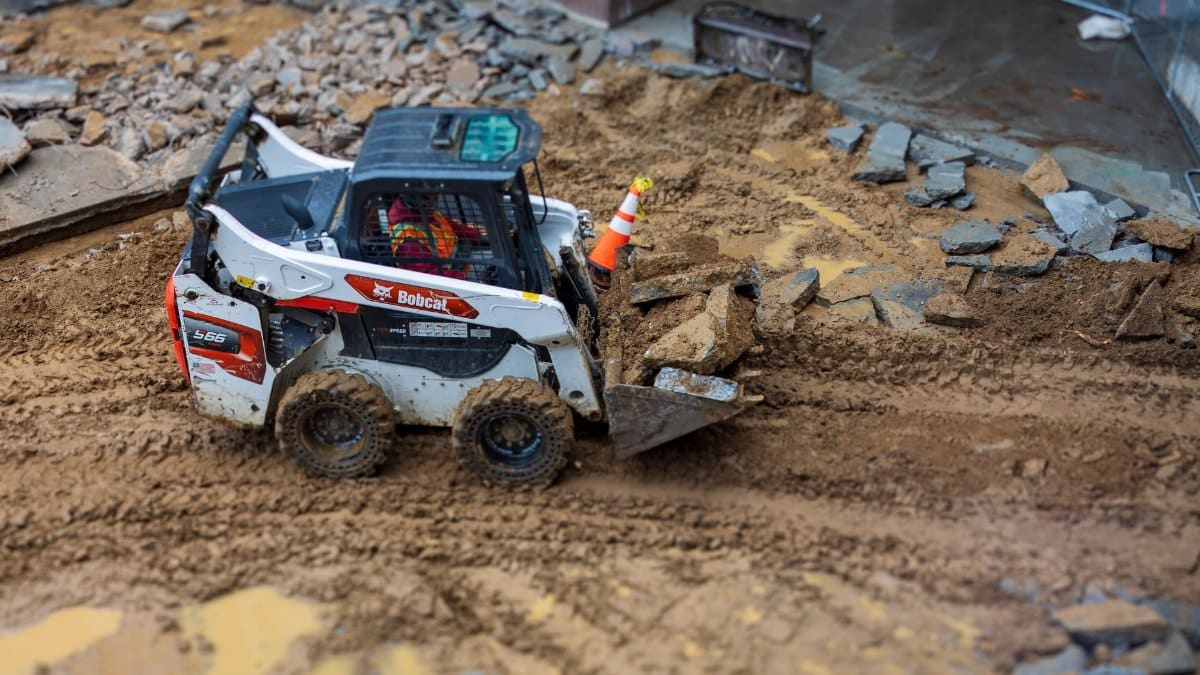
A shovel in the ground settles intent. It does not settle efficacy, price, insurance coverage, or the pace of hiring. It does not guarantee that 2027 will look like the rendering. Readers should hold two ideas at once. This is a serious industrial commitment, among the largest health manufacturing bets the region has landed. It is also a bet, exposed to science, storms, labor, and the mood of payers.
The Eli Lilly Houston campus will enter public conversation again when steel is up, when the first production hires are posted, and when the first commercial shipments, if they come, leave the dock. Those later chapters will tell more than the speeches did. Until then, the fairest description is plain. A company that grew rich on injectable demand has started building, in Houston, for a future in which the same biology might come as a pill.