
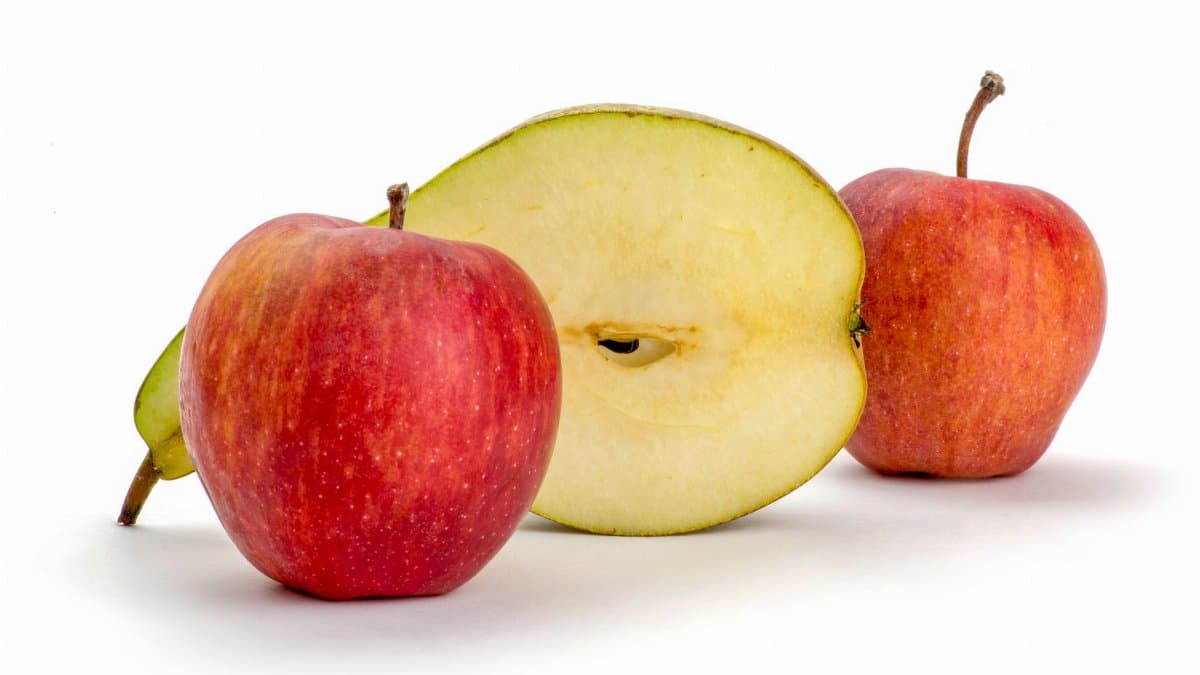
On a cool morning in the Yakima Valley, fruit bins that once moved quickly from orchard rows to cold rooms now linger longer in the shade. Growers who spent the season watching heat, water, and wages are hearing a quieter update from their own trade group. The Washington apple harvest outlook for 2026 has been lowered, a revision tied to drought, rising costs, and the failure of a major packing house. For a state that still supplies a large share of the apples Americans buy, a smaller forecast is more than a farm statistic. It is a clue about which orchards can keep paying the bills, and which towns will feel the gap when fewer loads leave the warehouse.
A smaller crop outlook with a wider echo
Trade groups do not cut a harvest forecast for drama. They do it when field reports, pack plans, and sales desks no longer match the number they published earlier. In Washington, that number travels. It shapes how many bins a warehouse orders, how aggressively a salesperson courts a grocery chain, and how a lender reads a grower’s cash flow. A lower figure can steady a market that was bracing for a glut. It can also confirm that fruit which looked promising in spring never made it to a box.
The revision now in circulation, as described in reporting by The Seattle Times, reflects more than one bad week of weather. Drought stressed trees and fruit size. Costs kept climbing after the fruit was already committed to the limb. Then a major packing house bankruptcy removed capacity that growers had treated as part of the ordinary route from tree to truck. Any one of those pressures can bruise a season. Together they change the math.
Drought that arrived as a slow subtraction
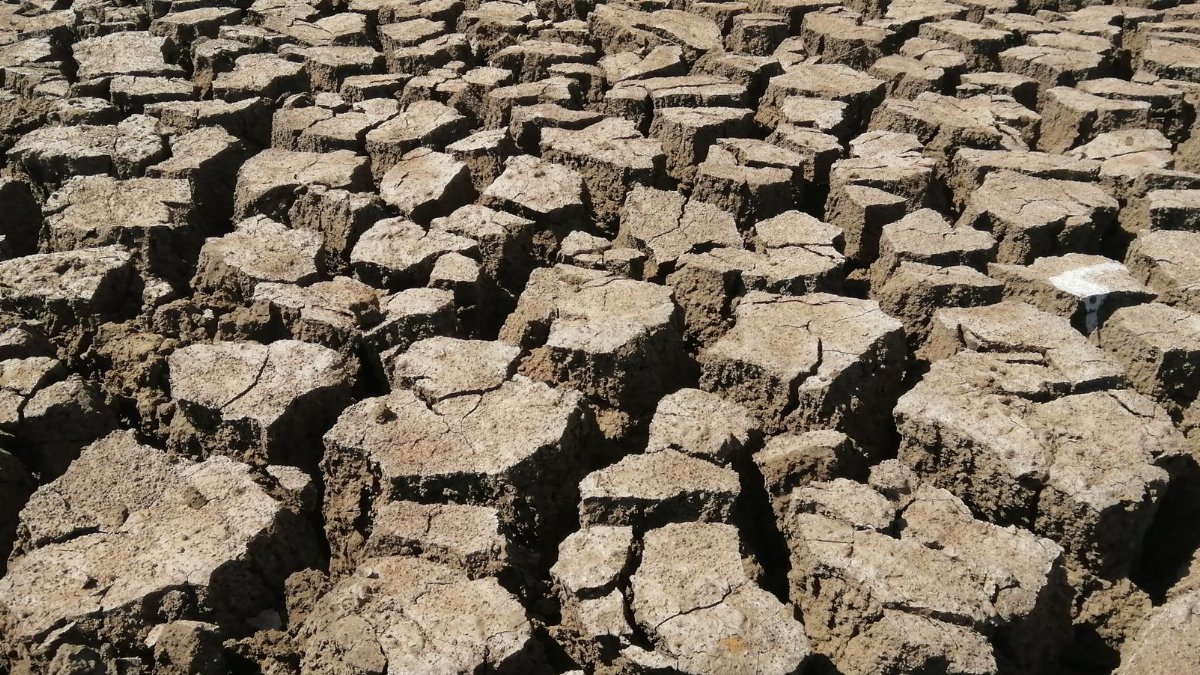
Eastern Washington is built for irrigation, not for rainfall alone. Canals, pumps, and carefully timed sets of water are as much a part of an apple orchard as ladders and bins. When snowpack is thin or allocations tighten, the loss is rarely theatrical. Leaves still look green from the road. The subtraction shows up in fruit that sizes poorly, in blocks a grower decides not to push, and in extra money spent to move water to the rows that still have a chance.
A forecast cut after that kind of year is a ledger of choices already made. Some orchards were dried down earlier than a manager would have liked. Some varieties, which need a long finish to color and size, simply did not fill the box the way a spring estimate assumed. Shoppers may never see the fruit that was left behind. They may notice, later, that certain sizes are scarce or that prices do not fall the way a heavy crop usually forces them to.
The bill that keeps arriving after the apples are picked
Harvest is the visible part of the business. The expensive part runs all year. Pruning crews, bees, spray programs, fuel, cold storage, and insurance do not pause because a forecast slipped. Labor remains the largest variable on many farms, and it is harder to trim than a fertilizer bill. A grower can skip a cosmetic spray. A grower cannot skip the people who thin fruit in June or empty bins in October.
Interest costs have made storage a gambler’s table as well as a tool. Holding fruit for a better month only pays if the later price clears the power bill, the packing charge, and the loan. When those charges rise faster than the return, a smaller crop can look, strangely, like mercy. Fewer apples mean less money spent to pack fruit that might have sold at a loss. That is a grim kind of relief, and it does not help the farm that needed volume to spread fixed costs across more boxes.
What a packing house bankruptcy does to a harvest
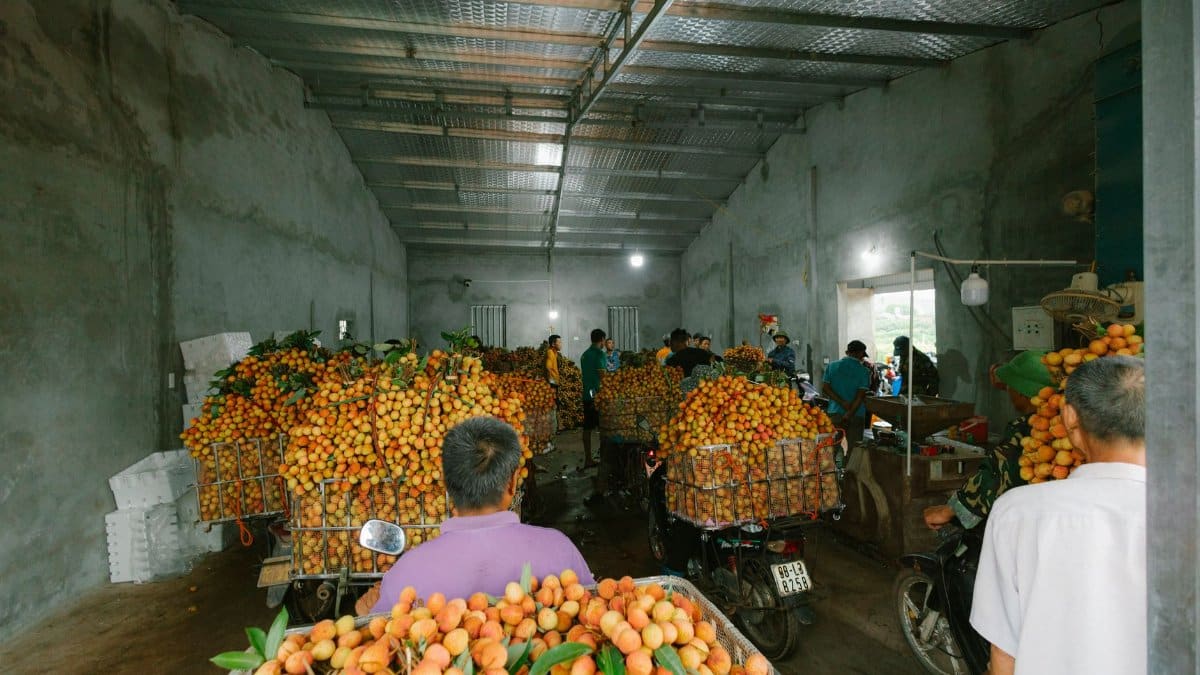
A packing house is not a scenic barn. It is a factory with optical sorters, controlled atmosphere rooms, and a sales staff that knows which retailer wants which size on which week. When a large one fails, fruit does not simply roll to the next door. Lines are already booked. Storage rooms have limits. Food safety paperwork, labels, and club variety contracts do not transfer in an afternoon.
Growers tied to a bankrupt packer can face delayed payments, fruit stranded in a facility they do not control, and a scramble for a new home that may sit many miles away. Hauling costs rise. So does the chance that fruit sits too warm, too long, and loses the condition a buyer expects. A forecast that drops after such a failure is partly a crop story and partly a logistics story. The apples may have grown. The system that turns them into a reliable shipment did not.
How the Washington apple harvest moves from tree to forecast
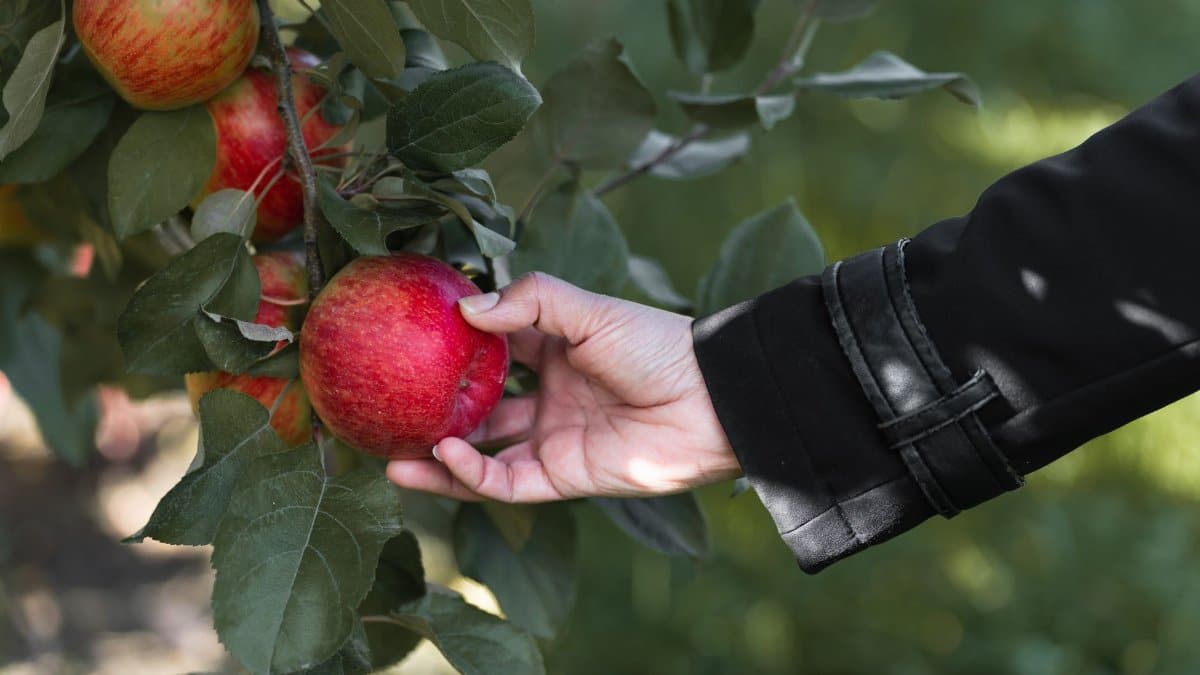
The Washington apple harvest is estimated long before the last bin is dumped. Field staff walk blocks. Packers report what they expect to receive. Sales desks compare that flow with what retailers and export customers have already signaled. Early numbers are a hypothesis. Later numbers are a correction, and corrections are supposed to be believed more than the first hopeful pass.
That process is only as honest as the people feeding it. A grower staring at a thin crop may still hope a late sizing push will save the block. A packer short of committed fruit may talk up volume to keep a customer from switching suppliers. When a trade group steps the number down, it is often admitting that those hopes did not survive contact with bins, color, and condition. Readers should treat the new figure as a working estimate, not a final scale ticket. Hail, a warm autumn, or a sudden labor gap can still move the total before the season is done.
Grocery shelves, export desks, and the fruit you do not see
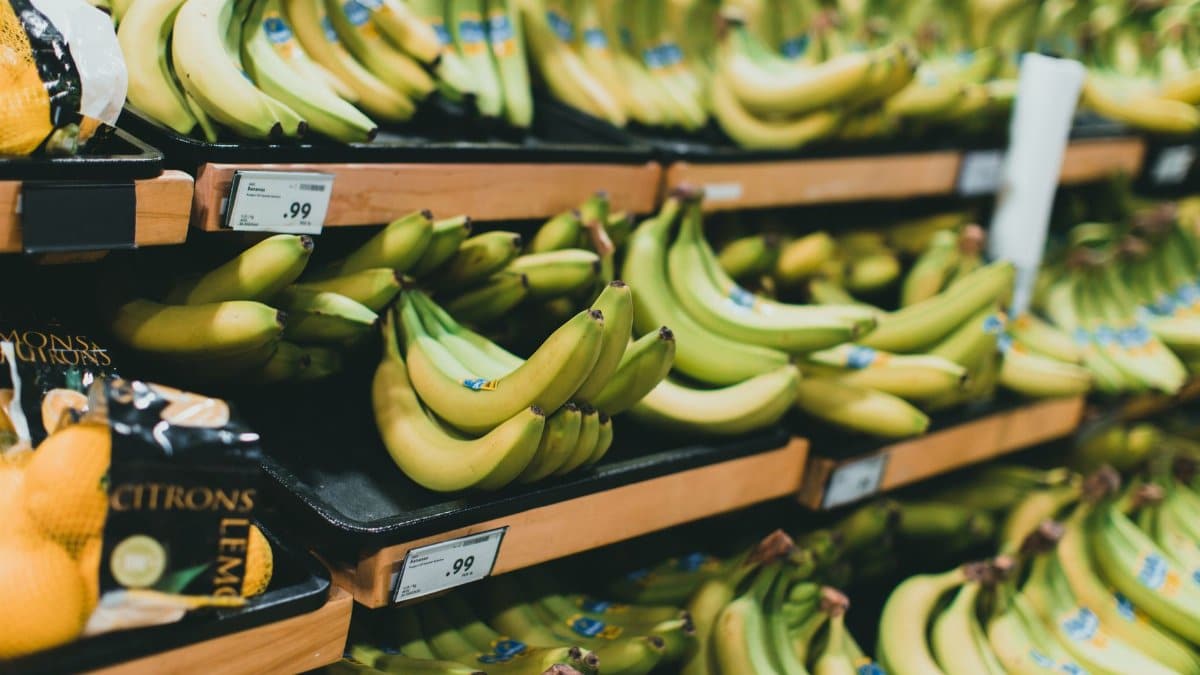
Most Americans meet this industry in a produce aisle, where Washington fruit sits beside imports and a few boxes from other states. A lower crop does not automatically mean empty shelves. Apples store for months. Imports fill gaps. Retailers plan promotions around what they can actually get, not around what a spring bloom once promised.
Export markets are less forgiving. A buyer in Asia or Latin America who counted on a certain volume may shift to another origin if Washington cannot commit. Once that shift happens, winning the account back takes more than a better year. It takes price, condition, and reliability, three things a stressed season does not hand out freely. Domestic shoppers may see fewer deep discounts on bagged fruit and a tighter range of sizes. They are unlikely to see a bare table, which can hide how hard the year was for the people who grew the crop.
Towns that live on bins, not on headlines
In Wenatchee, Yakima, and the smaller towns between them, harvest is a civic season. Motels fill. Tire shops stay open later. Cafes near warehouses learn the rhythm of night shifts. When the crop estimate falls, those businesses do not get a press release they can budget against. They get fewer breakfast tickets and a quieter October.
Packing house jobs are seasonal but not casual. People plan rent, childcare, and winter work around the weeks the line runs. A bankruptcy compresses that calendar without warning. A drought thins it more gently, which can be just as hard, because the missing shifts arrive as rumors before they arrive as a schedule. The forecast cut is a statewide sentence. The consequence is local, and it lands on hourly work as surely as it lands on orchard owners.
Varieties, contracts, and the fruit that still has a home
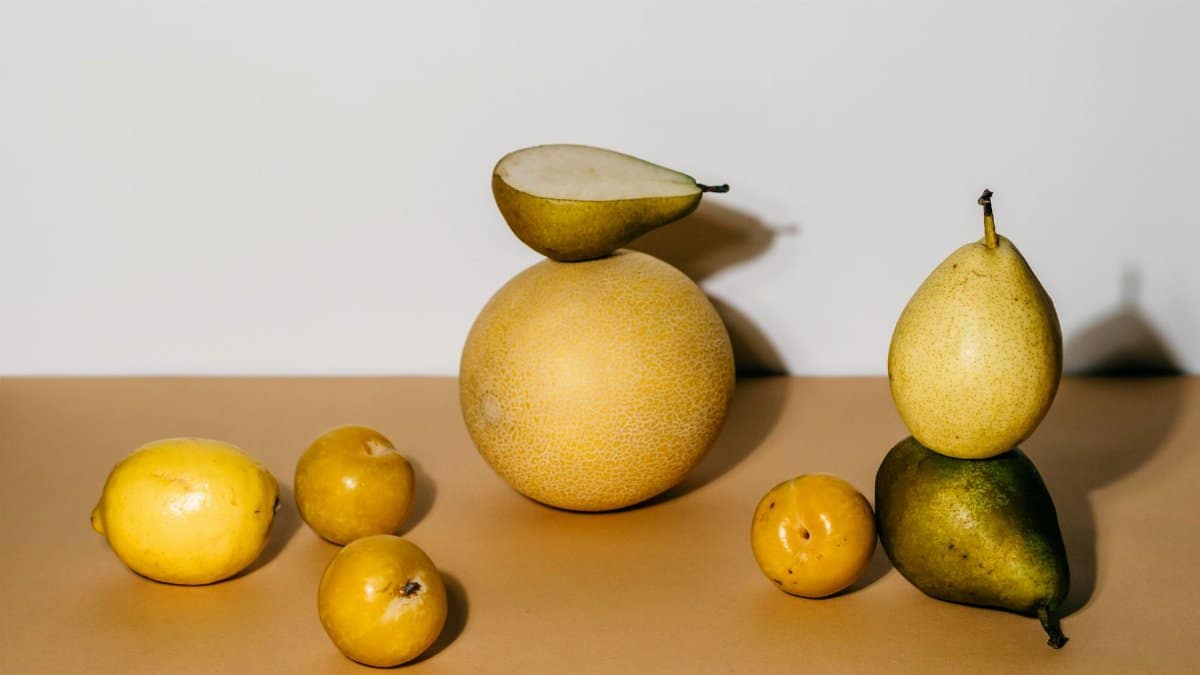
Not every apple in the state faces the same market. Older varieties compete on price. Newer managed varieties often move under contracts that promise a buyer if the fruit meets a specification. A smaller overall crop can help the open market by keeping cheap fruit from flooding it. It can hurt a contract grower whose block came in light, because the agreement still expects quality, and a short block still carries a full year’s orchard cost.
Club programs and private labels also change who absorbs a miss. A retailer that built an advertisement around a named variety may demand a substitute or a price concession. A marketer that overpromised early may spend the winter repairing trust. None of that appears on a roadside stand. It appears in emails between sales desks, which is where a forecast cut becomes a negotiation rather than a weather story.
Water, succession, and the next planting decision
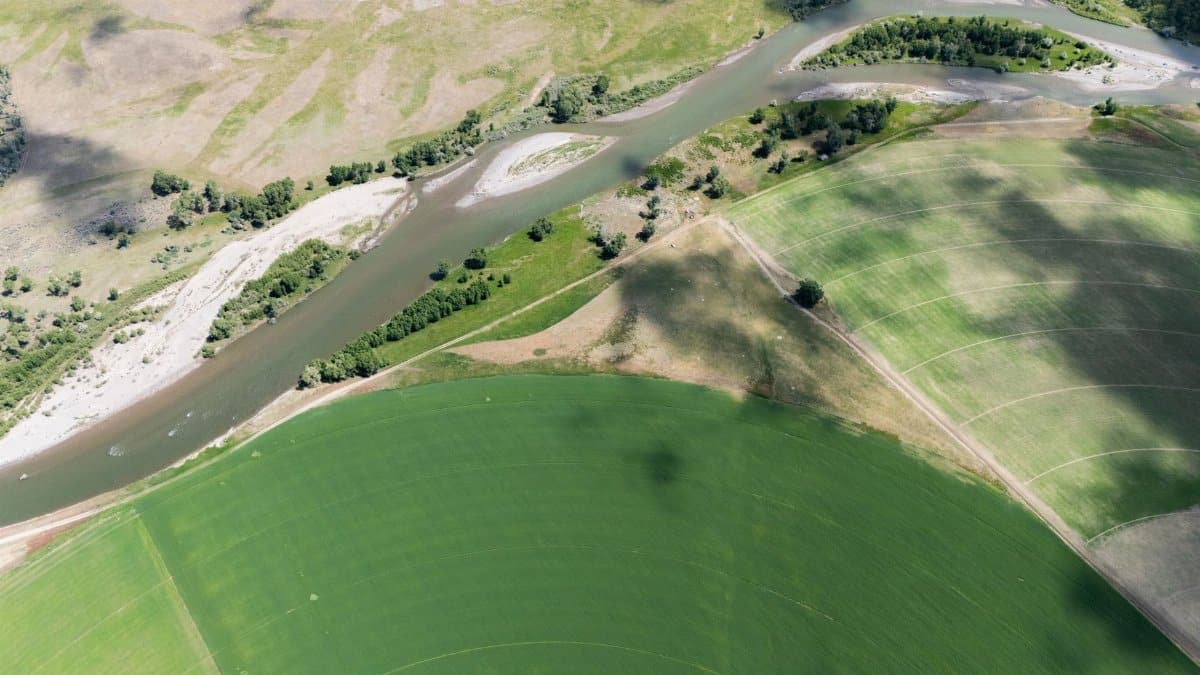
Apple trees are not an annual bet. A block planted this year may not pay for itself until the children who watched it go in are old enough to drive the truck. That lag makes growers conservative when signals turn bad. A cut forecast, stacked on drought and a packing failure, is the kind of signal that delays replanting. Older blocks that should have come out stay in, producing fruit that is harder to sell. New blocks that would have suited future buyers wait on paper.
Water rights and well depth sit inside that decision. So does family succession. A son or daughter who might have taken the farm looks at storage debt, a thinner crop, and a packer that vanished, and chooses a wage job in town or a move west of the mountains. The industry can survive one light year. It has a harder time replacing people who decide the light year is a pattern.
What resilience looks like without a slogan

There is a temptation to end an orchard story with grit. The people in this business do have it. They also have spreadsheets. Resilience here looks like sharing packing lines, renegotiating pool returns, dropping blocks that no longer pay, and telling a lender the truth before the truth arrives as a missed payment. It looks like irrigation districts stretching a short supply without pretending the river is fine.
It does not look like a promise that next year will erase this one. Apple markets move in cycles, and a short crop can lift prices enough to save some farms while leaving others too damaged to notice. The honest reading of a lower 2026 outlook is narrower. The state still grows extraordinary fruit. The path from blossom to paid invoice got more fragile, and the people who walk that path are adjusting in public only because the forecast made them.
What readers should watch as the season closes

A forecast is an opening bid with the weather. The closing bid is fruit in storage and money in grower accounts, and those numbers arrive months after the last ladder comes down. Watch whether more packing capacity is absorbed by survivors or simply disappears. Watch whether water allocations improve enough to change bloom predictions, not just headlines. Watch whether retailers keep promoting Washington fruit or quietly lean on imports when sizes do not match the ad.
I have stood in enough orchard rows to know that a season can still surprise the people who predicted it. Surprise is not a plan. The Washington apple harvest will still fill trucks, school lunches, and holiday tables. The cut in the outlook says the fill will be thinner, the route less certain, and the margin less forgiving than the blossom count once suggested. That is the story worth following, bin by bin, long after the forecast meeting adjourns.