
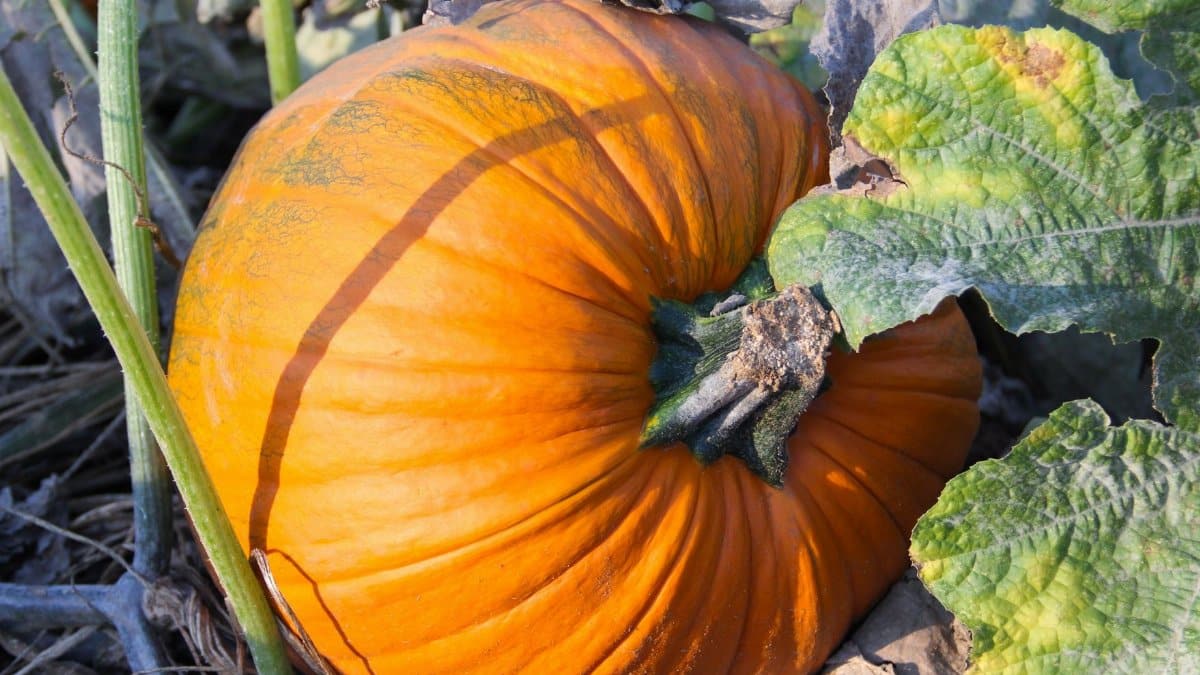
On a quiet Seattle block, the thing that stopped traffic was not a new house or a loud argument. It was a pumpkin so large it seemed to have borrowed the yard. The Joseph Baird giant pumpkin, weighed at 1,006 pounds, turned an ordinary backyard into a small public event and a private discipline that lasted most of a growing season.
A fruit that outgrew the idea of a garden
Most people plant a pumpkin and hope for something round enough to carve. Baird planted with a different ambition. Atlantic Giant seed is bred for mass, not for the tidy orange of a porch display. The plant sends out vines that crawl, root, and demand space the way a young tree demands light. In a city lot, that ambition has to be negotiated with fences, paths, and the ordinary limits of a home.
The finished fruit sat low and wide, more landscape than vegetable. Neighbors did not need a scale to understand the result. They could see that a single plant had claimed the season.
The hours that do not show up in a photograph
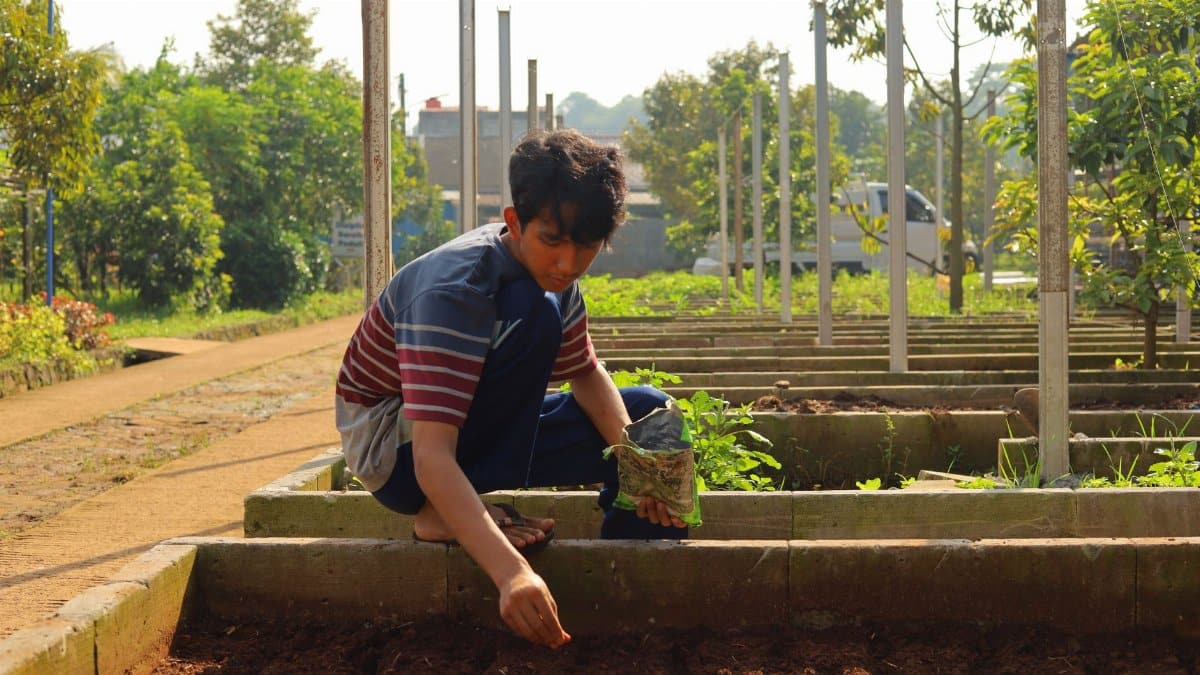
The Seattle Times account of the grow describes a schedule closer to a second job than a hobby. About 25 hours a week went into the plant. That time was not theatrical. It was watering, checking leaves, adjusting cover, watching for splits in the skin, and deciding when to feed and when to leave the vine alone.
Giant pumpkin growers talk about the fruit as if it were a patient. Stress shows up as a crease, a soft spot, a sudden stall in growth. The work is repetitive on purpose. Miss a day in hot weather and the loss is not theoretical.
Water on a scale most gardens never see
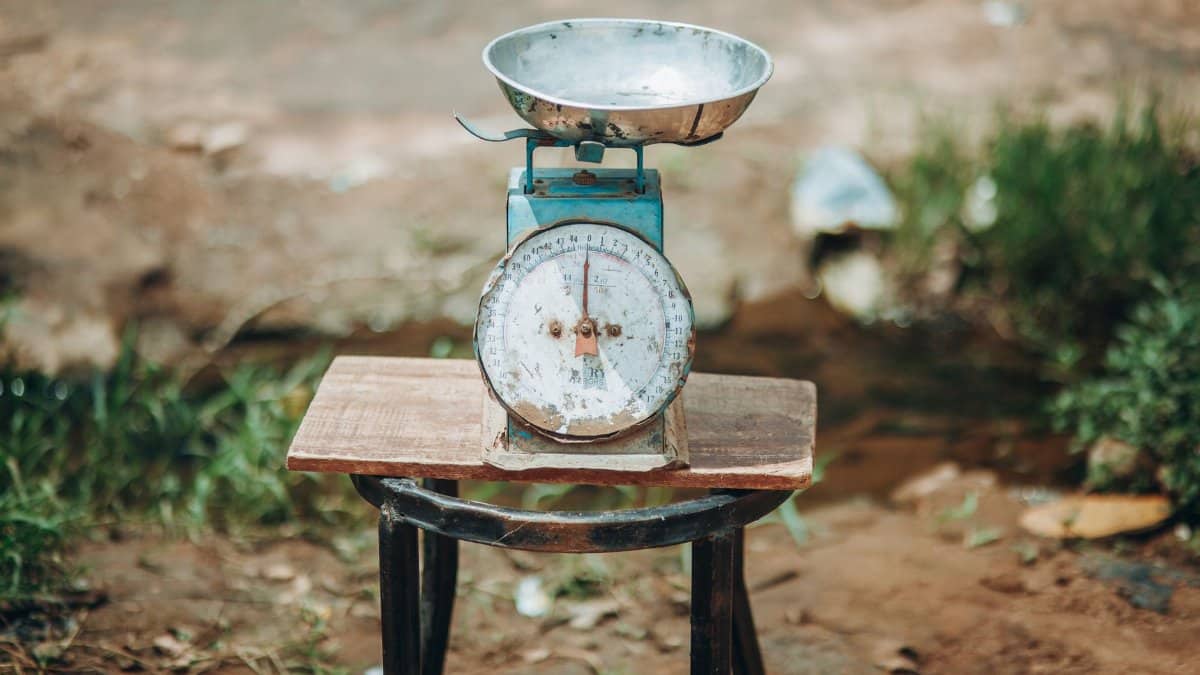
The same reporting puts daily water use as high as 150 gallons. That figure is the clearest measure of what the project required. A kitchen garden sip from a hose is one thing. A plant pulling that much water is closer to a small irrigation system, especially in a dry stretch of a Pacific Northwest summer, when rain cannot be counted on to finish the job.
Water is also risk. Too much at the wrong moment can split a fruit that has already invested months of growth. The skill is not simply turning the tap. It is matching supply to a living thing that changes weight by the day.
Why the Atlantic Giant became the standard
Competitive growers settled on the Atlantic Giant decades ago because the genetics answer a narrow question: how heavy can a pumpkin get under human care? The variety is not famous for flavor. It is famous for potential. Seeds from record fruits circulate among clubs. Growers trade notes on soil, pollination, and which vine to keep when a plant tries to set more fruit than it can finish.
Baird was working inside that tradition even if the setting was a city yard rather than a rural patch. The Joseph Baird giant pumpkin belongs to a lineage of weigh offs, club rules, and shared seed, not to a one off accident of weather.
Seattle as an unlikely stage

The city is known for rain, coffee, and hills, not for produce that needs a forklift. Cool nights and marine air can slow a heat loving vine. Long summer days help. A backyard grower has to read both. Shade from a neighbor house, a late cool spell, or a week of sun can change the curve of growth.
Urban growing also means an audience. A fruit this size cannot hide behind a fence for long. People walk dogs past it. Children ask if it is real. The spectacle arrives before any official weight.
What a thousand pounds actually feels like
One thousand six pounds is easier to say than to move. A fruit at that weight is not a wheelbarrow job. Getting it onto a scale, or even off the ground without tearing the stem or bruising the shoulder, takes planning, straps, and more than one person. The number matters to the record books. The handling matters to whether the fruit survives the trip from vine to platform.
In competition, a crack can disqualify a season. Growers pad the fruit, keep it off damp soil, and sometimes build a small sled. None of that drama appears in the final photograph of an orange mass on a trailer. It is all implied by the intact skin.
A weekly rhythm closer to care than to sport

Twenty five hours a week is a relationship with a calendar. Early in the season the work is soil and seedlings. Midseason it is vines, flowers, and the choice of which blossom becomes the one fruit. Late season it is protection: shade cloth when the sun is harsh, cover when nights drop, and constant checks for rodents or rot at the contact point with the ground.
People looking for a spiritual trend in ordinary life sometimes look past this kind of attention. The practice is not mystical. It is stubborn. Still, the Joseph Baird giant pumpkin required a form of devotion that many readers will recognize from other long projects: showing up when the result is not yet visible, and again when it is too visible to ignore.
The community that keeps the seeds moving
Giant pumpkin culture is social even when the patch is private. Clubs host weigh offs. Growers lend equipment. Someone always knows a better way to pollinate by hand or to keep a vine from kinking. Advice travels by text, by fairground conversation, and by the quiet status of a seed taken from a fruit that already proved itself.
That network is why a Seattle backyard result is not isolated trivia. It is one data point in a hobby that treats weight as a shared language. A new grower learns the vocabulary fast: the main vine, the secondary roots, the day the fruit is set, the week it seems to pause.
Limits of a city lot
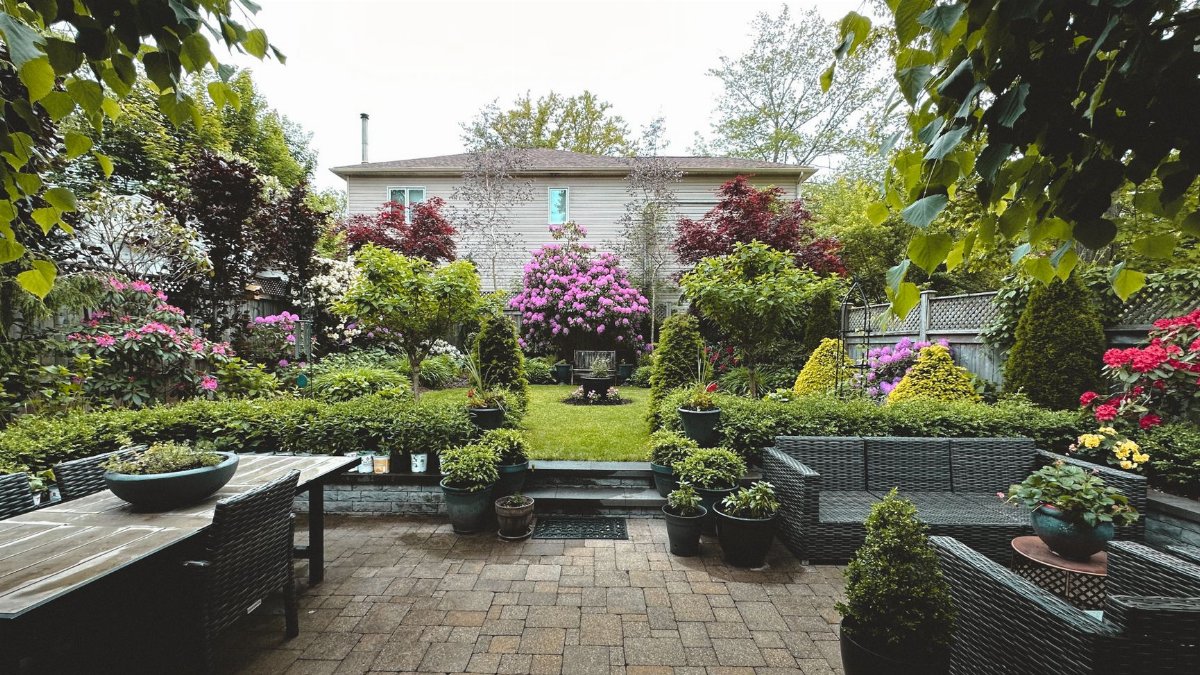
Space is the constraint that rural competitors can buy their way around. A backyard has edges. Vines want to run. A grower redirects them, buries nodes so they root, and accepts that the plant will press against whatever boundary the lot allows. Soil may be whatever the house came with, amended over years rather than engineered from scratch.
Those limits make the 1,006 pound result more interesting, not less. The Joseph Baird giant pumpkin was not grown on an open farm with room to spare. It was grown where most people store a grill and a rake.
After the number is recorded
A record or a personal best answers one question and opens others. What do you do with a fruit that large once it has been weighed? Some are displayed. Some are donated for processing, since the flesh of a competitive giant is not the point of the grow. Some return, in a small way, as seed for the next person willing to give up a summer of weekends.
The season ends abruptly compared with the months that built it. Vines collapse after frost or after the fruit is cut. The yard goes back to grass, or to mud, or to whatever the household needs in October. The photograph remains. So does the knowledge of what the schedule actually cost.
Attention as the real crop
It is tempting to treat the story as a novelty item, a man and a very large squash. The details argue for a plainer reading. One plant, one yard, a measured obsession with water and time, and a result that a scale could confirm. Readers do not need to join a club to take something from it. They might notice how little of the work is visible in the final object, and how much of modern life is the opposite: a result with the labor edited out.
Baird’s project kept the labor in view. Anyone who walked past could see the fruit. Anyone who read the account could see the hours and the gallons. That pairing is the story.
What the backyard proved
A city can still host an old kind of experiment: put a seed in the ground, give it more care than sense seems to require, and wait to see what the plant will do. The Joseph Baird giant pumpkin showed that the experiment still works on a residential lot, under marine weather, with a hose and a stubborn calendar.
The number will be surpassed. Records in this hobby move. What stays useful is the picture of the work, ordinary and excessive at once, and the reminder that a backyard is not only a backdrop. Sometimes it is the whole field.