
On a late summer afternoon in a California laboratory, a water sample sat under a plastic lid while a graduate student waited to learn whether the work would continue. The pause was not about a broken instrument. It was about a federal check that had stopped arriving. That quiet uncertainty is the human edge of the UC EPA grant settlement, a proposed agreement that would put nineteen million dollars back into University of California research on wildfire and water.
A deal that would lock the awards back in

According to reporting in the Los Angeles Times, the Environmental Protection Agency and the University of California have moved toward a settlement that would restore funding for twenty four research awards. The package is valued at about nineteen million dollars. The awards had been canceled during the Trump administration. A proposed deal would lock those awards in rather than leave them in the limbo of cancellation, appeal, and unpaid invoices.
For readers outside campus gates, the number can sound abstract. Nineteen million dollars is not a new dam or a new fire engine. It is salaries, field seasons, sample analysis, and the slow work of turning smoke and stream measurements into advice that cities and water districts can use. The UC EPA grant settlement matters because it treats those awards as commitments, not as optional extras that vanish when political winds shift.
What was taken off the table

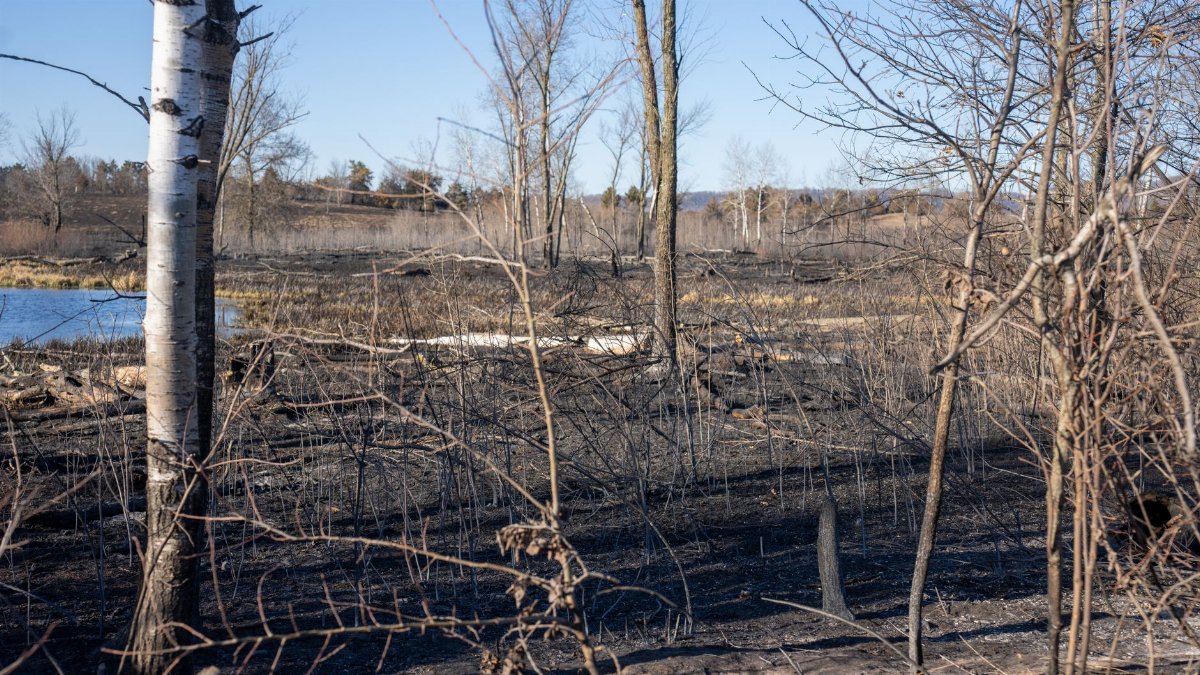
The canceled work sat at the intersection of two California emergencies that rarely stay in separate lanes. Wildfire changes what falls on hillsides. Rain then carries ash, sediment, and chemicals into reservoirs. Scientists who study one problem often end up studying the other. Federal grants are how public universities pay for that overlap when state budgets cannot cover every sensor and every season of fieldwork.
Cancellation does not merely delay a paper. It breaks sequences. A wildfire season cannot be rerun in a conference room. A wet winter that follows a burn scar is a measurement opportunity that does not wait for a new solicitation. When awards stop, crews are laid off, equipment leases end, and communities that agreed to host monitors are left without the follow through they were promised.
Wildfire research is a public service
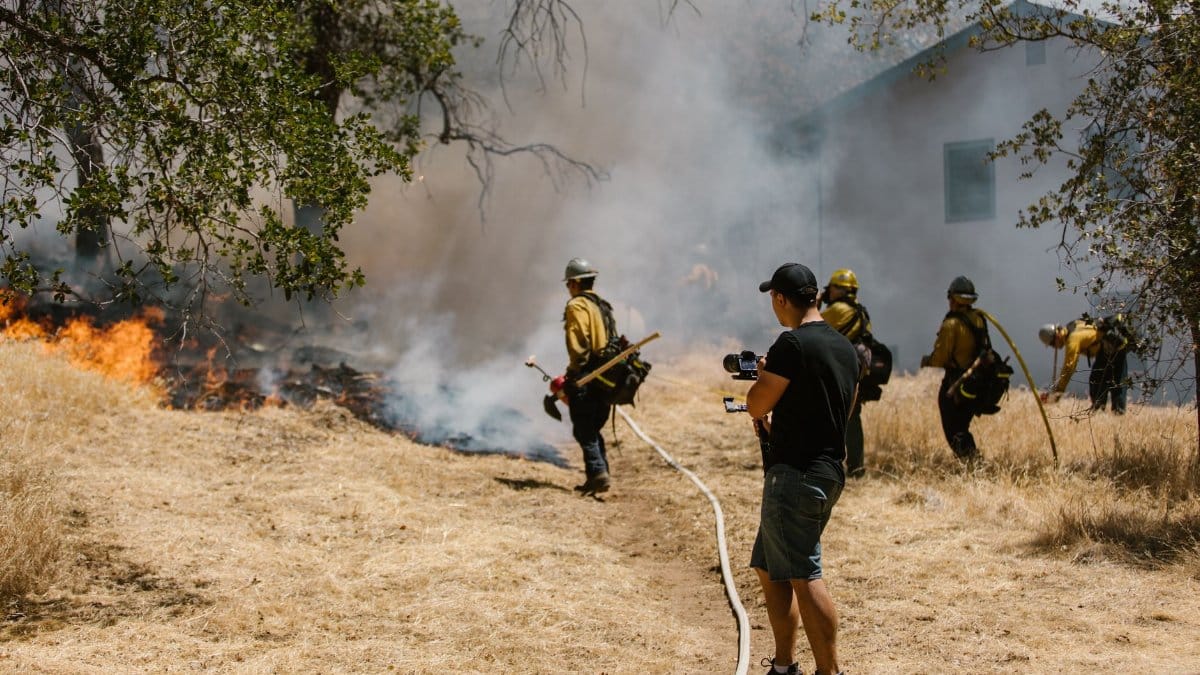
California does not need reminding that fire season has lengthened and that smoke now reaches cities far from the flame front. What the public does need is trustworthy measurement. How much particulate matter enters homes. Which neighborhoods see the worst indoor air. How fuel treatments change the next fire, not just the last one. University teams are often the ones who can stay with a question for years rather than for a single news cycle.
Restoring these awards would not extinguish the next blaze. It would keep trained people in the field and in the lab so that the next blaze is better understood. That is a modest claim, and it is the right size. Science funding is not a miracle. It is continuity. Without continuity, agencies improvise, and improvisation is a poor substitute for a record built over many seasons.
Water, ash, and the pipes people drink from
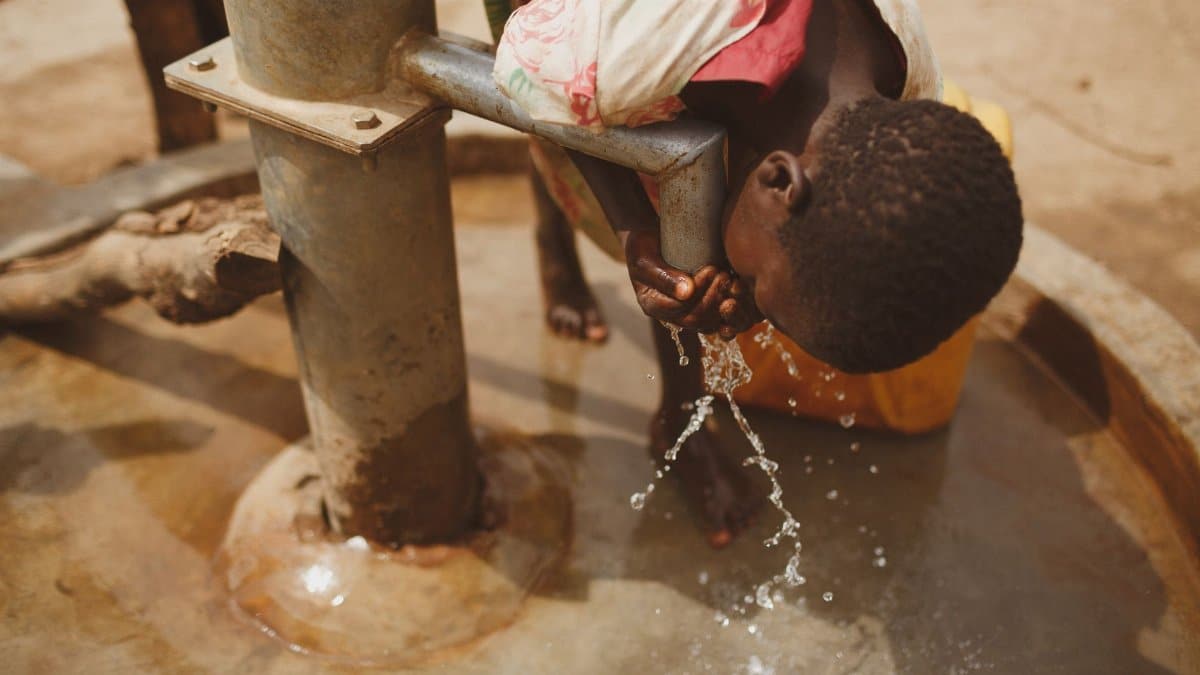
The water side of the portfolio is just as concrete. After fire, hillsides shed soil. Streams run brown. Treatment plants face sudden loads of organic material that can react with disinfectants and complicate the chemistry of drinking water. Utilities need to know what is coming down the watershed and how long the pulse will last. University researchers, working with public agencies, are often the bridge between a burned slope and a plant operator on a night shift.
A grant that covers sampling after a fire is useless if it arrives two years late. The UC EPA grant settlement, if finalized as described in public reporting, would be an attempt to put those clocks back in order. It would not rewrite hydrology. It would let existing teams finish work they had already been selected to do.
How competitive awards are supposed to work

Federal research awards are not gifts. They move through announcements, proposals, peer review, and negotiated budgets. A campus wins because reviewers judged the question important and the team capable. Once that judgment is made, investigators hire people and sign agreements with landowners and tribal partners. Cancellation after that point is not a routine budget trim. It is a breach of the expectation that a scored, selected project will be allowed to run its course unless misconduct or a clear legal bar appears.
The reporting available now does not lay out every legal theory in the dispute, and this account will not invent them. What is clear from the public description is the remedy under discussion: restoration of the twenty four University of California awards, totaling about nineteen million dollars, focused on wildfire and water. A settlement of that kind is a choice to end a fight by honoring selections already made.
Campuses feel a cancellation in payroll first

Research universities look wealthy from the outside. Inside a project, the money is already spoken for. A postdoctoral scholar has rent due. A technician has a contract that ends when the grant ends. Undergraduates who were promised a summer in the field lose the line on a resume that might have led to a career in public health or hydrology. Principal investigators spend weeks writing stop work letters instead of analyzing data.
Those costs do not show up in a headline about nineteen million dollars. They show up in delayed dissertations and in labs that become cautious about taking the next federal award. If scientists believe a signed award can vanish for political reasons, they will chase safer questions. The country then loses not only the canceled project but the bolder one that never gets proposed.
Politics and the reputation of federal science
Every administration sets priorities. Voters expect that. Environmental rules, enforcement, and research emphases change after elections, and scholars argue about those shifts in public. The harder question is whether a completed competition can be undone because a new set of officials dislikes the topic. Wildfire smoke and drinking water are not boutique interests. They are conditions of ordinary life in the West.
A settlement that restores the awards would send a narrower message than a grand speech about science. It would say that these particular selections stand. That message still matters. Agencies need researchers to trust the process enough to spend months writing proposals. Communities need to trust that a monitor installed with federal support will not be abandoned mid study because of a change in Washington.
What nineteen million dollars cannot buy
Honesty requires a limit. Nineteen million dollars will not rebuild every watershed damaged by fire. It will not replace aging treatment plants. It will not settle arguments about forest management, housing in the wildland edge, or how fast the climate is shifting the calendar of risk. Those fights belong to legislatures, agencies, and voters. Research can inform them. It cannot substitute for them.
The value of the restored awards is local and cumulative. One team maps how ash moves through a reservoir. Another tests indoor air after smoke events. Another works with a utility on treatment options when organic loads spike. None of those projects is a silver answer. Together they are how a public institution learns, in public, about hazards that do not respect campus boundaries.
Readers should watch the fine print
A proposed deal is not the same as money in an account. Settlements can stall. Conditions can limit which costs are reimbursed. Timelines can slip past the season a scientist needed. Californians who care about this story should look for confirmation that the twenty four awards are actually reinstated, that prior costs are eligible where fairness requires it, and that the scientific scope is the scope reviewers approved.
The Los Angeles Times account is the clearest public window so far on the UC EPA grant settlement. Until court papers or agency notices spell out the final terms, caution is the right posture. Hope is reasonable. Certainty is not yet earned.
A practical stake for people far from campus
It is easy to file this under campus news and move on. That would miss the point. The people who breathe smoke in the Central Valley, who haul water in a foothill town, or who run a treatment plant after a ridge burns are the downstream users of this research. They do not need a university press release. They need measurements they can trust and specialists who are still employed when the next fire season arrives.
Federal grants are one of the few tools that connect a national agency to a local watershed through a public university. When that tool is yanked away and then, perhaps, returned, the episode is not an inside story about grants administration. It is a story about whether the country will keep paying for the unglamorous knowledge that makes emergency response less blind.
The standard a settlement should meet
If the agreement holds, it should be judged by a simple standard. Did the selected teams get back to work without having to reinvent their projects to please a new political mood? Were students and staff treated as people with contracts, not as flexible costs? Did the Environmental Protection Agency and the University of California state, in plain language, what was restored and what was not?
Those questions are not hostile to either institution. They are how the public keeps score. The UC EPA grant settlement will be a success if it ends a cancellation that should not have interrupted work on fire and water, and if it does so without burying the reasons in jargon. Californians already live with smoke and with worried glances at the reservoir. They deserve research that keeps pace with that life, and a federal process that does not treat finished competitions as disposable.