

By midmorning the harbor light had already flattened into a hard, clear shine, the kind that makes the brick along Atlantic Avenue look newly washed. Commuters stepped out without reaching for umbrellas, and the flags above the waterfront stood straight rather than snapping in a storm gust. That small ordinary confidence is what the Boston Thursday forecast is selling today: a dry, breezy stretch under high pressure, with the real trouble delayed until the weekend.
A quiet sky after a restless week
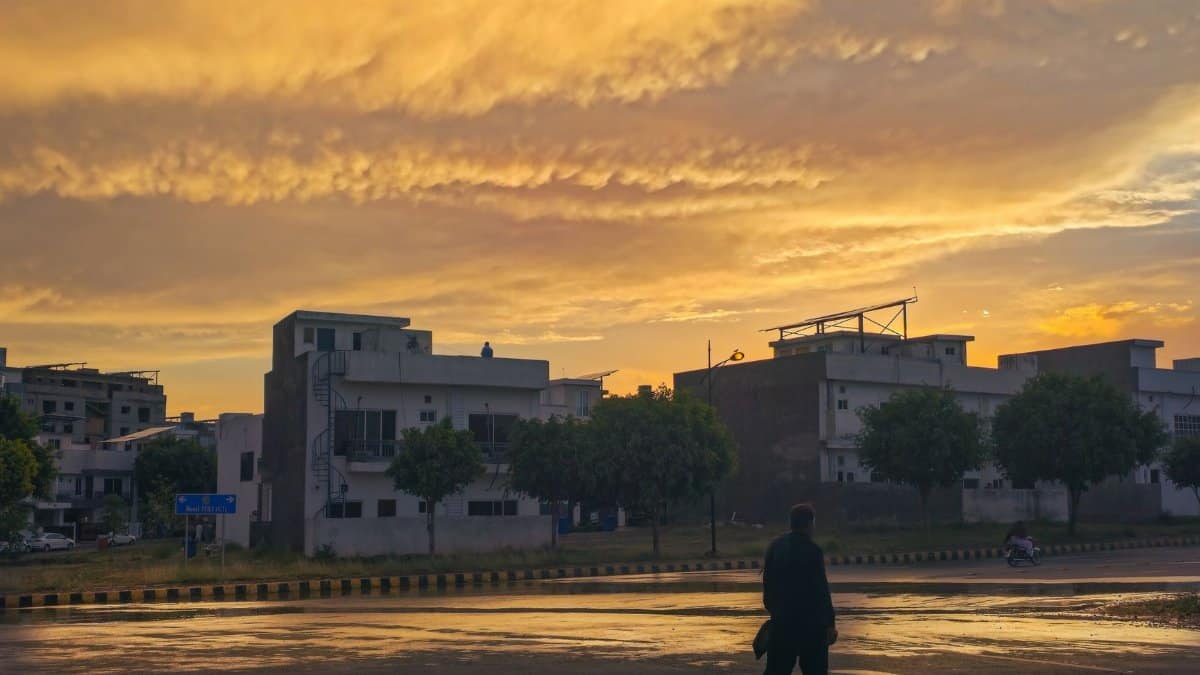
New England has spent recent days negotiating leftover clouds, a damp marine layer, and the usual argument between inland warmth and ocean chill. Thursday interrupts that argument. A broad area of high pressure sits over the region and keeps the atmosphere stable enough that showers struggle to form. Sunshine should dominate from the North Shore through the western suburbs, with only a few fair weather clouds drifting in during the afternoon.
For people who plan a day around the sky rather than a calendar, that distinction matters. A dry Thursday is not the same thing as a perfect one. The air will move. Jackets that felt optional at noon may feel necessary near the water by late day. Still, the absence of rain is the headline, and it is a useful one.
What high pressure actually does

High pressure is easy to treat as a slogan. In practice it is a large, slow dome of sinking air. As that air descends it warms slightly and dries, which discourages the towering clouds that produce showers. On a map the pattern looks dull. On the ground it feels like permission: school fields stay open, roofers keep a schedule, and the line at a harbor ferry moves without anyone checking a radar app every three minutes.
The same sinking motion also limits how much moisture can pile up overhead. Humidity should ease compared with the stickier stretches earlier in the month. That does not mean the air turns crisp in the old autumn sense. It means the day breathes. Forecasters watching the Boston Thursday forecast have been pointing to this setup for several cycles, and the models have largely agreed, which is as close to comfort as this business gets.
Temperatures that refuse a clean season

Highs should land in the seventies for much of Greater Boston, a little cooler on the immediate coast where an onshore breeze trims the warmth, a little warmer inland where the pavement and the tree cover hold the heat. Overnight lows settle in the sixties. That is late summer numbers wearing an early fall calendar. Gardens still look green. Office atriums still feel overcooled. People argue, pleasantly, about whether it is sweater weather.
The spread between coast and inland is the detail worth remembering. A reading at Logan can mislead someone standing in Newton or Framingham by several degrees. Conversely, a sunny backyard in the suburbs can make a waterfront walk feel unexpectedly cool. If you are dressing for the day, dress for the place you will actually stand, not for the single number in a phone widget.
The breeze is the story inside the story
Dry does not mean still. Thursday should be breezy, especially along open shorelines, bridges, and the higher streets that face the harbor. Gusts will not reach warning territory for most neighborhoods, but they will rearrange patio umbrellas and make a bike commute feel longer than the mileage suggests. Sailors will like it. Anyone carrying a stack of poster board will not.
Wind also changes how temperature feels. Sixty eight degrees with a steady breeze off the water is a different afternoon from sixty eight degrees in a sheltered courtyard. Meteorologists talk about this as apparent temperature. Everyone else just notices that the shade turned sharp. The Boston Thursday forecast is therefore less a promise of comfort than a map of small adjustments: sunglasses, a light layer, and a plan that does not depend on rain holding off at the last minute, because rain is not the threat.
Coast, city, and the hills west of town
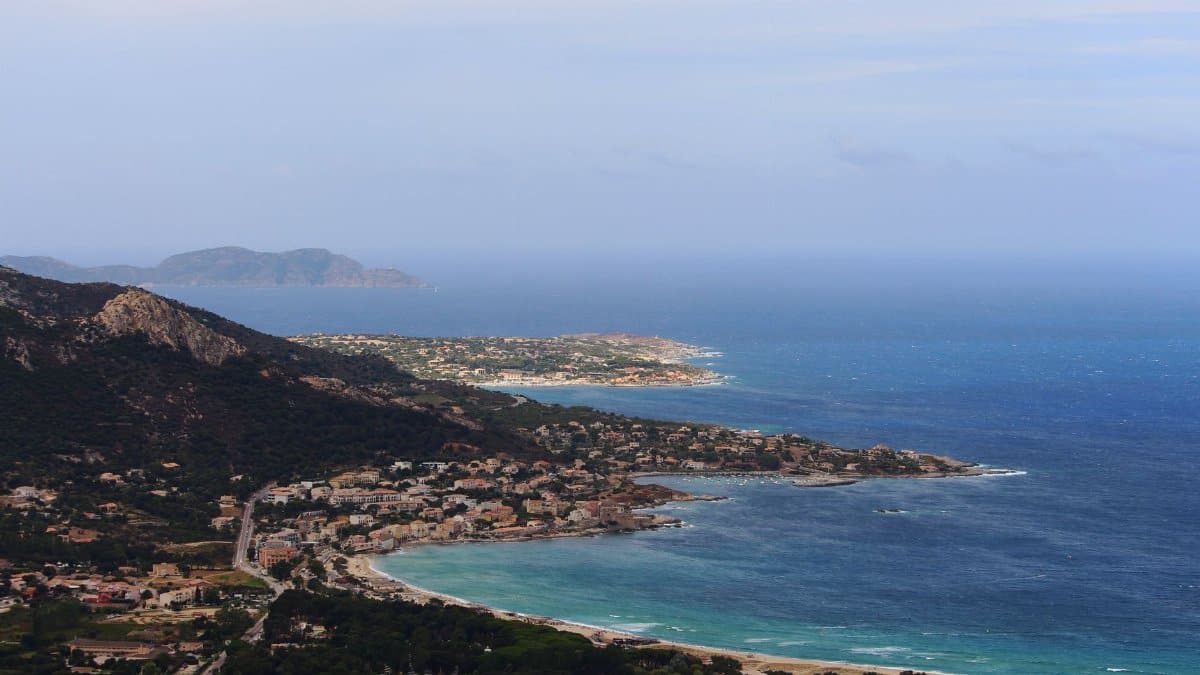
Boston proper sits in a transition zone that forecasters never quite escape. The ocean moderates extremes. The city core adds a little heat of its own. West of Route 128 the land rises, the marine influence fades, and sunshine can push readings higher before the evening drop. North of the city, toward Essex County, the breeze often arrives earlier and stays cleaner. South, toward Plymouth and the cape approaches, clouds can linger a little longer even on a high pressure day if a weak trough brushes the outer waters.
None of that overturns the regional picture. Thursday remains the dry day. What changes is texture. A partly cloudy mention in one town and a mostly sunny mention in the next can both be honest. Readers who treat a forecast as a single sentence for the whole state will feel betrayed by ordinary geography. Readers who treat it as a range will recognize the day when they step outside.
Why the weekend already shadows Thursday
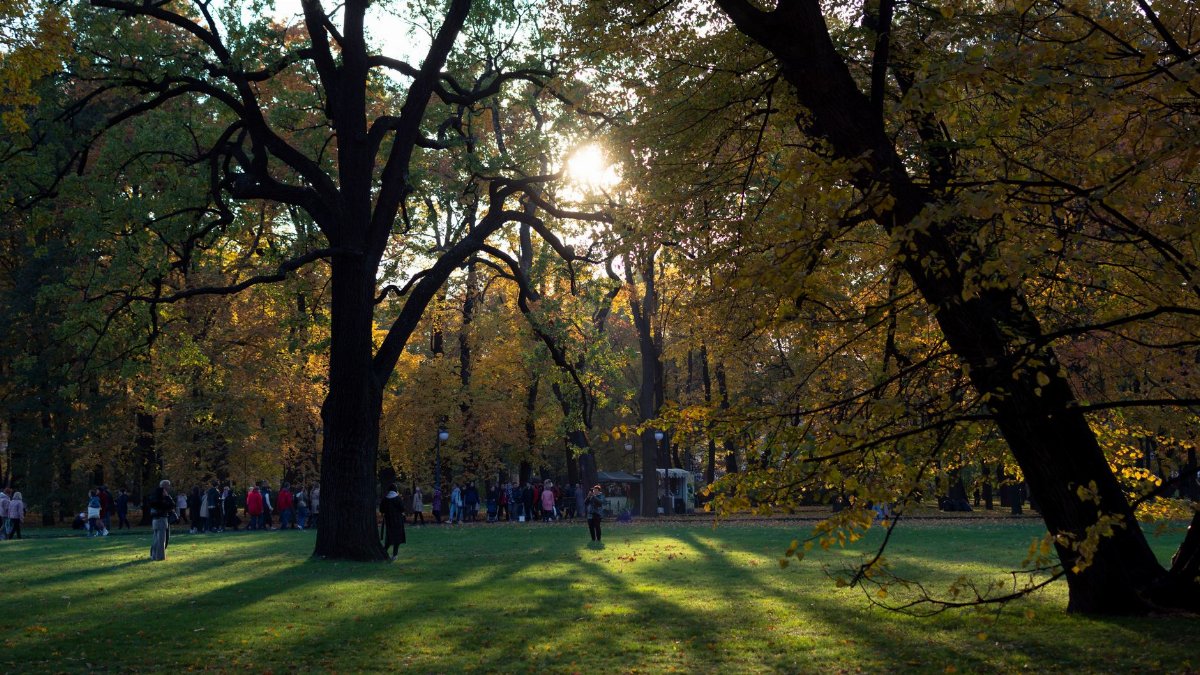
The reason Thursday feels precious is the system lining up behind it. A storm is expected to approach over the weekend, bringing a better chance of rain, thicker cloud cover, and a wind shift that could turn a pleasant breeze into something more organized. Timing still carries the usual uncertainty. Coastal low pressure can speed up, stall, or graze the region instead of crossing it directly. What is firmer is the contrast: Thursday is the pause, not the new pattern.
That contrast is why the Boston Thursday forecast keeps showing up in morning briefings and group chats. People are not only asking whether they need a coat. They are asking whether the cookout, the youth game, the outdoor shift, or the long drive can be placed on the dry side of the weekend line. A responsible answer is yes for Thursday, with a caveat that Friday evening is when plans should start bending.
How to read a forecast without performing expertise

A good forecast is a probability dressed as a sentence. When a meteorologist says sunny to partly cloudy, the phrase is doing real work. It allows for a few clouds without inviting a washout. When the same person says lows in the sixties, the number is a midpoint, not a contract. Microclimates, a sudden increase in cloud cover after sunset, and the simple fact of living on the third floor versus the ground floor can all nudge the thermometer.
The useful habit is to check twice: once in the morning for the shape of the day, and once in the late afternoon if an evening plan depends on wind or temperature. Radar matters less on a high pressure Thursday than wind and sky cover. If an app screams about a stray shower chance of ten percent, that is not the same information as a weekend system with broad agreement among models. Scale your concern to the scale of the threat.
Work, worship, and the outdoor hours

Weather still organizes civic life in a city that likes to pretend it has outgrown the sky. Thursday’s dry window is when crews finish exterior paint, parishes set chairs for an evening gathering, and campus clubs hold the meeting they postponed last week. None of that is trivial. A breezy, rain free afternoon returns hours that a storm simply takes. The spiritual calendars of a city, the ones built from funerals, festivals, and ordinary midweek services, run on the same atmosphere as the ball fields.
I walked the Commonwealth Avenue mall on a morning like this once and noticed how quickly people reoccupy public space when the forecast stops warning them. That is not sentiment. It is logistics. Benches fill. Street musicians return. The day lengthens in use even if the clock does not change.
What Thursday asks of the weekend

If you have errands that hate rain, move them forward. If you have travel that can bend, note that Saturday and Sunday carry the higher risk of wet roads and slower visibility, especially if the storm deepens near the coast. Thursday is the day to air out a damp basement window, to walk the dog without a towel in the bag, to let kids stay on the field through the last whistle. It is also the day to secure anything the next wind shift might lift: trash bins, lightweight furniture, a half finished banner on a fence.
None of this requires alarm. It requires sequence. Use the dry day fully, then give the weekend storm the respect of a plan B. High pressure will not last as a personality. It lasts as an interval.
The numbers, held lightly

Expect sunshine to partly cloudy skies, highs mainly in the seventies, lows in the sixties, and a breeze that freshens near the water. Rain is unlikely during the daylight hours in Boston and the near suburbs. Fog is not the main morning feature under this pattern, though a brief marine haze is always possible at dawn along the shore before the sun lifts it. By evening the sky should remain mostly clear enough for a late walk, with temperatures sliding back through the sixties rather than crashing into a hard chill.
Anyone comparing this to a deeper autumn pattern will notice what is missing: no widespread frost risk, no arctic front, no talk of the first accumulating snow. September, even late September, still belongs to a milder regime in eastern Massachusetts most years. The weekend system is a rain and wind question, not a winter question. Keep the categories straight and the day becomes easier to trust.
A city that listens to the wind

Boston has always been a place where weather is public speech. People quote the harbor the way other cities quote traffic. On a Thursday like this the speech turns milder. The Boston Thursday forecast, repeated on radios and in kitchen doorways, is really a short civic agreement: go ahead, the sky will cooperate until it does not. That agreement will expire when the weekend storm organizes. Until then the light stays hard and clear, the pavement stays dry, and the breeze does the only arguing.
Check a trusted local forecast once more before you commit an evening outdoors, especially if you are heading to the islands or the open coast where wind runs stronger than the downtown reading. Then put the phone away. The day is already doing what the maps said it would.