

On a weeknight in Center City, a host still smiles, a server still recites the specials, and the room still smells like garlic and butter. None of that tells you whether the walk in cooler held the right temperature at dawn, or whether a citation from last month has already been corrected. That private ledger is what Philadelphia food inspections are meant to keep, and this fall the city is circulating a draft guide that could make the rules easier to read and, for some kitchens, harder to shrug off. Recent citations at Stargazy and Heavy Metal Sausage have given the document a public face. The question is whether a clearer handbook changes what diners can trust, or only how the paperwork looks.
A draft guide after two names hit the page

The Philadelphia Inquirer has reported that the health department is sharing a new food safety guide with restaurant operators as inspectors continue their regular rounds. The timing is not abstract. Citations at Stargazy and at Heavy Metal Sausage put familiar addresses next to the usually dull language of compliance. Readers who never open an inspection file suddenly had a reason to ask what a write up actually means. A guide does not erase a citation. It can, if it is written in plain language, tell an owner what must be fixed before the next visit and tell a diner what the city claims to check.
City officials have not framed the document as a crackdown in the theatrical sense. They have framed it as instruction. In practice the two can look alike. When a department publishes expectations in one place, inspectors have a shared script, and operators have fewer excuses for saying they never saw the rule. That is why the draft matters even before it is final. According to reporting in The Philadelphia Inquirer, the guide is moving through the industry while those recent cases are still fresh.
What a citation is, and what it is not
A food inspection is a snapshot. An officer walks the line, looks at temperatures, hand sinks, date labels, pest evidence, and the habits that either protect a plate or put it at risk. A citation records what failed that day. It is not a verdict that the restaurant has always been dirty, and it is not a promise that tonight’s dinner is unsafe. Closures are rarer and more serious. Most write ups sit in a middle zone: correct this, document that, expect a return visit.
That middle zone is where public confusion lives. A bold headline can make a single missing thermometer sound like a scandal. Silence can make a pattern of repeat problems sound like nothing. Philadelphia food inspections only work as a civic tool if readers can tell the difference between a one time lapse and a kitchen that will not change. The draft guide will not do that sorting for the public by itself. It can still reduce the guesswork inside the industry, which is where most of the risk is either stopped or allowed to continue.
Why Stargazy and Heavy Metal Sausage matter beyond the names
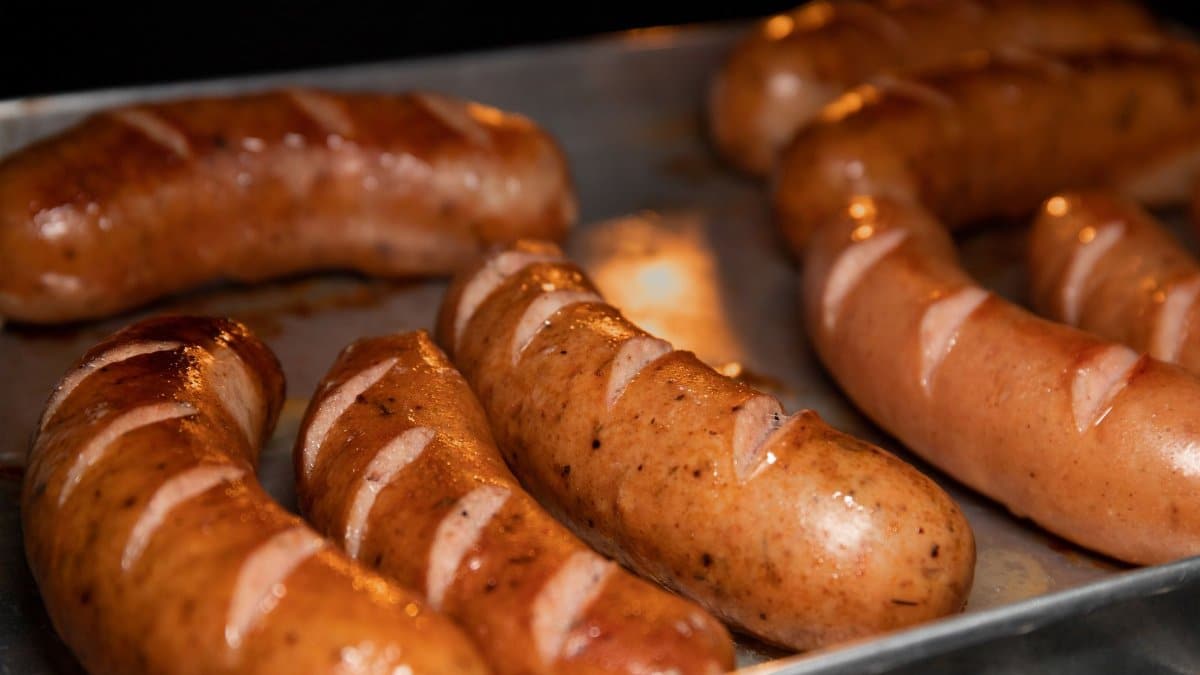
Stargazy and Heavy Metal Sausage are not stand ins for every dining room in the city. They are specific businesses with specific menus, staffs, and landlords. Treating them as symbols would be unfair. Treating the citations as irrelevant would be worse. When recognizable places appear in inspection news, neighbors pay attention in a way they do not when the address is unfamiliar. Attention can be useful. It can also be crude, collapsing a technical finding into a moral judgment about the people who cook there.
A fair reading starts with the record and stays there. What was cited. Whether the city required an immediate fix. Whether the restaurant stayed open. Whether a follow up visit cleared the item. Those facts belong in the public file, not in rumor. The Inquirer account places the new guide in that same news cycle, which is a reminder that policy often moves when a few cases make an old system visible again.
How the city already watches kitchens

Philadelphia’s health department has long inspected food establishments under state and local rules that track national food code ideas: hot food hot, cold food cold, hands washed, surfaces clean, pests kept out. The machinery is bureaucratic on purpose. Risk is not a mood. It is a temperature, a time, a cross contamination path from raw meat to a ready to eat garnish. Inspectors are trained to look for those paths. Owners are expected to know them before anyone with a clipboard arrives.
The system has always had a communication problem. Rules live in codes that lawyers can parse and line cooks often cannot. A guide, if it is short enough to post near a prep table, tries to close that gap. It will not replace the code. It may translate the parts that cause the most citations: cooling methods, date marking, sanitizer strength, employee illness policies, and the boring maintenance of sinks and thermometers. Those are not glamorous subjects. They are the subjects that decide whether a Saturday rush stays safe.
Tougher can mean clearer, not simply harsher

When people hear that inspections look tougher, they picture more fines and more locked doors. Sometimes that is what happens. Often toughness is a change in consistency. If one inspector accepts a handwritten log and another does not, the city does not have a standard. It has a lottery. A draft guide can narrow that lottery by telling both sides what good looks like. Operators who already run tight kitchens may barely notice. Operators who have been skating on ambiguity may feel the floor shift.
There is a cost to that shift, and it is not only moral. Small restaurants run on thin margins. A new cooler, a pest contract, or an extra hour of closing cleanup is real money. The public interest still sits with the guest who cannot see the cooler. A city that wants compliance without a wave of closures has to pair expectations with a path to meet them: time to correct, plain language, and inspections that return when they say they will. Punishment without instruction produces resentment. Instruction without follow through produces theater.
What diners can reasonably check

Most people will not read a health code, and they should not have to. They can still use the tools the city already offers. Inspection results, when posted online or available on request, are more informative than a Yelp star or a friend’s warning. A single older citation that was corrected is a different story from a string of the same failure. Philadelphia food inspections become useful to the public only when the record is easy to find and written so a non specialist can tell a hand sink problem from a sewage backup.
Inside the dining room, the signals are weaker than people think. A clean bathroom is a good sign and not a guarantee. A busy room is not proof of safety. Nor is a quiet one proof of danger. The honest stance for a guest is modest: look up the recent file if you care, ask the city if a closure is in effect, and resist the urge to convict a kitchen on a screenshot alone. Reputation travels faster than correction, which is why accurate reporting matters as much as the inspection itself.
The operator’s side of the clipboard

Talk to enough owners and a pattern appears that has little to do with excuses. Many want the rules. They do not want surprise interpretations. A draft guide is, at its best, a promise that the city will say the quiet part in advance. Cooling a stock from hot to cold within a set window. Keeping soap and paper towels at every hand sink. Separating raw and ready to eat work. Sending a sick employee home. None of this is new science. What is new, if the draft holds, is the chance that the explanation lives in one document instead of in the memory of whoever last trained the staff.
Training is the fragile part. Restaurants turn over cooks constantly. A guide that sits in a manager’s email will not survive a Friday night. A guide that is short, visual, and practiced on the line might. The city cannot cook the food. It can make ignorance a weaker defense. That is a legitimate use of Philadelphia food inspections: not to humiliate, but to make the expected behavior obvious enough that failure is a choice rather than a misunderstanding.
Neighborhood trust after a public write up

Food is local in a way many regulations are not. People return to the same corner because the owner knows their order, because the price fits a weeknight, because the room feels like theirs. A citation interrupts that loyalty. Some guests stay away for a month. Some never come back. Some show up the next day out of defiance or affection. None of those reactions is a food safety method. They are social weather.
The healthier civic habit is slower. Read what was found. Watch whether the business publishes a plain correction. Notice whether the city returns and clears the item. In a city as restaurant dense as Philadelphia, trust is a shared asset. One sloppy high profile case can stain a whole block in the public mind, which is unfair to the kitchens that pass every visit. Precision in news writing protects those neighbors as much as it informs the guest.
Where a handbook still cannot reach

No guide inspects a kitchen at 1 a.m. when the only people present are tired and behind. No paragraph in a PDF stops a manager from ignoring a cook who reports a fever. Philadelphia food inspections catch what is visible on the day of the visit and what records reveal about the days before. They miss what is hidden, hurried, or corrected ten minutes before the door buzzer sounds. That limit is not a scandal. It is the nature of sampling. A department that pretends otherwise will overpromise. A department that admits the limit can still raise the floor.
The draft also cannot settle every fight about tone. Industry groups will ask for flexibility. Public health advocates will ask for teeth. Both can be right in parts. Flexibility that swallows the temperature rule is not flexibility. Teeth that close a restaurant over a clerical miss, with no chance to fix it the same day, can punish the guest along with the owner. The art of the document is knowing which failures are immediate hazards and which are warnings.
What tougher should look like in the next season
If the guide is serious, the next season of inspections will show it in ordinary ways. Fewer arguments about what a rule meant. More citations that name the same standard in the same words. Faster reinspections when a restaurant claims a fix. Public postings that a careful reader can understand without a decoder. Those are measurable signs. A press release is not.
Diners should watch for something quieter than outrage. Did the cited places correct the record. Did similar violations drop at other addresses, or did they simply move. Did small operators get the document in a form they can use, or only a link they will not open. Philadelphia food inspections will look tougher in the meaningful sense if the city becomes more predictable, not if it becomes more dramatic. Predictability is how a cook learns the habit before the inspector arrives.
A standard worth reading twice

The draft now moving through Philadelphia’s restaurant world will not make dinner romantic, and it should not try. It should make the invisible parts of a meal less negotiable. Stargazy and Heavy Metal Sausage have already shown how quickly a citation becomes a public story. The guide, if it stays clear and if inspectors apply it evenly, is the less flashy half of the same story: a city trying to say, in advance, what it will no longer leave to chance. Readers can hold both the businesses and the department to that sentence. The plate on the table is only as trustworthy as the routine nobody photographs.