
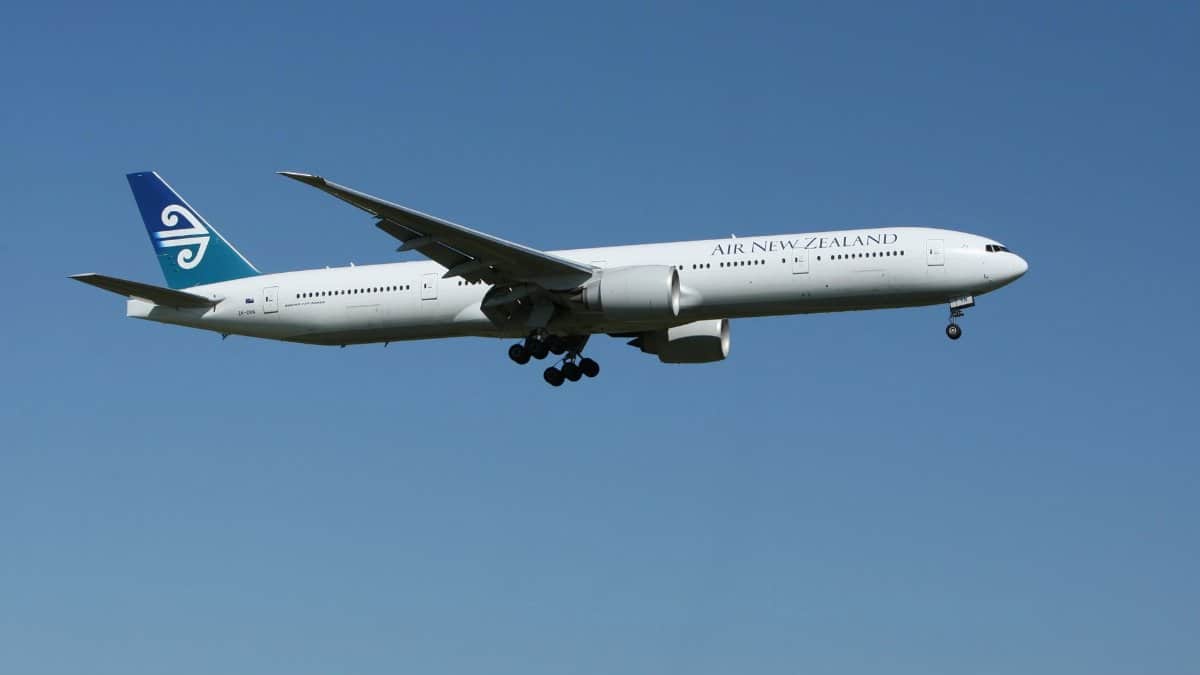
On a clear evening at San Francisco International Airport, the ordinary choreography of a departure stalled in plain sight. Bags were tagged, families had already said goodbye in the terminal, and the aircraft bound for Auckland sat ready while the clock moved without mercy. The disruption now known in traveler shorthand as the Air New Zealand SFO delay did not begin with weather, a mechanical fault, or a missing part. It began, according to reporting, with a clash between pilots during a layover, a human argument that left a flight unable to leave for 14 hours. For people who treat the Pacific crossing as a bridge between work, family, and home, those hours were not abstract. They were missed mornings, cold hotel pillows, and the strange intimacy of waiting with strangers who had expected to be over the ocean by dawn.
What travelers saw at the gate
Airports teach a particular kind of patience. Screens flicker, agents speak in careful tones, and passengers learn to read delay the way sailors read a changing sky. In this case the wait stretched far beyond the familiar half hour. Fourteen hours is long enough to exhaust a phone battery, to miss a connecting plan on the other side of the date line, and to turn a routine evening into a small civic event in a departure lounge. People compared notes. Some slept across seats. Others walked the terminal in loops, buying coffee they did not want because movement felt better than stillness.
The San Francisco Chronicle reported that a dispute involving pilots disrupted the Auckland service from San Francisco. The public picture remains incomplete, as these episodes often do. Airlines rarely narrate a crew argument in real time, and passengers are left with fragments: a late announcement, a promise of a hotel, a new departure that keeps sliding. What travelers can describe with confidence is the effect. A metal tube that should have been climbing over the Pacific stayed on the ground, and hundreds of itineraries bent around that fact.
A dispute that began away from the cockpit
The reported spark was not a failure in the air. It was a layover dispute between off duty pilots, the kind of conflict that belongs, in theory, to hotel corridors and private conversations rather than to a departure board. Aviation depends on a bright line between personal friction and the work of flying. When that line blurs, the system has only a few honest responses. One of them is to stop.
I have sat through enough delayed departures to know how quickly rumor fills a silence. Someone always claims to have heard the real story from a flight attendant. Someone else insists the airline is hiding a mechanical issue behind a softer explanation. The wiser posture is narrower. A reported clash is enough to explain why a captain or a first officer might be judged unfit to operate, without requiring the public to reconstruct every sentence that was said. Fitness to fly is not a mood. It is a standard.
Why a pilot clash can stop a departure
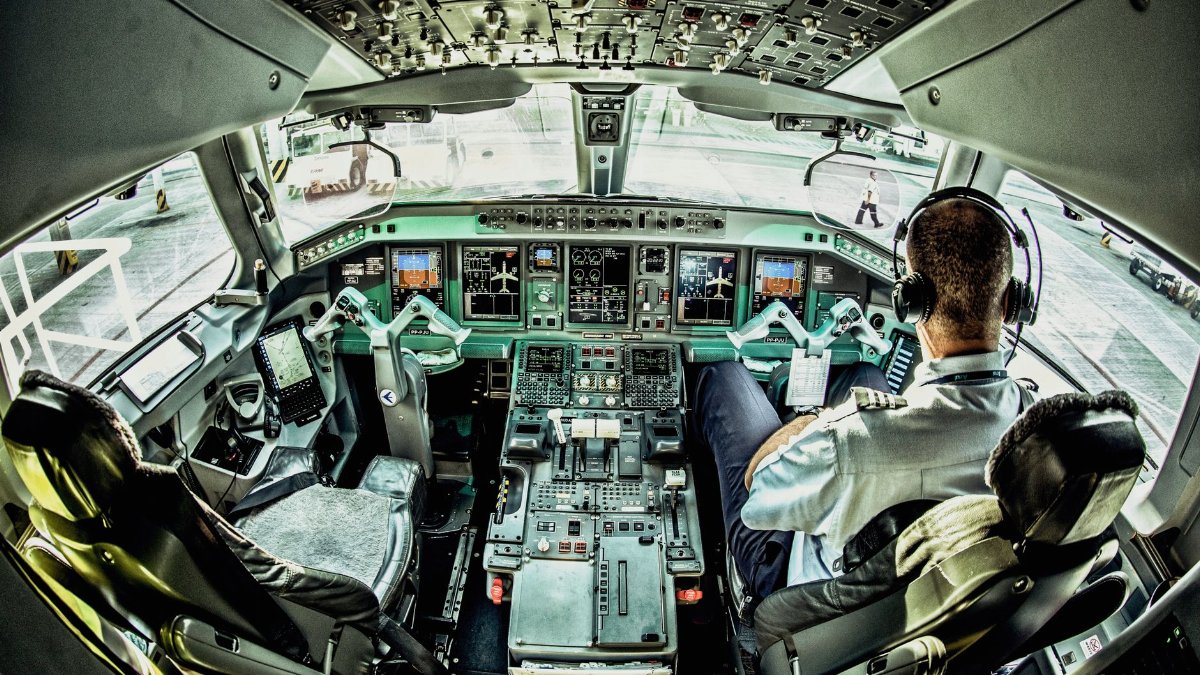
Modern airline flying is built on redundancy and on trust inside a very small room. Two pilots, sometimes more on an ultra long sector, share a cockpit for many hours with little privacy and no audience. Regulators and airlines treat interpersonal conflict as more than bad manners. If a crew cannot function as a team, the safe choice is to keep the aircraft on the ramp. A clash that leaves one pilot unwilling or unable to operate with another is not a scheduling inconvenience. It is a reason to rebuild the crew.
That rebuild is slower than passengers expect. A replacement pilot must be legal to fly, rested under duty time rules, qualified on the aircraft, and positioned at the airport. On a route between California and New Zealand, the bench is not a crowd of people waiting in the terminal with a uniform in a carry on. It is a careful roster stretched across time zones. The Air New Zealand SFO delay sits inside that constraint. Fourteen hours is what the calendar looks like when human resources, fatigue rules, and a long ocean route collide.
The rules that govern rest and fitness

Fatigue science is no longer a niche concern inside aviation. Duty limits exist because judgment decays before a pilot feels heroic enough to admit it. Those rules do not pause because a departure is already late or because a full cabin is angry. If anything, a disrupted layover makes the rules more important. Sleep lost to an argument is still sleep lost. An airline that waves a tired or unsettled pilot onto a Pacific sector to protect the schedule would be trading a visible delay for an invisible risk.
Passengers rarely see this ledger. They see a gate agent and a new estimated time. Behind that screen, dispatchers, crew schedulers, and duty managers are matching legality against geography. A pilot in a hotel across the bay is not the same resource as a pilot who can reach the aircraft within the hour. The public language stays bland. The private math is exacting.
How fourteen hours reshapes a Pacific crossing
A delay of this length does not merely push a departure later. It moves the entire shape of the trip. Arrival in Auckland slides into a different part of the day. Connections to Wellington, Christchurch, or onward Pacific islands may vanish. Travelers who planned to sleep on the aircraft and work the next morning instead spend a night in San Francisco and arrive already behind. Bodies that expected one circadian insult receive two.
There is also the aircraft itself. A wide body held for most of a day occupies a gate, a crew, and a maintenance window. The next rotation may slip. A delay born from a layover dispute can echo into another city by the following evening, even if that second group of passengers never hears the original story. This is how a private argument becomes a network event.
Hotels, meals, and the quiet math of waiting

When a flight cannot leave, the airline owes passengers more than an apology on a screen. Hotels, meal vouchers, and rebooking are the ordinary tools. They are also imperfect. A family of five does not experience a voucher the way a solo business traveler does. A passenger with a tight visa window or a funeral on the other side does not experience fourteen hours as a minor inconvenience with a complimentary breakfast. Compensation rules vary by ticket, by jurisdiction, and by whether the cause is judged within the airline’s control. A crew dispute usually sits on the airline side of that line, which is why travelers should keep every receipt and every written promise.
The Chronicle account is the clearest public anchor for what happened on this service. Readers who want the reported sequence can consult that story at the San Francisco Chronicle travel desk: https://www.sfchronicle.com/travel/article/air-new-zealand-pilots-22442910.php. What no single article can capture is the private cost, the missed shift, the child who will not settle, the older passenger who needed a familiar bed more than another terminal loop.
What airlines owe when crews cannot fly
Obligation here is both practical and moral. Practically, carriers must reaccommodate, feed, and shelter passengers when they cancel or severely delay a departure for reasons they control. Morally, they owe candor that does not violate privacy or inflame a workplace conflict. Naming pilots, repeating unverified insults, or turning a layover dispute into entertainment serves no one who still has to cross an ocean. A plain statement that the crew could not operate, followed by a real plan, is better than a fog of corporate language.
Air New Zealand has long sold itself on warmth and on a certain national ease. That brand does not exempt it from the same crew rules that bind every carrier flying into the United States. If anything, a reputation for care raises the expectation that care will extend to the people stuck in the terminal, not only to the marketing of the flight that never left on time.
San Francisco as a Pacific gateway
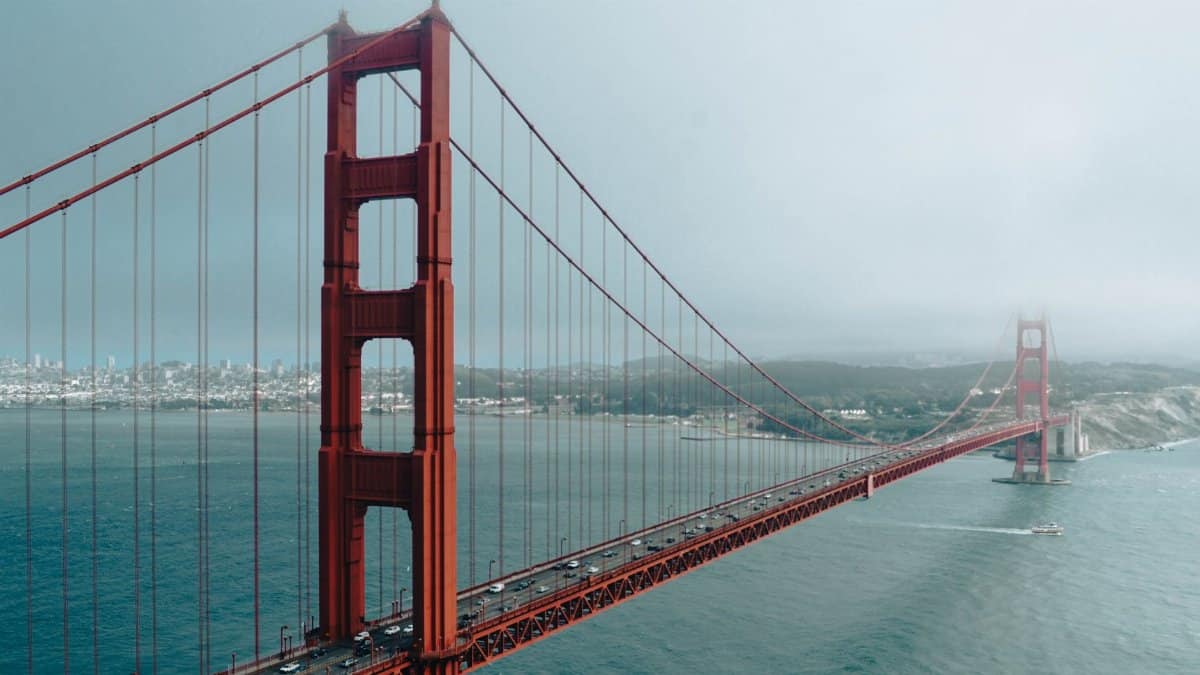
SFO is one of the great doors between North America and the South Pacific. Flights to Auckland are not casual hops. They are planned months ahead by migrants going home, by students starting terms, by people carrying wedding clothes and ashes and work laptops in the same suitcase. A gateway airport concentrates those stories. When one wide body stops, the terminal briefly holds a whole set of private urgencies in public view.
That concentration also explains why the phrase Air New Zealand SFO delay travels so quickly online. Travelers search the airport code because the airport code is how the day failed. They are not looking for a slogan. They are looking for a new time, a hotel address, and some sign that a human being is in charge.
The culture of the flight deck
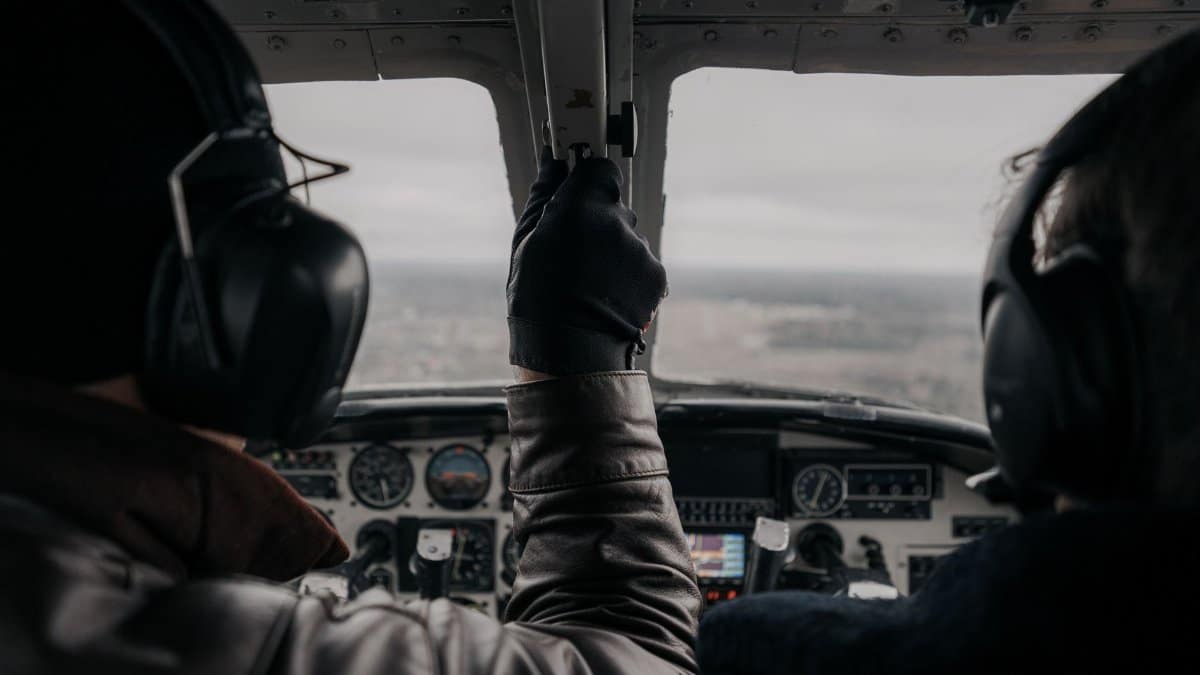
Cockpit culture has changed over a generation. The old model of unquestioned command has given way, unevenly, to crew resource management, in which the person in the right seat is expected to speak and the person in the left seat is expected to listen. That reform exists because silence has killed people. It also means that conflict cannot be dismissed as personality. A crew that cannot communicate is a crew that should not launch.
None of this requires the public to pick a hero in a layover argument. Off duty conduct still matters because the boundary between off duty and on duty is thin when the next sector is a legal duty and the hotel is a company room. Airlines train for technical failure more gladly than they train for bruised egos. The second problem is older, and it still grounds airplanes.
Trust, ritual, and the long wait
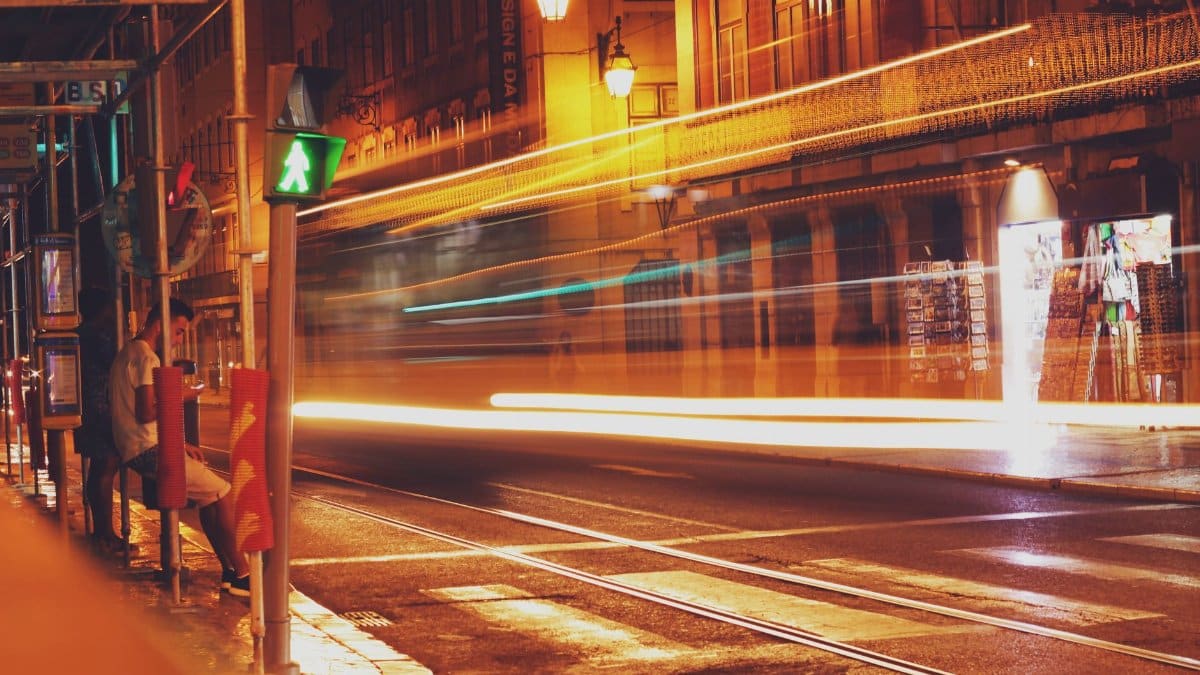
Travel has its own quiet rituals. People arrive early. They watch the same safety video they have memorized. They bargain with time. A severe delay breaks the ritual and exposes the faith underneath it: faith that strangers in uniform will be rested, civil, and competent. When that faith is shaken by a reported clash, passengers do not need a sermon. They need the airline to restore the conditions of trust, which in this case meant a legal crew and a new departure, however late.
There is a spiritual dimension to waiting only in the modest sense that waiting reveals character. Some people share chargers. Some people snap at agents who cannot invent a pilot. The terminal becomes a temporary parish of inconvenience. The lesson is not that delay ennobles anyone. The lesson is that systems built on human beings will sometimes stop for human reasons, and that honesty about those reasons is part of safety.
What this episode does not prove

A single disrupted departure does not indict an airline, a nation, or the profession of flying. Pilots argue, as doctors and judges and journalists argue, because they are people under strain. The test is what happens next. Did the carrier remove the conflict from the operation. Did it protect the cabin. Did it tell passengers enough to plan their lives. On those questions, a 14 hour hold can be evidence of caution rather than collapse, provided the hold was truly about fitness and not about pride.
It also does not prove the wilder versions that spread in group chats. Until a company, a regulator, or a court puts more on the record, the responsible account remains the reported one. A layover dispute between off duty pilots disrupted the Auckland bound flight from San Francisco. That sentence is already serious. It does not need embroidery.
Practical lessons for the next ocean flight
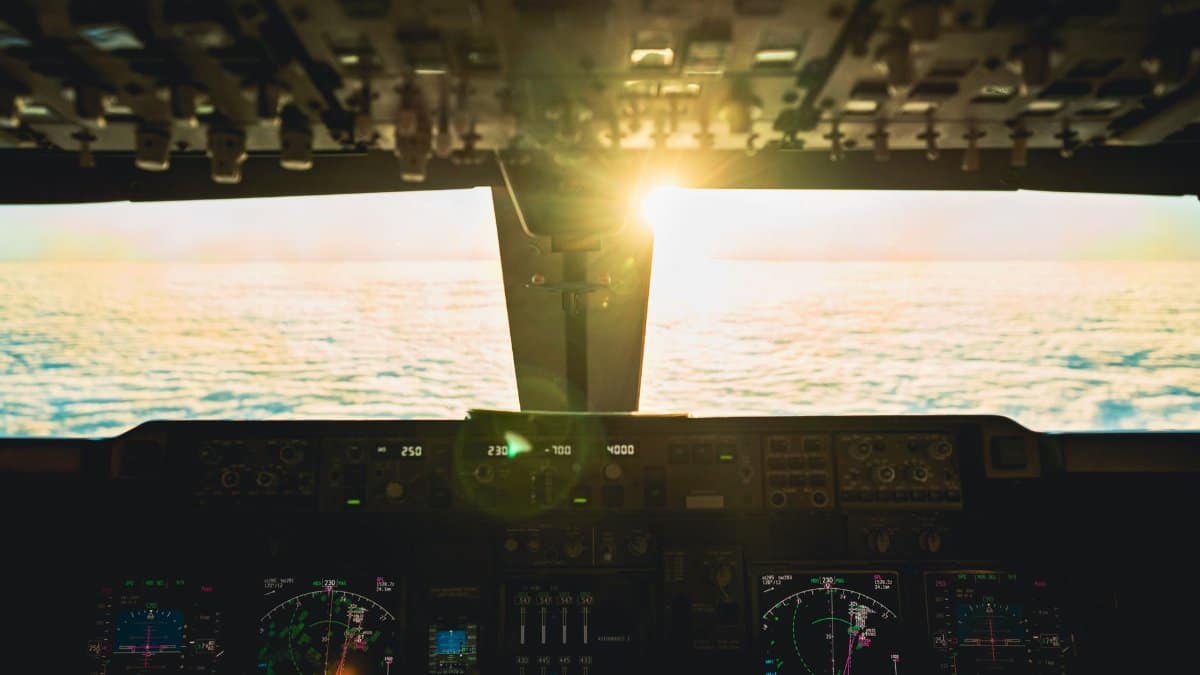
Travelers cannot prevent a crew clash, but they can refuse to be helpless when the board goes red. Keep boarding passes and booking references offline. Photograph the delay announcement if the app is vague. Ask, in writing if possible, whether a hotel and meals will be provided. If a connection will break, request protection on the next legal itinerary before the line at the desk becomes a crowd. Travel insurance that covers delay is dull until the night you need a room the airline will not confirm.
For anyone monitoring a similar disruption, search the carrier, the airport, and the date together. The Air New Zealand SFO delay is a useful label for this episode because it points to place and carrier at once. It should not become a permanent verdict. Routes recover. Crews are replaced. The aircraft eventually leaves, and the ocean does not care who was angry in a hotel the night before.
After the argument, the crossing still has to be earned
When the flight finally pushed back, the original dispute was no longer the point. The point was whether the people then in the seats up front were fit, briefed, and willing to work as a crew. That is the only ending that justifies the wait. Passengers who lost a day are entitled to frustration. They are also entitled to arrive. A Pacific flight is a promise measured in fuel, law, and temperament. Break the temperament and the other two must wait.
The Air New Zealand SFO delay will fade from the departure board and linger in a few inboxes, insurance claims, and family stories. It is a reminder that the most sophisticated journey in ordinary life still depends on a handful of people being able to share a small room without letting a private clash become a public risk. Fourteen hours is a long time to learn that. It is a shorter time than the alternative.