
On a gray afternoon in Allston, the errand that once ended at a familiar counter now begins with a longer trip. People who need a money order, a held package, or a clerk who can answer a simple question have learned to leave the neighborhood. After seven years without a branch, residents learned the promised replacement is off, and the Allston post office USPS has become a shorthand for a federal service that never returned.
A storefront that stayed dark
Allston is dense, rented, and always in motion. Students cycle through apartments. Families stay. Small shops open and close along the main roads. Through all of that churn, a post office is supposed to be the dull constant: a place with hours, a scale, a clerk, and a lockbox. For seven years that constant has been missing. The absence is no longer a temporary inconvenience that neighbors can shrug off while construction finishes or a lease is signed. Officials now describe the closure as likely permanent, and the replacement that residents were told to expect is not coming.
That shift in language matters. A delay invites patience. A cancellation invites anger. City and state officials have treated the news as a broken public promise, not a routine real estate decision. In their telling, the Postal Service asked a neighborhood to wait, then withdrew the thing people were waiting for.
What the wait actually cost
Mail still arrives. Carriers still walk the streets. The complaint is not that letters have vanished from porches. The complaint is that a full service counter disappeared, and with it the transactions that cannot be finished on a phone. A person without a car may need a ride or a long bus trip to buy a money order, file a passport application, or retrieve a package that will not fit in a lobby. An older resident who planned the week around a short walk now budgets extra time and extra worry.
In a neighborhood of renters, packages are not a luxury. They are how people receive medicine, documents, replacement keys, and the ordinary goods that apartments cannot store in bulk. When a carrier leaves a notice instead of a parcel, the next step used to be a few blocks away. Now the next step is a different part of the city, often during work hours, often with a line. Seven years of that friction adds up to something larger than inconvenience. It becomes a tax on time, paid most heavily by people with the least flexibility.
Why officials are speaking with one voice

Boston officials have slammed the Postal Service in unusually direct terms. The criticism crosses the usual lines of local politics because the injury is so plain. A basic federal function left a dense urban neighborhood and did not come back. Lawmakers argue that Allston did its part by waiting. They argue that USPS did not do its part by delivering a replacement.
The anger is also about process. Residents say they heard assurances over the years that a new site was being pursued. Assurances without a counter are hard to defend once the agency signals that the search is over. Elected officials are now asking, in public, what those assurances were worth and who is accountable when a federal agency walks away from a neighborhood it still serves by truck.
The Allston post office USPS as a civic habit
It is easy to treat a post office as nostalgia, a relic from an era of handwritten notes. That framing misses how people actually use the place. The Allston post office USPS, when it existed as a working branch, was a weekly habit for some and an emergency stop for others. It was where a new arrival picked up a document that could not be emailed. It was where a parent sent a package before a holiday cutoff. It was where a small landlord bought stamps in bulk and where a student shipped a box home at the end of a lease.
Those tasks sound minor until the building is gone. Then each one requires a plan. The ritual was never spiritual in a formal sense, but it was a kind of ordinary trust: you walked in, you took a number, a public institution was there. Losing that trust does not make headlines every week. It shows up in missed pickups, extra fares, and the quiet decision to stop using a service because the service made itself too hard to reach.
Small businesses without a nearby window
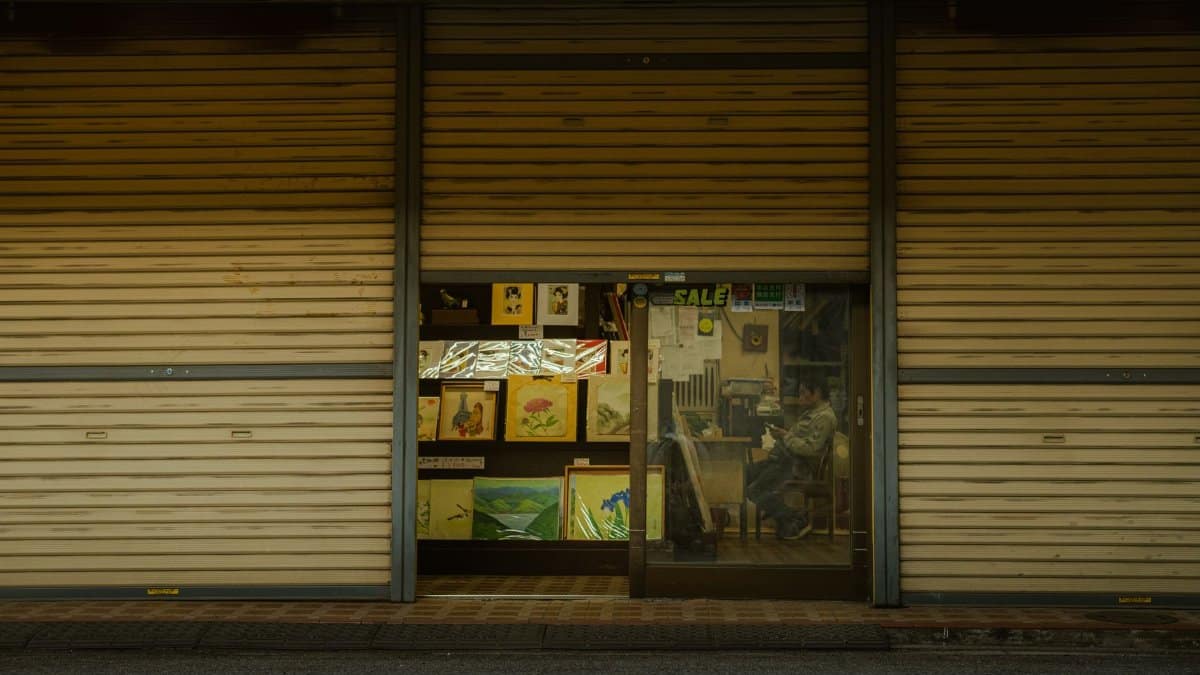
Allston’s commercial strips depend on low overhead and quick errands. A cafe, a tailor, a repair shop, or a startup run from a spare room does not keep a shipping department. Owners walk a parcel to the counter between customers. They buy a roll of stamps. They ask whether a piece of mail can go out the same day. When the nearest full service window is no longer nearby, those errands collide with staffing. Someone has to leave the shop. Someone has to close early. Online labels help, but they do not replace every counter transaction, and they do not help a customer who walks in holding a letter that still needs a stamp and a human answer.
Business groups in the city have long argued that neighborhood post offices function as infrastructure, closer to a transit stop than to a gift shop. If that argument is right, a permanent gap in Allston is not a lifestyle story. It is a cost imposed on the people least able to absorb another weekly disruption.
Students, turnover, and a moving population

Allston’s population turns over faster than most Boston neighborhoods. That fact is sometimes used to suggest that a missing branch will be forgotten by the next wave of renters. The opposite is closer to the truth. New arrivals do not inherit the memory of the old counter, so they do not know where to go when a package fails or a form must be mailed with proof. They discover the gap at the worst moment, usually alone, usually on a deadline. Longtime residents, meanwhile, remember the promise and measure each year against it.
A neighborhood can hold both experiences at once. The newcomer feels confusion. The longtimer feels betrayal. Officials are speaking for both, because a public service is not supposed to depend on whether you arrived before or after the doors locked.
What a federal agency owes a dense city
The Postal Service is under real pressure. Letter volume has fallen for years. Package demand rises and falls with the retail economy. Buildings cost money. A rational manager looks at square footage and asks whether a counter still pays for itself. Residents hear a different question. They ask whether a public obligation can be retired because the lease is inconvenient.
Those two questions do not cancel each other. USPS can acknowledge costs and still be expected to maintain access in a crowded urban district. Boston officials are not demanding a palatial new hall. They are demanding a working branch, or at least a clear public account of why the promised replacement died. Silence, or a brief notice that the plan is off, reads as disregard.
The politics of a closed counter

Local government cannot order the Postal Service to sign a lease. That limit is part of the frustration. Councilors and legislators can write letters, hold hearings, and stand on sidewalks. They cannot unlock a door. When they slam the agency, they are using the only leverage they have: attention, and the threat of sustained political heat.
There is also a fairness argument that travels well beyond Allston. If neighborhood branches close quietly in renter heavy districts and survive in places with more political weight, the map of service starts to look like a map of influence. Officials are trying to prevent that pattern from hardening. They want the Allston post office USPS treated as unfinished business, not as a closed file.
Packages, passports, and the errands that remain
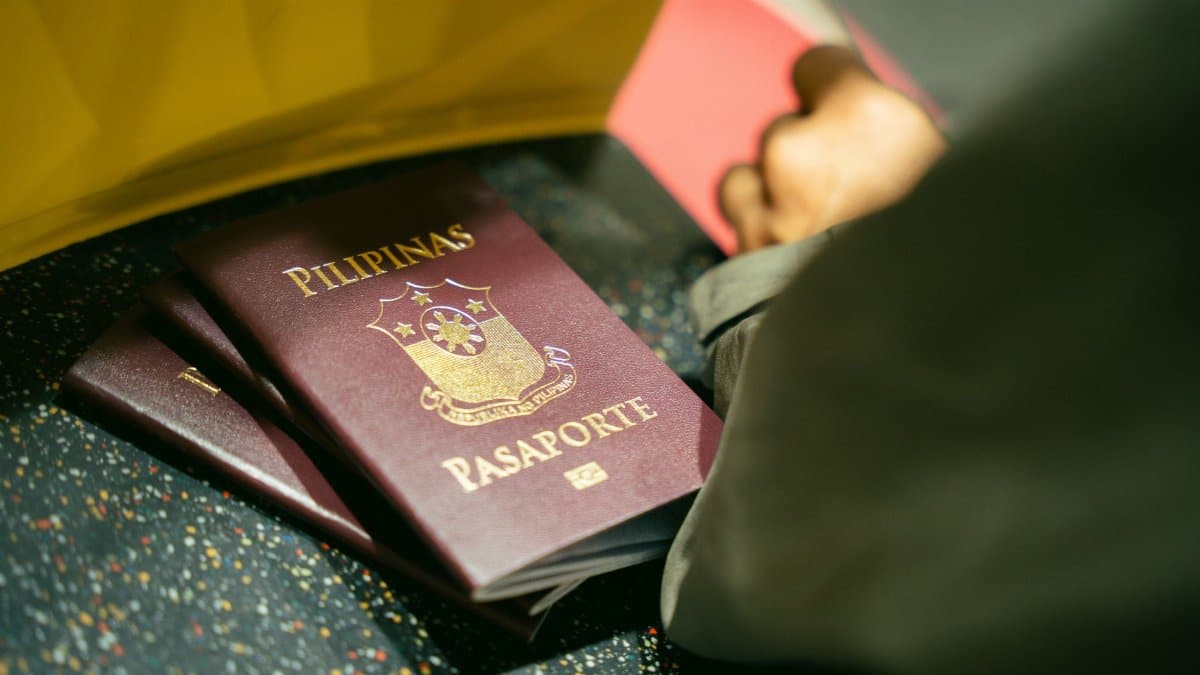
Some needs have workarounds. Shipping companies occupy storefronts. Pharmacies sell stamps. Apps generate labels. None of those substitutes covers the full list. Passport acceptance, certain money orders, held mail, and the simple ability to speak with a postal clerk are still postal tasks. A resident who must appear in person cannot be told to download a better routine.
Winter makes the gap sharper. Sidewalks narrow. Buses run late. A trip that is annoying in September becomes a genuine barrier in January for anyone with limited mobility. Accessibility is not a slogan in that season. It is the difference between completing an errand and postponing it until the paperwork expires.
How neighbors have adapted
Adaptation is not the same as acceptance. People share tips about which distant branch has a shorter line. They time visits for midmorning. They ask friends with cars for favors. Landlords tape new instructions near mailboxes so tenants know a notice slip may mean a crosstown journey. These are resourceful habits, and they deserve respect. They should not be mistaken for a solution the Postal Service designed.
The risk of adaptation is that it lowers the visible pressure. If enough people quietly cope, an agency can treat the missing branch as settled. Boston officials are trying to interrupt that settling. They want the coping to remain visible as evidence of harm, not as proof that the neighborhood has moved on.
A record of assurances
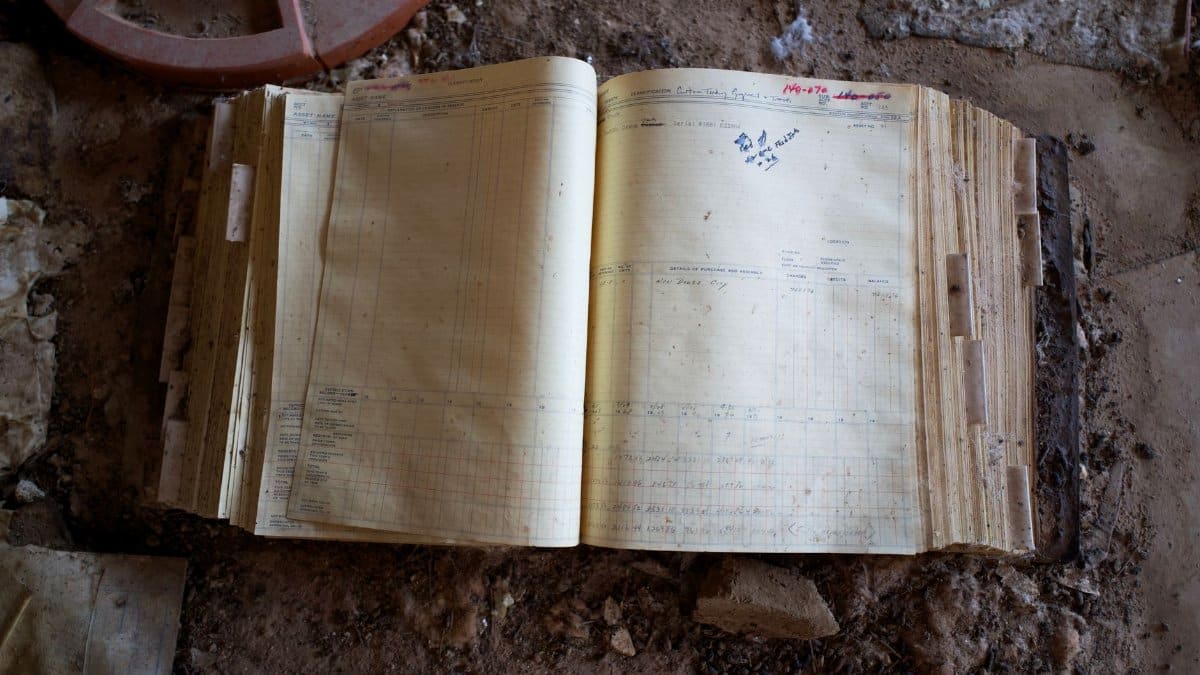
The sharpest part of the dispute is the record of what residents were told. For years the public story was not “this office is gone for good.” The public story was that a replacement was in prospect. People planned around that prospect. They delayed complaints. They gave the agency time. Learning that the replacement is off converts patience into a political fact. It suggests that waiting was not a path to service. It was a way of managing disappointment until the disappointment could be made official.
Journalists and residents will keep asking for the paper trail: site searches, rejected leases, cost estimates, and the moment when “soon” became “not at all.” Without that record, the Allston post office USPS remains a rumor mill as much as a service failure. With that record, the city can argue from evidence rather than from mood.
What would count as repair
Repair does not require poetry. It requires a counter with posted hours, staff trained for the transactions people actually need, and a location reachable on foot or by a short transit trip from the heart of Allston. A temporary retail partner might ease package pickup, but it will not satisfy officials if it excludes core postal services. A promise of future study will land even worse. The neighborhood has already lived through the study phase.
USPS could also repair trust without an immediate grand opening, though that path is narrower. A public timeline, a named official responsible for the search, and regular briefings to city leaders would at least replace fog with dates. Even that modest step has been missing often enough that residents treat new statements with skepticism. Credibility, once spent, is not reissued like a stamp.
The larger meaning of a missing branch

Cities reveal their priorities in the buildings they keep open. Libraries, clinics, schools, and post offices are where a public claim becomes a door you can push. When one of those doors stays shut for seven years, and then the replacement is canceled, people draw a conclusion about their standing. They conclude that their errands are optional in the eyes of an institution that still collects their business on the street every day.
That conclusion may be harsher than any single manager intended. Institutions are made of budgets, leases, and rules written far from Harvard Avenue. Intent does not deliver a package. Presence does. Until presence returns, the criticism from Boston officials will sound less like theater and more like a description of the block.
What residents are watching for next

The next chapter is short on mystery. Either the Postal Service reopens a search and says so with specifics, or it confirms that Allston will remain without a branch and accepts the political fight that follows. Residents will watch for a site address, a construction date, or a frank admission. They will not be moved by another season of vague hope.
In the meantime the Allston post office USPS sits in civic memory as a service owed and not delivered. Carriers will keep walking. Boxes will keep arriving at doorsteps. The line that should form on a side street in Allston will keep forming somewhere else, or it will not form at all, because someone decided the trip was no longer worth it. That is the quiet outcome officials are trying to prevent, and it is already seven years underway.