
On a Tuesday evening in a suburban Minnesota grocery, the refrigerated aisle does the quiet work of American dinner. Shoppers pass eggs and shredded cheese and reach for a tube that promises cinnamon, sugar, and a small packet of icing. For General Mills, that ordinary reach has become a test of whether a familiar brand can stop a long slide. After eight down quarters, renovated General Mills Pillsbury dough finally steadied, a turn the company has tied to cinnamon and icing as much as to any grand strategy. The story is smaller than a merger and larger than a recipe tweak. It asks what happens when a pantry staple loses its place in the cart, and what it takes to win that place back without pretending that sugar alone can rewrite a balance sheet.
A freezer door that stopped swinging shut
Refrigerated dough is easy to overlook until it falters. It sits behind glass, cold and cylindrical, competing with leftovers, takeout, and the quiet decision to skip breakfast. When volume slips for quarter after quarter, the miss is not abstract. It shows up as fewer trips, smaller baskets, and a brand that still owns nostalgia but no longer owns the next Saturday morning.
General Mills, based in Golden Valley, has spent years defending a portfolio that runs from cereal to snacks to pet food. Dough is not the largest piece of that portfolio. It is, however, one of the most visible. A tube of crescents or cinnamon rolls is a small purchase with a large memory attached. When that purchase weakens, investors and store managers notice for the same reason families do. The product is supposed to be automatic.
Local coverage of the latest results described a line that had finally stopped falling after eight consecutive quarters of decline. Stabilizing is not the same as thriving. It is the first honest sentence in a recovery: the floor held.
What renovation meant in the aisle
Food companies use the word renovation the way other industries use redesign. The package changes. The dough formula changes. The icing changes. Sometimes the portion changes. The goal is to give a shopper a reason to pick the familiar name instead of a cheaper tube or a bakery item already finished.
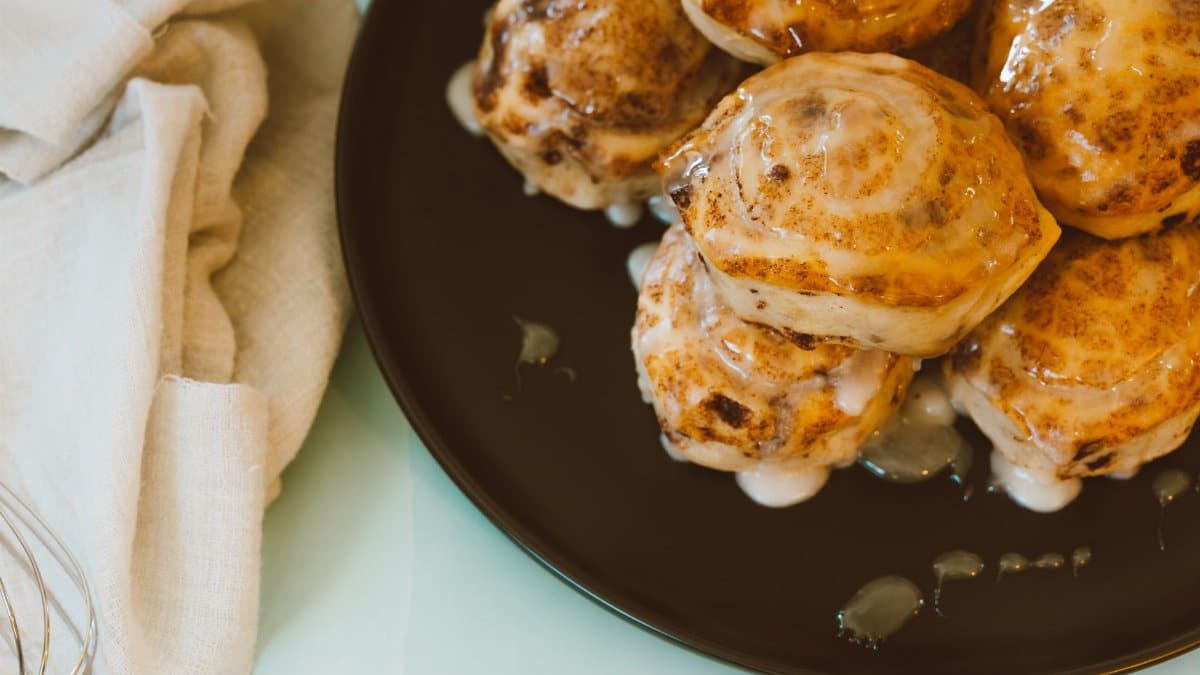
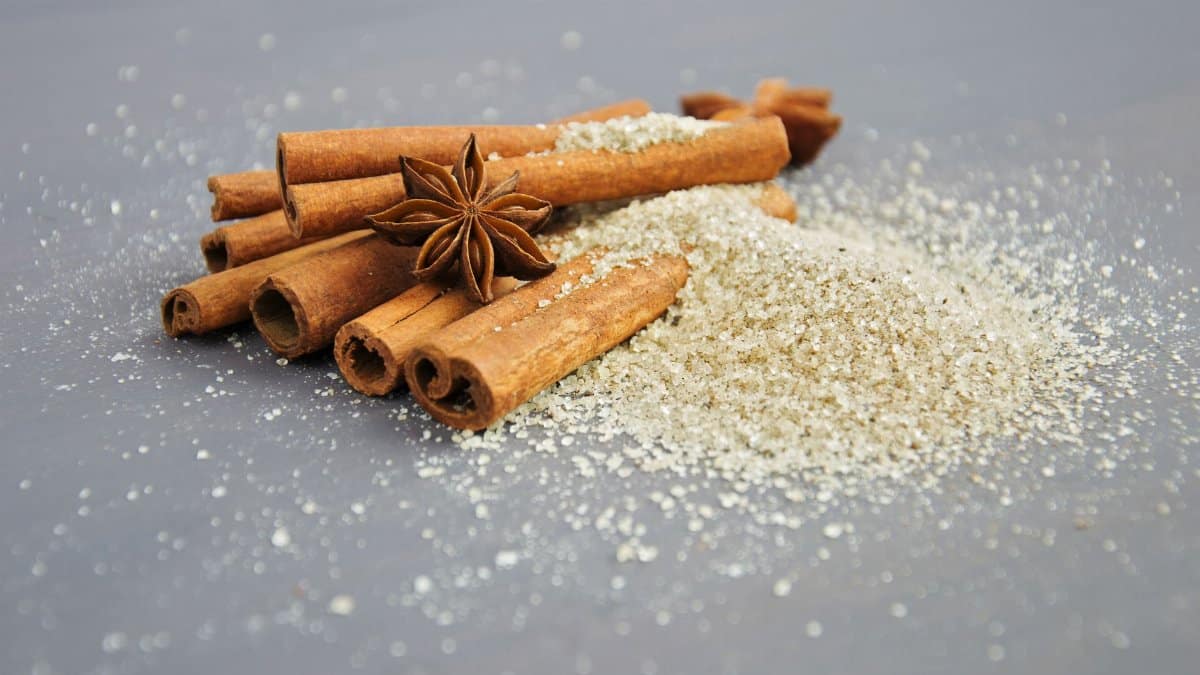
In this case, the public story has centered on cinnamon and icing, the two details people can taste without reading a label. Cinnamon is the scent that leaks into a kitchen before the timer rings. Icing is the finish that makes a plain roll feel like a treat rather than a chore. Together they are less a technology story than a reminder of why the category exists.
Renovation only works if the product still fits the way people cook. A tube that asks for more steps, more pans, or more guilt will lose to whatever is already warm at the store. The bet behind General Mills Pillsbury dough is that a better roll, with icing that tastes like the memory and not like a footnote, can earn back a habit that had gone stale.
Cinnamon as a sales argument
Cinnamon rolls occupy a strange place in the American week. They are not daily bread. They are not a health claim. They are a pause: a birthday breakfast, a snow day, a church coffee hour, a Sunday when nobody wants to pretend the morning is efficient. That pause is commercially useful because it is repeatable and because it travels well in advertising. A photograph of icing does more work than a paragraph about supply chains.
The risk is obvious. A brand can lean so hard on indulgence that it ignores shoppers who have cut sugar, cut spending, or cut the idea that breakfast should be a project. General Mills has to hold both truths. Some households still want the roll. Others want a smaller promise, or a different one, and will not be lectured back into the old ritual.
Cinnamon, in that sense, is not a strategy by itself. It is a signal that the company chose taste over a vague promise of wellness in a category where wellness was never the main purchase driver. Honesty about that choice may matter as much as the spice.
The icing packet and the feeling of finish
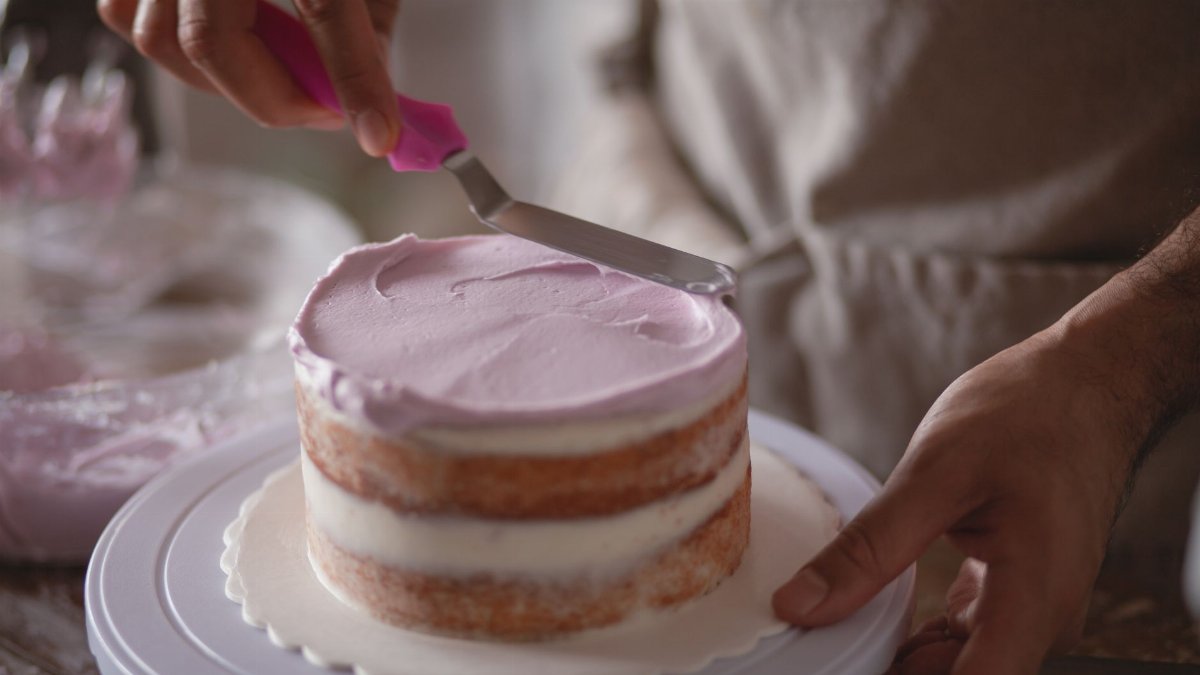
Anyone who has baked from a tube knows the packet. It is small, stubborn, and oddly decisive. Without it, the roll can taste unfinished, a spiral of dough that never quite became the thing on the box. With it, the product completes its own advertisement. That is why icing is not a garnish in this turnaround story. It is part of the contract.
Renovation that improves icing is renovation shoppers can verify in one bite. They do not need a chart. They need the sweetness to land, the texture to hold, and the portion to feel worth the price printed on the shelf. If those three things line up, the brand gets another week. If they do not, nostalgia will not cover the gap.
There is a humility in that. A global food company can talk about platforms and productivity. The household test is still a knife, a baking sheet, and whether the icing tastes like it belongs.
Eight quarters and the meaning of a floor

Eight quarters is two years. In consumer goods, that is long enough for a slump to become a reputation. Retailers give less space. Competitors fill the gap. Shoppers form new defaults. Stopping the decline does not erase that history. It only says the newest version of the product is no longer losing ground at the same pace.
For a company the size of General Mills, a stabilized dough business will not, by itself, redefine earnings. It can still matter. Categories that have been a drag become neutral, and neutral is a gift when other parts of the portfolio are under pressure from price sensitive shoppers and from private label. A floor is also a management signal. It suggests that the people responsible for the brand were willing to change the product rather than only the advertising.
Readers should keep the scale in view. A recovery in refrigerated dough is a chapter, not the whole book. Cereal, snacks, yogurt, and pet food still carry more of the company’s weight. Dough is the chapter people can taste.
Why this category still teaches the company

Refrigerated dough is a tutorial in modern grocery. It is impulse and plan at once. It requires cold chain discipline. It expires. It competes with the in store bakery, with delivery apps, and with the decision to eat cereal from a box already in the cupboard. It also competes with price. When households feel squeezed, a branded tube is an easy cut.
That is why executives watch it. If a renovated product can hold its place while shoppers trade down elsewhere, the company learns something about what still commands a premium. If it cannot, the lesson is equally clear. Memory is not a moat unless the bite confirms the memory.
The same lesson applies beyond one brand. American packaged food has spent the past several years raising prices, then watching volumes soften, then trying to win volume back without giving away the price increases. Dough is a clean place to see that tension because the alternative is so visible on the same shelf.
Golden Valley and the grocery two miles away

Corporate headquarters and the grocery aisle are not the same room, even when they share a metro area. In Golden Valley, a sales turnaround is a set of numbers, a retailer conversation, a manufacturing schedule. Two miles away, or twenty, it is whether the tube is in stock and whether the carton looks tired. The distance between those views is where many food campaigns fail.
A credible recovery has to survive both rooms. Plant managers need a formula they can run without drama. Sales teams need a story a store director will believe. Marketers need images that do not overpromise. And the shopper, who owes the company nothing, needs the product to be worth repeating.
Minnesota has a long relationship with this brand family, and that relationship can cut both ways. Familiarity creates patience. It also creates a higher standard. People who grew up with the doughboy on the package notice when the roll tastes thinner than they remember, and they notice when it tastes right again.
Rivals, private label, and the finished bakery case
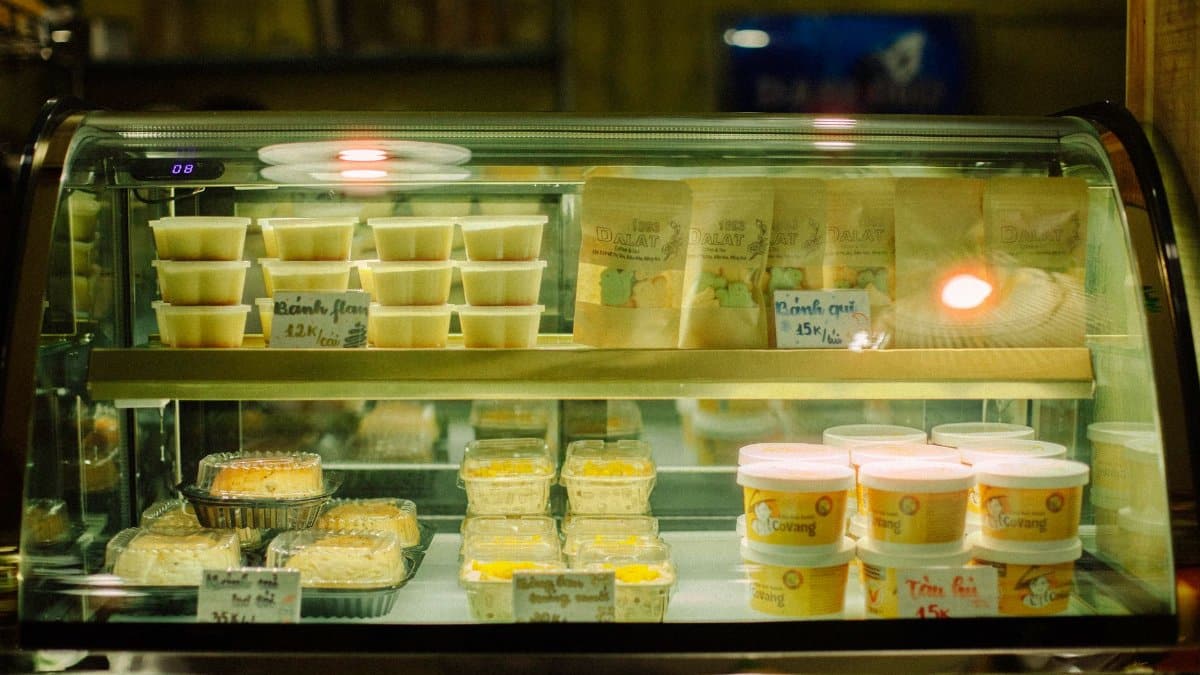
The competitive set is wider than another can of dough. Private label tubes sit nearby at a lower price. The bakery case offers rolls that require no oven at home. Coffee chains sell a cinnamon item that comes with a chair and a lid. Each alternative answers a different inconvenience. The branded tube answers the one that still involves a kitchen.
That kitchen advantage is real for households that like the smell of baking and the feeling of having made something, even if the making was mostly heat and timing. It is weaker for people who measure meals in minutes between shifts. A turnaround that ignores those people will look better in a taste test than in a scanner file.
General Mills does not need to win every occasion. It needs to win enough of the occasions it still owns. Cinnamon and icing are aimed at the occasions where pleasure, not speed alone, decides the purchase. That is a narrower target than “breakfast,” and probably a wiser one.
What investors can and cannot hear in a roll
Wall Street will not pay a lasting premium for icing. It will pay attention if a troubled line stops subtracting from results and if management can describe the fix without fog. Stabilization after a long decline is the kind of sentence analysts underline, then test against the next quarter. One good period can be a promotion. Two can be a pattern. Eight bad ones make the burden of proof heavier, not lighter.
The honest investor read is therefore modest. Renovated General Mills Pillsbury dough has given the company a cleaner story in a category that had become an embarrassment of repetition: down, down, down. Cleaner is valuable. It is not a forecast. Input costs, retailer negotiations, and the broader appetite for branded indulgence can still push the line the other way.
Shareholders who want a morality play will be disappointed. This is commerce. A better cinnamon roll can be both a genuine product improvement and a small piece of a larger financial repair. Those facts do not cancel each other.
Price, portion, and the weeknight bargain
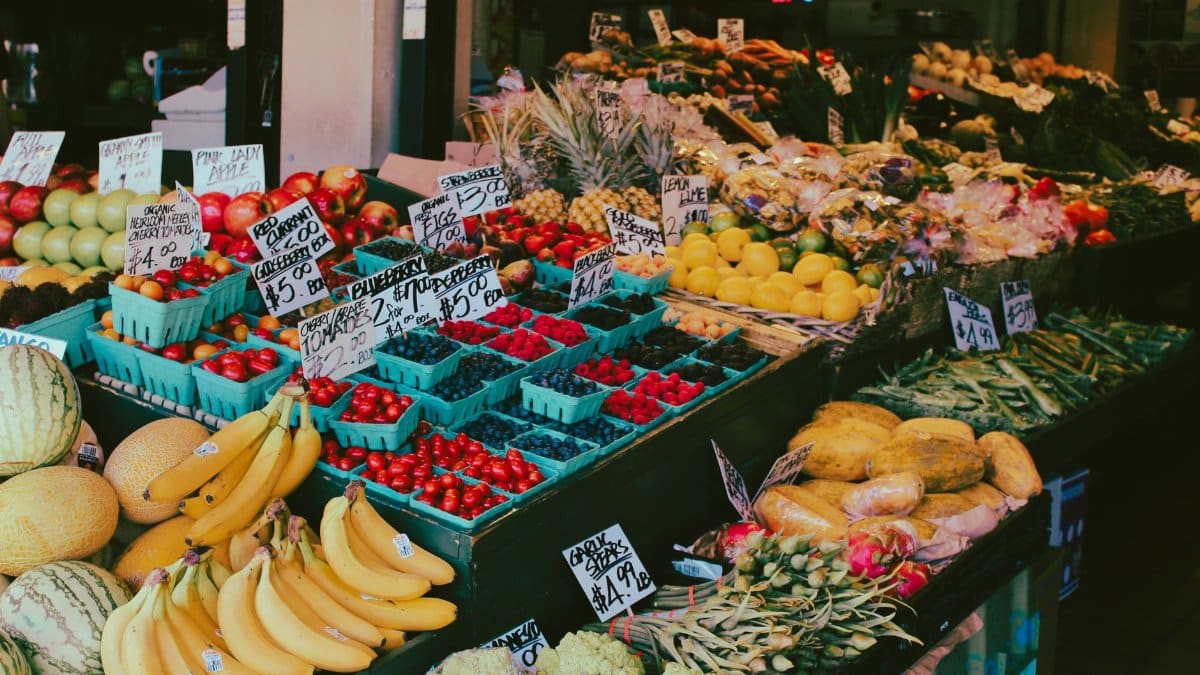
Taste brings a shopper back once. Price decides whether the habit survives a tight month. If the renovated product costs more than the memory of the old one, the company has to show the difference in the pan. More icing, better cinnamon, a roll that does not dry out: those are the proofs. Vague claims about quality will not survive a side by side comparison with a cheaper tube.
Portion matters too. A package that feeds a crowd can look like a bargain even at a higher sticker. A package that feeds two and leaves the rest to stale can feel like waste. Households have become sharper about that arithmetic. They learned it during years of rising grocery bills, and they have not unlearned it.
The turnaround, if it lasts, will be a negotiation between delight and discipline. Too much delight and the product prices itself out of the weekly cart. Too much discipline and it becomes another pale imitation of the bakery case.
A household ritual that still has a market

There is a reason this business story keeps returning to kitchens. Baking from a tube is one of the few branded acts that still feels like a small ceremony. Someone heats the oven. Someone waits. Someone spreads icing while the rolls are too hot, and the icing melts into the cracks. Children appear. A week that was mostly logistics acquires a center for ten minutes.
Calling that spiritual would overclaim it. Calling it meaningless would miss why the category endures. People pay for moments that organize a morning. General Mills Pillsbury dough sells one of those moments in a form that does not require skill. The renovation succeeds if it protects the moment rather than merely refreshing the cardboard.
I have watched that ten minutes in other people’s houses more than I have staged it in my own. The pattern is consistent. The brand disappears once the oven door closes. What remains is the smell and the argument over who gets the center roll. Any sales recovery that forgets that disappearance is talking to itself.
The limits of a cinnamon story

A single product line cannot carry a company, and a single flavor cannot carry a line forever. Cinnamon rolls are a flagship, not a full menu. Crescents, biscuits, and seasonal shapes have their own shoppers. If renovation stops at the item that photographs best, the rest of the case can keep leaking. A turnaround that is only a hero product will look complete in a commercial and incomplete in a store audit.
There is also the question of trust. Shoppers have heard “new and improved” for decades. Some of those claims were real. Some were a sweeter photograph of the same dough. The only durable answer is repeat purchase. Advertising can open the door. The second tube, bought without a coupon, is the evidence.
Critics of packaged food will note, fairly, that icing is not a public health strategy. The company should not pretend otherwise. A brand can be honest about pleasure and still face fair questions about sugar, marketing to children, and the cost of ultra processed convenience. Those questions do not vanish because a sales chart improved.
What the next quarters have to prove
The next test is dull, which is how real tests often look. Does the stabilized line grow, or does it merely stop shrinking? Do retailers keep the space? Does the icing change survive contact with cost cutting? Do shoppers who returned for a promotion stay when the promotion ends? None of those questions can be answered by a single press cycle.
General Mills has the advantage of scale. It can keep a renovated product on shelves in a way a smaller baker cannot. It has the disadvantage of scale too. A miss is visible, and a fix must be executed across plants and retailers that do not all move at the same speed. Patience from investors will last only as long as the scanner data cooperates.
For readers who do not own the stock, the stakes are simpler. A better tube is a better tube. A weaker one is a reason to walk toward the bakery case. The market will sort the rest.
A turnaround measured in small Saturdays

Sales recoveries are usually narrated from the top: guidance, margins, a chief executive’s phrasing on a call. This one is easier to see from the bottom. A child asks for cinnamon rolls. A parent checks the price, buys the tube, and later decides whether the icing was worth it. Multiply that decision by millions of weekends and you have the category.
General Mills Pillsbury dough has, by the company’s account and by local reporting, stopped a two year slide. Cinnamon and icing are the details offered to explain why. They are tangible enough to respect. They are also small enough to keep the celebration in proportion. A food giant does not reinvent itself in a packet of icing. It can, however, remember what the packet was for.
If the next quarters hold, the refrigerated door will look ordinary again, which is the point. The brand will have earned back the right to be reached for without a speech. Until then, the story remains what it is: a large company trying to make a small ritual taste like itself, and hoping the cart follows.