
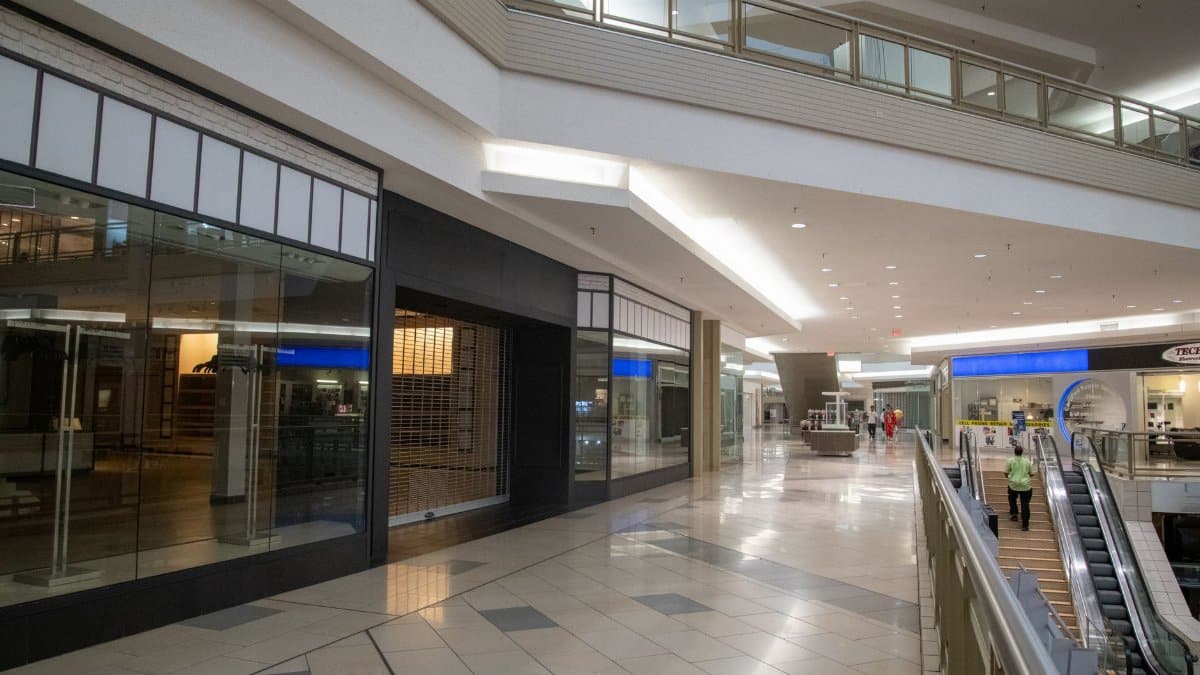
On a bright Saturday in Novi, the parking rows at Twelve Oaks fill before noon. Parents steer strollers past windows that sat dark a season ago. Down the corridor, a crew tapes brown paper over a fresh entrance. That small ritual, paper up and lights on a week later, is how Oakland malls new stores still appear in a county that never quite abandoned the enclosed shopping trip.
Two properties, one shopping county
Oakland County holds two of the region’s most durable retail addresses, and they do not behave like twins. Great Lakes Crossing Outlets in Auburn Hills spreads across a vast site where outlet pricing shares the day with restaurants, a movie house, and attractions meant to keep a family on the property for hours. Twelve Oaks Mall in Novi is the more traditional enclosed center, closer in feeling to the regional malls that defined suburban weekends a generation ago. Both sit under the Simon Property Group umbrella. Both keep leasing space while many American malls do not.
The distance between them is short by Michigan standards, yet the customer errand is different. One visit is often a planned outing. The other can be a tighter loop: a gift, a pair of shoes, lunch, and home before the afternoon traffic thickens on the freeway. Treating them as a single story misses the point. The county supports more than one kind of mall because it supports more than one kind of Saturday.
Why the paper still goes up

National retail has spent years explaining why the mall should be finished. Online ordering is easy. Department stores have shrunk or vanished. Interest rates and construction costs have made new buildings harder to justify. Against that backdrop, the sight of a covered window in Auburn Hills or Novi can look almost old fashioned. It is not nostalgia alone. A landlord signs a lease when someone believes the foot traffic will pay the rent. A retailer takes the keys when the math of rent, labor, and inventory still clears.
That belief is narrower than it used to be. A store no longer survives on being merely present. It has to give a reason to leave the house. Fit that cannot be judged on a phone. A brand people want to be seen carrying. A price that feels like a find. Service that remembers a regular. Oakland malls new stores succeed or fail on those plain tests, not on a slogan about experience.
Great Lakes Crossing and the draw of a day out

Great Lakes Crossing was built as a hybrid, and the hybrid is the strategy. Outlet corridors pull bargain hunters. Entertainment pulls people who did not come only to shop. The combination matters because a pure outlet trip can be short and ruthless. A day that also includes a meal, a film, or a ride gives the property more chances to convert a visitor into a buyer, and more reasons for that visitor to return when the first errand is done.
Auburn Hills sits near major roads and a cluster of destinations that already teach people to drive north of Detroit for an afternoon. The mall does not have to invent the habit of leaving town. It has to earn a stop inside a larger circuit. New tenants there tend to fit that circuit: value apparel, beauty, home goods, food that can feed a group without a reservation fight, and concepts that photograph well enough to travel by text message among friends.
The risk is sameness. If every new bay looks like the last outlet corridor in another state, the drive loses its point. The properties that hold their crowds keep a few names people cannot get ten minutes from home, and they keep the common areas clean enough that a grandparent will agree to come.
Twelve Oaks and the habit of a nicer mall
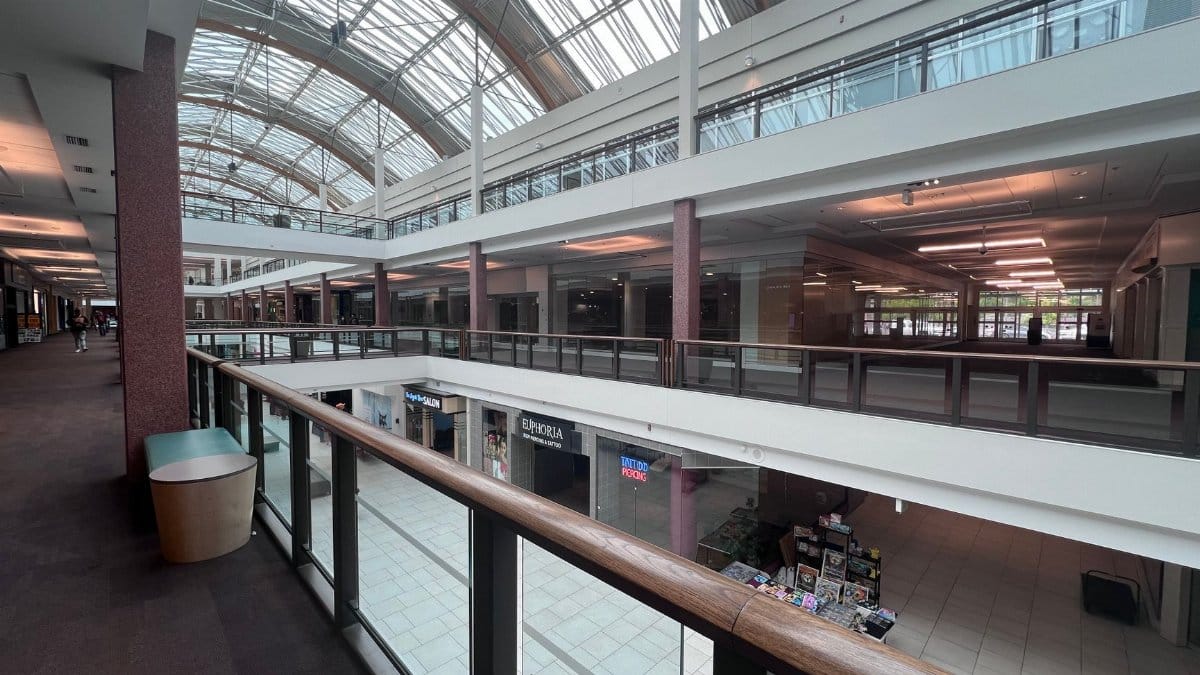
Twelve Oaks trades on a different loyalty. Novi and the towns around it have long treated the mall as a default, the place you already know how to reach, where the parking logic is familiar and the anchors, diminished as the category may be, still orient the map in your head. Adding a store here is less about inventing a destination and more about refreshing a habit.
That is a quieter kind of news, and it is easy to underwrite. A refreshed cosmetics counter or a specialty shop that replaces a dark front does not make a headline the way a new roller coaster does. It does change the walk. Regulars notice when a favorite closes. They also notice when the replacement is worth a second look. Over a year, those replacements are how a mature mall avoids the hollow feeling that spreads once too many bays go quiet at once.
I have walked both properties on ordinary afternoons, not on opening weekends, and the difference is obvious in the pace. Great Lakes Crossing often feels like an event people scheduled. Twelve Oaks more often feels like an errand people folded into a day they were already having. A leasing plan that ignores that difference will stock the wrong kind of tenant.
What a new store has to do now

The old mall logic was simple. Put desirable names between department stores and let the anchors do the advertising. That logic frayed when anchors closed or cut their footprints. Today’s tenant has to advertise itself. Staff on the floor matter more, not less, because the phone already showed the product. What the phone cannot do is adjust a hem, explain a warranty, or talk a hesitant buyer through a price.
Returns and pickup have also changed the back room. Many chains now treat the store as a node in a shipping network. A mall shop that cannot handle an online return without a sullen wait will train customers to stay home. Conversely, a shop that makes the handoff easy can turn a return visit into a second purchase. None of this is glamorous. It is why some new leases look busy from the corridor and still fail within a year.
Food, play, and the hours between purchases

Restaurants and attractions are not a side dish in this market. They are how a mall lengthens a visit past the moment a shopper finds, or fails to find, the one item on the list. A family that eats on site is a family still in the building when a child asks to look at one more store. A couple that has a reservation at six is a couple that may wander the corridor at five.
There is a limit to how much entertainment a lease roll can carry. Attractions are expensive to build and expensive to refresh. They also age in public. What delighted a child five years ago can look tired to that child’s younger sibling. Operators who treat play as a permanent installation, rather than a product that must be renewed, discover that the parking lot thins even when the apparel mix is fine.
Food has its own cycle. The chains that once felt like a treat become background. The independents that feel specific to this county, rather than airlifted from a national menu, give people a reason to name the mall when they suggest a meal. Not every new restaurant will be local. The ones that are local do disproportionate work for the property’s reputation.
The national chill and the local exception

It would be a mistake to read every new storefront as proof that malls are back. Many centers across the country are being converted, demolished, or left to a thin trade of discount holdouts. Lenders are cautious. Retailers that expanded too fast have pulled back. A tough market is still a tough market, which is the honest frame for any celebration of a lease signing in Oakland County.
What the county has, and many counties do not, is a deep base of households with the income to shop in person when the trip feels worth it. Proximity to Detroit’s northern suburbs, to office corridors, and to freeways that already carry commuters past these doors supplies a kind of accidental marketing. People see the signs on the way to work. That exposure does not guarantee a sale. It does mean the mall does not have to introduce itself from scratch every season.
The exception can vanish. If employment softens, or if the remaining anchors stumble, the same freeways will carry people past dark signs. Leasing momentum is a lagging indicator. It reflects decisions made months earlier, when sales still looked acceptable. Readers should treat a cluster of openings as evidence of confidence, not as a permanent verdict.
Landlords who still sign leases
Simon is a national owner with a long list of properties and a public interest in showing that its better malls can still grow sales per square foot. That corporate reality shapes what happens in Auburn Hills and Novi. Capital for improvements, relationships with national chains, and the ability to wait out a weak tenant all sit above the local general manager’s desk. A strong landlord can recruit. A weak one can only hope.
Local execution still decides whether the recruit stays. Snow removal, security that feels present without feeling harsh, restrooms that do not embarrass the building, and a leasing agent who will not stuff a premium corner with a concept that clashes with its neighbors: these are unglamorous skills. Shoppers rarely praise them. They leave when the skills are missing.
Oakland malls new stores also depend on a less visible negotiation, the one between rent and realism. A landlord that prices every bay as if the year were 2005 will celebrate announcements that never open, or openings that close before the first winter. A landlord that prices for the sales a tenant can actually ring will fill space more slowly and keep it longer. The second path is the one that looks like a living mall five years out.
Who walks these corridors
The crowd is broader than the stereotype of a teenage weekend. Retirees use the mall as a walking route when the weather turns. Office workers stop on the way home. Parents treat it as a contained place where children can move without a parking lot underfoot. Recent arrivals to the county use familiar national brands as a first map of a new town. None of these groups wants the same store. A healthy mix serves more than one of them in a single afternoon.
Age shows up in the calendar as much as in the face. Back to school still matters. The winter holidays still concentrate the year. What has faded is the assumption that every demographic will accept the same playlist, the same food court, and the same bench. People who feel unwelcome do not argue. They drive to the next option, including the option of not driving at all.
That is where a little attention to gathering, not only to selling, earns its keep. A mall is a secular public room in a metro area short on rooms that ask nothing at the door except that you behave. It is not a church and it should not pretend to be one. It is, on a good day, a place where neighbors who would not meet otherwise share a corridor. Operators who understand that will light the space, staff it, and program it with a lighter hand than a pure sales floor requires.
The risk of another empty bay

Every new store carries the shadow of the store it replaced. Shoppers have memories. They remember the bookshop, the local jeweler, the toy store that knew the brands. When a national chain takes that address, some of those memories curdle into resentment, even if the new tenant pays more rent and draws more bodies. Resentment is not a business plan, but it is a real cost. It shows up as a shrug, and a shrug is hard to advertise against.
There is also the plain operational risk. Construction delays, inventory that misses the season, a manager hired too late, a concept that tested well in another state and feels off in this one. Malls announce tenants early because announcements fill a narrative. The public should wait for the lights. A name on a barricade is a promise. A staffed counter is a fact.
Competition sits outside the parking lot as well. Open air centers, grocery anchored strips, and direct to consumer brands that occasionally rent a short term bay all nibble at the same wallet. The enclosed mall wins when weather, comparison shopping, or a group plan makes one roof the easier choice. It loses when each item on the list has a closer door.
How to read the next announcement

A useful way to follow this story is to ignore the adjectives and watch the pattern. Are openings clustered in one wing while another wing thins? Are the new names mostly value, mostly upscale, or a deliberate mix? Do restaurants replace shops, or do shops replace restaurants? Does the property invest in floors, lighting, and entries at the same time it courts tenants? A single ribbon cutting answers none of those questions. A year of them begins to.
Readers in Oakland County can do this without a spreadsheet. Walk the loop. Count the papered windows. Notice whether the new places have customers or only staff. Listen for whether people mention the mall when they plan a Saturday, or only when they need a specific chain they already know is inside. That vernacular test is stricter than a press release, and it is available to anyone with an hour and a pair of shoes.
Oakland malls new stores will keep arriving as long as those walks still feel occupied. Great Lakes Crossing will keep arguing that a big day out can include a discount. Twelve Oaks will keep arguing that a familiar enclosed mall can still earn a detour in Novi. The market will keep arguing back. The paper on the glass is only the opening line of that argument, not the last word.