

The lawns around Michigan Central did not look like a rail yard on that September afternoon. They looked like a careful argument for why people still cross a city to stand beside a machine. Polish threw light back at the sky. Low conversations moved between rows of sports cars, grand tourers, and older American metal that had been trailered in before the gates felt busy. Cars at the Station Detroit had claimed the renovated station grounds in Corktown, and for a few hours the campus behaved like a public room with an engine note under the talk.
A campus that used to mean departure
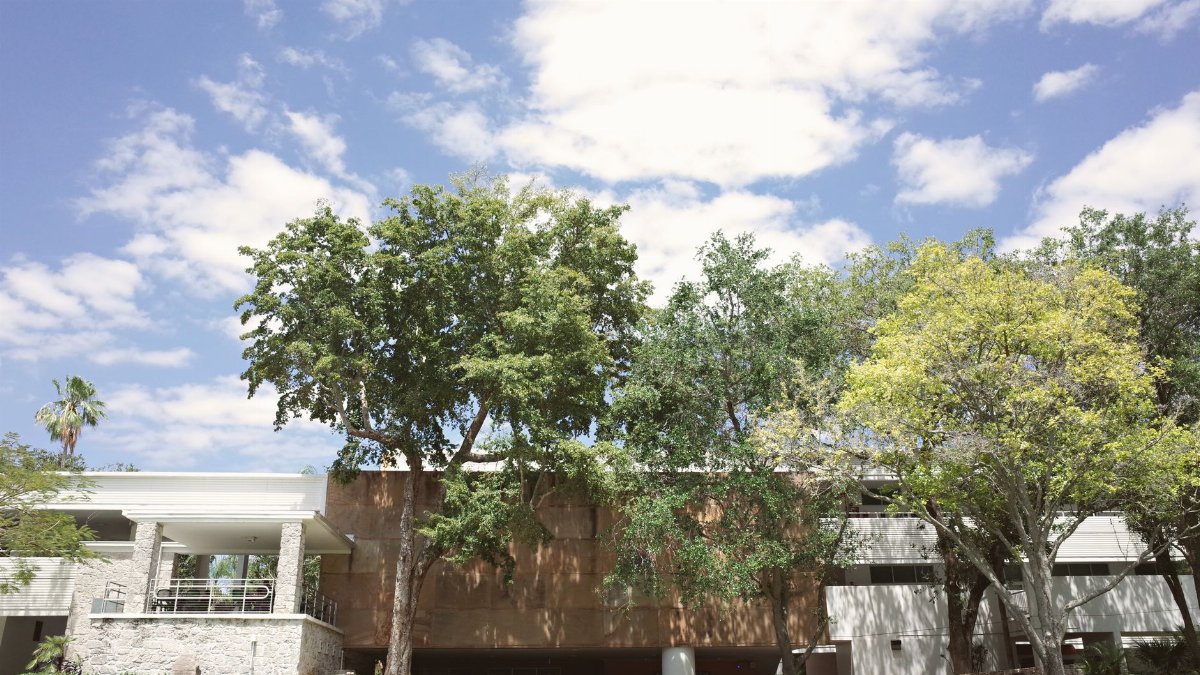
Michigan Central spent decades as a picture of what Detroit had lost. Commuters once timed their lives to its clocks. Later, the empty shell became a landmark people photographed from a distance and rarely entered. The renovation changed the terms of that looking. Glass, stone, and new paths invited people onto ground that had felt closed. On September 11, 2026, the invitation was specific. Bring the cars. Let the public walk among them. Treat a former depot as a place where arrival still matters.
That shift is easy to romanticize and harder to stage. A historic building does not become welcoming because a press release says so. It becomes welcoming when strangers can find a patch of shade, a clear path, and a reason to stay longer than a photograph requires. The car show supplied the reason. People who might have come only to see the station stayed to argue, gently, about carburetors and paint.
What the lawn actually held
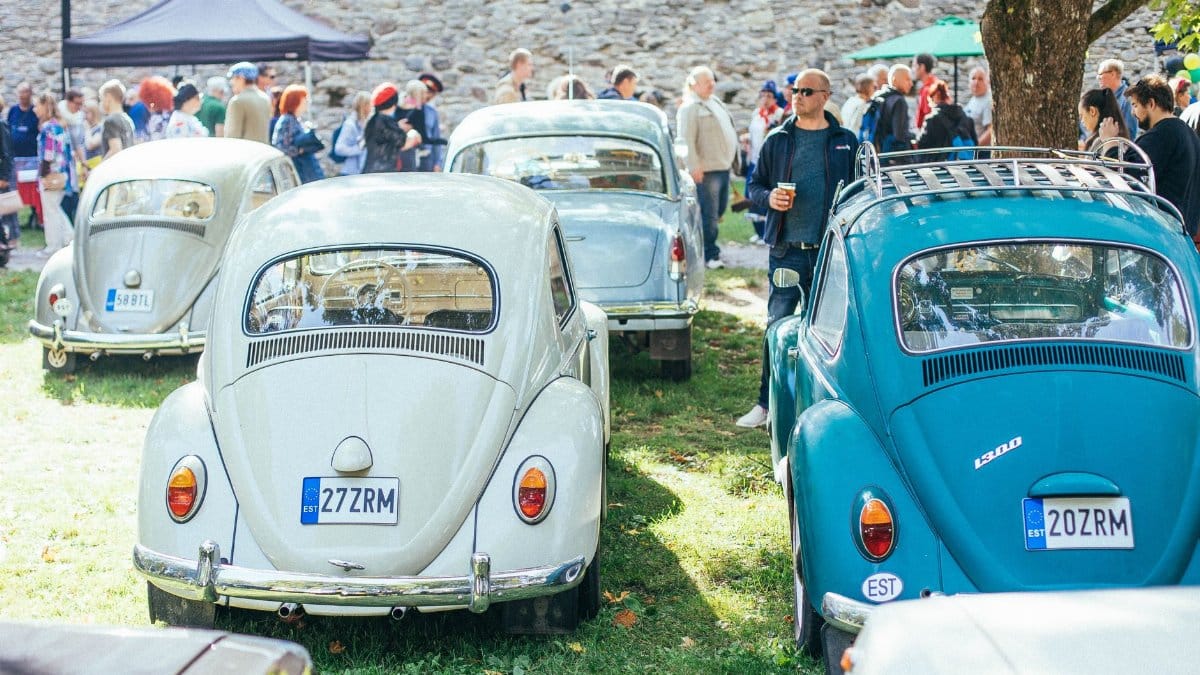
Collector cars and exotics do not arrange themselves into a single story. Some machines announce wealth. Some announce patience, the kind that keeps a finicky engine honest through winters in a garage. On the station grounds, both kinds shared turf. A bright modern coupe sat near a car whose chrome had clearly been polished by someone who knew every scratch by memory. The contrast was the point. A show that only celebrated the newest toy would have felt like a dealership lot with better architecture. A show that only celebrated age would have felt like a museum with the lights turned up.
Visitors did the sorting themselves. Families paused at cars a child could name from a movie. Enthusiasts crouched to read a badge or to judge the stance of a wheel. Nobody needed a loudspeaker to explain why a particular shape mattered. The cars did that work, and the station supplied a backdrop serious enough to match them.
Corktown as host, not scenery
Corktown has spent years absorbing new attention, new restaurants, and new arguments about who the neighborhood is for. A car show on the station campus does not settle those arguments. It does place a very Detroit pleasure in the middle of them. This is a city that taught the twentieth century how to move. It is also a city where many residents measure progress by buses that arrive, rents that do not jump, and streets that feel safe after dark. A lawn full of rare machines can look, to a skeptic, like a postcard pasted over harder facts.
It can also look like a neighborhood doing what neighborhoods do when a public space finally works. People walked over from nearby blocks. Others came from farther out, the way car people always have, chasing a rumor of something worth seeing in person. The mix mattered. Cars at the Station Detroit was not only a closed gathering of owners comparing notes. The grounds read as open enough that a person with no garage and no trailer could still belong in the crowd.
Why the setting changed the machines

A collector car on a fairground is one thing. The same car in front of a restored train station is another. Scale does part of the work. Michigan Central is large in a way that makes even a long exotic look temporary. Stone and repetition of windows remind a viewer that infrastructure outlasts fashion. The cars, for all their cost and care, are guests. That humility suited the day. Owners who might have posed only for the front three quarter view ended up in pictures that included arches, towers, and other people. The building refused to be cropped out.
There is a practical beauty in that refusal. Detroit has no shortage of places to park a special car. It has fewer places where the parking itself becomes a civic scene. The station campus offered lawn, sightlines, and a story bigger than any single marque. People did not have to love railroads to feel the odd rightness of machines gathered where journeys once began.
The pace of looking
Car shows have a rhythm that outsiders sometimes miss. The first pass is greedy. Eyes jump from color to color. The second pass slows. A person notices a mirror, a stitch in a seat, the way a door closes. By the third pass, conversation has replaced hunting. Strangers trade the name of a shop, a memory of a similar car in a driveway, a complaint about parts that no longer exist. I found myself doing that third pass without planning to. The notebook stayed mostly shut. The day was less about ranking vehicles than about watching how attention works when it is allowed to be unhurried.
Sound helped. Engines fired in short bursts, then settled. A show that runs all day cannot sustain a constant roar, and this one did not try. Between the bursts, you heard shoes on pavement, a child asking whether a car could fly, someone laughing at a price they would never pay. Those ordinary noises kept the spectacle from floating away from the city around it.
Detroit reading its own crowd
Detroit audiences are hard to impress with cars, which is a compliment. People here have built them, repaired them, raced them, and lost them to rust and repo men. A polished exotic does not automatically win respect. Respect arrives when the car looks used by someone who understands it, or when the story attached to it is honest. On the station lawn, that local standard was visible in the way people lingered at unflashy examples and walked past a few louder ones. Taste is not a moral quality. It is a local language. The show spoke it well enough that veterans and newcomers could share the same rows without the day turning into a lecture.
That language includes pride and fatigue. Pride, because the region still knows metal, paint, and mechanical logic better than most places. Fatigue, because the industry that made the pride has also made layoffs, plant closings, and a long argument about what comes next. A pleasant afternoon does not erase that argument. It gives people a few hours in which the argument can sit beside something they still love without apology.
The work you do not photograph
A pretty lawn is a logistics problem wearing good shoes. Cars must arrive without blocking the streets that neighbors still need. Cones, volunteers, and timing matter as much as horsepower. Insurance, weather plans, and the simple question of where a trailer waits are the dull miracles of any public show. Visitors rarely thank those details, which is how you know the details worked. On a September day in Detroit, weather can flatter or punish. This one flattered. Light stayed clear. People did not have to choose between seeing a car and staying dry.
The station itself required care of another kind. Historic ground is not a blank pad. Pathways, plantings, and sightlines are part of a renovation that took years and a great deal of money. Filling that ground with private vehicles is a test of whether the campus can host joy without being consumed by it. From the outside, the test looked passed. The building remained the main character. The cars were eloquent guests.
What owners seemed to want
Owners at a show like this rarely want only admiration. They want witnesses. A car restored over years is a private obsession until someone else sees the result and understands the hours inside it. Exotic machinery carries a different wish, sometimes status, sometimes the simpler pleasure of a machine that does exactly what its designers promised. Both wishes fit on one lawn if the crowd is curious rather than cynical. Curiosity was the dominant mood. People asked questions. Owners answered. The transaction was old and still oddly tender. Here is what I kept alive. Here is what I chose to bring into public.
Public is the key word. A car in a private collection is a rumor. A car at Cars at the Station Detroit was a fact you could walk around. That difference is why shows survive the internet. Pictures circulate. Presence still converts skeptics.
Money, memory, and a shared afternoon
It would be dishonest to pretend the row of machines was a cross section of the city. Many of these cars cost more than houses. Some represent hobbies that require space, time, and a cushion against repair bills that would ruin a household budget. A broad audience can enjoy the sight without pretending the sight is equally available to all. Journalism that gushes about chrome while ignoring price is doing advertising. Journalism that scolds the crowd for looking is doing something just as thin. People are allowed to like beautiful objects they will never own. Cities are allowed to host that liking in a place built for gathering.
Memory complicated the money. Older attendees spoke, in the way people do when a building returns, about relatives who caught trains here, about drives down Michigan Avenue, about shops that are gone. The cars triggered those stories as much as the stone did. A show on this campus was never only about the present model year. It was about a city rehearsing continuity. We still know how to meet. We still know how to look closely at something made by hand and factory at once.
After the engines cooled
When a show ends, the lawn goes quiet faster than the photographs suggest. Trailers return. Volunteers stack what can be stacked. The station goes back to being a campus with offices, visitors, and the ordinary work of a reused landmark. What remains is not a trophy. It is a proof of concept. Detroit can put its car affection on historic ground without turning the ground into a parking stunt. Corktown can absorb a crowd that came for machines and leave with a clearer sense of the building behind them.
Cars at the Station Detroit will be remembered in personal inventories. Someone will recall a particular shade of green. Someone else will recall the scale of the tower behind a low roofline. A third person will recall only the walk, the light, and the feeling that a place once known for leaving had, for one afternoon, become a place worth arriving at. That is a modest legacy. For a city that has been asked to perform rebirth on cue, modest and specific may be the more trustworthy kind.
The broader trend is plain enough. People still gather for objects that move, even as daily transportation grows quieter and more screened. They still want a public reason to stand next to strangers and talk about how a thing was made. A renovated station in Corktown turned out to be a fitting room for that habit. The cars were the draw. The station was the sentence they completed.