
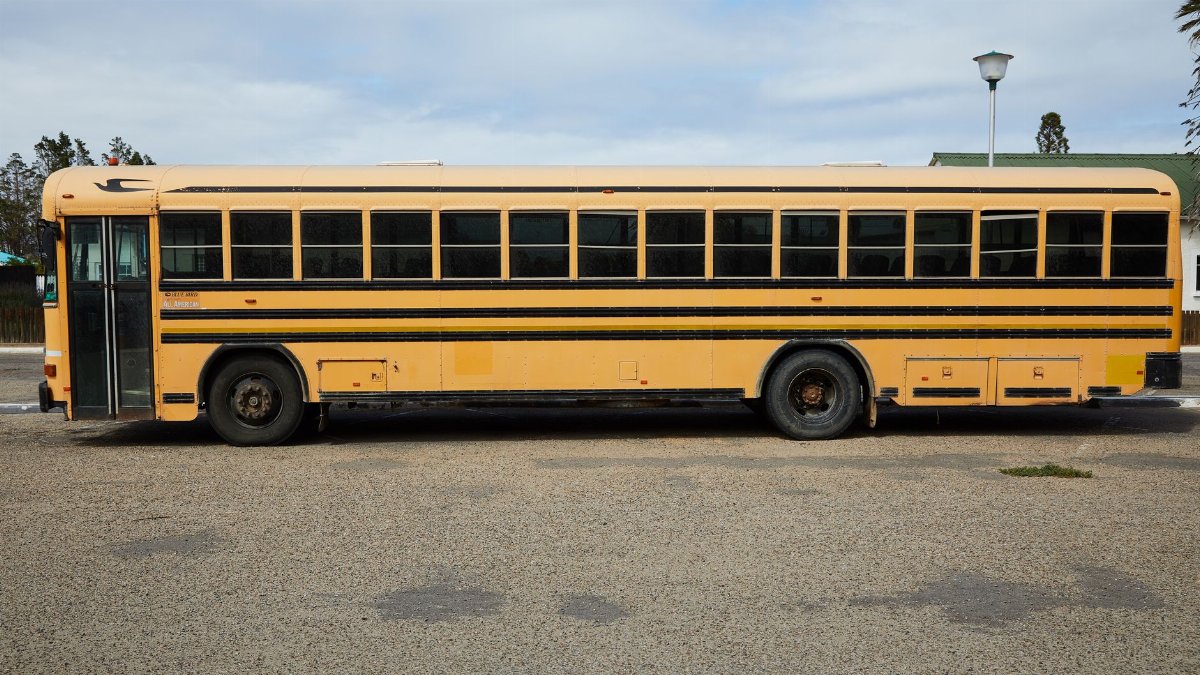
On Martin Luther King Jr. Way South, where train tracks share the street with turning cars and city buses, a light rail train struck a school bus that carried no students. The absence of children will be the detail many people repeat first. It should not be the last. Metal still met metal. Traffic still stopped. A corridor already familiar with crossings and close calls produced another record that investigators will have to explain. Rainier Valley light rail is a daily convenience for thousands and, on mornings like this one, a reminder that convenience and safety were never the same promise.
A railroad that stayed on the street
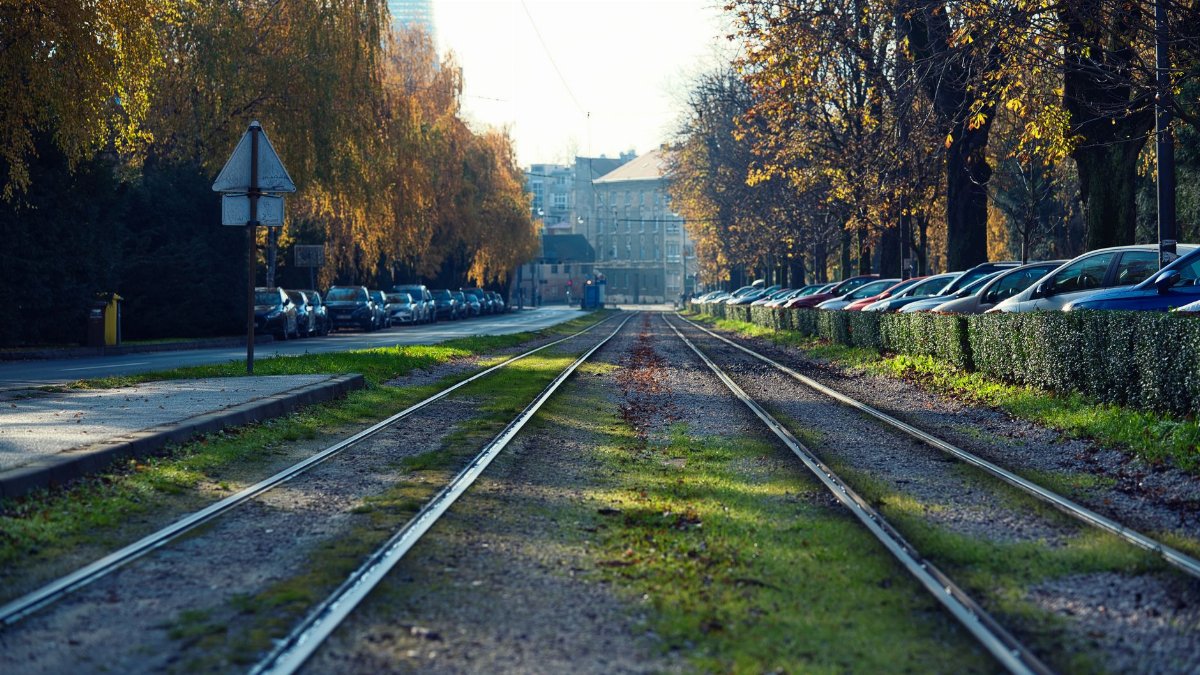
Much of Link runs in tunnels or on structures that keep trains apart from ordinary traffic. The Rainier Valley segment does not. Tracks occupy the median of a busy arterial, and the street grid crosses them again and again. That choice, made when the line was planned and built, bought a faster path to opening day and a lower construction bill. It also created a kind of railroad Seattle had not asked a dense neighborhood to live with in generations. Drivers complete left turns across the rails. People on foot wait at signals a few steps from a vehicle that cannot swerve and cannot stop in the distance a car would need. The geometry is legal, engineered, and still unforgiving.
What an empty bus does not erase
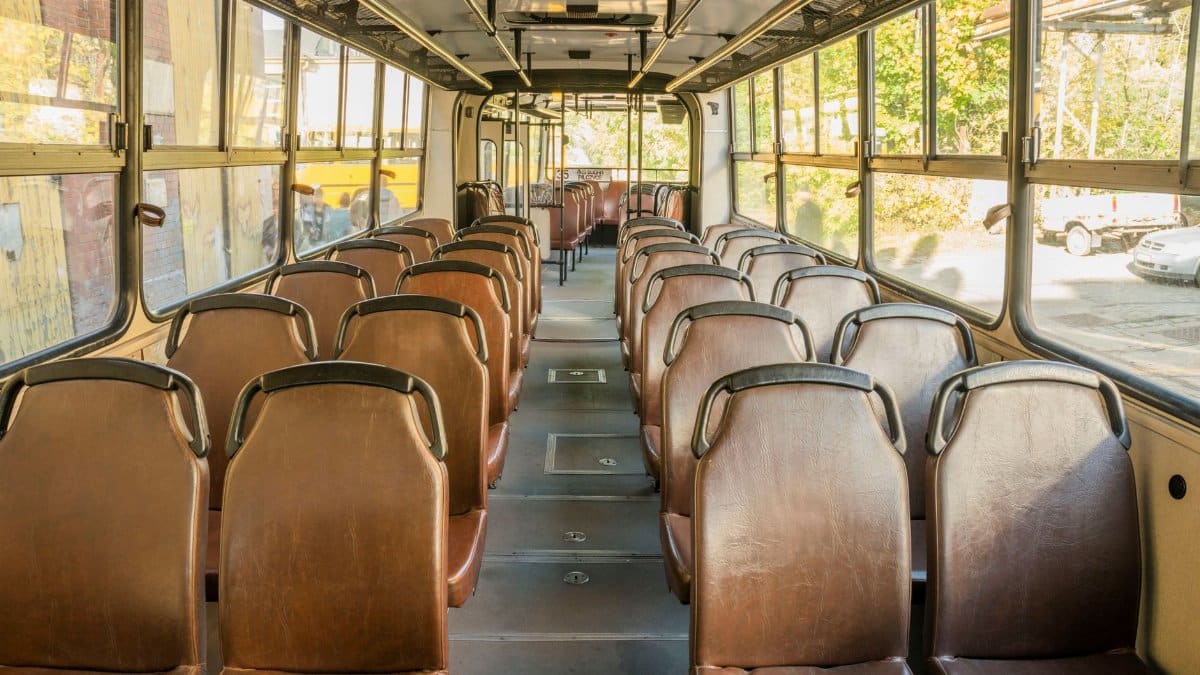
An empty school bus can tempt a city into relief before it has earned any. No student list to call. No parent racing toward a hospital. Those mercies matter, and they do not convert a collision into a minor scrape. A school bus is a large, conspicuous vehicle operated by a professional driver under rules written precisely because trains and children do not mix. If that vehicle can reach the path of a train, the failure sits somewhere in timing, visibility, procedure, or design. Treating the outcome as lucky misses the point investigators are supposed to chase: why the paths met at all.
A second mark on the same corridor
Agency records, as described in local reporting, frame this crash as a second strike of an empty bus along the same Seattle corridor. Repetition changes the story. One collision can be filed as a terrible alignment of a driver’s error and a train that was already too close. Two empty bus strikes in one stretch ask whether the corridor itself is teaching the wrong lesson, or whether warnings issued after the first event never reached the people who needed them. Rainier Valley light rail has a paper trail of vehicle conflicts that long predates this week. Each new entry should be read beside the older ones, not as an isolated headline that expires when the bus is towed.
How a train and a bus share a minute
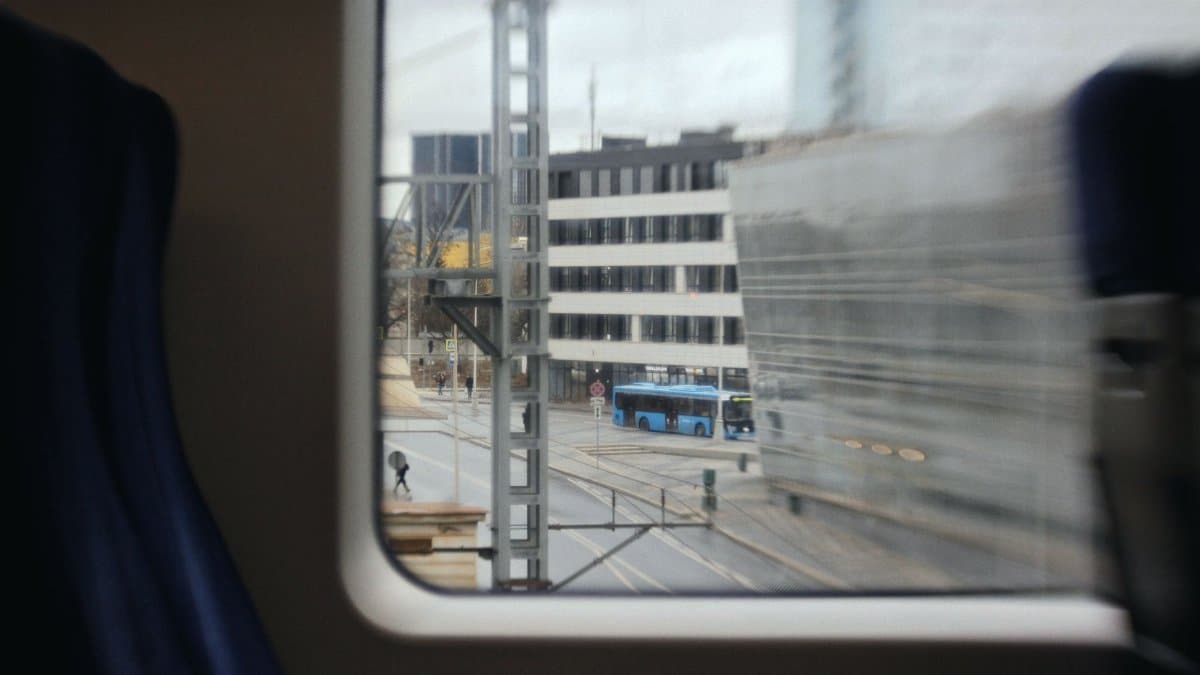
A light rail operator sees farther down a straight median than a driver buried in traffic, but sight is not the same as stopping power. Trains are heavy. Brake applications are planned in hundreds of feet, not in the sudden dodge a motorist expects from another motorist. Horns and bells are loud and still easy to misread in a cabin full of radios, student chatter on other runs, and the visual noise of a commercial street. Gates and signals, where they exist, depend on people obeying them at the exact moment a turn feels clear. The dangerous minute is ordinary. That is why it keeps returning.
School routes laid over rail schedules
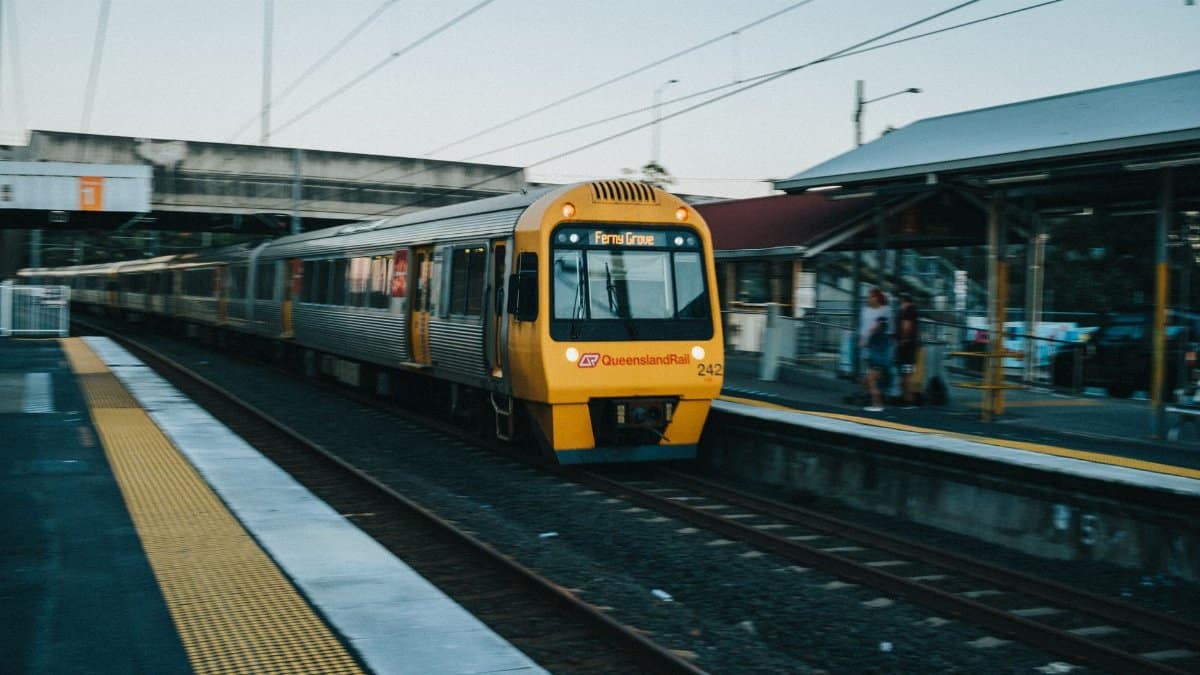
School transportation and regional rail were not designed as a single system, yet in South Seattle they occupy the same map. Buses must serve homes, programs, and bell times that do not pause for peak rail headways. Federal practice has long required school bus drivers to stop, look, and listen at railroad crossings. At a street running line, the crossing may not look like the rural tracks that rule was written to address. It can look like just another signal on a city arterial, which is precisely when habit becomes a hazard. Dispatchers, trainers, and transit supervisors rarely sit in the same room until something has already gone wrong.
Riders who feel the stop in their day
When a train strikes anything, the line does not merely pause for the people on board. Platforms fill. Buses are asked to absorb crowds they were not scheduled to carry. Workers in warehouses, hospitals, and downtown offices arrive late, and students who depend on the train rather than a yellow bus lose the connection they built their morning around. Rainier Valley light rail is not a scenic extra. It is how a large share of Southeast Seattle reaches the rest of the region without a car. A safety failure on the median is also a reliability failure for households that have no spare trip.
Neighbors who count the near misses
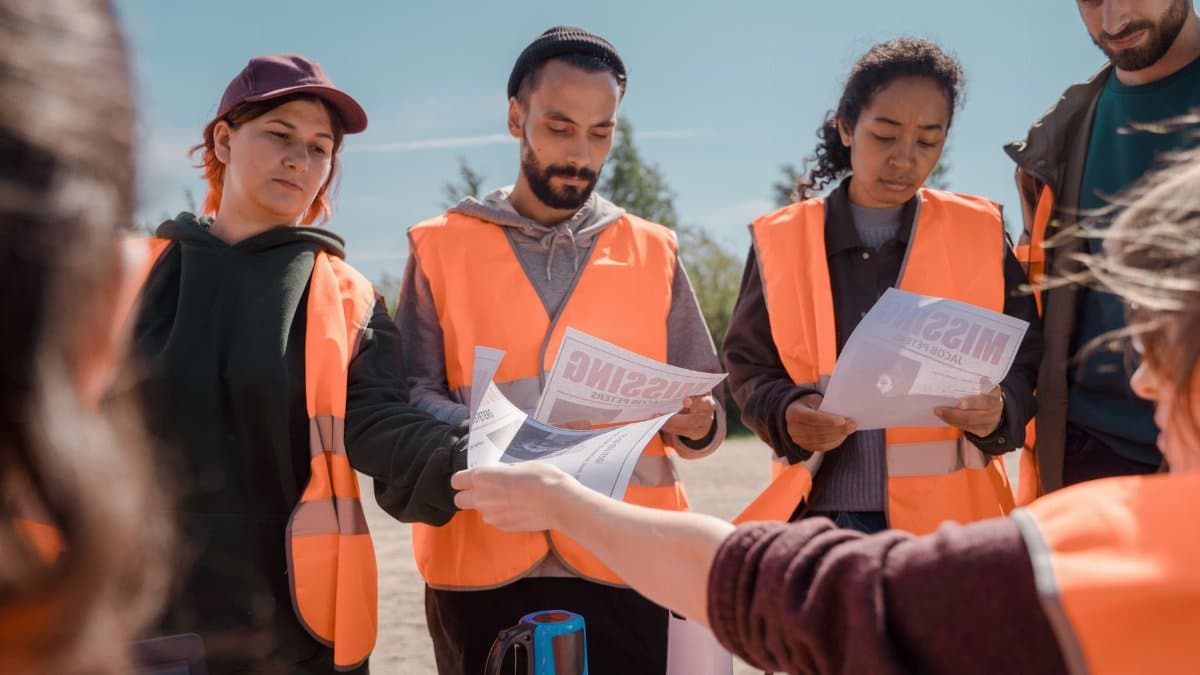
People who live along Martin Luther King Jr. Way South do not need a press release to know the tracks are active. They time grocery runs around gate downs. They watch teens sprint a changing signal. They remember crashes that did take lives, even when they cannot recite the dates. After an empty bus is hit, the block may look calm by afternoon, cones gone, rails clear, trains moving again. The calm is procedural. It is not the same as confidence. A corridor earns confidence only when close calls decline in the stories neighbors tell one another, not merely when a single morning ends without a funeral.
The argument over lifting the tracks
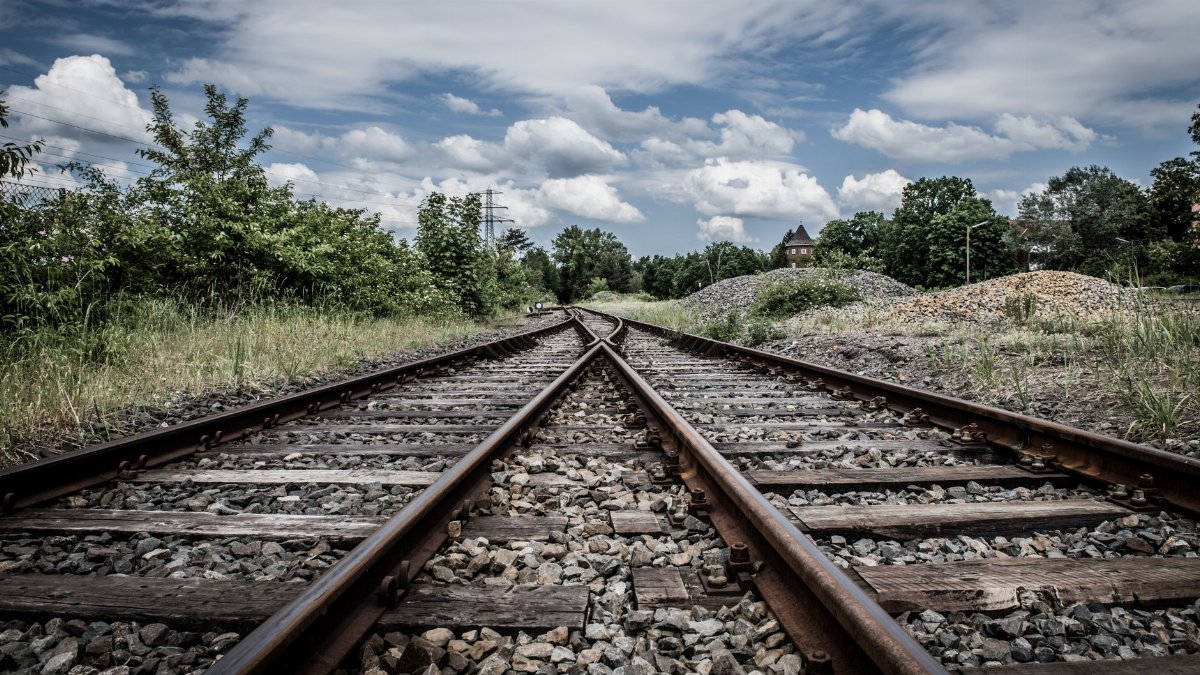
Grade separation, the project of putting trains above or below the street, has hovered over this segment for years. Supporters describe it as the only design that removes crossing conflicts rather than managing them. Skeptics point to cost, years of construction disruption, and the political habit of promising a fix that never quite reaches a ballot or a budget line. Both descriptions can be true. What should not be true is a permanent shrug. If the region intends to keep trains in the median for another generation, it owes the public a plain account of added signals, slower speeds, tighter enforcement, and bus procedures that make that choice defensible. If it intends to rebuild, it owes a timetable that is not a slogan.
Training, tickets, and the limits of blame
After a crossing crash, blame travels fast toward the person who entered the trackway. Sometimes that judgment will be fair. A professional driver who rolls past an active warning has violated a rule written in blood. Blame aimed only at the cab, though, is a way of protecting the design from scrutiny. Training can be refreshed. Police can ticket red light runs and illegal turns. Cameras can show what a horn cannot. None of those tools lengthen the distance a train needs to stop, and none of them rewrite a median that invites conflict dozens of times per mile. Accountability has to be wide enough to include the agencies that operate both the bus and the train.
Records the public should be able to read
Sound Transit maintains incident logs, and school districts maintain their own. The useful question is whether a resident can see patterns without filing a request and waiting out the news cycle. How many vehicle strikes, by type, by crossing, by year? How many involved buses, empty or not? What changed in operating rules after each one? A second empty bus strike is not only a safety event. It is a test of whether record keeping is a public service or a file that surfaces only when a reporter asks. Sunlight here is not a metaphor. It is a spreadsheet with dates, locations, and the actions taken afterward.
Speed, headways, and the pressure to keep moving
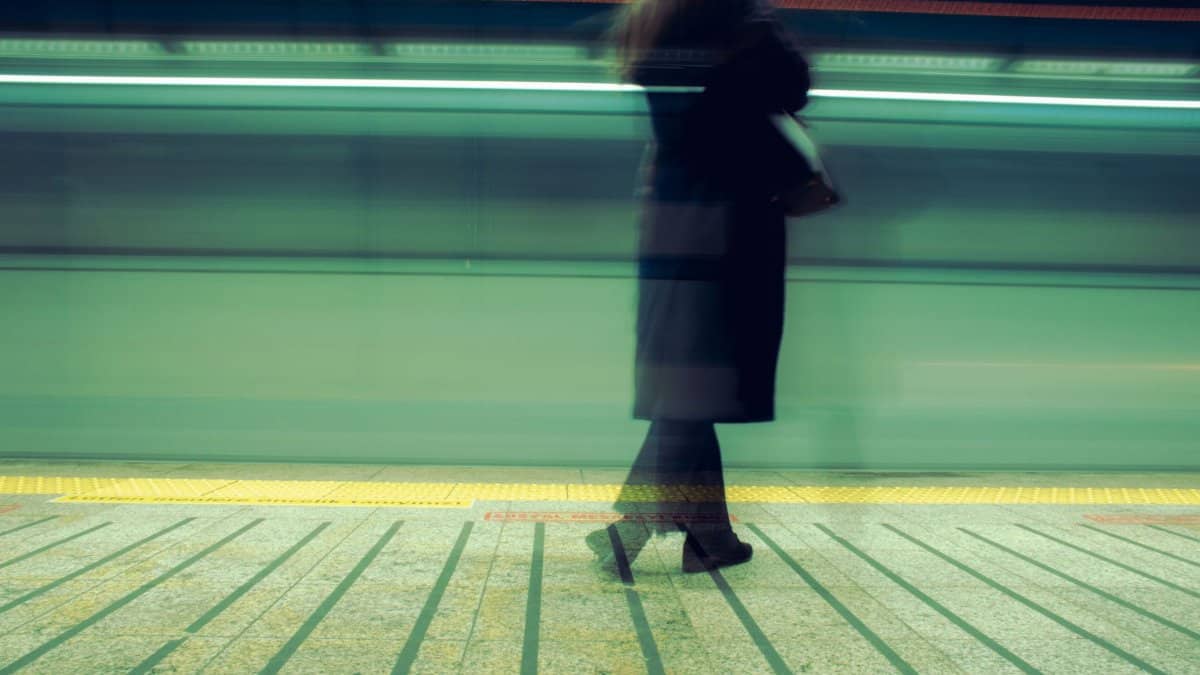
Every transit agency lives inside a contradiction. Riders want frequent, swift service. A street level railroad gets safer, in some respects, when trains move more slowly and operators have more time to respond to a vehicle that should not be there. Slowing a segment ripples through the schedule and the fleet. That tension deserves an honest hearing rather than a quiet preference for on time performance until the next crash. If speed through the valley is nonnegotiable, officials should say so, and say what other protections they will fund instead. If safety requires a few added minutes, riders can understand a delay better than they can understand another collision explained as unavoidable.
What investigators can still establish
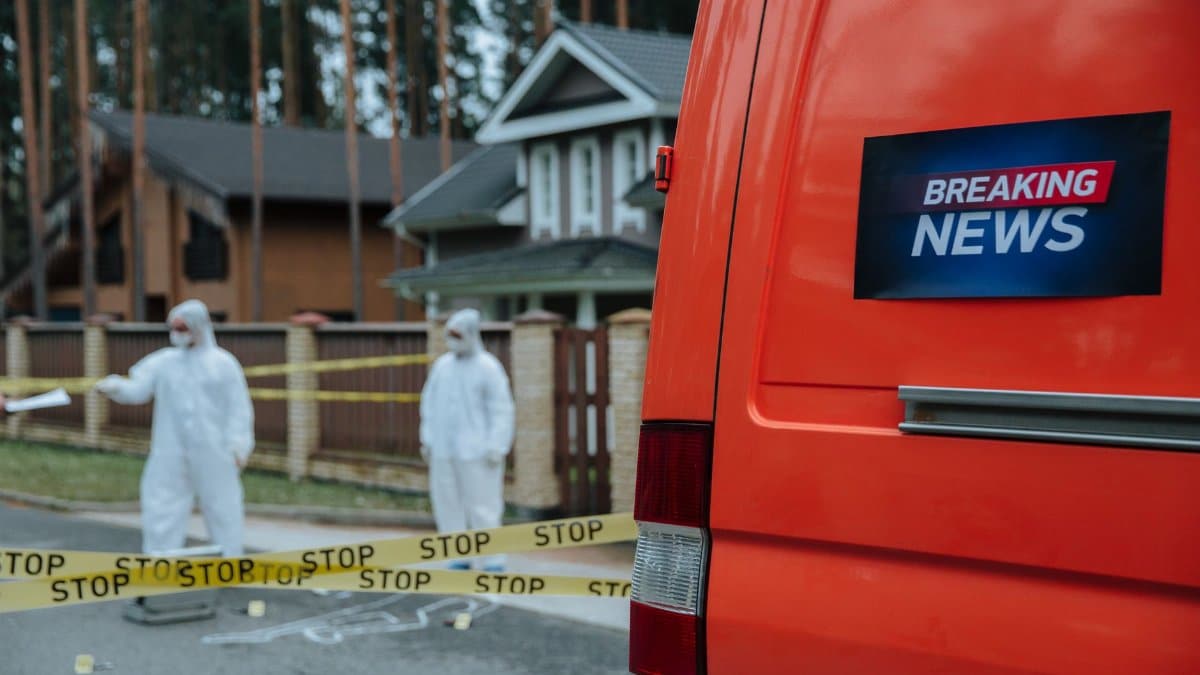
A careful inquiry will look at signal phase, train speed, horn use, camera angles, the bus route, and the instructions the driver had been given. It will ask whether the crossing equipment worked and whether the bus was where a turn or a stop required it to be. Those facts can be known. They should be released in language a rider can follow, not only in a technical memo. Until then, speculation about fault is a poor substitute for the sequence. The public can hold two ideas at once: wait for the reconstruction of this crash, and refuse to wait for a broader look at a corridor that has already supplied too many reconstructions.
A neighborhood asked to absorb the risk
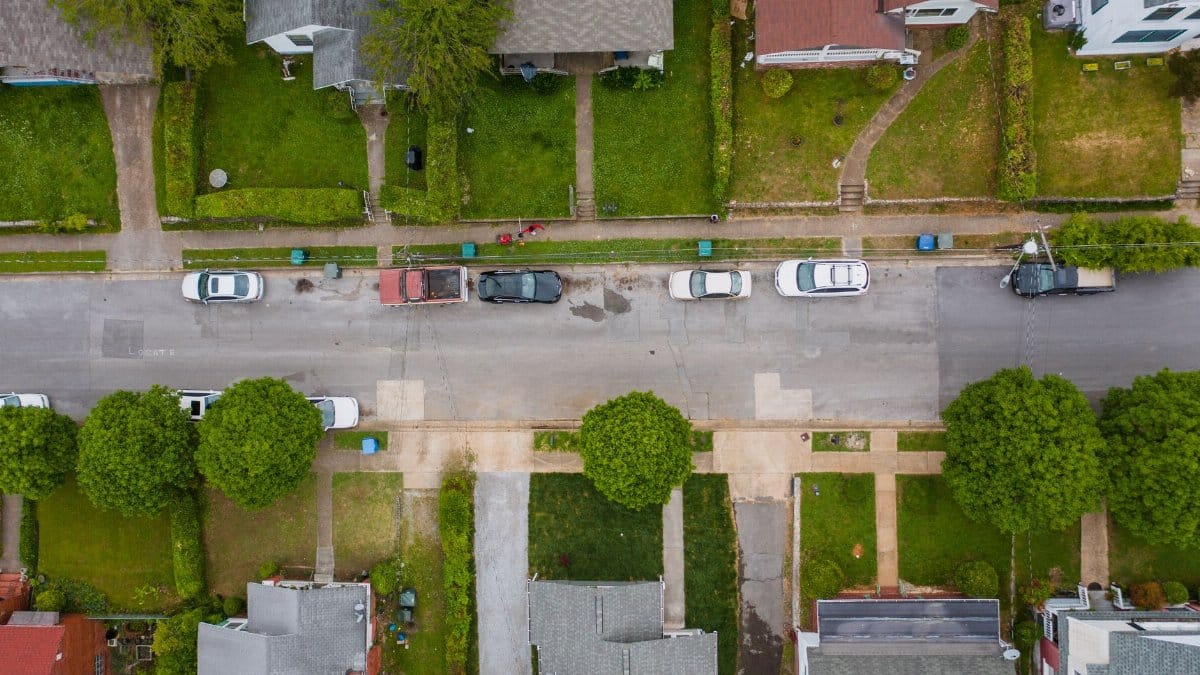
Rainier Valley has hosted regional infrastructure before, and it has hosted the costs that do not show up in opening ceremonies. The light rail line brought access that many residents wanted and use every day. It also brought a daily negotiation with danger that north end tunnel riders never see. Fairness is not a soft word in that setting. It is a question of who lives next to the median, whose children ride the yellow buses that cross it, and whose commute is treated as worth a capital project. An empty bus struck by a train is a mercy nested inside a failure. The mercy should be acknowledged. The failure should not be allowed to fade with the tow truck.
The promise still unfinished

Seattle knows how to celebrate a new station and how to mourn a fatal crash. It is less practiced at the middle work: changing a street before the next siren. Rainier Valley light rail will run again, and it should. The region needs it. Need is not a permission slip to treat crossings as an acceptable tax on one neighborhood. The next useful headline is not another collision. It is a public account of what will be different on this corridor, written in schedules, designs, and rules that a bus driver and a train operator can both follow when the light changes and the rails are no longer empty.