
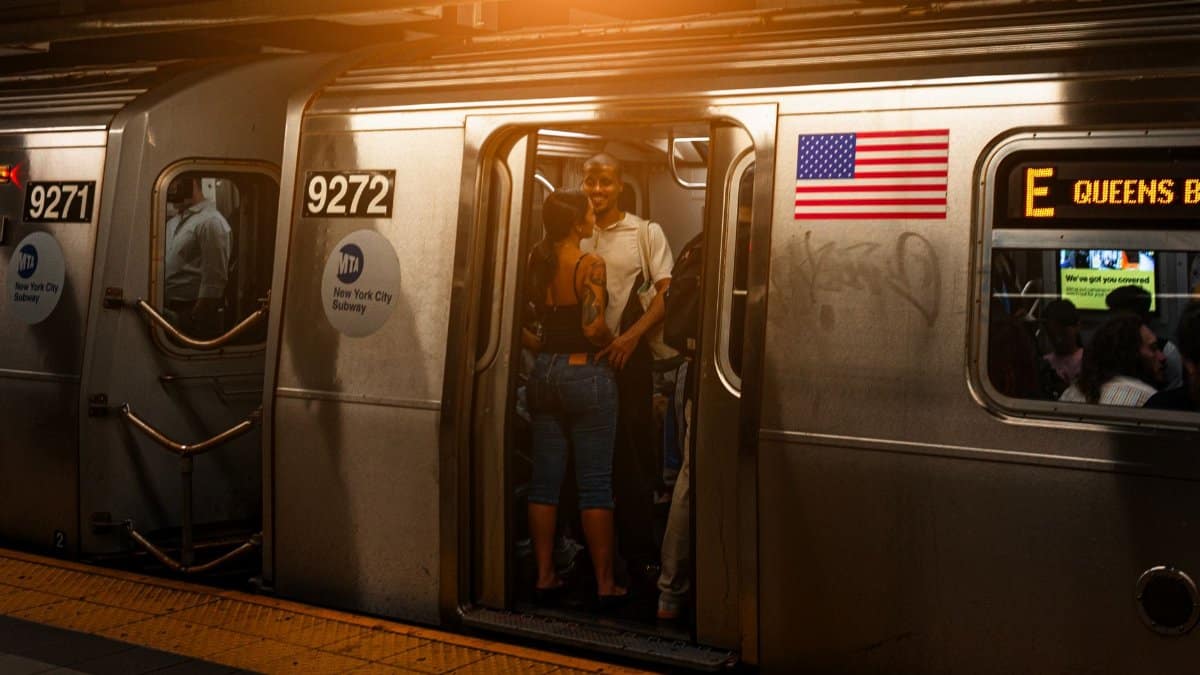
On a weekday morning in Baltimore, a bus door opens and a familiar calculation plays out in a few seconds. Some riders tap a card. Others step aboard and keep walking. Drivers, already behind schedule, rarely halt the line to argue. The Maryland Transit Administration still cannot publish a figure anyone outside the agency can audit for how much money leaves with those unpaid trips. That blank space has a plain name in budget rooms and on platforms: MTA fare evasion losses. People who study the system say the agency cannot choose smarter checks, fairer prices, or new gates until it first measures what it is missing.
A blank line where a number should sit

Transit budgets are built from small, repeated facts. A fare paid on a local bus is not glamorous, but multiplied across a year it pays for fuel, cleaning, and the wages of people who keep vehicles moving. When the agency cannot say how many of those fares never arrive, every other argument floats. Lawmakers ask whether service cuts are necessary. Riders ask whether fares are already too high. Managers ask whether a new gate or a new inspector would pay for itself. None of those questions can be answered with confidence while the loss itself remains a rumor.
An estimate is not a moral verdict. It is a starting inventory. Grocery stores count shrinkage before they redesign a checkout lane. Utilities estimate unbilled use before they buy meters. Transit is no different, except that the missing item is a ride already taken. The seat was occupied. The fuel was burned. Only the payment failed to appear.
Why experts call counting the first step

Specialists who have spoken with reporters in Maryland put the sequence in a simple order. Count first. Then decide. New cameras, taller gates, or more police details can look decisive in a press release, yet each tool has a cost and a side effect. Without a baseline, officials cannot tell whether a pilot reduced unpaid riding or merely moved it to another door, another hour, or another route. MTA fare evasion losses, left uncounted, become a slogan that can justify almost any purchase and excuse almost any result.
A useful count does not have to be perfect on the first try. It has to be repeated, public, and honest about its blind spots. Riders will forgive a rough number if they can see how it was built. They will not forgive a secret number that appears only when someone wants a new contract.
What a morning commute already shows
Anyone who rides often has a private estimate. On some lines, payment looks nearly universal. On others, especially crowded runs where the front of the bus is jammed, tapping a card can feel optional. Light rail platforms and subway entrances tell a different story again, because the chance of meeting a checker varies by station and by time of day. These impressions are not data, but they explain why the public debate feels so sharp. People are arguing from scenes they have watched with their own eyes.
Drivers sit in the middle of that scene. Many are told not to confront nonpayers, both for safety and to keep the schedule. That policy may be wise. It also means the person closest to the unpaid ride is discouraged from recording it. If the agency wants a count, it cannot rely on confrontation at the farebox. It needs methods that do not turn every boarding into a dispute.
Enforcement without a baseline
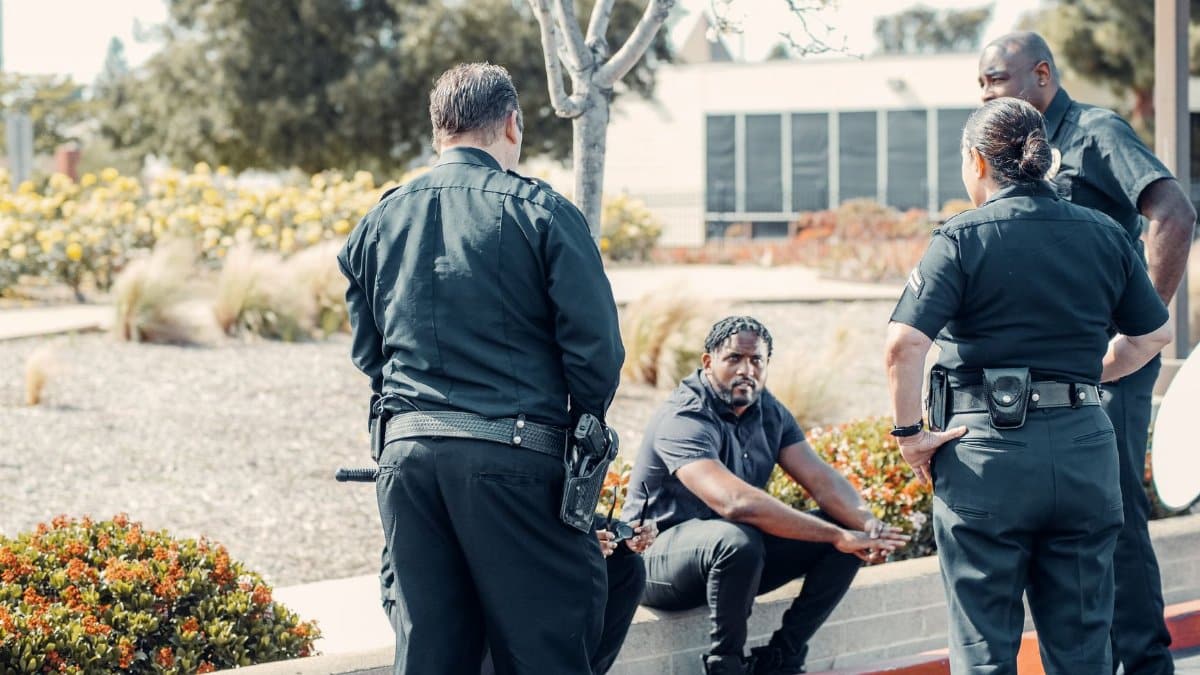
Maryland has discussed stronger checks for years, as many American systems have. The appeal is obvious. A visible inspector can change behavior on a single afternoon. The risk is just as obvious. Enforcement that lands hardest on the poorest riders, or on particular neighborhoods, can deepen distrust even if it recovers some cash. Without a published measure of MTA fare evasion losses, the public cannot weigh recovered fares against the cost of the people hired to recover them.
There is also a design problem. If inspectors cluster where they are easiest to deploy, the numbers they produce will describe those places, not the network. A crackdown at a few downtown stops can create a success story that does not travel to late night buses in the counties. A baseline built from samples across routes, hours, and modes would show whether the problem is concentrated or widespread. That distinction should shape the remedy.
The politics of an absent figure
A missing estimate is politically convenient for more than one side. Critics of the agency can treat every crowded bus as proof of collapse. Defenders can say the problem is exaggerated by anecdotes. Both claims survive because neither can be checked against a shared number. In a state budget fight, ambiguity is a kind of currency. It lets fare policy, service levels, and police staffing be debated as symbols rather than as trades.
Transparency would narrow that room. A quarterly note, written in ordinary language, could say how the sample was drawn, what share of observed boardings lacked payment, and how that share converts into dollars under current fares. It could also say what the method cannot see, including rear door boardings on articulated buses and stations without staff. Honesty about limits would make the number harder to weaponize and easier to trust.
How other cities talk about unpaid rides
Large systems elsewhere have learned, sometimes painfully, that a single percentage can dominate a news cycle. New York, Washington, and cities on the West Coast have all published estimates, revised them, and argued over whether gates or ambassadors or fare caps did the real work. The lesson for Baltimore is not to copy a gadget. It is to copy the habit of publishing a method. When a number moves, readers should be able to tell whether behavior changed or the ruler changed.
Comparisons still need care. A subway with a closed entrance is not a bus with three doors on a city street. A region with a dense rail core is not a region where most trips are on rubber tires. Maryland’s network mixes those worlds. Any serious account of MTA fare evasion losses has to separate bus, light rail, metro, and commuter services, or the average will describe none of them.
Fairness and the cost of a harder line
Unpaid riding is not one behavior. Some riders are short a dollar and will pay tomorrow. Some treat the system as free because they have learned that no one checks. Some are confused by a transfer rule or a card that failed. A count that lumps all of those cases together will push policy toward punishment, because punishment is easier to announce than a fare structure people can understand.
There is a fairness claim on the other side as well. Riders who pay every day subsidize those who do not. Operators absorb tension that managers never see. If the agency shrugs, the social contract of the fare thins out. The task is to recover revenue without turning a public service into a trap for people who already have the least room in a weekly budget. Income based discounts, simpler transfers, and reliable machines matter here as much as inspectors do.
What a credible count would include
A serious estimate starts with observation, not with wishful arithmetic. Teams can ride a random set of trips and record boardings with and without payment, then scale those samples to the whole schedule. Cameras already used for safety might help, if privacy rules are clear and the footage is sampled rather than watched endlessly. Farebox reports, mobile app logs, and station entry counts can be set beside ridership surveys. Where those sources disagree, the disagreement itself is information.
Dollars come second. A missed two dollar bus fare is not the same as a missed commuter ticket. The agency should show the conversion, including free transfers and passes that make a single tap worth less than the cash fare. It should also show a range, not a false precision. Saying the annual gap is likely between two bounds is more adult than printing one dramatic total and hoping nobody asks how it was made.
Gates, labor, and the limits of hardware
Hardware tempts officials because it photographs well. A new gate suggests control. On a bus, though, a gate can slow boarding, strand riders who use wheelchairs, and fail in the rain. On rail, a gate can be vaulted, held open for a stranger, or left useless at an unstaffed entrance. Labor is the other temptation: more checkers, more police, more customer agents. Each can help in the right place. Each can also spend more than it returns if deployed by habit.
That is why the missing estimate is not a bookkeeping quibble. It is the only way to test whether a tool earns its keep. If a pilot on one corridor cuts unpaid boardings and the count shows it, expand the pilot. If the count shows no change, stop buying the same answer in a new color. Riders can accept experiments. They should not accept experiments that never report results.
Trust between the agency and the public
Fare payment is a small act of trust. The rider trusts that the bus will come, that the card reader will work, and that the money will support a service worth using. The agency trusts that most people will pay when paying is easy and the rule is real. When either side feels cheated, the small act frays. Publishing MTA fare evasion losses, with the method attached, would be a trust building move even if the number is uncomfortable.
Silence has the opposite effect. It invites the most alarmed story to fill the gap. It also invites cynicism among people who pay, who conclude that honesty is for suckers. A public estimate will not restore every relationship on a crowded coach. It will at least give both sides the same page to argue from.
A practical path for lawmakers
Legislators do not need to design the sample themselves. They can require a timetable. Ask for a first public estimate within a set number of months, then updates on a regular calendar. Ask for separate figures by mode. Ask for the cost of any new enforcement beside the revenue it is expected to protect. Ask what share of unpaid trips the agency believes it can realistically recover, because promising one hundred percent recovery is a fantasy that poisons later budgets.
They can also pair the count with fixes that make payment easier. Broken machines, confusing pass rules, and cash policies that strand riders are not excuses for skipping the fare, but they are reasons a count will overstate willful evasion. A report that ignores those frictions will read as a prelude to punishment. A report that names them will read as management.
What remains unknown, and why that should end

No outside reader can say today, with confidence, how many millions slip past Maryland’s fare system in a year. That ignorance is the story. It blocks a calm comparison of gates, inspectors, fare caps, and better machines. It leaves drivers without backup and paying riders without proof that their habit is the norm. It leaves critics and defenders free to invent the scale that suits them.
The remedy is not a slogan and not a shopping list. It is a count the public can read, repeated until the trend is clearer than the anecdote. Until that page exists, arguments about MTA fare evasion losses will keep circling the same morning scene: a door opens, some people pay, some do not, and nobody in authority can say what the difference is worth.