
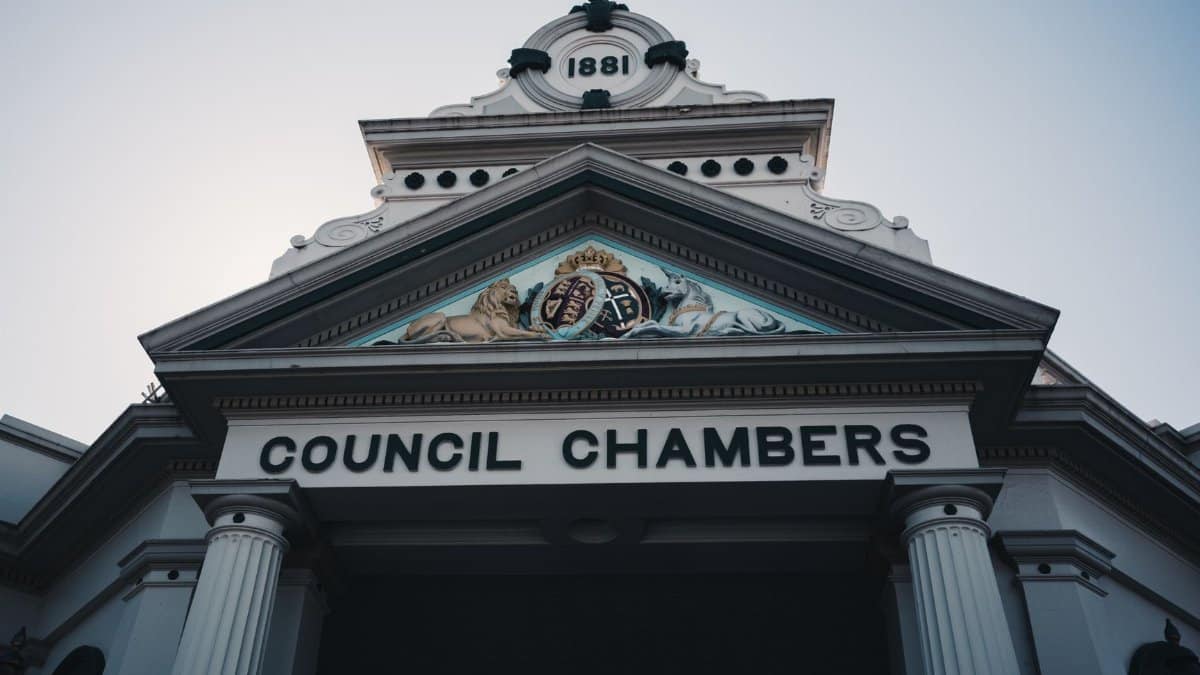
On a weeknight when most of Southlake was already home, the question in the council chamber was practical and charged at once. Could a parish host an outdoor celebration on its own grounds, or would the city treat that gathering as a public event it was free to refuse? The Southlake Pride permit became the document on which that argument turned, a stamped form carrying far more weight than paper usually does in a suburb proud of order, churches, and carefully managed streets.
What the council actually refused
City leaders rejected a permit for an October 3 event planned at St. Martin in the Fields Episcopal Church, a Pride gathering known locally as Pride Kel So. The refusal did not dissolve the parish. It did not ban private worship, a sermon, or a meeting inside the sanctuary. It did block the special permission organizers sought to stage a larger festival style observance on church property, the kind of permission cities require when crowds, vendors, music, or street impacts are expected.
That distinction matters, and it is also easy to lose. Supporters heard a denial aimed at who would be celebrated. Officials and some neighbors described a decision about scale, traffic, parking, and whether the city should lend its administrative blessing to an event they viewed as disruptive. Both readings can be present in the same vote. A permit is a civic instrument. In a place as watched as Southlake, it is rarely only that.
The gathering the church had in mind
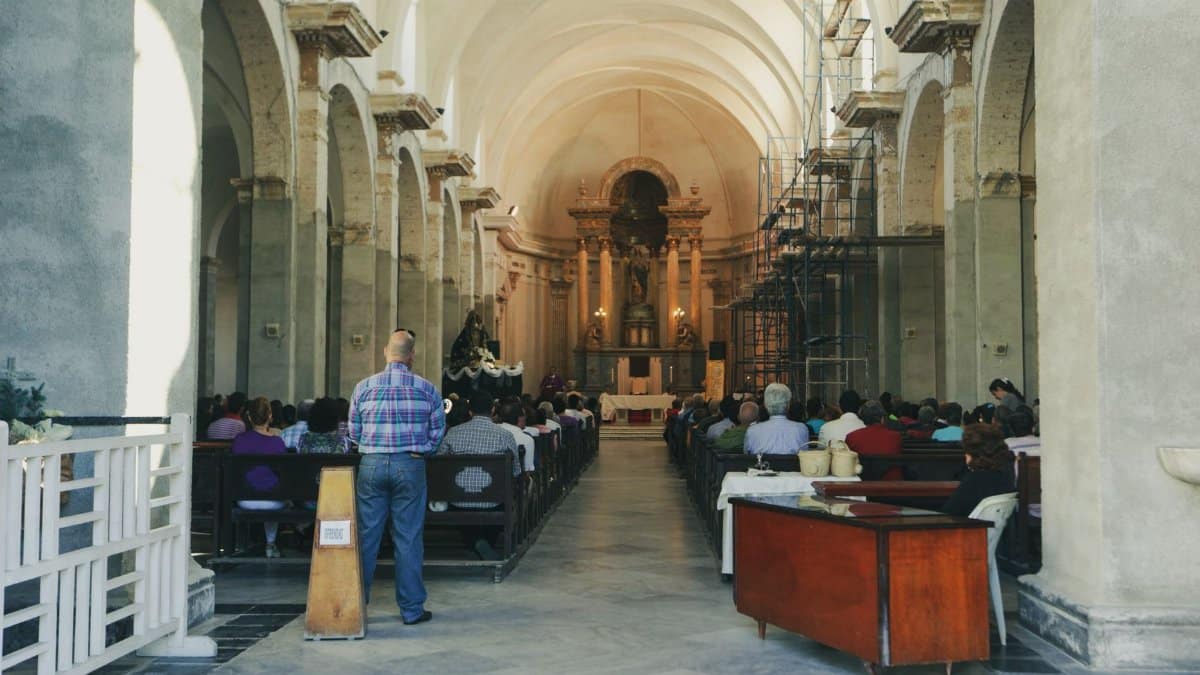
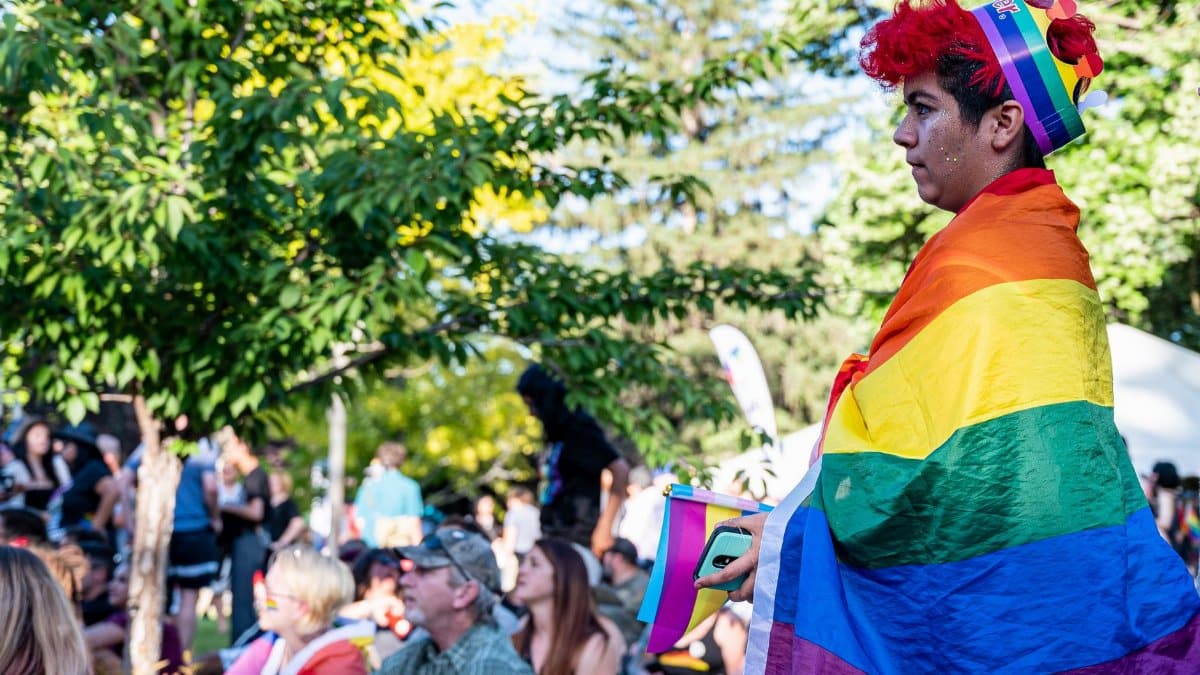
Organizers framed the day as a celebration of LGBTQ people and their families, held in a Christian setting rather than on a downtown plaza or a school field. Episcopal parishes in many cities have hosted similar observances, often with prayers, music, food, and information tables. The Southlake version was meant to be local, not a regional spectacle imported from Dallas or Fort Worth. October 3 was the date on the application. The lawn and the church name were the setting. The hope, as allies described it, was that queer residents of Keller, Southlake, and nearby towns could see themselves named in public without leaving the suburb.
A church festival is not the same thing as a march that closes an arterial road. Still, once a parish asks the city for a special event approval, the gathering leaves the realm of an ordinary Sunday and enters the realm of municipal judgment. That is the hinge. Private faith can be expansive. A permitted festival is a negotiation with neighbors who did not choose the guest list.
Why a lawn still needs a stamp

Special event rules exist for dull and necessary reasons. Cities want to know how many people may come, where they will park, whether food will be sold, whether amplified sound will carry past the property line, and how emergency vehicles would reach the site if something went wrong. Southlake, like other affluent suburbs, has spent years refining those rules so that youth sports, holiday markets, and charity runs do not surprise the fire department or the neighbors on the next block.
Applied evenly, those rules are hard to oppose. Applied to a Pride observance at a church already identified with inclusion, they are read for motive. Residents who have watched permit fights elsewhere know the pattern. A city can recite neutral criteria and still choose the moment, the applicant, or the level of scrutiny. A city can also apply the criteria in good faith and still be accused of bias because the subject is not neutral in the public mind. The Southlake Pride permit sat in that narrow space, where procedure and identity are difficult to pull apart.
The worries neighbors put on the record
Opposition in suburbs like this one rarely arrives as a single speech. It arrives as emails about parking overflow, comments about children, and a generalized claim that a celebration will become a protest. Some residents argue that a church may believe what it believes, yet the city should not facilitate a festival that treats sexuality and gender as matters for public festivity. Others say they are not objecting to gay neighbors at all. They object to noise, to unfamiliar crowds, and to the sense that a local institution is picking a side in a national argument.
Those claims deserve a clear eyed hearing, not a sneer. Parking is not imaginary. A quiet residential edge can be altered by a few hundred extra cars. Parents are allowed to ask what an event on a church lawn will look like from the sidewalk. The trouble starts when ordinary logistical language is asked to carry a heavier objection that speakers will not state. If the real dispute is whether LGBTQ people should be celebrated in Southlake, a conversation about cones and decibel limits will not settle it. It will only postpone the honesty.
The case for letting the parish proceed
The church and its allies answered with a different measure of harm. Denial, they argued, tells LGBTQ residents that their joy requires a permission the city is unwilling to give, even when a congregation is prepared to host them. For teenagers who already know the reputation of Carroll schools and the broader Southlake fights over race, books, and identity, a refused festival can land as one more signal that belonging is conditional. Episcopal leaders who support the event locate that welcome in baptism and in the claim that the altar is not a club with a narrower door than the creed.
There is also a civic argument that does not depend on theology. If the city permits other large church gatherings, seasonal festivals, and charitable fairs under similar conditions, a Pride observance should face the same worksheet, not a different instinct. Equal administration is the standard residents of every persuasion say they want until the applicant is someone they dislike. The test of a rule is the applicant who makes the room uncomfortable.
A suburb already fluent in these fights
Southlake did not meet this application as a blank page. Over several years the city and its school district became national reference points in arguments about diversity plans, classroom speech, and what a high achieving suburb owes families who do not match the majority. Those fights trained residents to hear any new controversy as a sequel. A permit hearing, in that atmosphere, is never only about October 3. It is about who gets to define the town’s manners.
That memory cuts both ways. Organizers arrived expecting skepticism and found, in their view, confirmation. Officials arrived knowing that a yes vote would be cast nationally as surrender and a no vote as exclusion. Neither posture helps a council do the unglamorous work of reading a site plan. When every local decision is treated as a proxy war, the people who live on the adjacent streets lose the ability to ask a limited question and get a limited answer.
Faith is not a permit, and a permit is not a creed
It is worth separating what the city can do from what a church must decide for itself. A council does not ordain theology. It cannot tell an Episcopal parish that its reading of scripture is fashionable or mistaken. It can decide whether a proposed use of property, once it seeks the status of a special public facing event, meets codes the city applies to others. Confusing those roles inflames everyone. Parishioners who treat a denied stamp as excommunication overread a municipal act. Opponents who treat a church festival as an official city endorsement of a moral claim overread it in the other direction.
Still, symbols do not obey that tidy split. In a town where many people worship, the refusal of a church hosted Pride event will be preached, forwarded, and remembered as a moral verdict even if the minutes speak only of logistics. Local news accounts of the hearing, including reporting by The Dallas News, placed the rejection in that wider faith and politics frame because readers already understood it that way. Journalism did not invent the fusion. The hearing did.
October 3 without the festival the city declined
A denied permit does not erase the people who would have attended. It changes the container. Some will gather in smaller ways on church grounds that do not trigger the same approval. Some will drive to celebrations in Dallas or elsewhere in the metroplex. Some will stay home and take the refusal as the message. Parents of LGBTQ youth often describe that last outcome as the one they fear most, not a parade they missed but a child who concludes the town has no room for the truth of their life.
City leaders, for their part, will live with the precedent. The next large church event, whatever its theme, will be measured against this file. If a future applicant with a less contested cause receives quicker warmth, the neutrality defense will thin. If every large gathering now meets the same friction, critics of this vote will have to admit the standard was real. Precedents are how suburbs tell the truth about themselves over time.
What a permit fight reveals about belonging
I kept returning to a plainer question than the slogans allow. Who is assumed to fit on a Southlake lawn without an argument, and who must apply twice, once on paper and once in the court of neighborly suspicion? The Southlake Pride permit did not create that sorting. It exposed it. Affluent suburbs often believe conflict is something that happens on television, then discover that their own forms, fences, and hearing rooms are where national arguments become personal.
Belonging is not the same as unanimity. A city can host people who disagree about marriage, gender, and the proper work of a church, and still run a permitting office that does not flinch at the name of the event. It can also decide, openly, that some celebrations are outside the events it will facilitate. What it cannot do with integrity is hide a cultural verdict inside a traffic memo and expect the public to pretend it cannot read. Residents are capable of harder speech than that. They have already proved it.
The arguments that remain after the vote
The council’s refusal closes one application. It does not close the pastoral question inside St. Martin in the Fields, nor the political question among voters who will see this vote on a future mailer. Allies of the event will organize, legally and socially, around the claim that LGBTQ neighbors should not need a friendlier zip code to be celebrated by their own church. Opponents will treat the denial as evidence that local control still means something, that a suburb can decline a festival without owing anyone a national apology.
Between those poles are families who are tired of being drafted. They want safe streets, serious schools, and a church that does not embarrass them, and they do not all define embarrassment the same way. Some will sit in the pews on Sunday and avoid the subject. Some will leave for parishes that speak more plainly in one direction or the other. A permit hearing has a gavel. A congregation does not. The slower argument, about who is kin in a Christian suburb, continues in car lines and kitchen light long after the chamber empties.
A narrower standard worth demanding

If Southlake wants this episode to be about rules rather than refusal of a people, the remedy is visible and unromantic. Publish the criteria. Apply them to church festivals, sports banquets, and charity fairs with the same checklist. Say clearly when a crowd is too large for a site, and offer conditions, times, and traffic plans that would make a yes possible. If no set of conditions would have produced a yes, residents deserve that candor too. Evasion is what turns a routine denial into a story that travels.
The Southlake Pride permit will be remembered less for the attachments in the file than for the company it kept: a church, a date in October, and a suburb still deciding how much difference it will absorb without calling difference a disturbance. That is a spiritual question only in part. It is also a question of administration, manners, and nerve. Cities show their character in the events they allow to be ordinary. This one was not allowed to be ordinary. The reasons will be debated. The fact of the refusal will not.