
On a Thursday evening in late September, Davies Symphony Hall will fill with the particular rustle of a city that still believes a concert can mark time. Coats will be checked, programs folded, conversations lowered to a murmur that never quite disappears. The SF Symphony opening night arrives September 24 as the start of the 2026 27 season, with Giancarlo Guerrero on the podium and Hilary Hahn as the featured soloist. For listeners who measure years by first notes rather than calendars, the evening is less a party than a resetting of attention.
A hall that still knows how to gather
Davies Symphony Hall has always done two things at once. It is a working room for sound, with its curved walls and its careful seats, and it is a civic parlor where San Francisco comes to see itself dressed for the occasion. Opening week exaggerates both qualities. The lobby grows louder. The ushers grow more precise. People who have not sat together since spring recognize one another across a staircase and resume a conversation that never really ended.
That social weather matters because an orchestra is not only an ensemble of players. It is a habit of showing up. Subscribers return to the same section, sometimes the same row, and treat the first concert as a kind of annual census. Who is still here. Who brought a guest. Who has been away and wants the room to feel familiar again. The music will carry the evening, but the gathering itself is part of what the institution is selling, and part of what the city quietly needs.
Guerrero takes the season in hand
Giancarlo Guerrero arrives at this opening not as a guest passing through, but as the conductor charged with shaping the orchestra’s next chapter. Audiences already know the outline of that story. He built a reputation in Nashville for adventurous programs and for a podium manner that can be both exacting and warm. San Francisco, a city with a long memory for its music directors, will listen for something more specific than reputation. It will listen for how the orchestra breathes with him when the stakes are ceremonial and the microphones, formal or informal, are everywhere.
A music director’s first notes in a season are never only about tempo. They are about priority. Does the string sound lean forward or sit back. Do the winds speak as individuals or as a choir. Is the brass permitted splendor, or asked for restraint. Those choices, small in a program note, become the grammar of a year. Players hear them before the public does. By the final applause, a careful listener can usually hear them too.
Hahn and the clarity of a solo line
Hilary Hahn’s presence on the opening bill gives the night a second center of gravity. She is among the most exact violinists of her generation, admired less for display than for a tone that seems to arrive already considered. In a gala setting, where spectacle can crowd out thought, that kind of playing does useful work. It asks the room to lean in. It reminds an audience that virtuosity is not volume. It is intention, repeated until it sounds inevitable.
Pairing a new season’s conductor with a soloist of Hahn’s standing is also a programming statement. It says the orchestra wants the first impression to be about collaboration, not about a single personality claiming the stage. Guerrero must leave space. Hahn must enter a sound that is still introducing itself. When that exchange works, the SF Symphony opening night becomes less a showcase and more a conversation the rest of the season can continue.
What a first concert is allowed to be
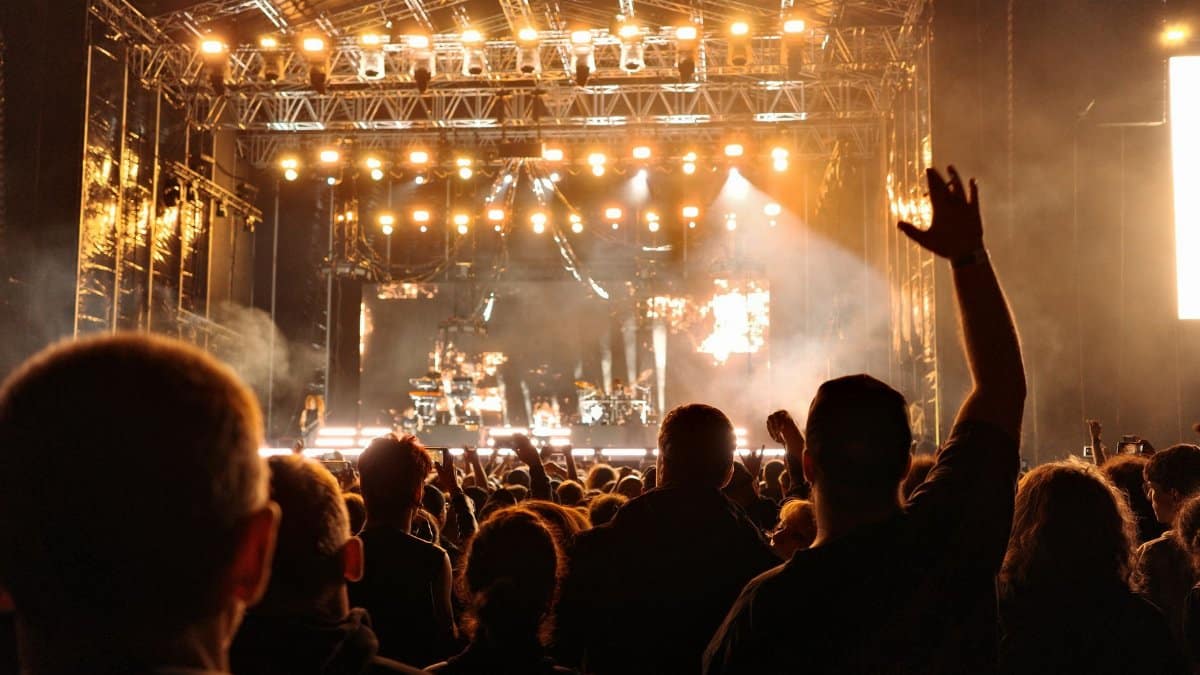
Opening concerts carry expectations that ordinary subscription nights do not. Donors are in the house. Trustees are counting the mood. Critics, even in a thinner press landscape, still treat the evening as a sentence in a longer argument about the institution’s health. The danger is that the music gets asked to perform too many jobs at once: welcome, fundraiser, artistic manifesto, and reassurance that the old hall still matters.
The better nights refuse that overload without becoming modest to a fault. They pick a few things and do them cleanly. A conductor who trusts the orchestra. A soloist who does not decorate what is already clear. An audience willing to let silence do some of the work before the applause. San Francisco has had evenings like that, and evenings that felt assembled for photographs. The difference is usually audible within the first ten minutes.
The long presence of Michael Tilson Thomas
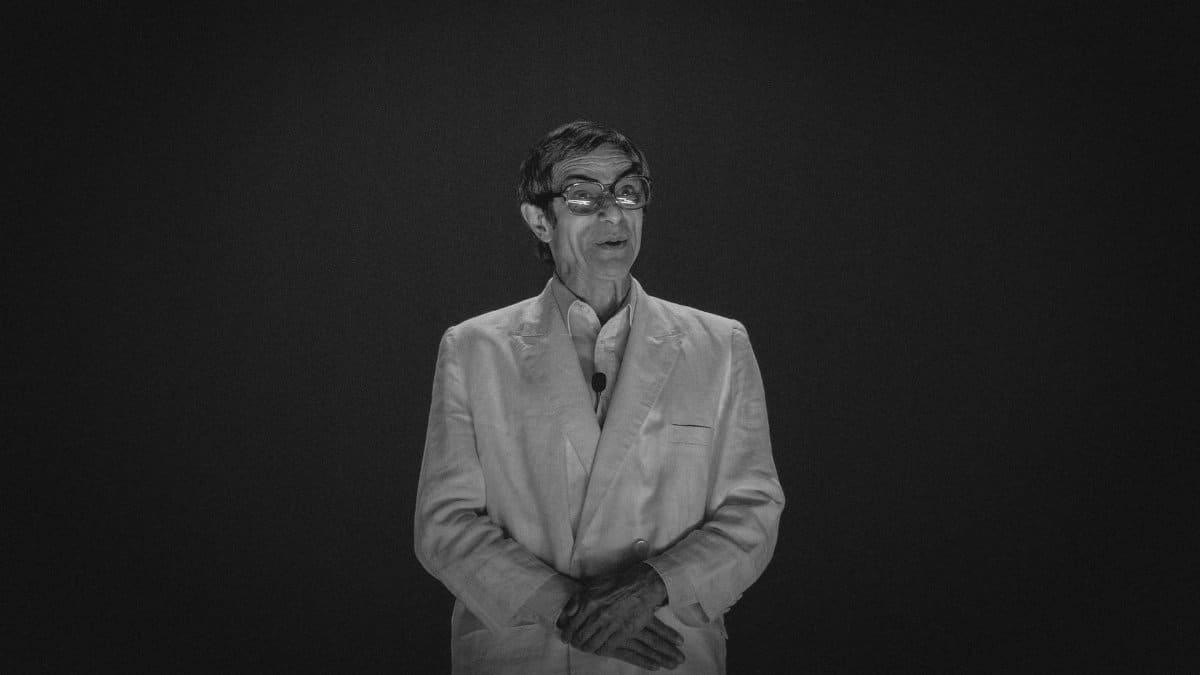
No discussion of this orchestra can proceed for long without Michael Tilson Thomas. For a quarter century he was not merely its music director. He was one of the ways the city explained itself to visitors and to its own residents: curious, theatrical, serious about new work, unwilling to treat the standard repertoire as a museum. His American music advocacy, his flair in the late Romantics, and his habit of talking to audiences as if they were capable of following a real idea left a residue that outlasts any single season.
Illness changed the terms of that presence, but it did not erase it. Players who came of age under his baton still carry his phrasing in their hands. Subscribers still hear certain pieces as his pieces, even when another conductor leads them. A new regime does not cancel that history. It has to live beside it, which is a harder assignment than simple succession. Guerrero’s task is not to imitate. It is to make the contrast feel like continuity of purpose rather than a break in affection.
A tribute postponed, and why that may be right
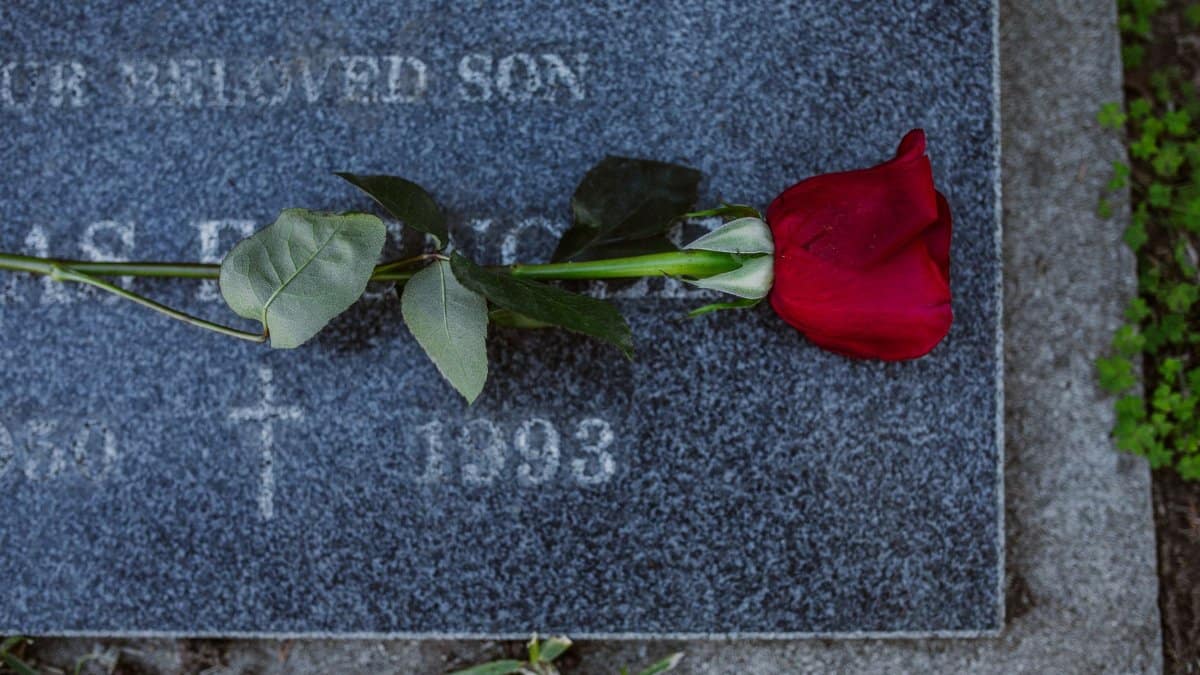
The season will include a later tribute concert for Michael Tilson Thomas, set apart from the opening festivities. That separation is worth noticing. Opening night has its own job, which is to begin. A tribute has a different job, which is to remember without turning memory into competition with the living work onstage. Putting those duties on the same evening can flatten both. Giving the tribute its own date lets grief, gratitude, and musicianship occupy a room that is prepared for them.
There is a practical wisdom in that choice, and a human one. Orchestras are workplaces. Colleagues who played beside Thomas for years should not have to fold a farewell into a gala toast. A dedicated concert can hold the repertoire he loved, the jokes only the players will fully catch, and the public thanks a city still owes him. When that night arrives, it will not replace the SF Symphony opening night. It will answer it from another angle, the angle of duration.
Money, mood, and the quiet ledger
None of this floats free of economics. A major American orchestra opens its season inside a budget, a contract, a donor cycle, and a city whose cost of living keeps testing who can afford a ticket, a babysitter, and a night downtown. Opening galas have always been partly about money, and pretending otherwise insults the people who keep the lights on. The more interesting question is whether the artistic face of the institution still feels addressed to more than the people who can buy the best seats.
San Francisco’s cultural life has been bruised by the years since the pandemic, by shuttered rooms, by audiences that returned slowly and sometimes not at all. Classical presenters felt that absence in a particular way, because their model depends on repetition. One glamorous night does not rebuild a habit. A season of nights might. The opening concert is a signal, not a solution. If the weeks that follow are adventurous, legible, and priced with some imagination, the signal will mean something. If they are not, the flowers in the lobby will be remembered as flowers.
Listening as a civic practice

It is easy to treat a symphony concert as leisure with better tailoring. It can be that. It can also be a training in shared attention, which is rarer than it sounds. For two hours a crowd agrees to face the same direction and to let a group of strangers make something that cannot be paused. Phones go dark. The cough that would be nothing in a café becomes a small event. People discover, again, that they can wait for a phrase to finish.
That discipline has a spiritual dimension if the word is used carefully, not as doctrine but as a name for inwardness practiced in public. You do not have to believe anything in particular to feel the room change when a slow movement asks for less. I have felt it in this hall on nights that were not galas at all, when the audience was thinner and the music was better for the lack of ceremony. Opening night can reach that place too, if it does not spend all its energy on being an event.
What the players are actually doing
From the seats, an orchestra can look like a single instrument. From the stage, it is a negotiation among sections that have spent the summer apart. Opening week is when bowings get settled, when a new guest principal makes a first impression, when a conductor’s rehearsal language either clarifies or clutters. The public hears the result. The musicians live the process, often in hours the audience never sees, under lights that are less flattering than the ones used for photographs.
Hahn’s rehearsals with the ensemble will be part of that private weather. A soloist of her precision changes how a string section listens to itself. Guerrero’s gestures will tell the brass when to bloom and when to stay inside the harmony. None of that is glamorous in the lobby sense. All of it is why the first public performance can feel either settled or slightly ahead of itself. Veterans in the audience often prefer the second week, when the adrenaline has somewhere to go. Newcomers are right to want the first night anyway. Beginnings have their own truth.
A city listening for its next voice
San Francisco has never had a single cultural voice, and the symphony has never been the whole of its musical life. Jazz rooms, experimental lofts, opera, club nights, and church choirs all claim evenings on the same calendar. What the orchestra offers, when it is working, is scale and memory in the same gesture. A hundred people can make a sound no smaller group can fake, and they can do it inside a tradition that still argues with itself about what belongs.
Guerrero will be judged, fairly or not, on whether that argument stays alive. Hahn will be judged on a shorter timeline, the length of a concerto and the bows that follow. Thomas will be honored later, in a concert that should be allowed to be exactly what it is. Between those poles sits the ordinary miracle the institution has to earn again: people leaving a downtown hall a little more awake than they entered, willing to come back when the gowns are gone and the program is simply Tuesday.
After the applause, the longer season
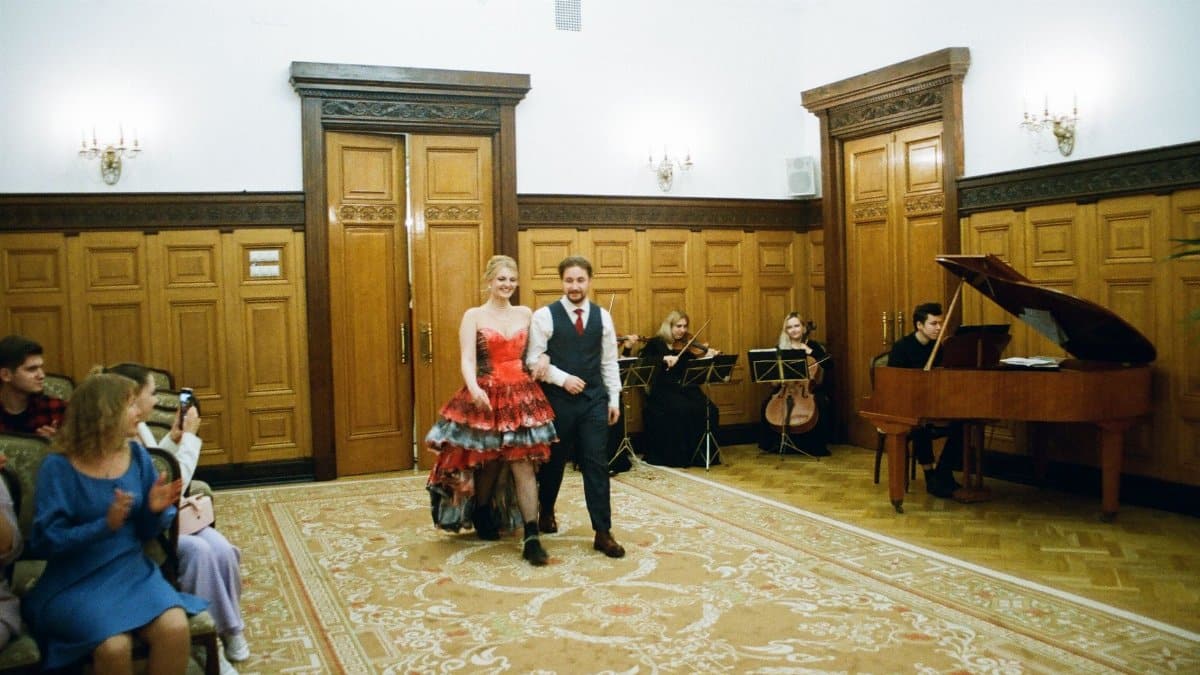
The last thing an opening should be is a conclusion. September 24 will produce reviews, photographs, and a certain amount of talk about whether the chemistry is real. Some of that talk will be premature. Orchestras reveal themselves across months, in the third concert of a hard week, in a contemporary piece that does not flatter, in the way a conductor handles a cancellation or a thin house. The SF Symphony opening night can only promise a direction. The season has to walk it.
Still, promises matter. A city that has spent years arguing about what it is for can use a room where argument takes the form of listening. If Guerrero and Hahn give that room a clear first sentence, and if the later tribute gives Thomas the unhurried thanks he has earned, the orchestra will have done something more durable than a gala. It will have reminded its audience that time can be marked by sound, and that showing up is still a way of belonging.