
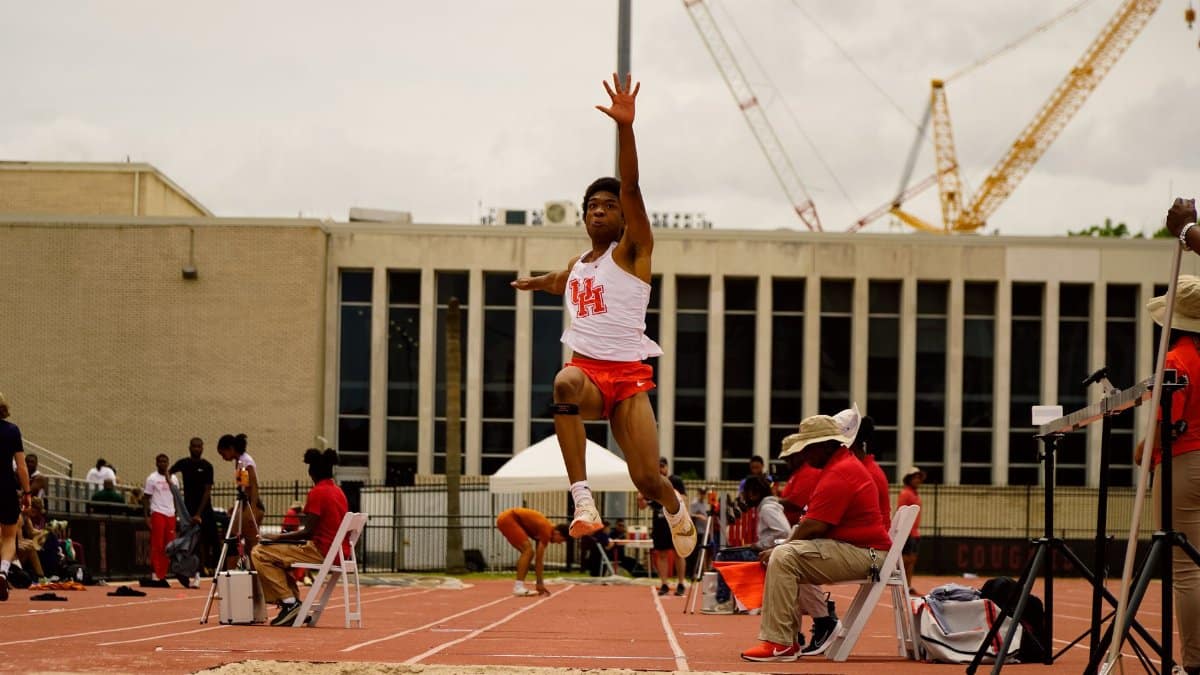
The lights over Jones AT&T Stadium do not ask whether a program belongs. They simply come on, and a city that has hosted football for generations fills the concrete and the parking lots with a kind of Saturday devotion that looks, from a distance, like faith. On September 18, that devotion had a visitor. No. 22 Houston came to Lubbock for a night game on Fox, and the phrase Houston Texas Tech Big 12 was less a television graphic than a statement about where both programs now live. The conference is still learning its own geography. The fans already know the stakes.
A league still teaching its members how to travel
Realignment is usually told as a ledger. Television money moves, logos change, and old rivalries are asked to make room for new ones. On the ground the change is slower and stranger. A team learns which airports can handle a charter, which hotels sit close enough to a stadium, and which crowds will treat a visitor as a curiosity rather than a rival. Houston is still inside that education. Texas Tech has lived in this neighborhood for a long time, which does not mean the neighborhood looks the way it did a decade ago.
The Big 12 that these two programs share is wider than the one many of their older alumni remember. It stretches across more states, more time zones, and more kinds of campuses. Some schools arrived with basketball pedigrees. Some arrived with football ambitions that the old map had underrated. The result is a league that can feel unfinished even when the standings are already stern. A September night in Lubbock is one of the places where that unfinished feeling becomes physical. The distance is real. The noise is real. The belonging has to be earned in public.
What a ranking asks of a visitor

A number beside a name is a compliment and a burden. No. 22 is not a crown. It is a notice that other people have started keeping score of your progress before you have finished proving it. For Houston, the ranking meant the trip north was no longer a quiet road date on a crowded calendar. It was a test with witnesses. Ranked teams are expected to look composed in hostile light, to avoid the sloppy sequence that turns a respectable visit into a long ride home, and to treat every snap as if the country might be watching even when only one region truly is.
Rankings also flatten history in a way that can be unfair. They do not explain how a program climbed, which injuries it absorbed, or which close games taught it to stop panicking. They simply announce that, for this week, the visitors carry a status the hosts would like to puncture. In Lubbock that desire is not abstract. Home crowds in college football often treat a ranked visitor as a gift. The gift is the chance to say, in one evening, that the poll missed something.
Lubbock and the religion of a home date

There is a reason people reach for sacred language when they describe certain stadiums, even if they would never use that language in a sanctuary. The repetition is liturgical. The same songs. The same march of students into a block of seats. The same parents who have held the same seats since a child was small. In Lubbock the ritual is not subtle, and it is not meant to be. Game day organizes the week. Work ends early enough for a grill. Traffic bends around the campus. Strangers argue about defensive fronts with the confidence of people who have been having the same argument for years.
Faith communities in a city like this do not sit apart from that calendar. Congregations adjust service times. Tailgates begin with a blessing that would sound out of place in a professional suite and perfectly ordinary beside a pickup truck. None of that decides a football game. It does explain why a night game can feel larger than the point spread. The hosts are not only defending a record. They are defending a weekly practice of gathering, one that gives ordinary people a shared object of hope.
Houston and the work of belonging

Houston did not join this conversation as a newcomer to ambition. The city has long treated sports as a civic language, and the university has chased a football identity that could stand beside that noise. Moving into a power league asked for something more specific than pride. It asked for roster depth that survives a November, for a staff that can recruit against older brands, and for a fan base willing to travel when the glamour is thin. The phrase Houston Texas Tech Big 12 captures that demand in four plain words. It says the Cougars are no longer measuring themselves only against the neighbors they used to see every autumn.
Belonging, though, is not granted by a membership vote. It shows up in small football facts. Can the offensive line keep its shape when the crowd makes the snap count hard to hear. Can the visitors avoid the penalty that feels like a gift to the home sideline. Can a young player, hearing his name turned into a punch line, still play the next snap as if the moment is ordinary. Those are spiritual questions only in the modest sense that they ask what a group believes about itself when the evidence is mixed. Programs that last in a new league answer them more than once.
Texas Tech and the demand of the home crowd
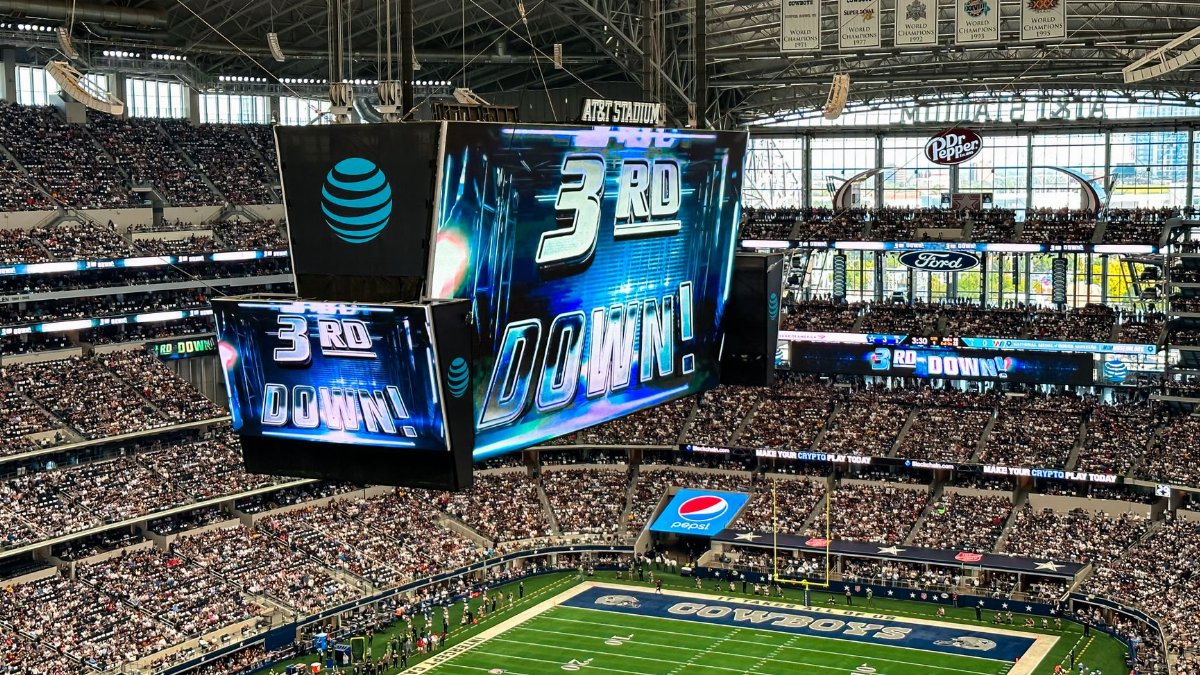
The hosts have their own pressure, and it is easy to miss if you only watch the visitors. A home crowd that expects a statement can become a second opponent when the statement is slow to arrive. Texas Tech has spent years trying to make its football match the intensity of its support. That project is never finished. A loud stadium can carry a team through a shaky quarter, and it can also turn restless if the shaky quarter lasts too long. Players know the difference. So do coaches, who hear the mood change before the television broadcast bothers to mention it.
There is also the matter of identity. Texas Tech football has often been associated with tempo, with wide open afternoons, and with a willingness to make a game uncomfortable for anyone who prefers a slower script. Styles change with coordinators, but a place keeps a memory of how it likes to win. Facing a ranked visitor gives that memory a stage. The crowd wants to see the home team impose a mood, not merely survive one. Survival can be enough in November. In a September night game, survival can look like a missed chance.
A Fox window and a national audience

Television does not create the meaning of a game, but it changes who gets to misunderstand it. A Fox night window pulls in viewers who could not find Lubbock on a weekday and who may know Houston mainly as a city of freeways and summer heat. For ninety minutes or more, those viewers receive a compressed lesson. They see uniforms, hear announcers compress years of context into a sentence, and decide whether the game deserves their attention past the first commercial break. That is a thin way to meet a place. It is also the way most of the country meets college football now.
For the programs, the window is leverage. Recruits watch. Alumni in other cities watch. A clean performance becomes a clip that admissions offices and collective fundraising efforts will not mind seeing. A messy one becomes a clip too. The Houston Texas Tech Big 12 meeting, staged at night and carried on a national network, was built for that double use. It was a conference game with a local soul and a broadcast that had no obligation to protect either soul. The cameras flatter noise. They are less interested in the quiet competence that often decides the score.
Belief as a coaching language

Listen to football coaches for a week and you will hear a theology with the doctrinal parts removed. They talk about trust, sacrifice, buy in, and the danger of doubting the man beside you. Some of them mean it as management. Some of them mean it as a genuine account of how young people hold together under stress. The language is easy to mock, and sometimes it deserves the mockery, especially when it is used to excuse poor planning. It is also one of the few public vocabularies left in which adults tell teenagers that character is a team problem, not a private brand.
On a night like this, that language gets tested in view of forty or fifty thousand people and a larger unseen audience. A coach who has preached composure cannot hide a tantrum. A player who has been told that the next play matters more than the last one has to prove he heard it after a dropped pass. None of this is religion in the formal sense. It is adjacent to it, in the way that any repeated demand for hope under pressure is adjacent to it. College football borrows the forms of belief because the sport asks people to care past the point of reason, then calls that care loyalty.
The quiet work before the snap

The hours that decide a road game rarely look dramatic. They are walk throughs in a hotel ballroom, meals timed to the minute, and position meetings where a coach repeats a rule the players have already heard. They are trainers checking ankles and equipment staff counting chin straps. They are also the private habits players carry from home. Some call a parent. Some sit with headphones and refuse conversation. Some pray, not because a network is filming the prayer, but because that is how they have marked important nights since high school.
Journalism tends to skip this interval because it does not produce a highlight. It matters anyway. A ranked visitor in a loud stadium is often undone less by genius than by a small failure of attention that began before the bus left the hotel. The same is true of the home team, which can mistake atmosphere for preparation. The spiritual trend, if there is one worth naming, is not that athletes have suddenly become more devout. It is that more of them are willing to say, without embarrassment, that attention is a moral act. They treat focus as something they owe teammates, not as a mood they hope will arrive.
What the Big 12 is trying to become
Leagues tell stories about themselves in order to recruit, to sell tickets, and to convince television partners that the product has a future. The Big 12 story, in this era, is breadth. It wants to be the conference where new members can rise quickly, where basketball bluebloods and football climbers share a brand, and where a week of games can feature several winners that a national audience did not expect. That story is attractive. It is also unstable, because breadth can look like a lack of center. Fans of older members sometimes hear expansion as dilution. Fans of newer members sometimes hear tradition as a door that stays half shut.
A single matchup cannot resolve that tension. It can illustrate it. When people say Houston Texas Tech Big 12, they are naming a collision between a program seeking confirmation and a program defending a home standard inside a league that needs both kinds of nights. If the game is competitive, the league looks deep. If it is lopsided, someone will use the score to argue that the map was drawn for money rather than for football sense. Both readings can be lazy. Depth is not proven by one upset, and money does not prevent a well coached team from being real. The wiser view is slower. It waits for October and November, when travel wears thin and the novelty of a new logo no longer covers a missed tackle.
The fans who make the distance worth it
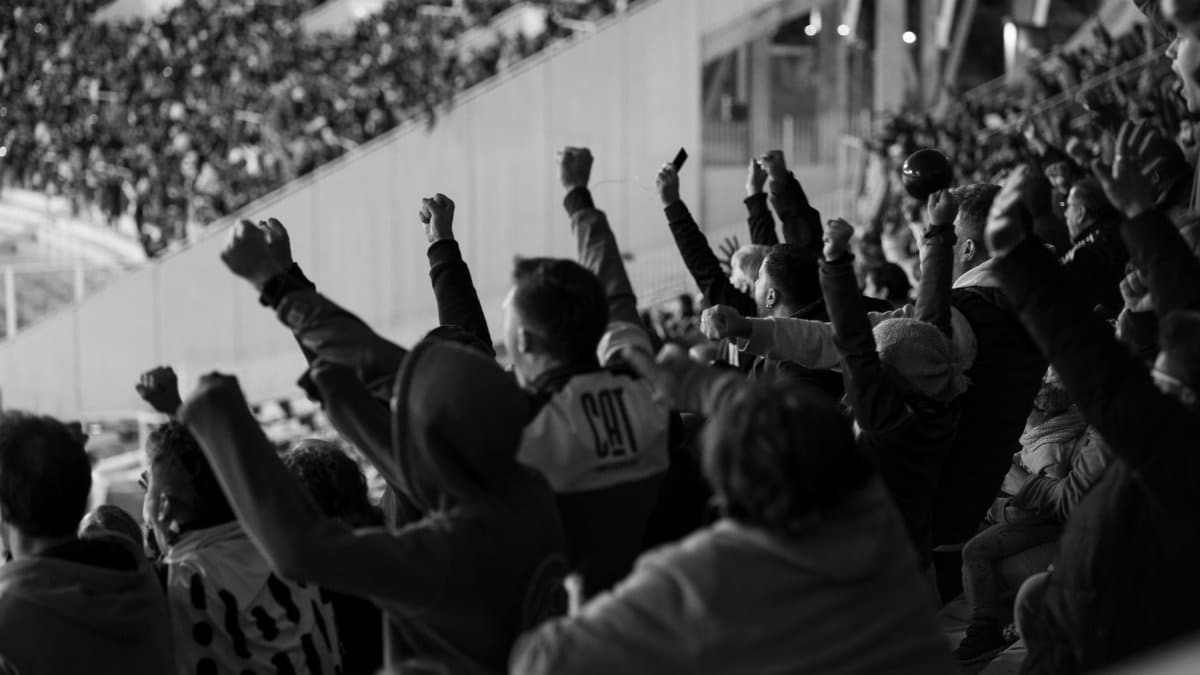
Road support is a minority faith. Most alumni will watch from a couch. A smaller group will drive or fly, wear the colors in a parking lot where they are outnumbered, and sing anyway. Their presence does not move the line of scrimmage. It does change the emotional math for players who can pick out a familiar voice in a hostile section. In a sport that sells belonging, those travelers are the proof that belonging is not only a marketing line. They spent money and a weekend to stand inside someone else’s ritual and insist on their own.
Home fans deserve the same seriousness. They are not a sound effect. They are people who arrange child care, who save for season tickets, who measure autumn by kickoff times. When a ranked team comes to town, they get to feel that their ordinary loyalty has been noticed by a poll. That feeling can curdle into cruelty. It can also stay generous, the way a host congregation can be proud without becoming cruel. The best crowds manage both volume and hospitality. College football does not always aim for that balance. The cities that get it right tend to be remembered more kindly than their win totals alone would predict.
What one night can and cannot settle

By the time the Fox broadcast signs off, someone will have a score and someone will have an explanation. Explanations are cheap in the first hour. A blocked kick becomes destiny. A dropped pass becomes a character flaw. A week later the same play may look like variance. The useful question is narrower. Did Houston look like a team that can carry a ranking into the harder part of a Big 12 schedule. Did Texas Tech look like a team that can turn home devotion into a consistent standard rather than a sporadic roar. Those questions survive the highlight package.
They also sit inside a larger unease about what college sports are for. Athletes move through the portal. Money moves through collectives. Conferences redraw themselves whenever a network blinks. In that weather, a night in Lubbock can look old fashioned, even quaint. People still gather. They still sing. They still treat a game as if it reveals something about a city. The quaintness is part of the appeal, and it is also a risk, because quaint things get squeezed when the money gets louder. Holding a real crowd in a real place remains one of the few experiences the sport has not fully digitized.
A showdown with a longer echo
No. 22 Houston visits Texas Tech in a Big 12 showdown is a clean headline because it promises conflict and a winner. The evening underneath that headline is messier and more interesting. It is a ranked program trying to prove that its rise is portable. It is a home program trying to make its stadium feel like an argument. It is a league trying to show that its new geography can produce nights worth staying up for. And it is a crowd treating football with a seriousness that brushes against devotion, even among people who would not call it that.
The phrase Houston Texas Tech Big 12 will fade from the graphic once the next game arrives. The conditions it names will not. Programs will keep traveling into stadiums that do not owe them comfort. Fans will keep arranging their weeks around a ritual that is part sport, part civic habit, and part hope. If the sport has a spiritual trend worth reporting, it may be this stubborn refusal to treat the gathering as trivial. The score will tell us who was better for three hours. The parking lots, the prayers, the arguments, and the long ride home will tell us why people still need the night to matter.