
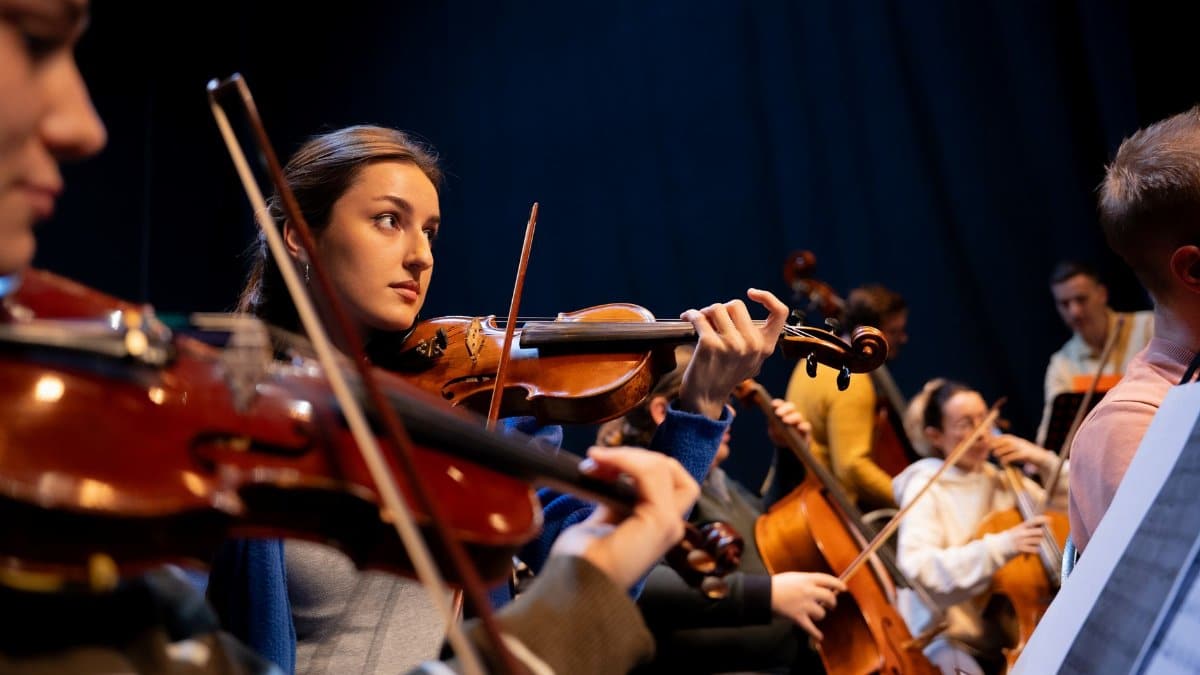
On a weeknight in downtown St. Paul, the house lights fell and a room full of people who had just come from offices, buses, and kitchen tables went quiet at the same moment. No one had asked them to. The first notes arrived without fanfare, clean and close, the kind of sound that makes a listener sit up rather than lean back. Conversation in the lobby afterward circled less around celebrity than around attention: how a small ensemble can make a large hall feel intimate, and how a new season can feel like a promise kept. The St. Paul Chamber Orchestra opened that season to strong reviews, and the early concerts have given Twin Cities audiences a clear reason to keep the dates.
A season that begins with listening

Chamber music rewards people who are willing to hear more than the melody. In a symphony orchestra the mass of sound can carry a listener along. In a chamber group every entrance is exposed. A violin line has nowhere to hide, and a wrong balance is obvious to anyone in the first twenty rows. That exposure is also the pleasure. When the playing is confident, the music feels spoken rather than announced.
Early coverage of the new season has praised exactly that quality: precision without chill, and warmth without blur. Reviewers have described performances that hold a phrase until it means something, then release it. For readers who do not follow classical music week to week, the point is simple. The orchestra is not coasting on reputation. It is making a case, concert by concert, that live acoustic music still has a public.
What the reviews have been saying

The Star Tribune framed the opening stretch as mesmerizing, a word critics do not spend lightly. The piece, published at startribune.com, treated the start of the year as more than a box office note. It treated the playing itself as the story. That distinction matters. A sold hall can reflect habit, marketing, or a famous guest. A mesmerizing performance reflects choices made in rehearsal: tempo, color, the decision to let a soft passage stay soft.
Strong reviews do not guarantee a strong year. They do set a standard the institution has to meet again in October, in January, and on the nights when the program is harder to sell. Audiences remember the nights when the room felt changed. Critics remember whether that change was earned.
Why this ensemble still holds a place
The St. Paul Chamber Orchestra has long occupied an unusual spot in American musical life. It is not a pickup band assembled for a festival weekend. It is a standing ensemble with a home audience, a subscription habit, and a repertoire that runs from the eighteenth century to music written last year. Chamber orchestras of this rank are rare. Most cities have a large symphony. Fewer have a group whose entire identity is clarity at a smaller scale.
That identity shapes the season. Programs can move from a familiar concerto to a new work without pretending the two pieces want the same kind of listening. A patron can hear Mozart and a living composer in one evening and leave with both in mind. The risk is real. New work can empty seats. Familiar work can feel safe to the point of dullness. The early evidence this fall is that the balance is being struck with care.
Programming that asks something of the room
A season is a sequence of bets. One concert leans on a beloved soloist. Another asks the core players to carry a piece that has no star attached to the poster. Another pairs a short modern score with a longer classical one so that neither feels like an obligation. The musicians know which nights will be easier to fill. The interesting question is whether the artistic plan still holds when the hall is not full.
Listeners who have been in the seats this fall describe programs that do not rush the unfamiliar. A new piece is given room to land. An old piece is not treated as wallpaper. That is a programming ethic as much as a performance ethic. It tells the audience that attention is the price of admission, and that the orchestra will meet that attention with preparation.
The people who fill the seats

Twin Cities concert halls draw a crowd that is older than the city as a whole, and also more mixed than the caricature suggests. There are subscribers who have held the same seats for decades. There are students using discount tickets. There are people who came because a friend insisted, and who stay because the sound surprised them. Spiritual language shows up in the lobby more often than marketers admit. People talk about being stilled, about a passage that felt like prayer even when the composer had no church in mind.
That response is not a marketing claim. It is what live music does when it is played without amplification and without hurry. A category labeled spiritual trends can sound distant from a string section. In practice the overlap is ordinary. People come looking for a pause that the rest of the week does not offer. A well played slow movement can supply it without a sermon.
Musicians who have to hear one another
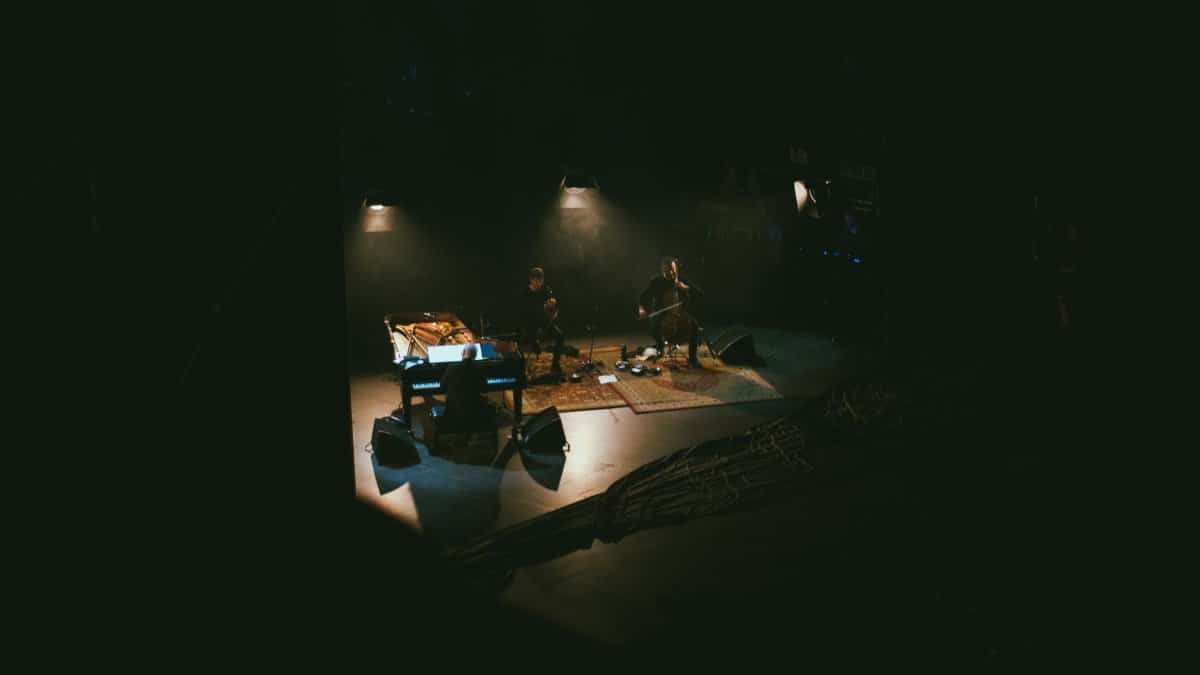
In a chamber orchestra the concertmaster is not a figurehead and the wind principals are not visitors. The group has to agree, in real time, on the shape of a phrase. That agreement is visible. A listener can watch a player breathe with a colleague and know that the next entrance will land together. When it does, the effect is not technical display. It is trust made audible.
Guest artists change the chemistry without replacing it. A pianist or a singer arrives with a reputation and leaves inside a sound that already has a house style. The best collaborations this season, judging by the early notices, have been the ones in which the guest did not play on top of the ensemble but inside it. That is harder than it looks, and it is the difference between a visit and a performance.
Money, membership, and the long habit

Artistic praise does not pay the rent. A chamber orchestra lives on tickets, donations, and the patience of people who believe the institution should exist next year as well as this week. Strong reviews help. They give board members a sentence to repeat. They give casual listeners a reason to try a second concert. They do not replace the unglamorous work of renewing subscriptions and explaining why a Tuesday night in February is worth leaving the house.
The organization publishes season details and ticket information at thespco.org. What those pages cannot show is the mood in the hall after a piece ends and before the applause starts. That half second is the real measure. If people are still inside the music, the season has a chance. If they are already reaching for coats, no review will save the next program.
What a good opening does not guarantee

It is tempting to treat a strong start as a verdict on the whole year. It is not. Tours, illnesses, a difficult new score, a snowstorm on a subscription night: any of these can flatten a month that began well. The honest reading of the early reviews is narrower and more useful. The orchestra has shown that its standard is intact. The musicians are listening to one another. The programming has a point of view. Audiences are responding in the only way that counts, which is by staying through the last note and talking about it afterward.
Critics will be less generous if later concerts coast. They should be. A mesmerizing opening is a debt. The rest of the season is how it gets paid.
Hearing it as more than a review
For a broad readership, the question is not whether one agrees with a particular critic. The question is whether a night of chamber music still belongs in a civic calendar crowded with screens, sports, and the ordinary exhaustion of middle age. The early answer from St. Paul is yes, on the evidence of rooms that go quiet without being told to, and of writing that treats the playing as news.
The St. Paul Chamber Orchestra will be judged again, as it should be, when the novelty of opening week has faded. Until then the record is plain enough. The season is off to a strong start. The music is asking for attention. A surprising number of people are giving it.