

On a September evening in Colorado, the air thins before the whistle and every sprint costs a little more. Seattle Reign arrive for a return meeting with Denver Summit FC, a fixture already marked by memory after the clubs shared a scoreless draw in April. For readers looking for a Reign Denver Summit preview, the appeal is simple and stubborn. Two sides who could not be separated once will try again on September 19, this time with the home crowd, the altitude, and a season of lessons pressing on the same ninety minutes. A rematch is never only a sequel. It is a test of whether the first meeting was a fluke, a warning, or a map.
Why this rematch carries more weight than the calendar suggests

League schedules are full of repeats. Most of them pass without ceremony. This one does not, because the first chapter refused to offer a verdict. A scoreless night can look forgettable from a distance. Up close it is often the opposite. It means both coaches saw enough danger to prioritize control, and both groups of players left convinced they had left something on the field.
September is also a different month from April. Legs are heavier. Tables have shape. Habits have hardened. A club that was still learning its opponent in spring now arrives with film, with regrets, and with a clearer sense of which duels actually matter. That is why a second meeting can feel larger than the points alone. It asks whether a team has grown, or whether it has only memorized the last result.
What the April stalemate still explains

The draw in April did not crown a favorite. It described a contest in which neither attack could turn pressure into a finish. That kind of night usually comes from a few familiar causes. Compact lines. Careful rest defense. Goalkeepers who read the early service. Forwards who receive the ball with their back to goal and too little time to turn.
None of that has to repeat. Yet the memory will travel with both squads. Seattle will remember the stretches when Denver delayed the final pass just long enough. Denver will remember the moments when Seattle looked capable of stealing the game from a set piece or a quick regain. In a Reign Denver Summit preview, the useful question is not who deserved the April result. It is which details each side can change without abandoning the structure that kept the other quiet.
Altitude as a quiet opponent

Denver does not need to announce its advantage. Visitors feel it in the first hard run, then again when the ball goes wide and the recovery sprint arrives sooner than the lungs expect. Altitude is not a tactic. It is a condition. It rewards teams that keep the ball in useful areas and punishes teams that chase for long spells without rest.
For Seattle, the practical answer is tempo. Press in bursts rather than in a constant wave. Choose moments to force Denver backward, then settle. Wide players will have to be honest about when a recovery run is worth the cost. Central midfielders will have to receive on the half turn so the next pass does not require another chase. None of this is glamorous. It is how road teams survive thin air without handing the game away in the final twenty minutes.
How Seattle may try to change the script

A visiting side that drew away, or drew at home, in the first meeting does not need a revolution. It needs a cleaner version of the same idea. Seattle can look to arrive in the final third with more numbers, not merely more urgency. That means fullbacks choosing their overlaps with care, and a forward line willing to occupy the back line so a midfielder can arrive late.
The other adjustment is emotional. Scoreless games breed impatience. Impatience breeds the early cross, the speculative shot, the pass played before the picture is ready. If Seattle can treat the first half as information rather than as a debt that must be paid immediately, the second half becomes more dangerous. Road goals in September often come from patience that looks, for a while, like caution.
Denver and the advantage of a familiar fortress
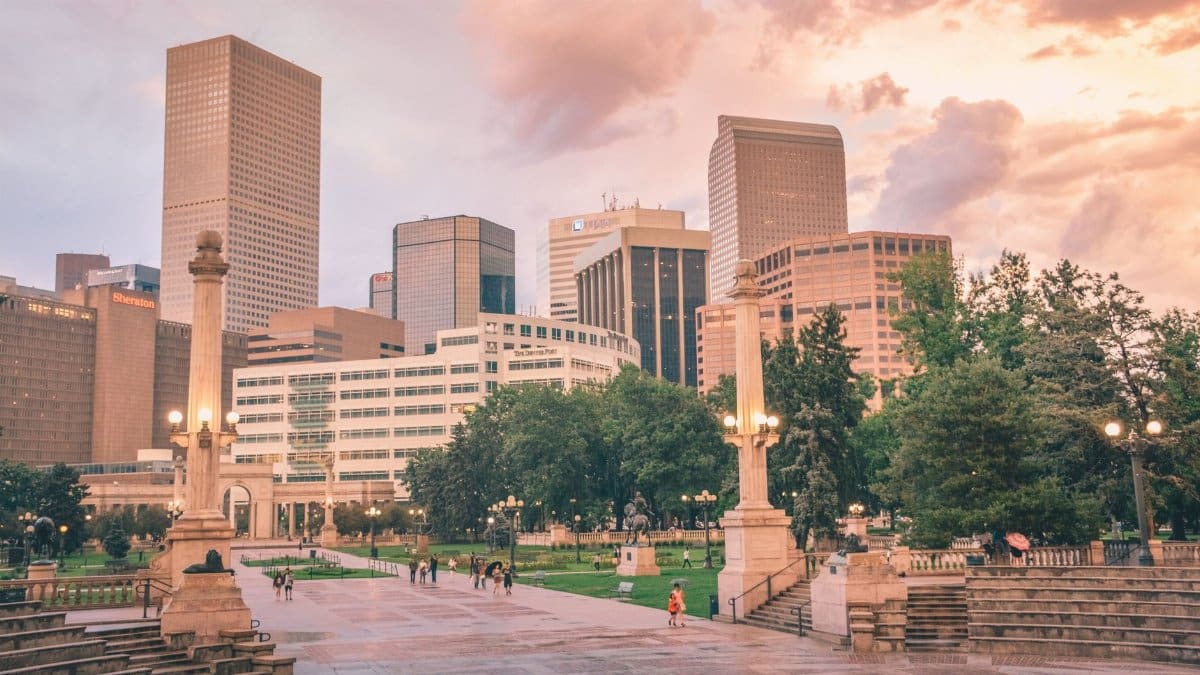
Home sides do not automatically play better. They do get to choose the mood. Denver can set a tempo that suits the altitude, invite Seattle to cover ground, and trust that the crowd will turn a routine clearance into a small surge. The April draw gives the hosts a useful confidence. They already know they can keep Seattle from scoring. The task now is to add the final action without opening the spaces that made the first game so even.
That balance is harder than it sounds. Chasing a winner at home can pull a back line higher than the midfield can protect. If Denver commits numbers forward too early, Seattle will have the transition it lacked, or failed to finish, in April. The smart home performance is not a siege. It is a series of controlled pushes, each one followed by a reset.
The midfield battle that decides tempo
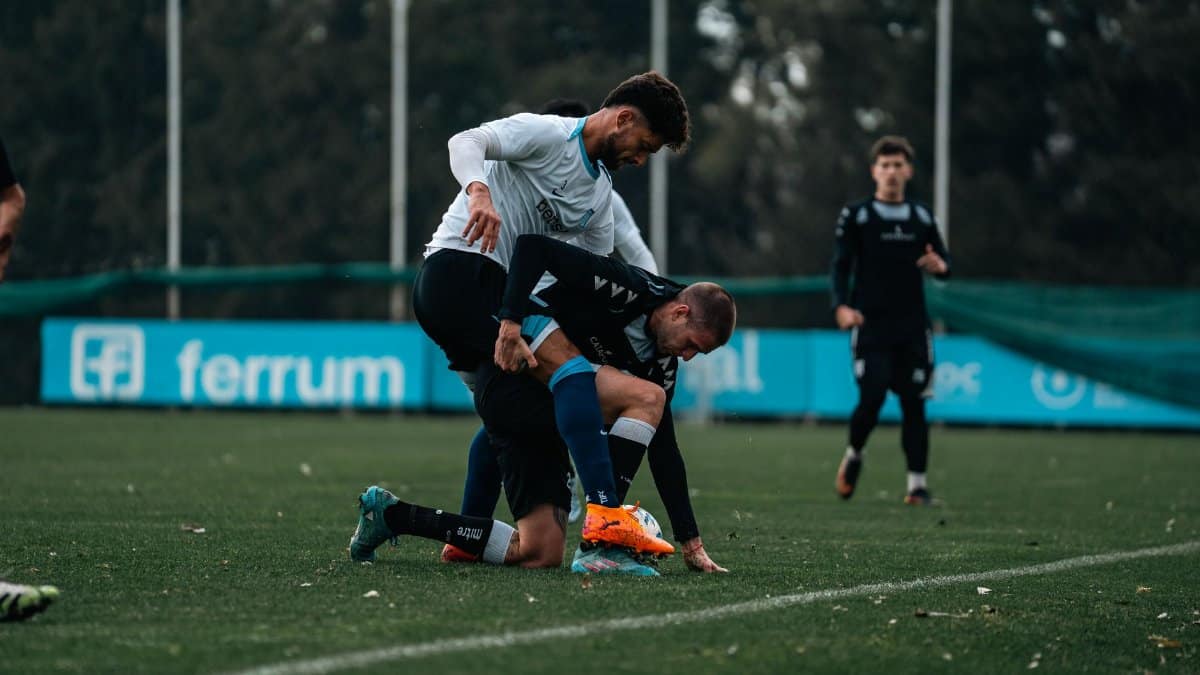
Rematches are often won between the boxes. If one midfield can receive under pressure and play forward on the first or second touch, the opponent spends the night facing its own goal. If both midfields are hurried, the game becomes a sequence of second balls and tired clearances.
Watch who steps to the ball and who stays. A single aggressive step can win the ball and also vacate the lane behind it. In April, the lack of goals suggested that those steps were measured. On September 19, one coach may decide that measured is no longer enough. The risk is real. The reward is the first clean look that neither team found last time.
Set pieces and the small margins

When open play is tight, dead balls write the story. Corners, free kicks from wide areas, and long throws become the chance to bypass a compact block. They also become the chance to concede. A team that sends too many bodies into the box can be caught by the second ball played into space.
Neither club needs a spectacular routine to decide this. A near post run, a blocker on the goalkeeper, a delivery that skips rather than floats, can be enough. Fans who remember only the final score of the April meeting may have missed how close those moments already were. This Reign Denver Summit preview is, in part, a reminder to watch the restarts. They are where stalemates usually break.
Travel, recovery, and the rhythm of a road week

A Friday or weekend kickoff is a public event. The days before it are private labor. Flight timing, sleep, meals, and the length of the training session all shape how sharp a visitor looks in minute one. Seattle cannot remove the altitude. It can arrive with enough rest that the first press still has bite.
Denver has its own recovery question. A home week is not automatically an easy week. Training quality, squad rotation, and the emotional cost of recent results all travel into the stadium. The club that manages the ordinary hours better often looks, on television, like the club with more talent. Sometimes it is simply the club that walked onto the field less tired.
What fans should watch in the opening half hour

The first thirty minutes will tell you which team trusts its plan. If Seattle keeps a spare player near the ball and refuses to cross early, the visitors are playing the long game. If Denver circulates with patience and waits for Seattle to step, the hosts are trying to make altitude do part of the defending.
Also watch the goalkeepers. A scoreless rematch puts them at the center even when they are quiet. Claiming crosses, starting the next attack with the feet, and refusing the rushed distribution that gifts a counter, all matter as much as a save. The opening half hour rarely settles the result. It does settle the terms.
Stakes for the table and for belief
Points are the public stake. Belief is the private one. A win for Seattle on the road would say the April draw was a platform, not a ceiling. A win for Denver would say the home ground can turn a stubborn opponent into a beaten one. Another draw would not be empty. It would say both teams remain difficult to separate, and that the rivalry, if it is becoming one, will need a third chapter.
Supporters care about all three outcomes for different reasons. Players care because September results linger into October decisions about minutes, roles, and nerve. Coaches care because a rematch is one of the few games in which the scouting report has already been tested in public.
A night that belongs to the crowd as much as the clubs
Sport is a civic ritual even when nobody uses that language. People leave work, ride trains, stand in lines, and lend their voices to a result they cannot control. In Denver that gathering has a particular charge. A newer club is still teaching a city its songs. A visiting club brings its own pocket of travelers, scarves, and memory. For an evening the stadium becomes a shared room.
That does not decide the tactics. It does change the feel of a missed chance and the volume around a save. Players notice. So do referees, in the small human way that noise makes every decision feel larger. Anyone reading a Reign Denver Summit preview for pure football detail should still leave room for the crowd. It is part of the conditions, like wind or a wet surface.
The picture that should linger after the whistle

The useful preview is not a prediction dressed up as certainty. It is a frame. Seattle and Denver have already shown they can cancel each other. On September 19 they get to show whether either can add the goal that April withheld. Altitude, midfield courage, and the quality of set pieces are the likeliest authors.
Whatever the score, the night will say something durable about both clubs. Can the visitor stay calm when the air and the noise ask for haste? Can the host attack without abandoning the compactness that earned the first draw? Those are fair questions for a Reign Denver Summit preview, and they are fair questions for anyone who stays through the last minute. Rematches rarely repeat themselves exactly. The best ones explain, at last, what the first meeting was trying to say.