
On a Tuesday night outside Crypto.com Arena, a father refreshed his phone while his son counted the minutes until tipoff. The cheapest seat he could find for a midweek game cost more than a playoff ticket once did, and the official box office had almost nothing left. That small family math is now a franchise question. Lakers ticket prices Kushner Iger has become the phrase fans use when they ask whether new stewards will close the broker gap or simply raise the posted price until the gap disappears. Reports in Los Angeles describe an ownership circle ready to copy the Dodgers and move the average ticket from about $217 toward $361.
A familiar argument in a new owners box

Every sports sale eventually reaches the same dinner table argument. One side says the team has been underpriced for years and that brokers, not families, have collected the difference. The other side says a higher face price is a tax on loyalty dressed up as modernization. The Lakers sit in the middle of that argument because the brand travels farther than the building. People who never attend still treat the franchise as a civic heirloom. People who do attend already feel the squeeze of parking, food, and a resale listing that jumped after a single injury report.
The names attached to the latest plan matter because they signal more than a balance sheet. Jared Kushner brings a reputation for deals that treat attention as an asset. Bob Iger brings a career spent deciding what a ticket to a story should cost, from theme parks to streaming bundles. Neither man invented dynamic pricing. Together they give the strategy a public face that fans can praise or blame.
What cutting out brokers actually means

Cutting out brokers is a cleaner slogan than it is a policy. In practice it usually means fewer transferable tickets, tighter rules on season accounts, identity checks at the gate, and an official resale window that captures fees the team used to leave on the table. Teams describe this as fan protection. Brokers describe it as a monopoly on the aftermarket. Both descriptions can be true at once.
The Dodgers offer the comparison that ownership allies prefer. After Guggenheim settled in, Los Angeles baseball moved toward prices that tracked demand more closely and made it harder for outside sellers to sit on large blocks. Attendance stayed strong because the product on the field gave people a reason to accept the new math. Basketball is less forgiving. An eighty two game season asks for a different kind of devotion than a summer of weekend dates. A model that works beside a pitching duel may feel harsher beside a Tuesday in November.
The number fans keep repeating

The figure moving through talk radio and group chats is simple enough to sticker on a locker. If the average Lakers seat climbs from roughly $217 to roughly $361, the increase is not a rounding error. It is a new monthly bill for a family that tries to attend four or five times a year. It is also, ownership advocates say, still below what many of those same seats already fetch once a broker posts them on a resale site an hour after the schedule drops.
That second claim is the whole case. If a seat sells for $400 on a secondary app, the team argues, the fan was already paying $400. The only change is who receives the premium. Season ticket holders who quietly resold a third of their plan will hate that change. Casual fans who have been outbid by software may welcome it, at least until the official price lands in the same place the broker price used to live.
Lakers ticket prices Kushner Iger and the loyalty test
Lakers ticket prices Kushner Iger is not only a market story. It is a loyalty test staged in public. The Lakers have spent decades selling the idea that the building is a congregation, not a showroom. Purple and gold function like vestments. The national anthem, the player introductions, the timeout chants: these are rites that people learn young and repeat without thinking. Raise the price of admission too far and the rite starts to look like a private club with better lighting.
Spiritual language can sound soft next to a spreadsheet, yet it explains why this franchise draws a kind of anger that a pure luxury brand does not. A handbag does not ask you to believe it represents your city. A basketball team does. When the door price moves, people hear a verdict on who belongs in the city story. That is why a technical change in transfer rules can feel, to longtime holders, like a broken promise.
Who gains if the secondary market shrinks
The winners are easy to name in theory. The team gains revenue it can point to when it talks about player payroll, arena upgrades, and the cost of staying relevant in a league where stars choose destinations. Casual buyers may gain a cleaner path to a real seat instead of a listing that vanishes at checkout. The front office gains data on who actually walks through the turnstile, which matters for sponsors who no longer trust a scanned ticket as proof of a human fan.
The losers are equally easy to name, and they are not all villains with ten accounts and a bot. Some are nurses who bought a partial plan because weekend games were the only ones they could attend, then sold January dates to cover the cost. Some are parents who treated a pair of season seats as a small business that funded the rest of the household calendar. Shrink that safety valve and those households do not become courtside patrons. They become people who watch from the couch and tell their children the building is for someone else.
Iger, Kushner, and the lesson of priced wonder

Iger’s career is a study in priced wonder. Disney learned how to make a day at the park feel scarce, then sold line skipping, special nights, and higher tiers without ever quite admitting that the old single ticket was gone. Fans of that model call it choice. Critics call it a cover charge stacked on a cover charge. Applied to the Lakers, the same instinct would sort the arena into clearer castes: verified members, premium experiences, and a shrinking middle where a schoolteacher might once have sat.
Kushner’s public record invites a different reading, less about enchantment and more about control of a valuable platform. Seats, in that reading, are inventory. Inventory should not leak. A leak is a broker with a better login. Close the leak and the platform owner sets the clearing price. There is nothing mysterious about the economics. The mystery is whether a basketball crowd still feels like a crowd when every seat has been optimized.
What the Dodgers comparison leaves out
Baseball gave the Dodgers a long season, a broad seating bowl, and a sport in which a cheap seat can still feel close to the action if the night is right. The Lakers play in a building where the difference between row ten and row thirty is a different sport. Sightlines, celebrity rows, and national television already divide the room. Push the average toward $361 and the division hardens. The upper levels do not become the new middle. They become the place where demand goes to die on nights the opponent is dull.
There is also the matter of competitive luck. The Dodgers could raise prices while contending. A Lakers team in a rebuild, or even in a merely ordinary year, cannot ask fans to subsidize a theory of market efficiency. Dynamic pricing is honest when it falls as well as rises. Fans will watch the quiet nights. If those nights stay expensive because the brand is the Lakers, the honesty was only a brochure.
Season tickets after the broker door closes
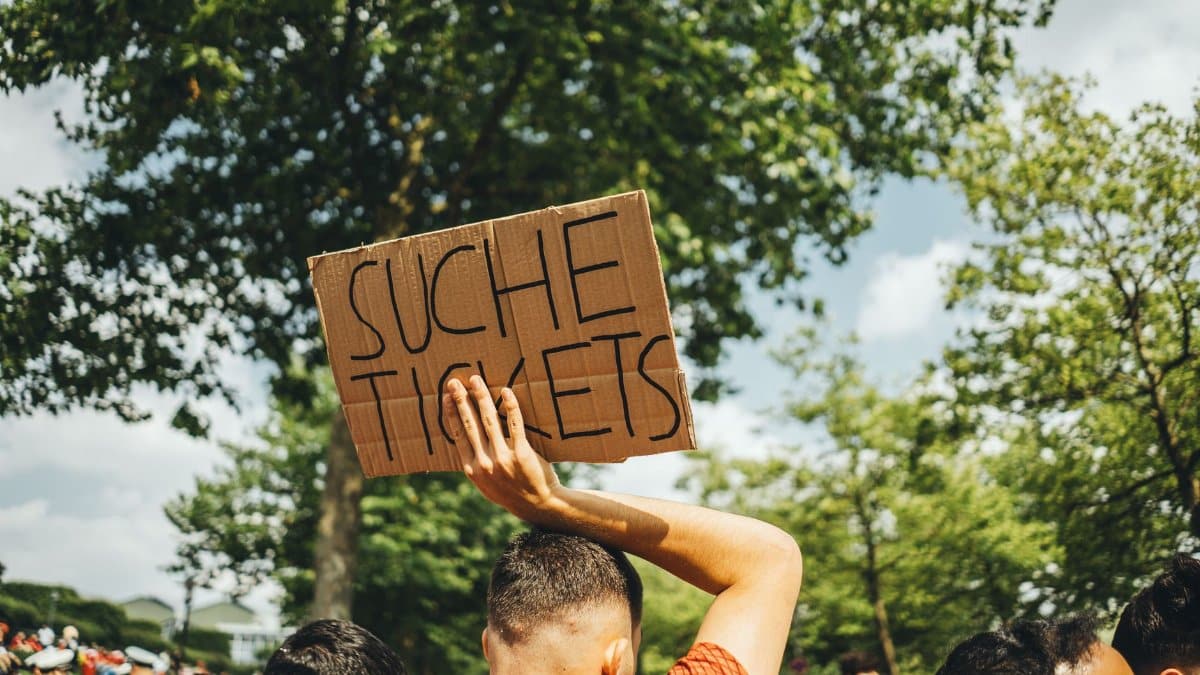
Season plans are where this policy will be won or lost. Holders want flexibility, a fair face price, and the right to give a seat to a friend without filing a form. The team wants those seats occupied by people who care, not by listings. A workable truce exists. Limited transfers to named guests. A team run exchange that pays holders a transparent share when they cannot attend. Penalties for commercial harvesting that do not treat a birthday gift as fraud.
Without that truce, the phrase Lakers ticket prices Kushner Iger will harden into a grievance. People remember the year their account was reclassified. They remember who was in the owners box when the email arrived. They do not remember the consultant’s slide about yield.
The city outside the turnstile
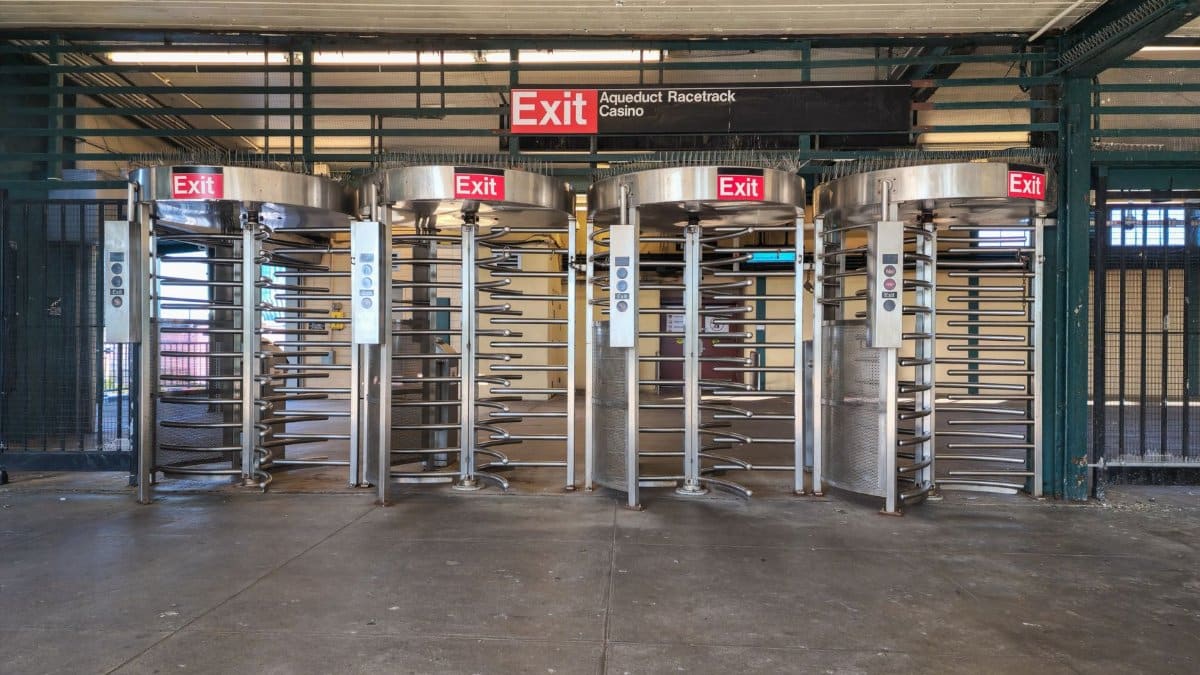
Los Angeles is not one income. It is a stack of incomes sharing a freeway. A franchise that wants to remain a common language has to leave a door that a bus driver can still open a few times a season. That does not require charity pricing for courtside. It requires a real block of seats whose official price is not a decoy, whose fees are visible, and whose availability is not a two minute window at 10 a.m. on a weekday.
Other clubs have tried community nights, student sections, and last minute releases when demand softens. Those programs work only if they are large enough to matter and stable enough to trust. A dozen seats for a photo opportunity will not answer a city that just watched the average climb by more than a hundred dollars. Fans can accept ambition. They struggle to accept a lecture about access from a price sheet that contradicts it.
How to read the next schedule release

The first schedule release under a broker crackdown will tell the truth faster than any press statement. Watch the gap between the official price and the price on resale apps after twenty four hours. Watch whether bad opponent nights actually get cheaper. Watch whether season holders can still move a seat to a relative without a penalty that feels like a fine. Watch who is sitting in the building in January, not only who is sitting there for a Christmas game against a rival.
If the gap collapses and the building still looks like Los Angeles, the owners will have earned the right to say they took money from middlemen and gave fans a cleaner market. If the gap collapses because the official price swallowed the broker price whole, then Lakers ticket prices Kushner Iger will read less like a strategy and more like a toll. The game will go on. The congregation will be smaller, quieter, and more carefully sorted, which is a kind of success only if success was never about the noise in the cheap seats.
A price is also a story

Teams like to say that price is just price. In a city that narrates itself through this franchise, price is also plot. Iger understands plot. Kushner understands leverage. The fans understand the receipt. Somewhere between those three kinds of knowledge sits a number that can rise without breaking the ritual, and a number that turns the ritual into a product demo.
Nobody outside the owners circle can yet say which number they have chosen. The reported path, from the low two hundreds toward the mid three hundreds, is steep enough to demand an explanation better than efficiency. The explanation worth hearing is concrete: who keeps a seat, who loses a transfer, who pays less on a cold night, and who is no longer invited to treat the Lakers as a public faith with a private gate. Until that explanation arrives, Lakers ticket prices Kushner Iger will keep circulating, not as a slogan the owners picked, but as the question the city is already asking at the curb.