
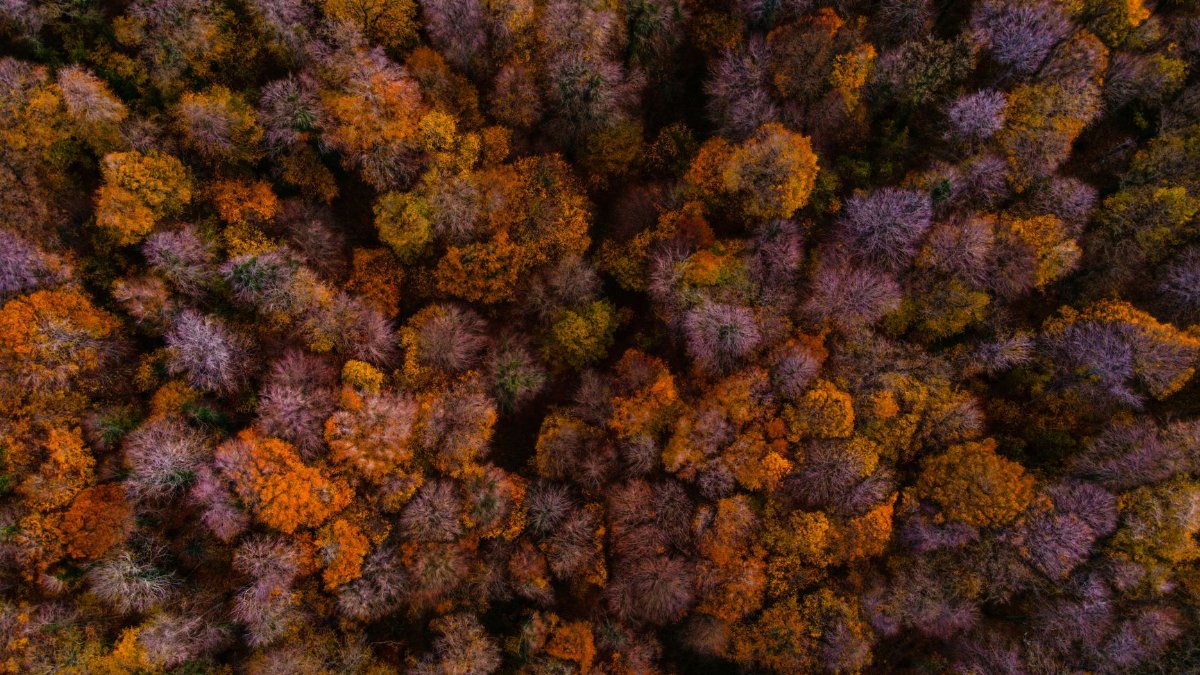
The first cool morning after Labor Day does not publish a color calendar, but it does change how people look at the same block. A maple that spent August as a flat green wall shows a faint rust at the tips, and neighbors begin the annual wager about when the city will flare. Philly fall foliage 2026 is already being talked about in that half hopeful way, as if the season were a guest who might arrive early, late, or not at all. The early read from people who watch leaves for a living is cautiously bright. Color from New England down through the Carolinas could run strong if September stays mild and reasonably moist, and around Philadelphia the richest days may cluster near Halloween rather than the middle of the month. That is a forecast, not a promise. Leaves do not take orders from press releases.
A strong outlook still depends on a cooperative month

Forecasters who track autumn color tend to speak in conditions, not dates. Warm days, cool nights, decent soil moisture, and a lack of violent wind make a good recipe. Too much heat into October can stall the change. A sudden hard freeze can brown a canopy before it ever turns scarlet. A soaking storm can strip branches that were only beginning to blush. September is the month that either sets that recipe or ruins it. If nights cool without a drought deepening, and if rain arrives as steady showers rather than a single destructive blast, the region has a real chance at a vivid year. The phrase people keep using is simple: the outlook looks strong if September stays cooperative. Cooperation, in this case, means weather that is interesting without being cruel.
Why the Philadelphia region often peaks late
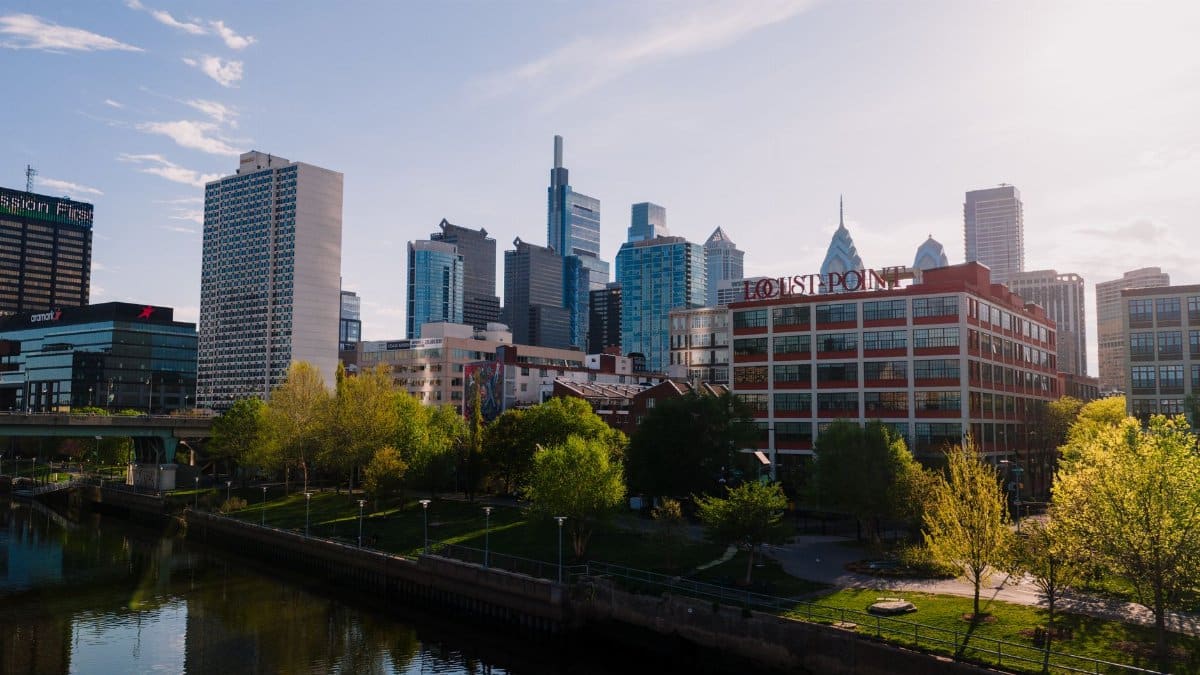
Philadelphia sits in a hinge between northern hardwoods and a milder coastal climate. Sugar maples, red maples, oaks, hickories, sweetgums, and tulip trees do not turn on the same clock. Maples often lead. Oaks linger, sometimes holding bronze and wine tones into November. That mix is why a single weekend rarely captures the whole show. In many recent autumns, the most photogenic stretch in the city and its near suburbs has arrived in the last ten days of October, close to Halloween, with remnants hanging on for early November if winds stay kind. Elevation matters too. The ridges northwest of the city, and the higher ground toward the Poconos, usually run ahead of riverfront neighborhoods by several days. A person who only looks at one park on one Saturday can easily miss the season and conclude it failed.
What Philly fall foliage 2026 is really measuring
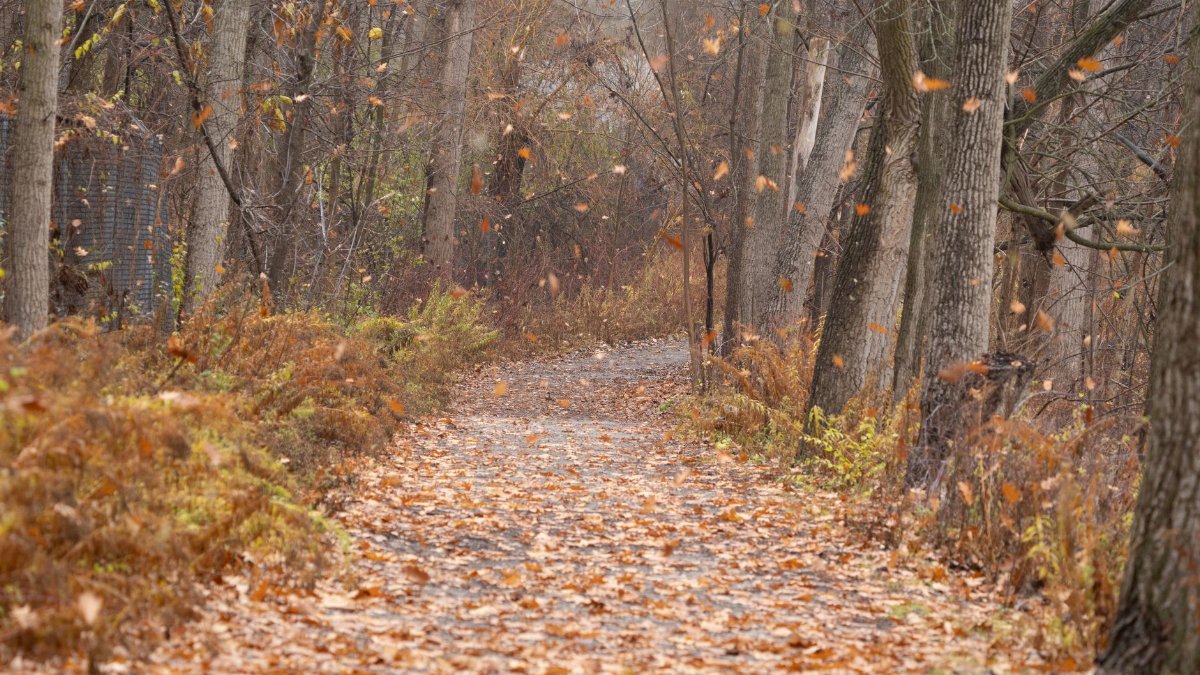
Philly fall foliage 2026 is not a single event. It is a rolling conversation among weather, tree health, and the habits of people who still go outside on purpose. Tree canopy in the city is uneven. Some blocks lost mature trees to storms, construction, or disease and now rely on younger plantings that do not yet fill a sky. Other corridors, especially along older park edges, still hold the kind of crowns that can turn a gray afternoon into something ceremonial. When residents ask whether this year will be good, they are often asking whether their particular walk will reward them. A regional forecast can be excellent while a storm damaged block stays dull. The honest answer is local as well as meteorological.
The quiet chemistry behind the color

There is no need to turn a walk into a laboratory, but the basic mechanism is worth knowing because it explains why forecasts stay humble. Green comes from chlorophyll, which trees produce while days are long and temperatures support growth. As daylight shortens, chlorophyll production slows and the green mask thins. Yellow and orange pigments, already present, become visible. Reds and purples often depend on sugars trapped in leaves when nights are cool and days are bright. That is why a run of crisp, sunny weather can intensify scarlet in maples and dogwoods, while a warm, cloudy, sodden spell can leave the same species merely yellow or brown. Drought complicates the picture. A tree under severe water stress may drop leaves early, skipping the display entirely. Moderate dryness, by contrast, sometimes sharpens color. The difference is a matter of degree, and degree is exactly what September decides.
Parks and river edges that repay patience
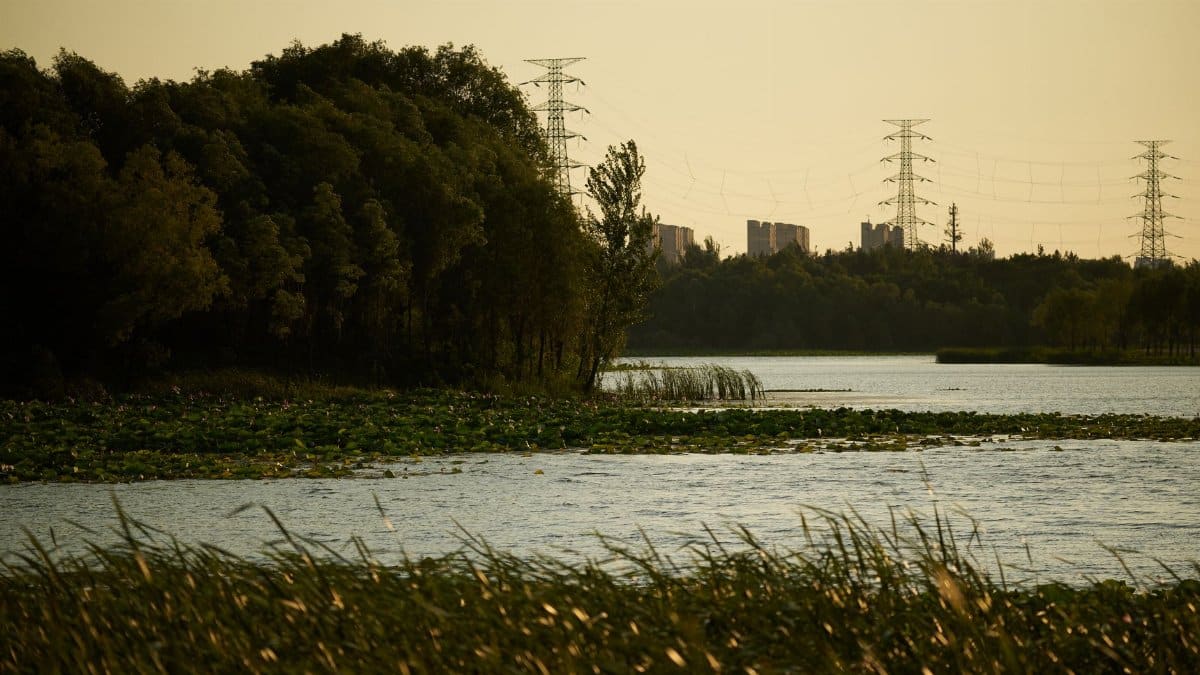
In the city, Fairmount Park and the Wissahickon valley remain the classic stages, not because they are secret, but because their mix of species and terrain stretches the season. The gorge can feel a week ahead of Center City on a cool morning and then hold color in protected coves after open ridges have gone bare. Along the Schuylkill, the banks offer long sightlines where a single red maple reads against water. Pennypack in the northeast and Cobbs Creek in the west give neighborhoods their own versions of the same drama, often with fewer crowds. John Heinz National Wildlife Refuge at Tinicum adds a different palette: marsh grasses, shrubs, and reflected sky, a reminder that foliage is not only a tree story. South of the city, arboretums and older estates extend the tour for anyone willing to drive, but the essential experience does not require a reservation or a scenic overlook. It requires returning to the same path more than once.
Halloween as a marker, not a guarantee

The idea that peak color could land around Halloween is useful because it gives families a shared marker. It is also easy to misuse. Peak is not a day when every leaf agrees. It is a rough window when the greatest number of species look their best at once. In Philadelphia that window has often opened in late October and closed unevenly. A warm spell can push reds later. An early nor’easter can end the show on a Tuesday night while weekend plans still assume Saturday splendor. People who treat Halloween as a deadline rather than a neighborhood in time tend to be disappointed. People who treat the last two weeks of October and the first week of November as a season of looking tend to find something, even in a mediocre year. For Philly fall foliage 2026, that wider frame is the practical one.
Weather risks that can still rewrite the month
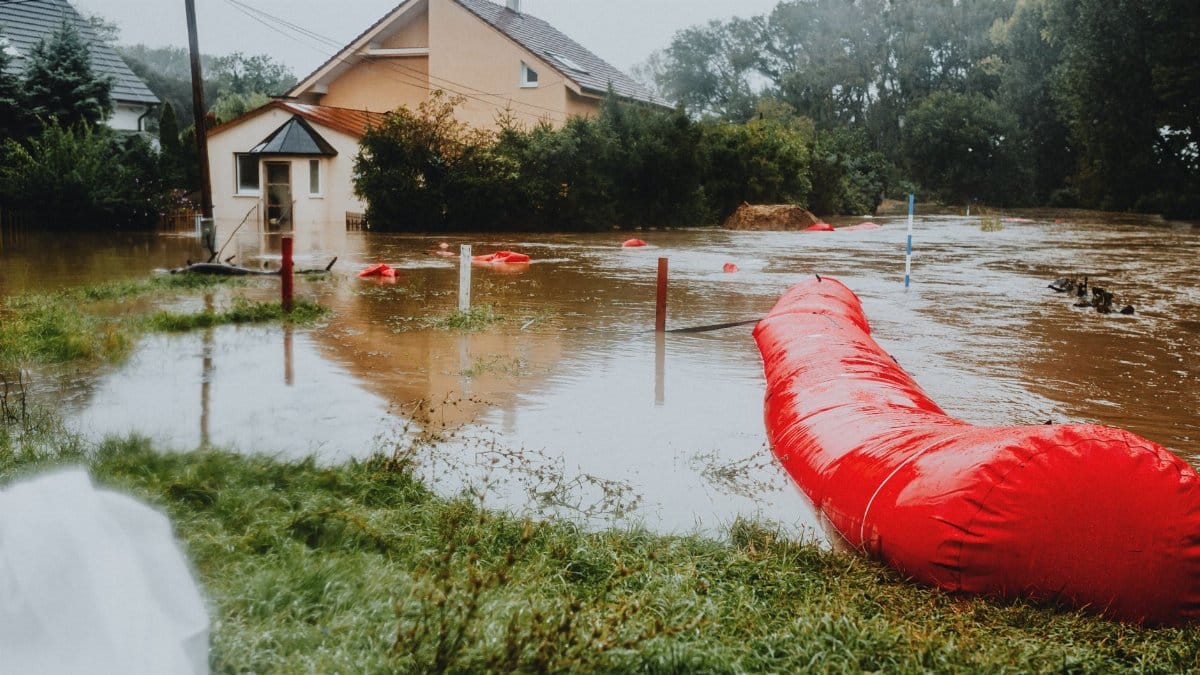
Several ordinary hazards can flatten a promising forecast. Prolonged warmth keeps chlorophyll in place and delays the turn until shorter days force a rushed, less brilliant exit. An early freeze damages leaf tissue and produces the dull brown that photographers learn to hate. Heavy wind and saturated soil topple limbs and strip canopies before pigments fully show. Prolonged drought, especially if it follows a dry late summer, can trigger early leaf drop in birches, ashes, and stressed street trees. Disease and insects matter at the margins. Spotted lanternfly feeding has worried residents in recent years, though its effect on autumn color is not the same as its effect on vines and stressed trees. None of these risks is exotic. They are the normal ways a season fails. A cooperative September reduces several of them at once by cooling nights gradually and keeping roots from going into winter already desperate.
How to watch without turning it into a chase

The most reliable method is almost old fashioned, and it does not require an app. Pick two or three routes you can reach on a weekday morning. Note which trees lead and which lag. Go again after the next clear cold night. Morning light after a dry night does more for color than any filter. Overcast days soften reds but reveal texture in oaks and beeches that harsh sun flattens. If you have children, the ritual can be as small as a weekly walk to the same corner maple. If you live far from a large park, a single well placed street tree can still teach the sequence: green, flecked, half turned, blazing, bare. The point is repetition. A forecast describes a region. Attention describes a block.
A season that doubles as a practice of attention
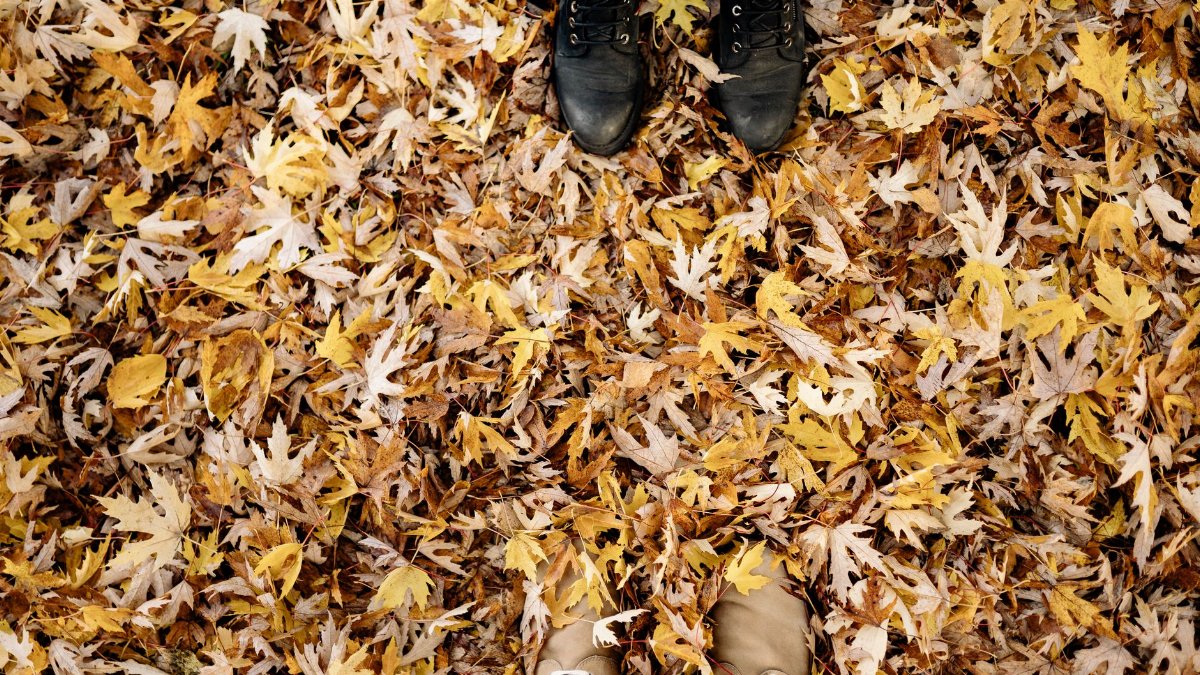
Fall color sits in an odd place in American life. It is marketed as a destination and experienced, for most people, as a sidewalk. That second version may be the more durable one. In a city, the turning year asks for a kind of notice that resembles prayer only in its regularity: you show up, you look, you do not control the result. Congregations, running clubs, birders, and people who simply need to leave the house all use October as an excuse to be outdoors together. The spiritual content, if that word fits, is not mystical so much as corrective. A canopy does not care about your calendar. It responds to light, cold, water, and the health of wood. Watching it closely is a way of remembering that beauty is conditional and still worth the walk. Philly fall foliage 2026 will be judged in photographs, but it will be felt on ordinary routes between school, work, and home.
What travelers and locals should plan differently

Visitors often want a single perfect Saturday. Locals can afford a looser plan, and they should. If you are coming from out of town for a long weekend near the end of October, build in alternatives: a ridge walk if the city is still green, a river path if the hills have already peaked, an indoor hour if rain arrives. Do not assume New England timing applies here. Areas farther north commonly peak earlier. The Philadelphia region, lower and milder, often trails them. If you live here, the better strategy is serial. Check the Wissahickon one week, a neighborhood oak alley the next, a marsh edge after that. Pack for temperature swings. Mornings can feel like November while afternoons still feel like September. Leaves are slippery when wet, and park roads fill quickly on the first brilliant Sunday. Going on a Wednesday answers more questions than fighting for a parking spot on the day everyone else discovered the same forecast.
Street trees, equity, and who gets the show
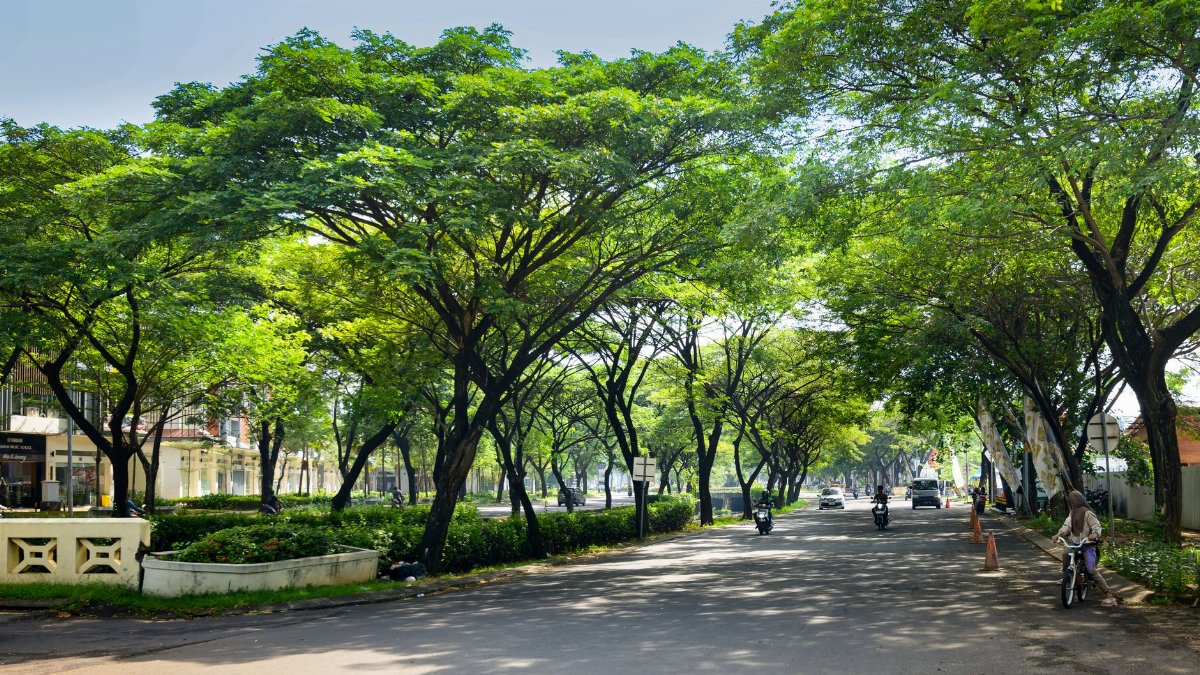
Any honest account of autumn in Philadelphia has to mention canopy inequality. Some neighborhoods enjoy old shade and a genuine color season. Others have thin cover, young trees, or long stretches of pavement where the only red is a traffic light. A strong regional foliage year does not distribute itself fairly. Planting programs, maintenance, and protection of existing large trees will shape what Philly fall foliage 2026 looks like on particular blocks more than any long range map. Residents can still find color by traveling a short distance, but the deeper civic question is whether every child grows up with a tree that changes outside the window. That is not a sentimental aside. It is how a weather story becomes a city story. The leaves we celebrate are the leaves we managed not to lose.
How to read the next few weeks

Between now and Halloween, the useful signals are plain. Watch nighttime temperatures. A string of nights in the 40s, paired with sunny days and no destructive wind, is the classic setup for intense reds. Watch rainfall. Soil that is moist but not flooded supports a longer display. Watch individual species rather than the word peak. If maples in your neighborhood are still fully green in mid October, the show may simply be late, not cancelled. If they are already brown on the ground, that corner has had its turn. Regional commentary can guide a drive. It cannot replace the tree you can see from the kitchen. Keep the forecast in one hand and your own notes in the other.
A bright possibility, held lightly

The best version of this autumn is easy to picture: cooperative September weather, a gradual cooling, maples lighting the park edges near Halloween, oaks carrying the color into November, and enough dry mornings for people to notice. That picture is plausible. It is not owed. Storms, heat, and drought still have votes, and they vote late. What residents can do is modest and sufficient. They can learn the trees on their routes, give the season more than one Saturday, and treat a strong outlook as an invitation rather than a contract. If September cooperates, Philly fall foliage 2026 could be one of those years people mention later without exaggerating. If it does not, the walks will still have been the right use of the month. Color is the bonus. Attention is the practice that remains when the branches go bare.