

In the heart of Washington a recent statement from the highest office has sent ripples through financial circles. President Trump indicated a willingness to use trade policy as leverage against the Federal Reserve. The move highlights what many call the Trump Fed trade threat and raises questions about independence of institutions that guide the economy. Analysts suggest such an approach could alter long standing norms in how leaders interact with central bankers. The implications extend beyond immediate rate decisions to the broader stability of markets and international relations. This approach may reflect deeper frustrations with current economic conditions and the pace of growth. Readers might recall past episodes where similar tensions surfaced yet rarely with such direct language. The current climate appears different as political and economic spheres overlap in new ways. Observers watch closely to see how trading partners will respond if the idea advances further.
Roots of Tension Between Leadership and Central Banking

Over decades presidents have voiced views on monetary matters yet direct threats tied to trade remain uncommon. Recent comments stand out for linking two distinct policy areas in a single demand. The Federal Reserve operates with a mandate focused on employment and price stability. Any outside effort to influence its choices through external levers invites scrutiny from experts who value separation of powers.
Global Trade Balances and Domestic Rate Decisions
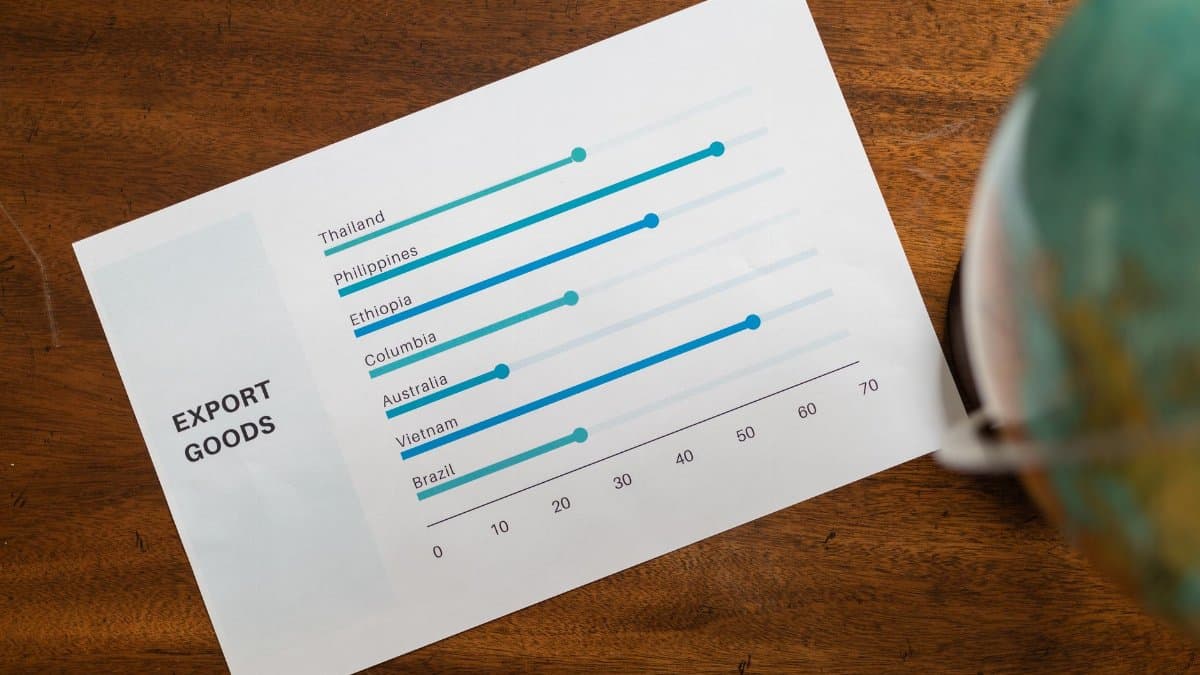
Countries with persistent deficits often face pressure to adjust their economic strategies. Linking those imbalances to interest rate levels introduces a novel bargaining tool. Economists debate whether such connections hold in practice or serve mainly as rhetorical pressure points during negotiations.
Market Reactions to Unexpected Policy Signals
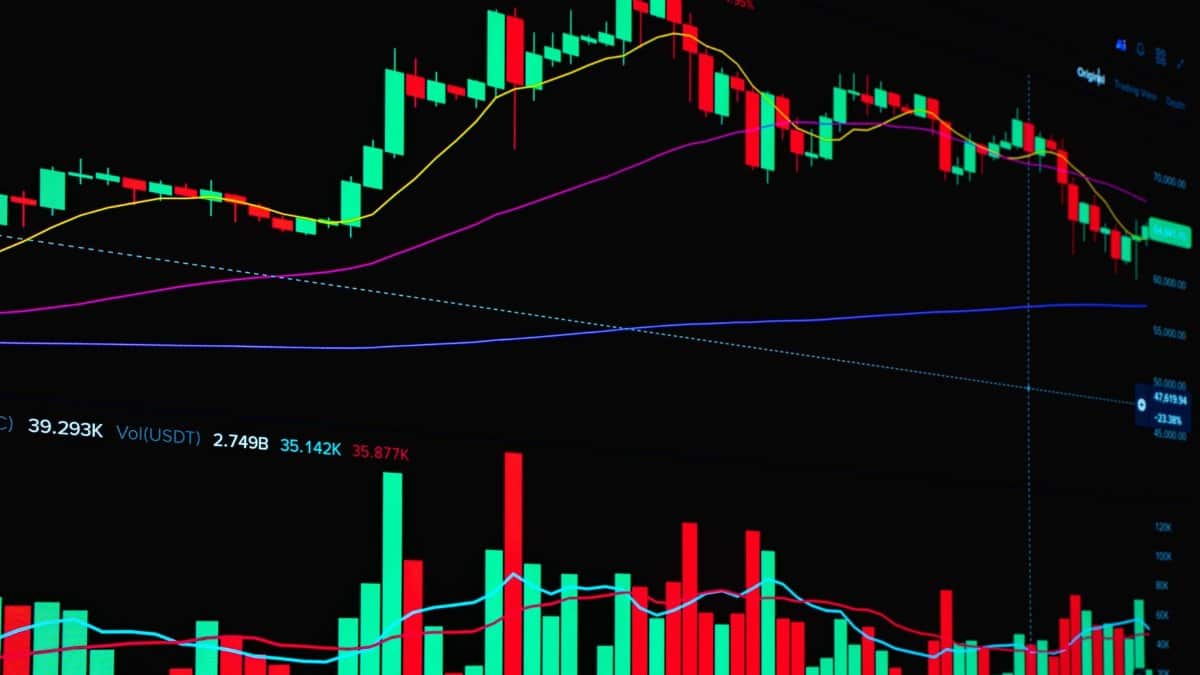
Investors tend to favor predictable signals from both the White House and the Federal Reserve. Sudden shifts in tone can prompt quick adjustments in bond yields and currency values. Data from recent trading sessions showed modest movements after the remarks though longer term effects remain uncertain.
Views from Former Officials on Institutional Independence

Individuals who once held senior roles at the central bank emphasize the value of insulation from short term political demands. They argue that credibility rests on consistent focus on data rather than external ultimatums. Past examples illustrate how perceived interference can affect inflation expectations over time.
Potential Effects on International Alliances

Trade relationships involve multiple nations each with its own set of priorities. Introducing rate policy as a condition for continued commerce could strain existing agreements. Diplomats would need to navigate new complexities if the Trump Fed trade threat evolves into formal proposals.
Historical Precedents for Executive Influence
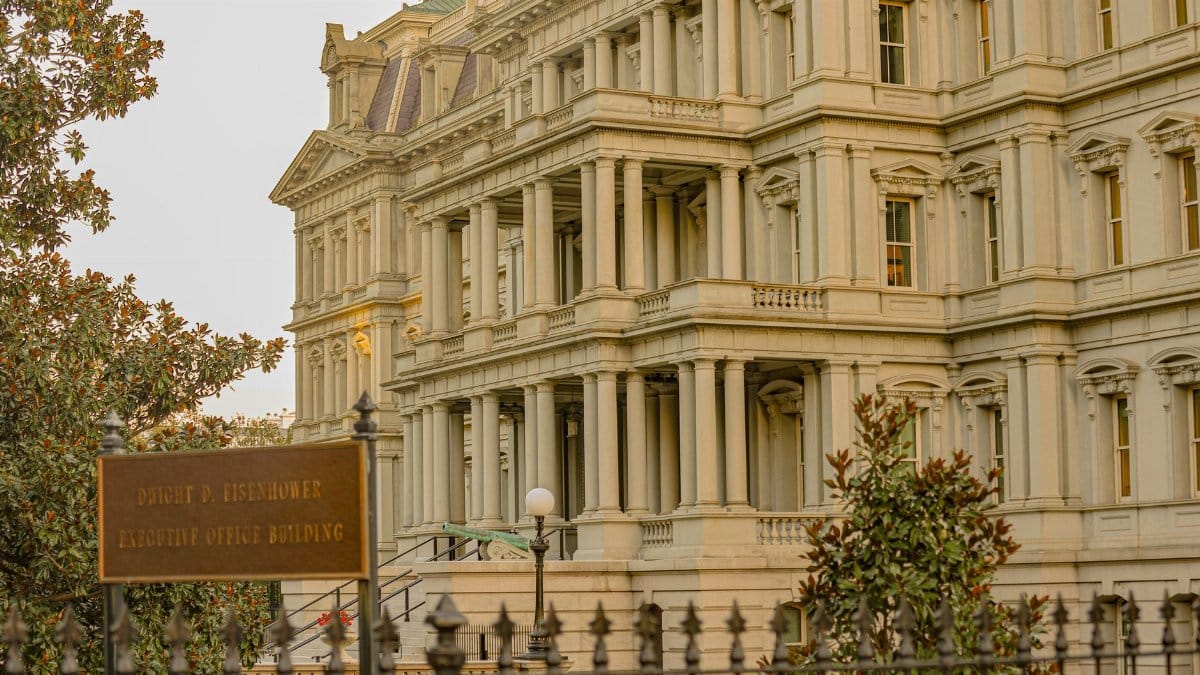
Earlier administrations occasionally expressed preferences regarding monetary settings though usually through private channels. Public statements carried less weight when delivered without explicit connections to other policy domains. The present case differs because of the explicit trade linkage.
Role of Inflation Data in Shaping Responses

Recent readings on price trends have shown mixed results across sectors. Policymakers weigh these figures when assessing whether adjustments to rates serve the broader public. External commentary adds another layer to an already intricate decision process.
Perspectives from Regional Business Leaders

Executives in manufacturing and agriculture note that uncertainty around trade rules can affect planning cycles. They monitor developments in both Washington and at the Federal Reserve for clues about future costs. Stability in both areas supports investment decisions.
Academic Analysis of Policy Intersections

Scholars who study economic governance examine cases where fiscal tools intersect with monetary ones. Their work suggests outcomes depend heavily on timing and the specific issues at stake. Further research may clarify whether the current Trump Fed trade threat fits established patterns or breaks from them.
Outlook for Future Negotiations

Discussions between branches of government and independent agencies will likely continue on multiple fronts. Trade and monetary policy each carry significant weight for households and firms. How leaders balance these elements will shape the coming years in measurable ways.