
In the quiet corridors of the Capitol, where lawmakers usually huddle over pending bills during late summer sessions, a notable shift has taken shape this year. With elections looming in November, the decision to cancel scheduled work periods has drawn attention to how Congress manages its calendar amid political pressures. This move centers on the House midterm recess, allowing members more time on the campaign trail rather than in committee rooms. Observers note that such adjustments reflect broader patterns in how both parties prioritize electoral efforts over routine legislative duties when voter sentiment appears divided.
Background on the Canceled September Sessions

The leadership in the House opted to drop the final two weeks of September from the official schedule. This choice frees representatives to focus on district visits and fundraising events ahead of the November contests. Past Congresses have sometimes extended recesses for similar reasons, yet the current scale stands out because it comes after a period of limited productivity on major legislation. Staff members have already begun rearranging travel and meetings to accommodate the extended break.
Role of Speaker Mike Johnson in the Decision

Speaker Mike Johnson coordinated with party leaders to finalize the shortened calendar. His office cited the need for members to connect directly with constituents during a critical phase of the election cycle. Johnson has emphasized that this timing allows for more personal outreach rather than remote coordination from Washington. Colleagues from the majority party have largely supported the step, viewing it as a practical response to the demands of running for reelection.
Impact on Pending Legislative Matters
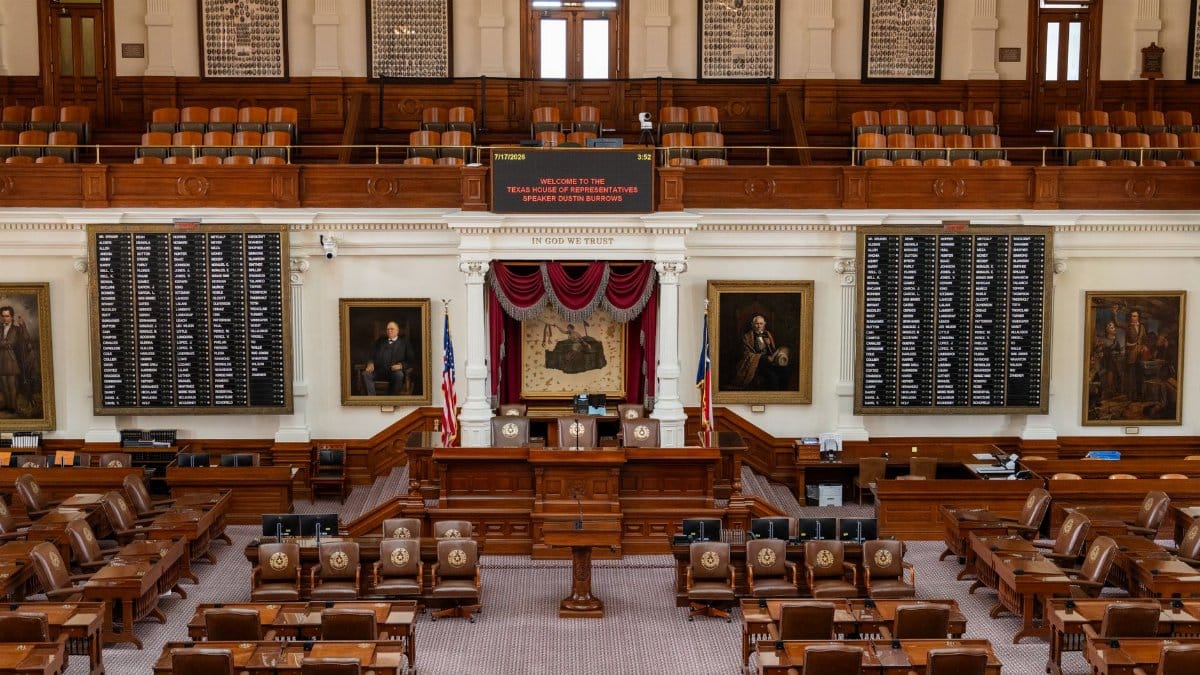
Several bills addressing spending priorities and regulatory changes now face delays until after the elections. Committees had planned hearings on topics ranging from infrastructure updates to trade policies, yet those meetings will shift to later dates. Lawmakers from both sides express concern that the pause could stall momentum on issues requiring bipartisan input. Analysts suggest the resulting backlog might require intensive sessions once the House reconvenes in the fall.
Campaign Advantages for Incumbent Members

Extended time away from the Capitol gives sitting representatives additional opportunities to appear at local events and meet potential voters. Incumbents often benefit from such flexibility because challengers must build name recognition from scratch. Data from previous election cycles shows that candidates with more district presence tend to maintain stronger support among undecided voters. The current recess extension aligns with this established approach to electoral strategy.
Reactions from the Minority Party
Democrats have criticized the move as an avoidance of accountability on key votes. They argue that the House should remain in session to address pressing national concerns rather than shifting focus entirely to campaigns. Minority leader statements highlight how the shortened calendar might limit oversight opportunities on executive actions. Some members have proposed alternative schedules that would balance legislative work with campaign needs.
Historical Patterns of Pre Election Breaks
Congress has adjusted its calendar before midterm votes in multiple prior cycles. Records indicate that both parties have used similar tactics when control of the chamber appeared uncertain. These adjustments often coincide with polling data showing tight races in key states and districts. The current instance follows a tradition that dates back decades, though the length of the current pause exceeds some earlier examples.
Effects on Committee Work and Oversight

Ongoing investigations into various federal agencies will experience interruptions as staff members travel with their bosses. Hearings on topics such as budget allocations and agency performance reviews now await rescheduling. Experts in congressional procedure note that such gaps can reduce the depth of scrutiny applied to complex policy areas. Returning members may find it necessary to rebuild context on matters left unresolved.
Public Perception and Media Coverage
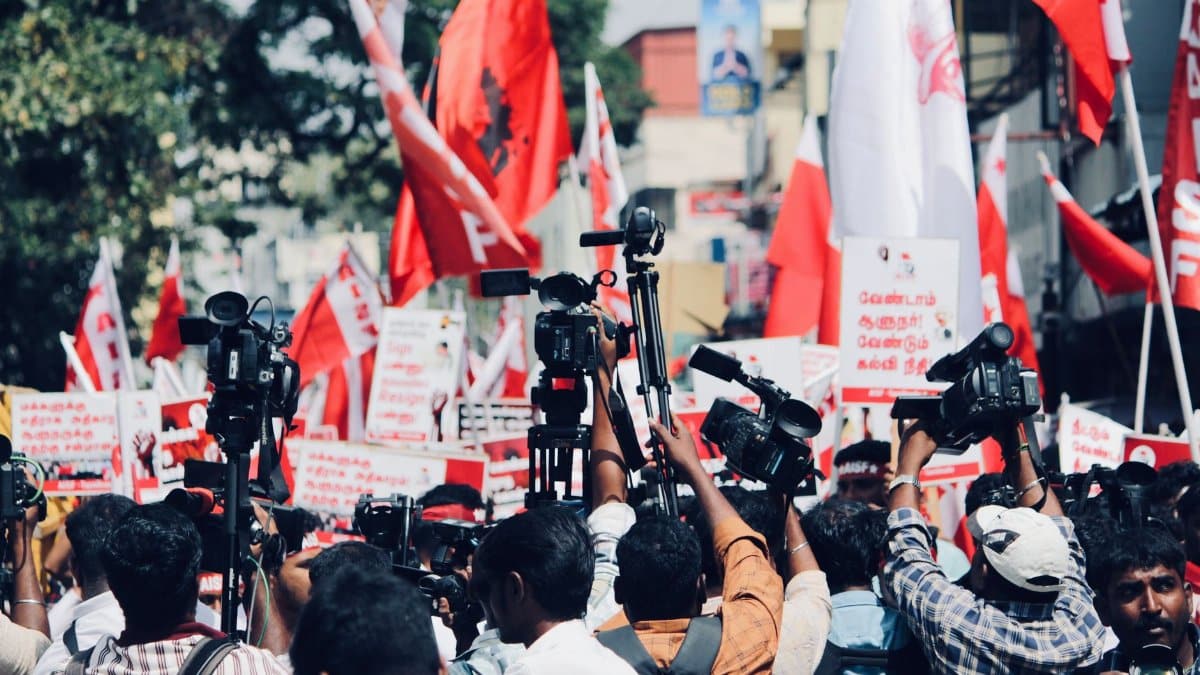
News outlets have framed the recess decision as part of standard political maneuvering ahead of elections. Polls suggest that many voters remain focused on economic conditions and security issues rather than internal congressional scheduling. Coverage tends to emphasize the contrast between time spent campaigning and time spent on lawmaking. Observers recommend watching how this narrative develops in local media markets where races remain competitive.
Potential Outcomes After November Voting
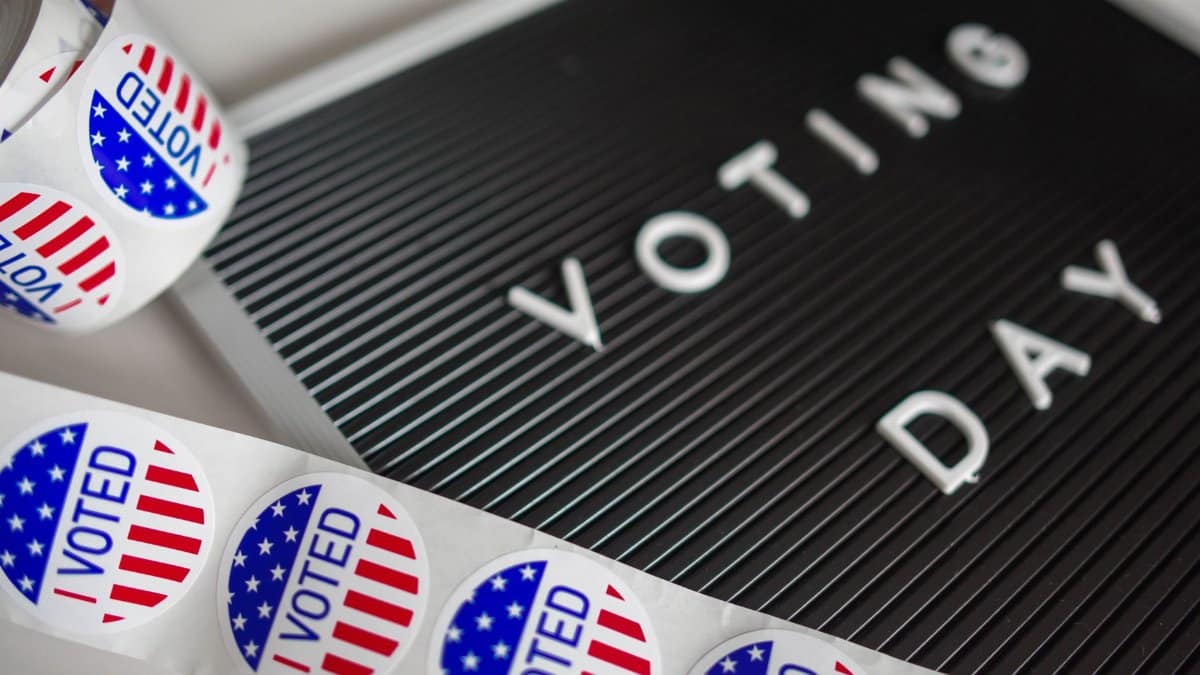
Once the elections conclude, the House will likely face a compressed schedule to address unfinished business. New members may join returning colleagues in tackling accumulated priorities. The extended September pause could influence the pace of activity during the lame duck period that follows. Long term observers expect negotiations over leadership positions and agenda setting to begin almost immediately after results are certified.