

Along the winding path of the Chicago River a bold proposal has surfaced that could reshape how Chicago embraces its teams and its waterfront. Justin Ishbia the investor poised to lead the White Sox ownership group shared detailed renderings for a privately financed riverfront stadium built atop an Amtrak railyard in the South Loop. The concept positions the White Sox new ballpark as both a sports destination and a catalyst for broader urban renewal that blends game day energy with everyday public space.
Background on the Proposed Site
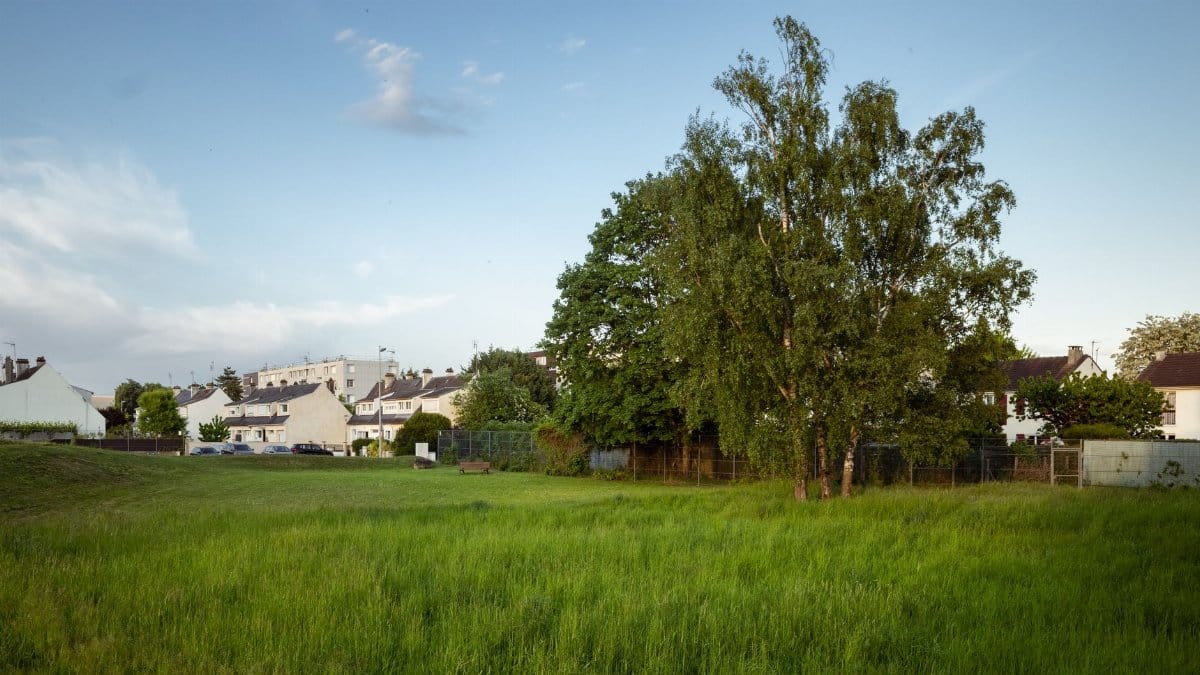
The chosen location sits on underused rail property south of downtown where freight lines have long dominated the landscape. Ishbia envisions clearing and redeveloping several blocks to create a stadium bowl oriented toward the river with open concourses that allow fans to glimpse the skyline during games. Early drawings show green space extending to the water edge creating a park like buffer between the structure and surrounding neighborhoods.
Financing and Private Investment Details

Ishbia has emphasized that no public funds would be required for construction or land acquisition. The plan relies on a mix of team equity private bonds and future revenue from surrounding mixed use development. This approach mirrors recent stadium projects in other cities where owners absorb upfront costs in exchange for long term control over ancillary income streams such as hotels retail and entertainment venues.
Design Elements and Fan Experience

Renderings depict a modern yet contextual exterior clad in materials that echo Chicago industrial heritage. Inside the seating bowl would feature wider concourses varied food options and technology that enhances viewing without overwhelming the live atmosphere. River facing decks would offer premium experiences while lower levels remain accessible to a wider range of ticket buyers.
Impact on Surrounding Neighborhoods
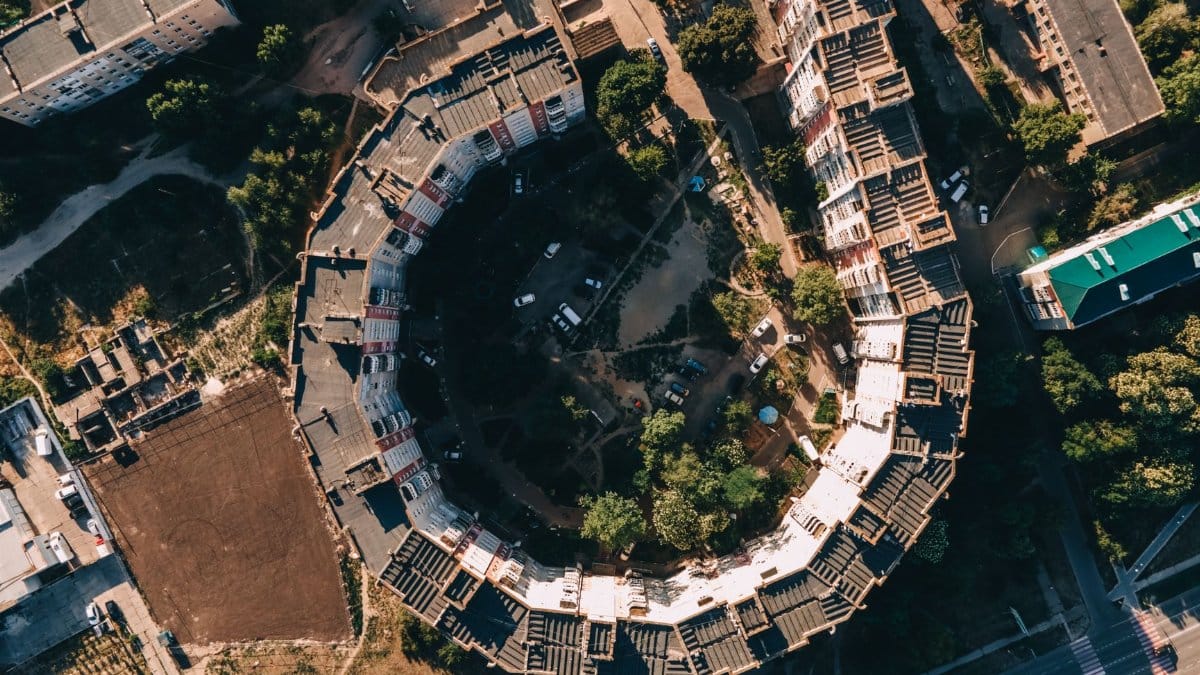
Local residents and business owners have begun weighing the potential effects on traffic housing costs and daily life. Some see new jobs and increased foot traffic as welcome additions while others worry about displacement and changes to the character of nearby blocks. City planners would need to coordinate transit improvements and zoning adjustments if the project advances.
Comparison to Existing Major League Parks
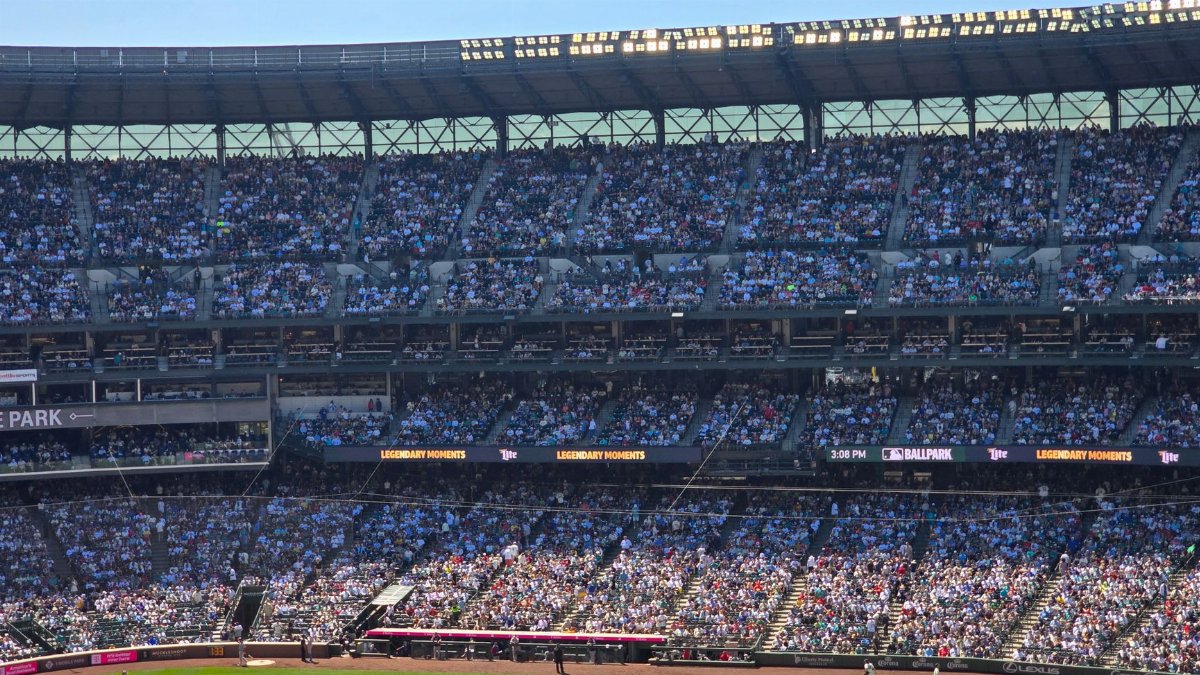
The proposed footprint draws inspiration from waterfront venues in cities such as San Francisco and Pittsburgh yet adapts those ideas to Chicago weather and scale. Unlike the current Guaranteed Rate Field which sits in a more isolated south side setting the riverfront location aims to integrate the White Sox new ballpark into the fabric of downtown activity.
Timeline and Next Steps for Approval

Ishbia indicated that formal presentations to city and state officials could occur within the coming months. Environmental reviews land transfers and community input sessions would follow before any shovels break ground. The full process could stretch several years given the complexity of moving rail operations and securing all necessary permits.
Reactions from Fans and Team Stakeholders

White Sox supporters have expressed cautious optimism online and in local forums. Many appreciate the promise of a modern facility while questioning whether the team on the field will improve enough to fill the seats. Current ownership has remained largely silent leaving Ishbia to carry the public message about the future of the franchise.
Broader Implications for Chicago Sports
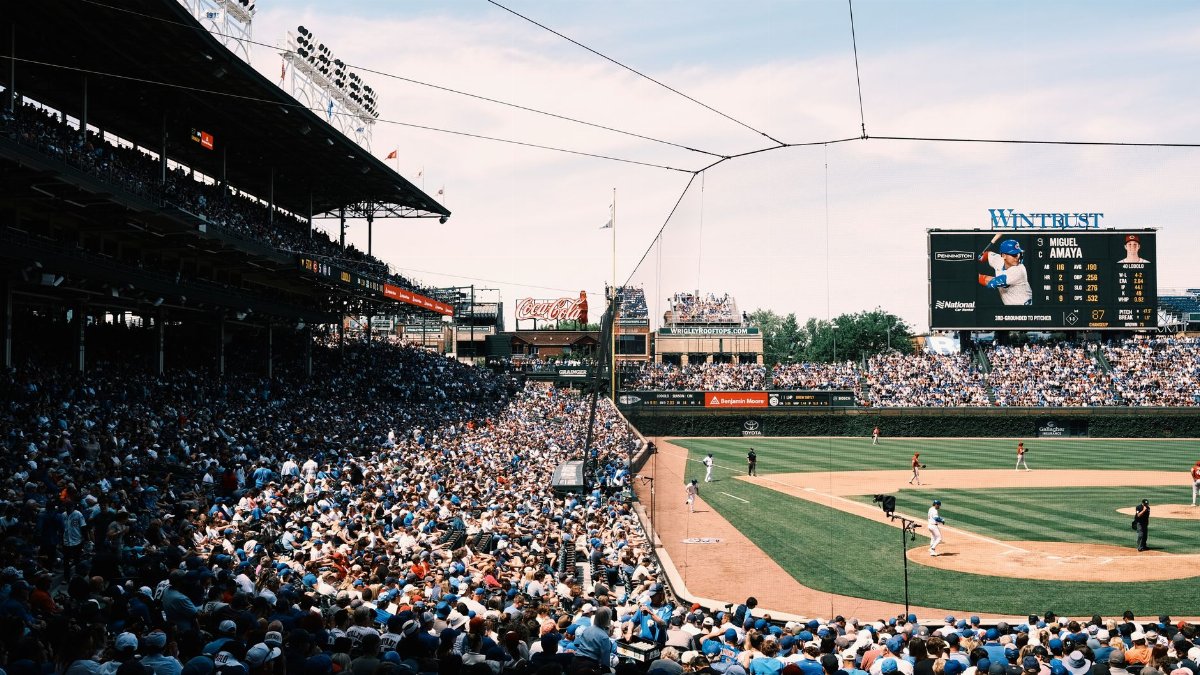
A riverfront stadium would mark the first time in decades that a major Chicago team built a new home rather than renovating an existing one. The move could influence how other franchises approach real estate decisions and might accelerate redevelopment along the southern stretch of the Chicago River corridor.