

In a crowded hall in Uptown Chicago four candidates vying for the presidency of the Chicago Board of Education came together recently to share their visions for the city’s schools. The event marked the initial CPS board president forum where discussions centered on financial challenges facing the district and the need for steady leadership amid ongoing budget pressures.
Financial Pressures Shape Early Exchanges

Candidates quickly turned to the district’s projected shortfall and how each would address it without disrupting classrooms. One speaker stressed the importance of building alliances with state lawmakers to secure additional support while another called for internal audits to identify savings. The conversation revealed sharp differences in approach yet a shared recognition that current funding levels fall short of needs.
Community Voices Fill the Room
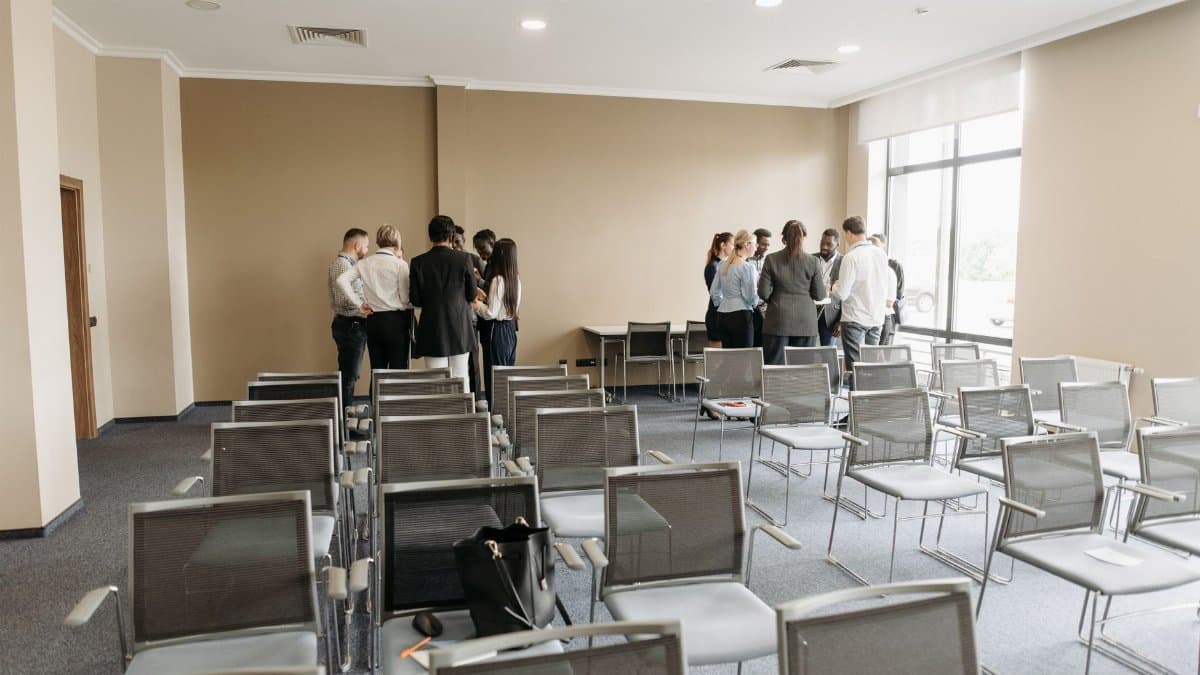
Parents and local educators attended in large numbers and several offered pointed questions during the open segment. Their concerns ranged from class sizes to after school programs and the candidates responded with specific pledges tied to budget reallocations. This interaction highlighted how residents view the board presidency as a direct link to daily school experiences.
Plans for Revenue and Oversight

Each participant outlined proposals for new revenue streams including partnerships with local businesses and revised property tax policies. Oversight mechanisms also featured prominently with calls for quarterly public reports and independent reviews to maintain transparency. These ideas aimed to reassure listeners that future decisions would rest on clear data rather than political expediency.
Backgrounds Inform Policy Views

The candidates brought varied professional histories to the stage from classroom teaching to corporate finance roles. Such experiences colored their answers on everything from teacher compensation to facility upgrades. Listeners could trace connections between personal careers and the strategies offered for district wide improvement.
Questions on Equity and Access

Equity emerged as a recurring theme with candidates describing how financial decisions might narrow opportunity gaps across neighborhoods. Proposals included targeted investments in under resourced schools and expanded support for English language learners. The forum provided space to examine whether proposed budgets would truly serve all students equally.
Role of the Board President in Broader Governance

Speakers discussed how the position interacts with the mayor’s office and the full board membership. Emphasis fell on consensus building and the ability to advance priorities even when consensus proves difficult. This angle underscored the leadership qualities required beyond technical knowledge of school finance.
Public Reaction and Next Steps

Following the event attendees shared impressions in small groups outside the venue and many expressed hope that the debate would translate into concrete action. Organizers announced plans for additional forums focused on curriculum and safety topics. Such follow up events could help voters compare positions more fully before selection.
Historical Context for Current Challenges

Past board leadership faced similar fiscal strains yet recent enrollment trends and pension obligations add new layers of complexity. Candidates referenced lessons from earlier administrations while avoiding direct blame on predecessors. This measured tone suggested a desire to move forward rather than dwell on prior shortcomings.
Implications for Citywide Education Goals

The forum touched on alignment with larger city objectives such as workforce development and neighborhood stability. Financial strategies were presented as tools to support these aims rather than isolated accounting exercises. Observers noted that success would depend on sustained collaboration across government agencies and community organizations.