
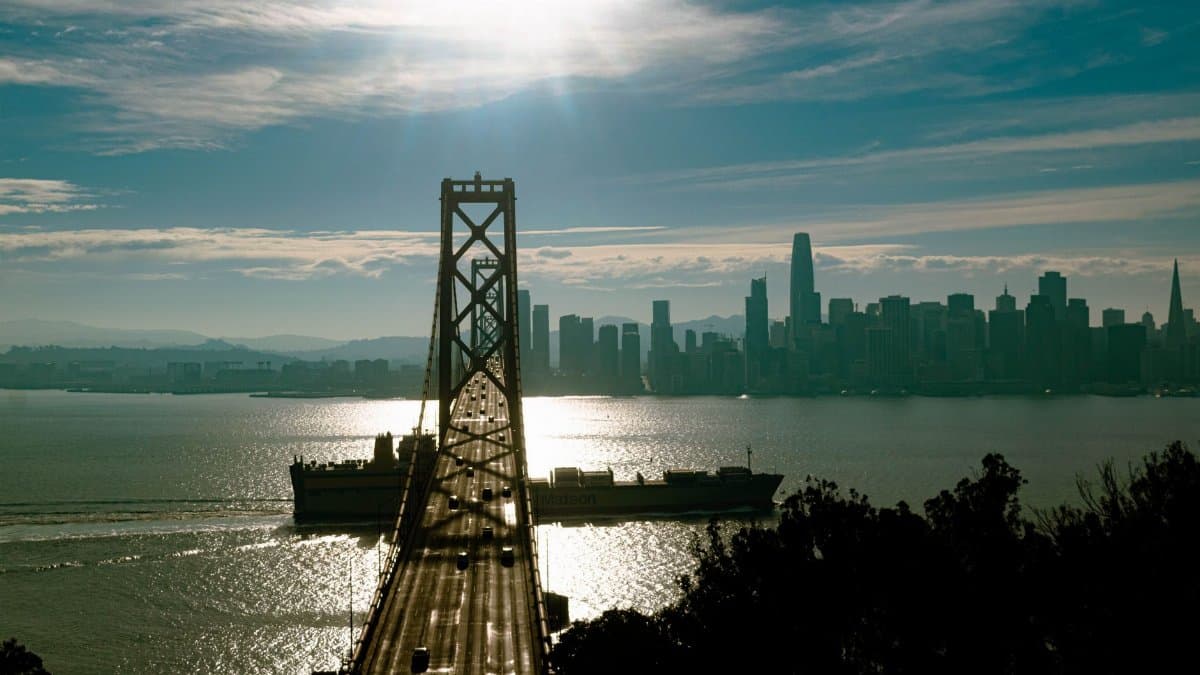
Travelers crossing one of the West Coasts most recognizable spans will soon face daytime restrictions that reshape daily journeys for thousands. The Golden Gate lane closures come at a time when many seek smoother routes yet must adapt to essential upkeep on aging infrastructure. Set for the middle of September these adjustments target surface repairs on the southbound side during peak daylight hours. Commuters accustomed to swift passage may discover new rhythms in their routines as crews address cracks and deterioration accumulated over decades of heavy use. Such projects underscore the delicate balance between preserving historic assets and meeting modern mobility demands in a region defined by its scenic yet fragile connections.
Understanding the Scope of Scheduled Bridge Maintenance
Roadway crews will focus on targeted fixes that require temporary narrowing of travel paths. The effort spans four consecutive days with restrictions lifting each afternoon to restore full capacity. Officials emphasize that advance notice allows drivers to consider ferries trains or detours via other crossings. This measured approach minimizes broader regional strain while ensuring the bridge remains safe for future generations of users who value its role in linking urban centers to northern suburbs.
Community Reactions to Temporary Travel Shifts

Local residents express a mix of understanding and frustration over the coming limitations. Some view the work as a reminder that even iconic structures need periodic attention to withstand constant exposure to wind salt and volume. Others worry about added time in vehicles during periods already prone to congestion from tourism and freight movement. Public meetings have drawn input from cyclists transit advocates and business owners who all share stakes in efficient access across the bay.
Broader Patterns in Infrastructure Upkeep Nationwide
Similar projects unfold across the country as transportation authorities confront deferred maintenance on aging spans and highways. Federal funding streams now support more frequent interventions yet scheduling remains complex in high traffic corridors. Golden Gate lane closures offer a microcosm of these challenges where scenic appeal meets practical engineering needs. Analysts note that proactive repairs often prevent costlier emergency fixes later on.
Exploring Alternative Routes During Peak Restriction Windows

Drivers heading southbound can shift to parallel roadways or time trips outside the affected window from nine thirty in the morning until two in the afternoon. Regional transit agencies plan added capacity on buses and ferries to absorb displaced volume. Maps and apps will highlight real time options helping users avoid unnecessary delays. Such flexibility proves vital for those with fixed work or school obligations that cannot easily flex.
Historical Context Behind Ongoing Preservation Efforts
The bridge has undergone repeated rounds of strengthening since its opening in the nineteen thirties. Each phase builds on lessons from prior seismic and corrosion studies that inform current standards. Golden Gate lane closures fit into this long arc of stewardship that balances public access with structural integrity. Engineers draw from global examples to refine techniques suited to the sites unique environmental stresses.
Impacts on Local Economies and Daily Life Patterns

Retail and service businesses near access points anticipate fluctuations as fewer vehicles pass during restricted hours. Delivery schedules may stretch while tourism operators adjust itineraries to account for altered flows. Yet some see opportunity in slower paces that encourage exploration of nearby neighborhoods or parks. The changes ripple outward touching everything from fuel stops to weekend leisure plans.
Future Outlook for Regional Mobility Solutions
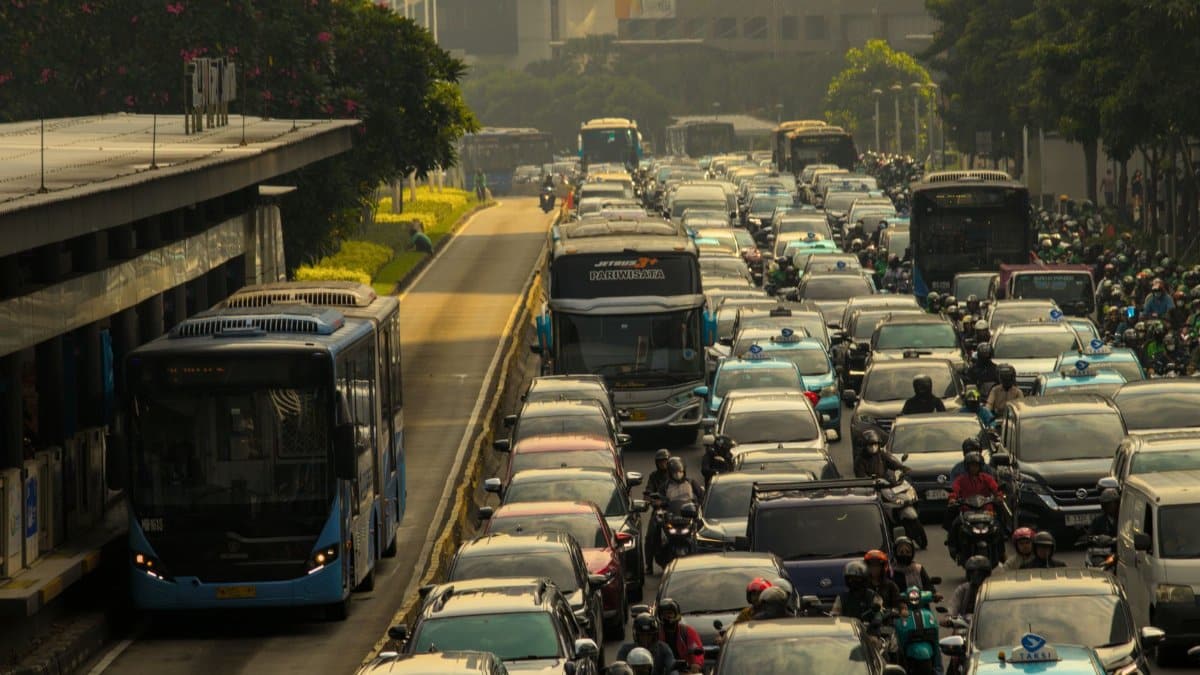
Planners continue evaluating long range options including expanded transit links and technology driven traffic management. Golden Gate lane closures serve as a prompt to accelerate conversations about resilient networks less reliant on single crossings. Public input remains central as agencies weigh costs against benefits of various upgrades. Ultimately the goal stays consistent: safe reliable passage that honors both heritage and progress.