
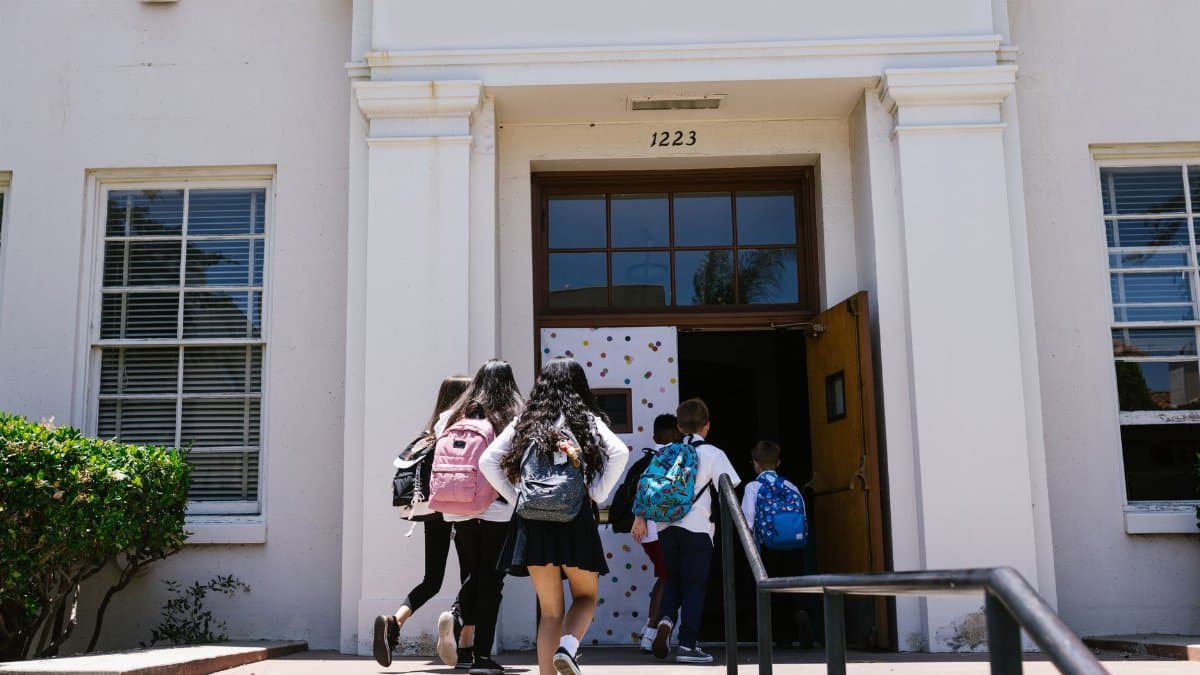
In recent months state officials in Texas have unveiled their first comprehensive look at how a major education initiative is unfolding across the state. The data covers more than eighty five thousand young people enrolled through a large scale effort to expand options beyond traditional public classrooms. Families with limited resources sit at the center of the effort as lawmakers seek to direct support toward those facing the greatest barriers. Texas school vouchers form the core of this approach with the report showing patterns in enrollment and family backgrounds that had not been visible before. Observers note the scale of the one billion dollar commitment and how it shapes daily decisions for households weighing private alternatives. The release arrives amid ongoing conversations about fairness and access in education systems throughout the region.
Program Scale and Initial Rollout
The effort began with legislative approval and quickly grew to serve a substantial portion of eligible students. Officials tracked participation rates in urban and rural districts alike to understand reach and demand. Early numbers revealed strong interest from households seeking different learning environments for their children. Reports detail how applications surged in the first year with processing handled through a centralized system to ensure consistency. This growth prompted adjustments in staffing and oversight to manage the volume without delays for families.
Family Income Patterns Among Recipients

Data shows the majority of participants come from households below certain income thresholds designed to prioritize need. Administrators verified eligibility through tax documents and other records to maintain focus on low income groups. Patterns indicate higher uptake in areas with concentrated economic challenges where public options face overcrowding. This emphasis aims to provide pathways that might otherwise remain out of reach for working families balancing multiple jobs.
Geographic Spread Across the State

Participation appears in every major region though rates vary by local private school availability. Cities with established networks saw faster enrollment while smaller communities relied on emerging providers or transportation support. Maps in the report highlight clusters around population centers yet also note steady interest from more remote zones. Such distribution raises questions about equity in access for all parts of Texas.
Academic Performance Tracking Methods

State reviewers began collecting test scores and progress indicators from participating schools to assess outcomes over time. Initial findings point to varied results depending on the institution with some students showing gains in reading and math. Researchers plan longitudinal studies to follow cohorts through multiple years. These efforts seek to separate program effects from other influences like family support or prior schooling history.
Private School Responses and Capacity

Many institutions expanded spots or added staff to accommodate the influx of new students funded through the initiative. Leaders at these schools describe adjustments in curriculum and class sizes to maintain quality. Some noted challenges in integrating children from diverse academic starting points. The report includes feedback from administrators on operational changes required to handle the scale.
Public School District Reactions
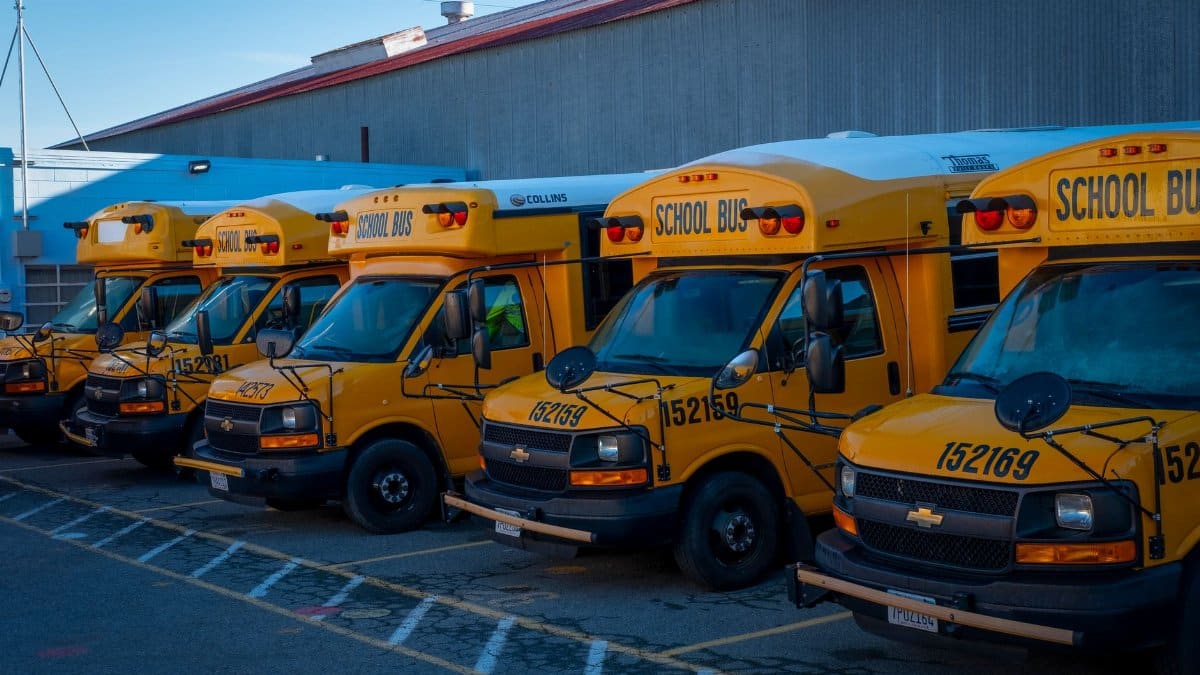
Leaders in traditional districts expressed concerns about funding shifts and potential enrollment drops. Several systems reported planning reviews to retain families through enhanced offerings. The data release prompted calls for better coordination between sectors to avoid fragmentation. Some districts highlighted successful partnerships that allow shared resources in certain subjects.
Future Policy Adjustments Under Consideration

Lawmakers are reviewing the first year numbers to refine eligibility rules and funding formulas. Proposals include tighter reporting requirements for schools and additional supports for transportation. Advocates on multiple sides continue to weigh in with suggestions based on the released figures. The process reflects broader efforts to balance choice with accountability in education spending.
Broader Implications for Texas Education

The initiative marks a notable shift in how resources flow to families and institutions. Long term observers suggest it could influence similar programs in neighboring states if results prove positive. Community groups emphasize the need for ongoing evaluation to ensure goals around opportunity are met. This development adds to national discussions on expanding educational pathways beyond conventional models.