
The Minnesota State Fair draws families from across the region each September with its blend of exhibits livestock shows and classic midway rides. Crowds gather under open skies that can shift quickly in the upper Midwest. This year the State Fair weather forecast points to morning showers that may give way to scattered thunderstorms by afternoon leaving visitors to plan accordingly with light jackets and flexible schedules.
Regional Weather Patterns in Early Fall
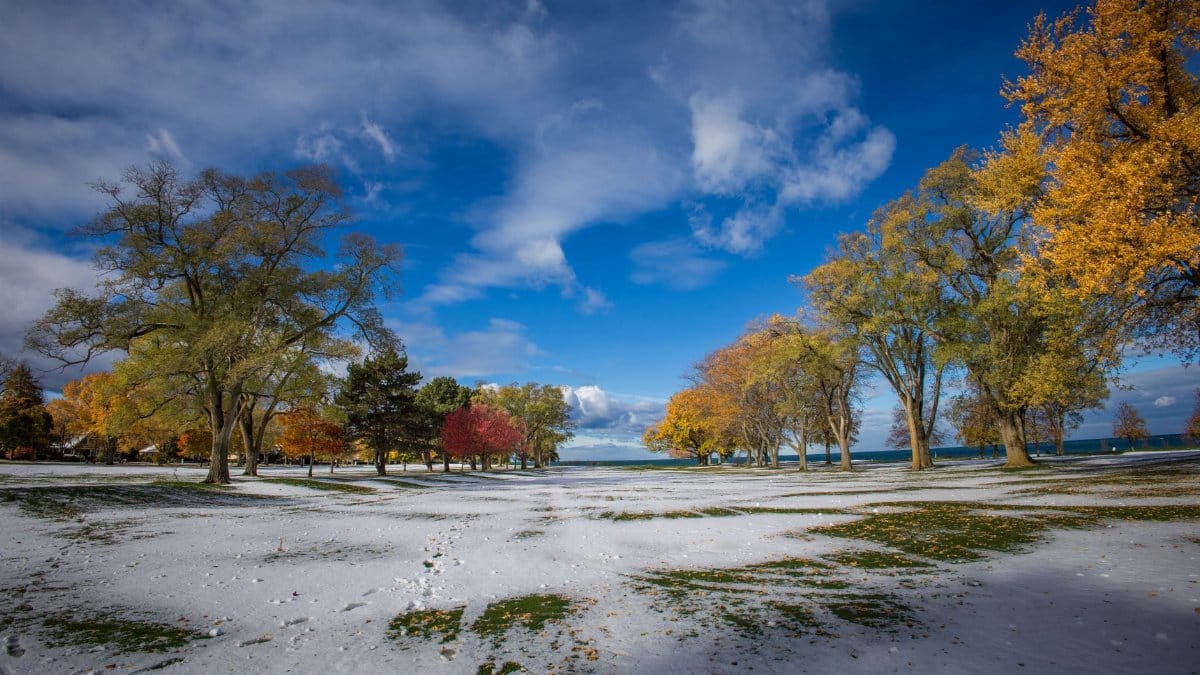
Meteorologists note that September often brings variable conditions to the upper Midwest. Warm days can turn humid as moisture from the Gulf moves northward. Such changes set the stage for brief rain events that clear by evening. Observers at the fairgrounds recall similar setups in past seasons where light rain cooled the air without disrupting major events.
Insights from Local Forecasters
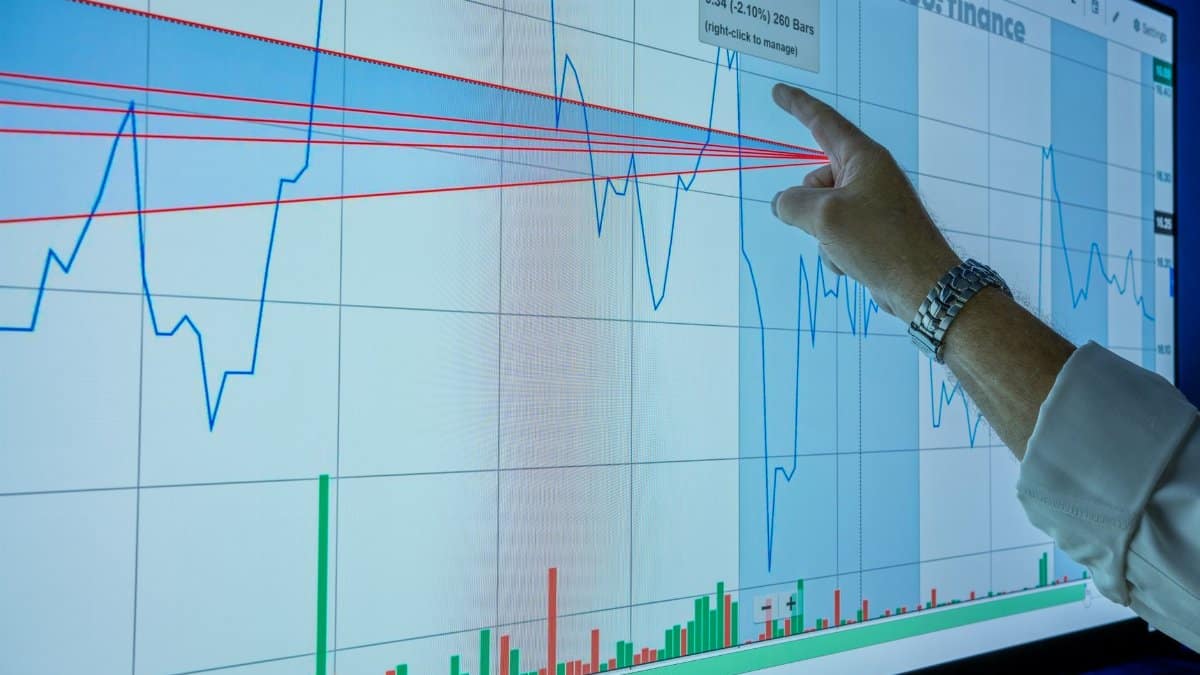
Paul Douglas has long tracked these developments with detailed models. His outlook highlights the potential for isolated cells to develop after midday. Fairgoers can expect temperatures in the low seventies with humidity levels that feel higher during peak hours. This guidance helps vendors and attendees prepare without major cancellations.
Preparing for Variable Conditions at Outdoor Events
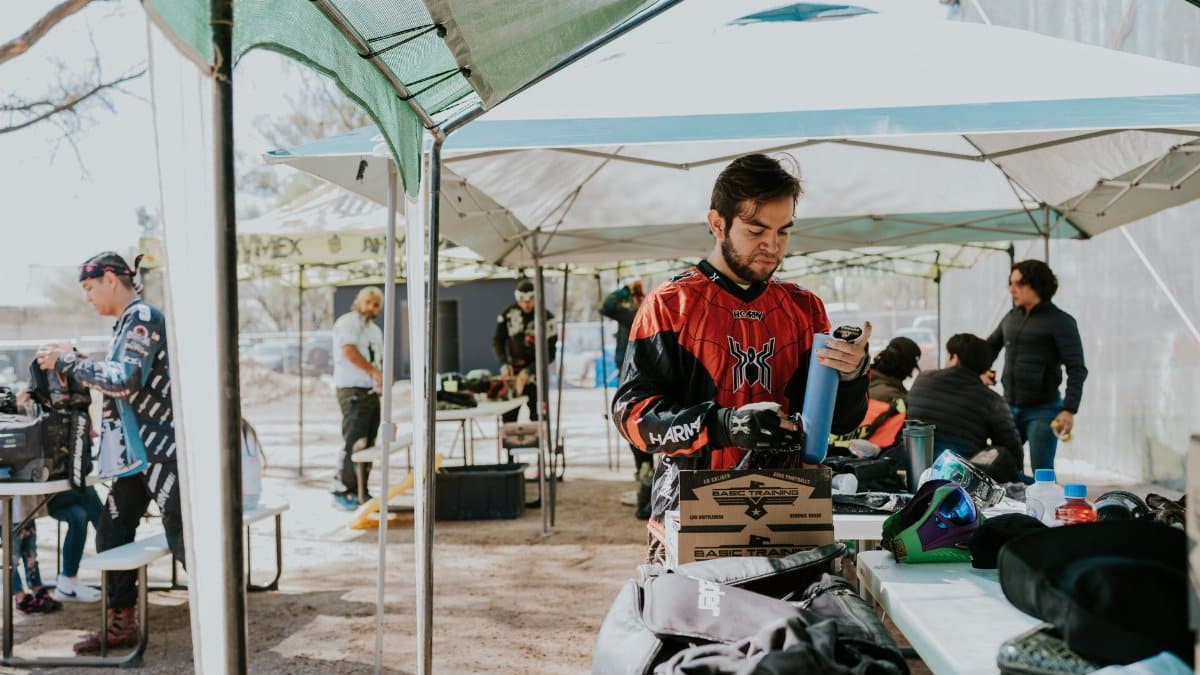
Organizers recommend checking updates throughout the day. Tents and covered areas provide shelter during any passing showers. Families often carry small umbrellas or ponchos as standard items in their bags. These steps allow everyone to enjoy the exhibits and performances regardless of brief interruptions.
Impact on Attendance and Vendor Activities
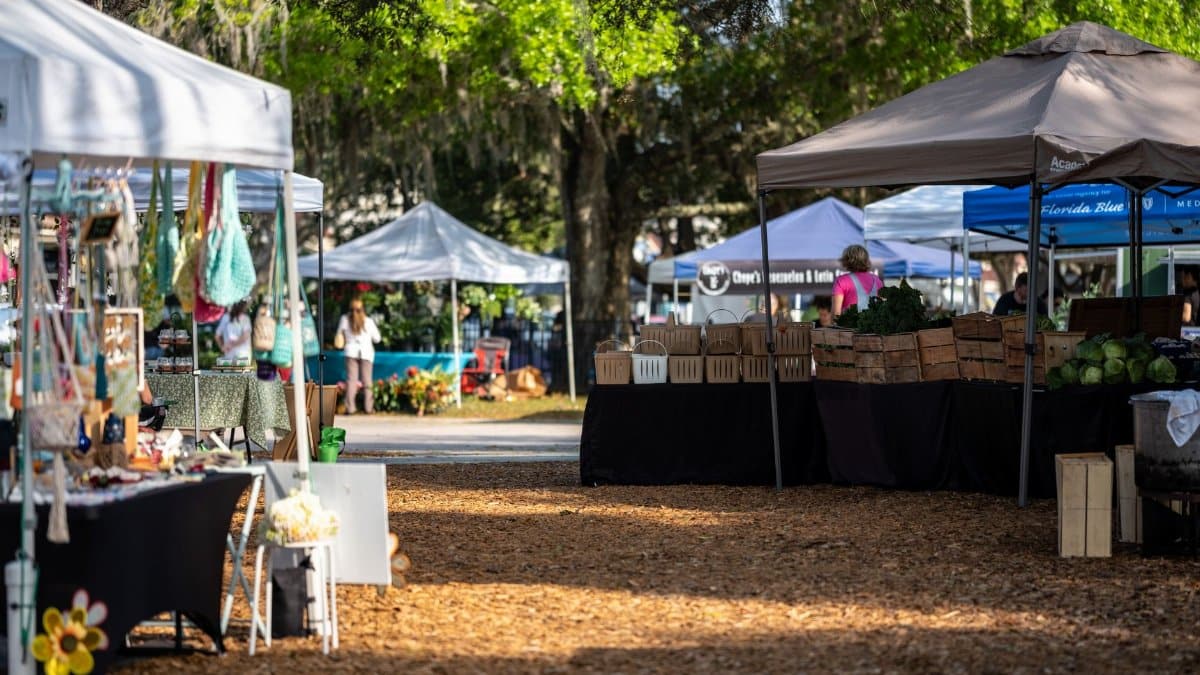
Rain can influence foot traffic at food stalls and craft booths. Some visitors choose to arrive later when skies clear. Vendors report that sales of hot beverages rise during cooler spells while cold treats see dips. Overall the fair maintains strong turnout as people adapt to the elements.
Historical Context for Fair Weather Events
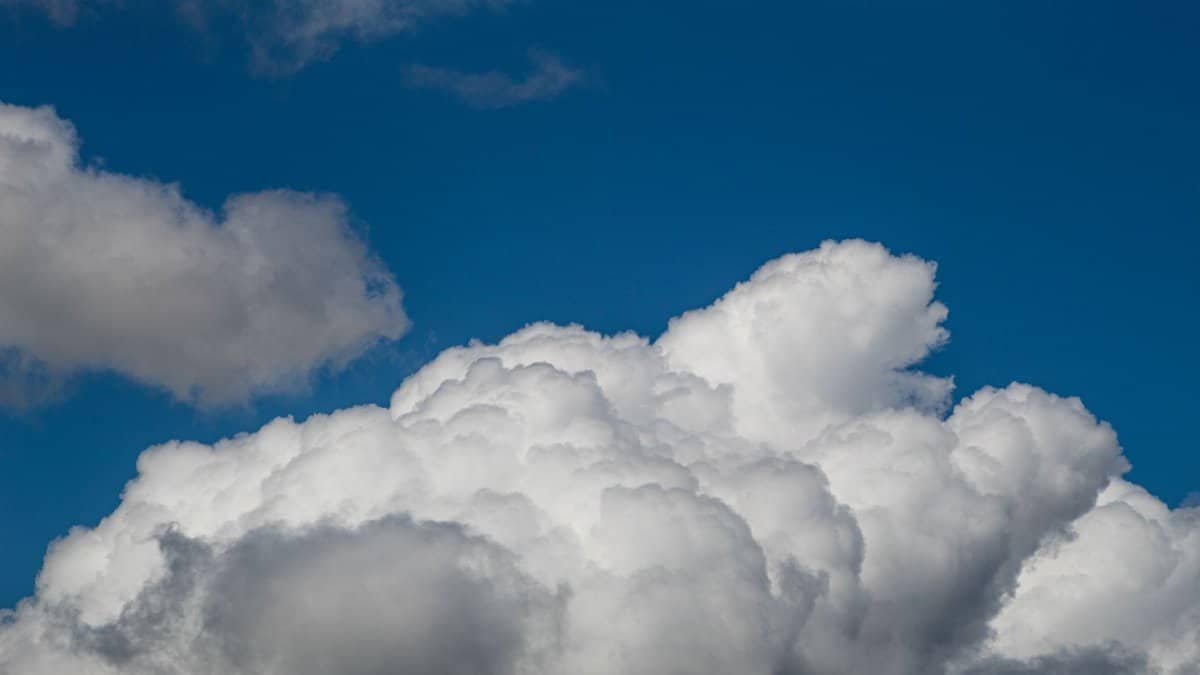
Records show that early September has featured both sunny stretches and wet periods over the decades. In one notable year light rain enhanced the atmosphere without major issues. Such precedents remind planners that flexibility remains key to a successful gathering.
Community Reflections on Seasonal Shifts
Longtime attendees describe how weather adds to the sense of occasion. A quick shower can lead to shared stories among strangers under the same roof. These moments foster connections that extend beyond the fair itself and into local traditions.
Looking Ahead to Future Gatherings
Climate trends suggest continued variability in coming years. Planners study past forecasts to refine strategies for crowd management and safety. The goal stays focused on creating welcoming spaces that accommodate all forms of weather.
Broader Implications for Public Gatherings
Events like this one highlight the need for reliable information sources. Accurate predictions support decisions on everything from transportation to entertainment schedules. Communities benefit when individuals stay informed and responsive to changing skies.