

In recent federal assessments scientists have adjusted their estimates for seismic hazards across California. These revisions stem from fresh data on fault movements and historical patterns. Residents now face a clearer picture of potential threats in the coming decades. The updated analysis focuses attention on Bay Area earthquake odds and how communities might prepare for what lies ahead.
Details Behind the Revised Figures

Federal researchers reviewed decades of measurements along major faults. Their work shows higher chances than earlier models suggested for strong shaking. Officials stress that the changes reflect better understanding rather than sudden shifts in the earth itself. Communities gain time to review building standards and emergency plans as a result.
Role of the San Andreas Fault

This long fracture runs near populated zones and has produced large events in the past. Updated models assign it a notable share of the overall probability. Experts note that movement here could affect wide areas with intense ground motion. Monitoring stations continue to track subtle changes that might precede activity.
Focus on the Hayward Fault

Running closer to dense urban centers this feature draws particular concern. Calculations place elevated risk levels on this segment compared with prior estimates. Local governments have used the numbers to guide investments in infrastructure upgrades. Residents receive reminders to secure heavy objects and maintain supplies.
How Probabilities Translate to Daily Life

Numbers represent averages over broad time spans rather than predictions for specific dates. A person might experience little impact or face sudden disruption depending on location and timing. Public agencies translate these odds into practical advice about retrofitting homes and workplaces. Awareness campaigns aim to reduce injuries when shaking begins.
Comparisons With Earlier Estimates

Previous reports placed the thirty year chance at lower levels across the region. The latest work incorporates new observations from instruments and past events. Differences appear most clearly in certain fault segments where data quality has improved. Officials present the shifts as refinements rather than cause for panic.
Preparation Steps for Households

Experts recommend simple actions such as fastening furniture and knowing shutoff locations for utilities. Drills help family members practice responses during sudden motion. Supplies of water food and medical items support the first days after an event. Insurance reviews can clarify coverage for potential damage.
Impact on Local Infrastructure Planning

Transportation agencies examine bridges and roads for resilience under stronger shaking scenarios. Schools and hospitals undergo assessments to identify needed reinforcements. Budget decisions now weigh these risks alongside other priorities. Long term projects incorporate the revised odds from the start.
Community Response and Education Efforts
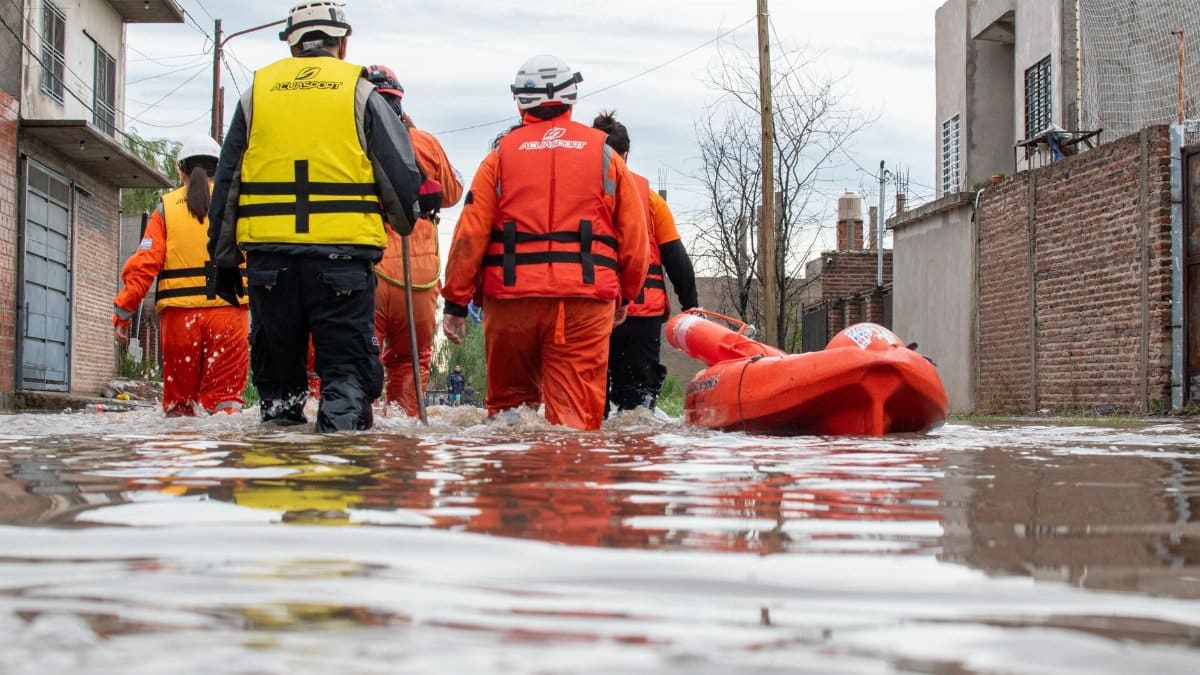
Neighborhood groups organize workshops on safety measures and resource sharing. Schools integrate basic lessons on earth science and response actions. Media outlets repeat key messages during awareness weeks. These steps build habits that could limit harm when motion arrives.
Looking Ahead at Monitoring Advances

New sensors promise faster detection once movement starts. Data networks feed into alert systems that give seconds of warning. Researchers test ways to refine forecasts as more information accumulates. Continued investment supports these tools for the benefit of millions.