
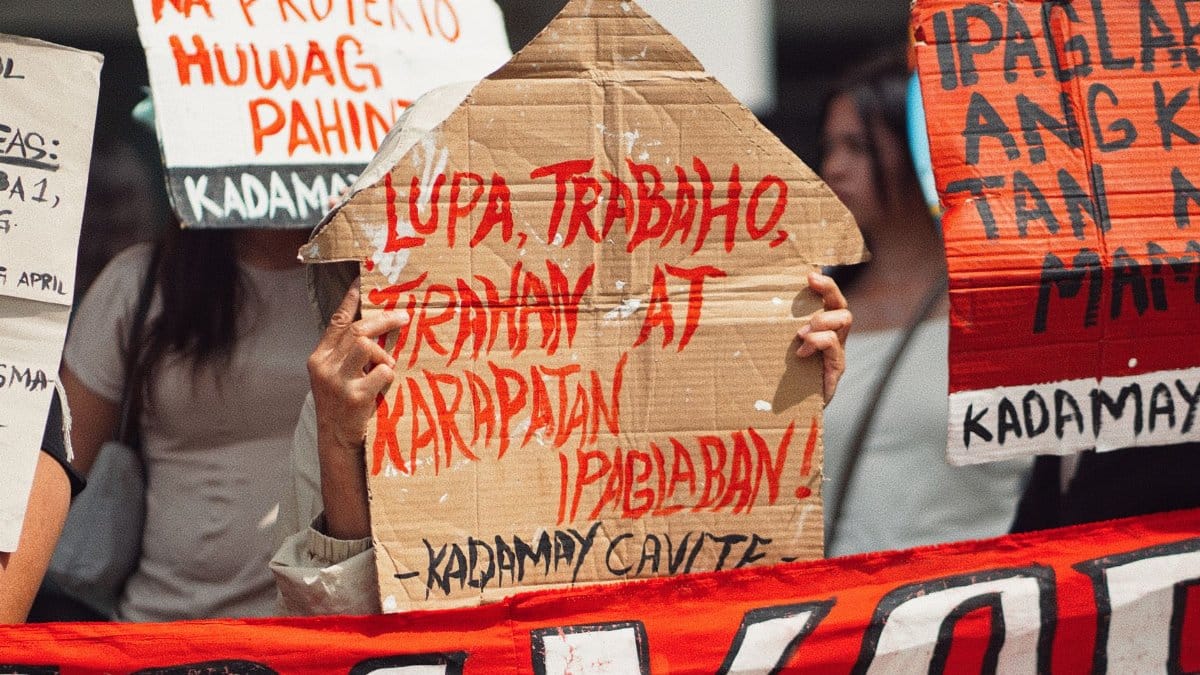
Thousands of state employees in Washington have recently engaged in what is being called the state workers walkout to express their dissatisfaction with proposed compensation adjustments from Governor Bob Ferguson. This action highlights ongoing tensions in public sector labor relations and raises questions about fair compensation in government roles. Observers note that such events can disrupt essential services and bring attention to broader issues of worker rights and budget priorities in state administration. The labor dispute stems from negotiations that have stalled over salary increases amid rising living costs. Employees argue that current offers do not adequately reflect their contributions or the economic pressures they face. Officials from the administration maintain that the proposals are reasonable given fiscal constraints.
Origins of Current Labor Tensions
The roots of this conflict trace back to earlier rounds of talks where union representatives sought larger raises to match inflation trends seen across the region. State budgets have faced pressure from various programs leaving limited room for major payroll expansions. Workers in departments ranging from transportation to social services feel the strain of stagnant wages compared to private sector opportunities.
Details Behind Pay Proposal Rejections

Governor Ferguson presented figures that union leaders described as insufficient for covering housing and healthcare expenses common in urban areas of the state. Negotiators on the employee side countered with data showing similar positions in neighboring states offering better packages. Discussions broke down when neither side could bridge the gap on annual adjustments.
Impact on Daily State Operations

During the state workers walkout many offices operated with reduced staff leading to longer wait times for public inquiries and delayed processing of permits. Essential functions like road maintenance continued at minimal levels while administrative tasks piled up. Citizens reported mixed experiences depending on which agencies they needed to contact that day.
Union Perspectives on Fair Compensation
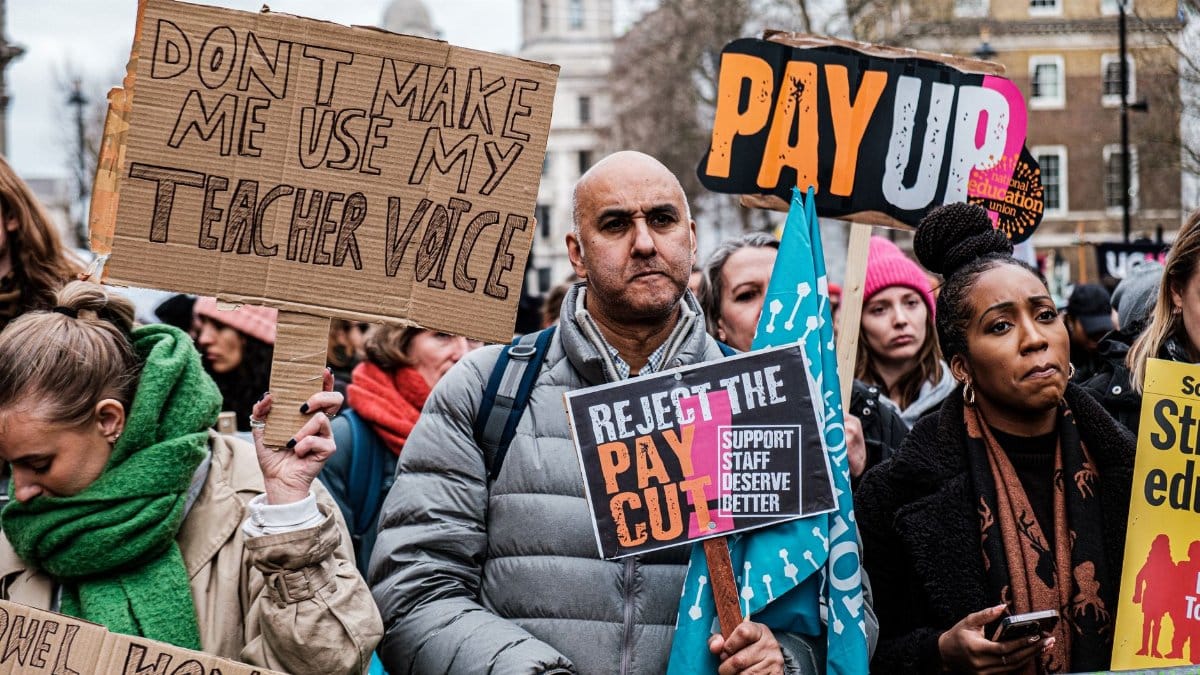
Representatives emphasized that members have absorbed increased workloads without corresponding rewards over recent years. They pointed to recruitment challenges where qualified candidates choose other employers due to better benefits elsewhere. Solidarity among participants remained high as the action drew attention to these long standing concerns.
Administration Response and Fiscal Context
Spokespeople for the governor noted efforts to balance employee needs with taxpayer responsibilities and overall economic forecasts. Proposals included some increases tied to performance metrics as a way to stretch available funds. Critics of the offers suggested alternative revenue measures could help close the divide without service cuts.
Broader Effects on Public Sector Morale
Events like the state workers walkout often signal deeper frustrations that extend beyond one negotiation cycle. Retention rates in key roles may suffer if resolutions do not address core demands. Future hiring could become more difficult as word spreads about the current climate in state employment.
Historical Comparisons to Past Actions

Similar protests in prior decades succeeded in securing modest gains after public pressure mounted on lawmakers. Patterns show that timing plays a role with budget cycles influencing outcomes. Lessons from those episodes inform current strategies on both sides of the table.
Potential Paths Toward Resolution

Mediators have been suggested as a neutral way to restart talks and explore creative solutions such as phased increases. Lawmakers may weigh in through supplemental funding discussions in upcoming sessions. Both parties appear motivated to avoid prolonged disruptions that affect vulnerable populations relying on state programs.
Public Reaction Across Communities
Feedback from residents varies with some expressing support for workers while others worry about service interruptions during busy periods. Social media platforms carried discussions on the fairness of offers and the right to collective action. Local media coverage helped shape opinions by highlighting personal stories from participants.
Economic Factors Influencing Negotiations

State revenue projections depend on factors like tourism recovery and tech sector performance which add uncertainty to long term planning. Inflation data from federal sources guides arguments about what constitutes adequate raises. Analysts monitor how agreements in other states set precedents for this region.
Future Implications for Labor Relations

Outcomes from this state workers walkout could influence approaches in upcoming contract cycles across multiple agencies. Stronger collaboration or continued friction may emerge depending on final terms. Observers will track whether similar actions occur in response to evolving economic conditions.