

In the late nineteenth century trains carried hopeful passengers westward across the plains many coughing and frail seeking relief in the mountain air of Colorado. This migration forms a key part of Colorado tuberculosis history where the states dry climate drew thousands in search of cures from an illness that claimed millions each year around the world.
The Allure of Dry Air and Sunshine
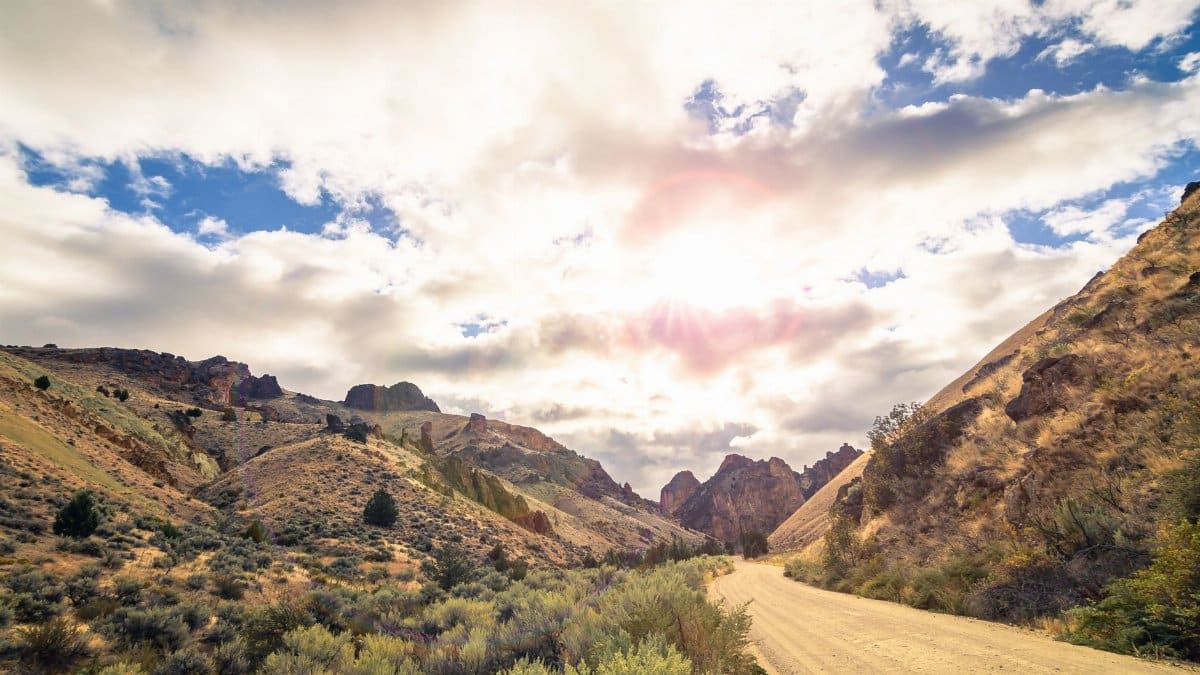
Physicians of the era believed fresh dry air and abundant sunshine could strengthen weakened lungs. Patients arrived by rail in growing numbers settling in towns like Denver and Colorado Springs. Local boosters promoted the region as ideal for recovery encouraging new arrivals to spend hours outdoors resting on porches or in tents.
Building the First Sanitariums
Facilities soon rose to meet demand. Some began as simple tent colonies while others grew into large complexes with nurses kitchens and recreation halls. These institutions offered structured daily routines including rest periods light meals and supervised walks. Over time they became central to community life providing jobs and shaping local economies.
Population Growth from Patient Arrivals
The steady flow of newcomers changed the makeup of several cities. Many who came for treatment stayed after regaining strength starting businesses or raising families. Census records show sharp increases in certain counties during the first decades of the twentieth century reflecting both temporary visitors and permanent residents.
Daily Life Inside the Institutions
Routines emphasized fresh air exposure even in winter months. Residents bundled in blankets sat outside for hours sometimes reading or writing letters home. Staff monitored temperatures and diets while volunteers organized games and music to lift spirits. These details reveal how isolation mixed with community support.
Economic Ripple Effects Across Towns
Health facilities required supplies from food to linens boosting nearby farms and merchants. Railroads expanded routes to carry more passengers and goods. Real estate developers built housing suited to the needs of those seeking quiet recovery creating new neighborhoods designed around fresh air access.
Challenges and Setbacks for Recovery
Not every patient improved. Crowded conditions in early camps sometimes spread other illnesses. Limited medical tools meant doctors relied mainly on observation rather than precise tests. Families far away worried as letters described both progress and decline.
Notable Figures Who Sought Treatment
Writers artists and politicians numbered among those who traveled to Colorado. Some documented their experiences in journals or published accounts that shaped public views of the region. Their stories added a cultural layer to the medical migration highlighting resilience amid uncertainty.
Transition as Medical Science Advanced

By the middle of the twentieth century new drugs began to replace climate based care. Sanitariums closed or converted to other uses. The focus shifted from open air rest to targeted medicines and vaccines reducing the need for long stays in distant places.
Architectural Remnants Still Visible Today
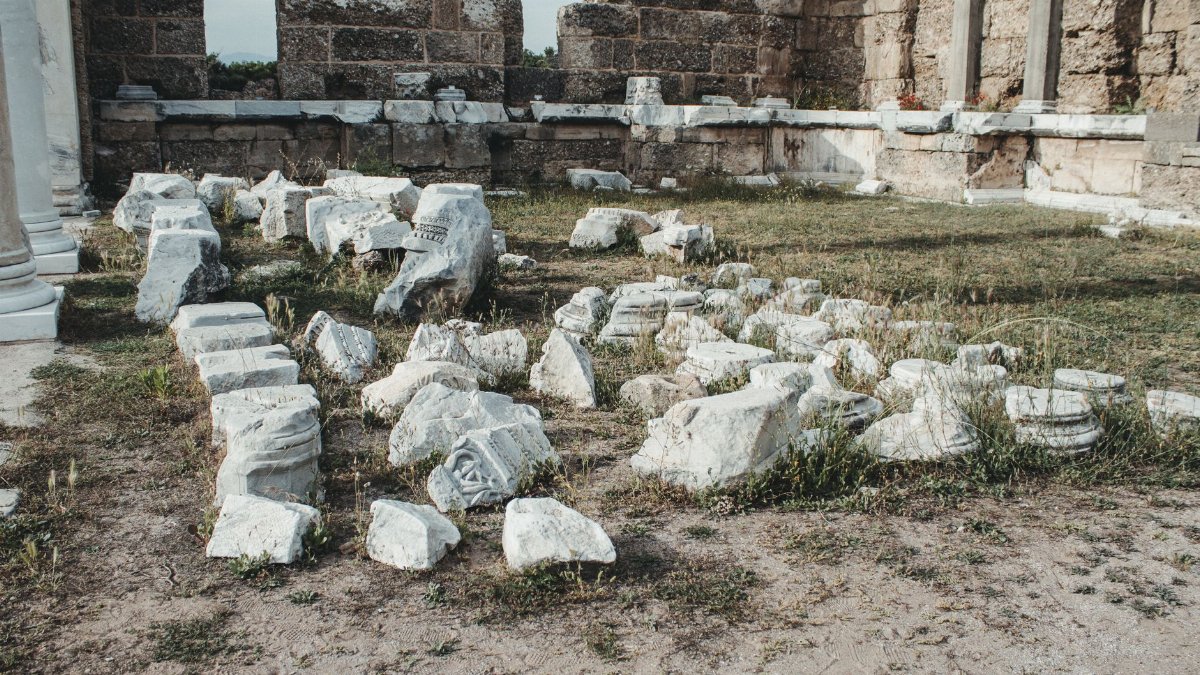
A number of original buildings remain standing though many now serve different purposes. Porches once lined with beds now host offices or apartments. Walking tours in older districts point out these structures as quiet reminders of an earlier chapter in public health.
Long Term Influence on Regional Identity

The era left marks on how Colorado presents itself to visitors. Museums and historical markers recount the period when the state earned a reputation for healing. Local historians continue to study records that trace family lines back to those early arrivals.
Lessons for Modern Health Approaches

The episode shows how environment once played a central role in treatment plans. It also illustrates the power of collective response to widespread illness. Today researchers look back at those methods for insights into how place and community affect well being.