
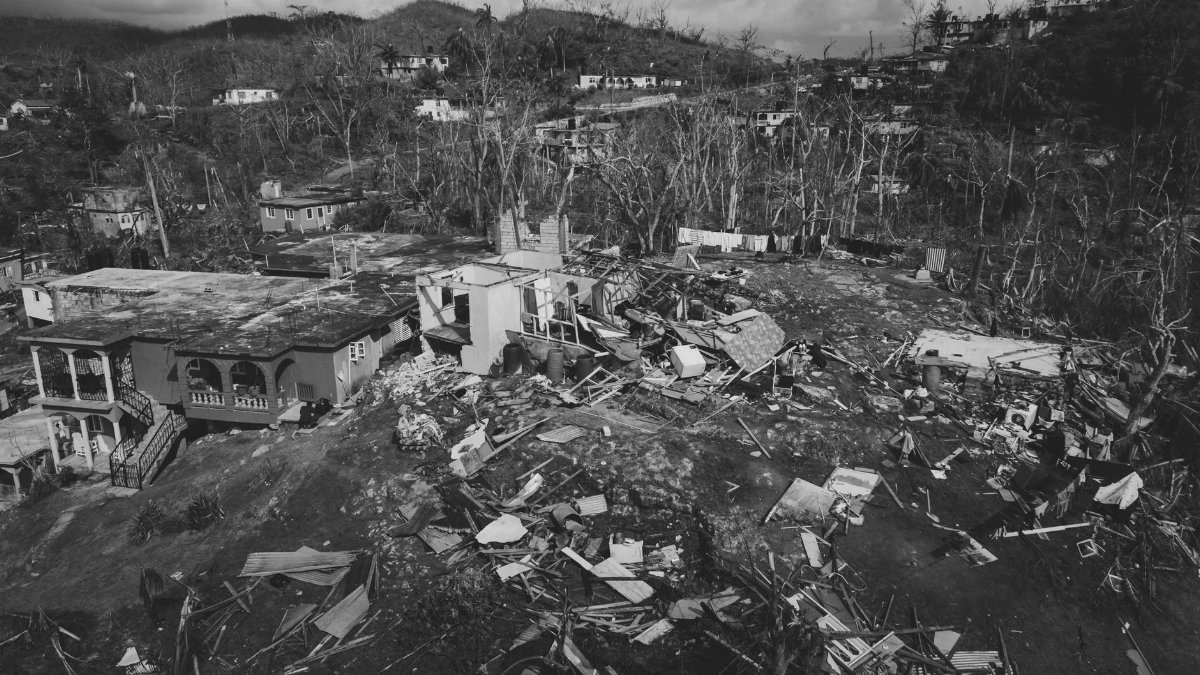
In the vast Pacific Ocean storms can evolve with startling speed leaving forecasters and coastal communities alike watching closely for shifts in trajectory and strength. One recent case drew particular notice when Hurricane Lowell Hawaii rapidly gained power reaching major hurricane status and prompting discussions about how such events fit into broader patterns of nature and human response.
Unexpected Strengthening Captures Attention

Weather observers noted that the system gained intensity faster than many models had projected. Winds reached one hundred thirty miles per hour turning the disturbance into a Category 4 system. Such quick changes highlight the challenges of predicting tropical cyclone behavior even with advanced satellite tools available today.
Regional Concerns Grow Among Islanders
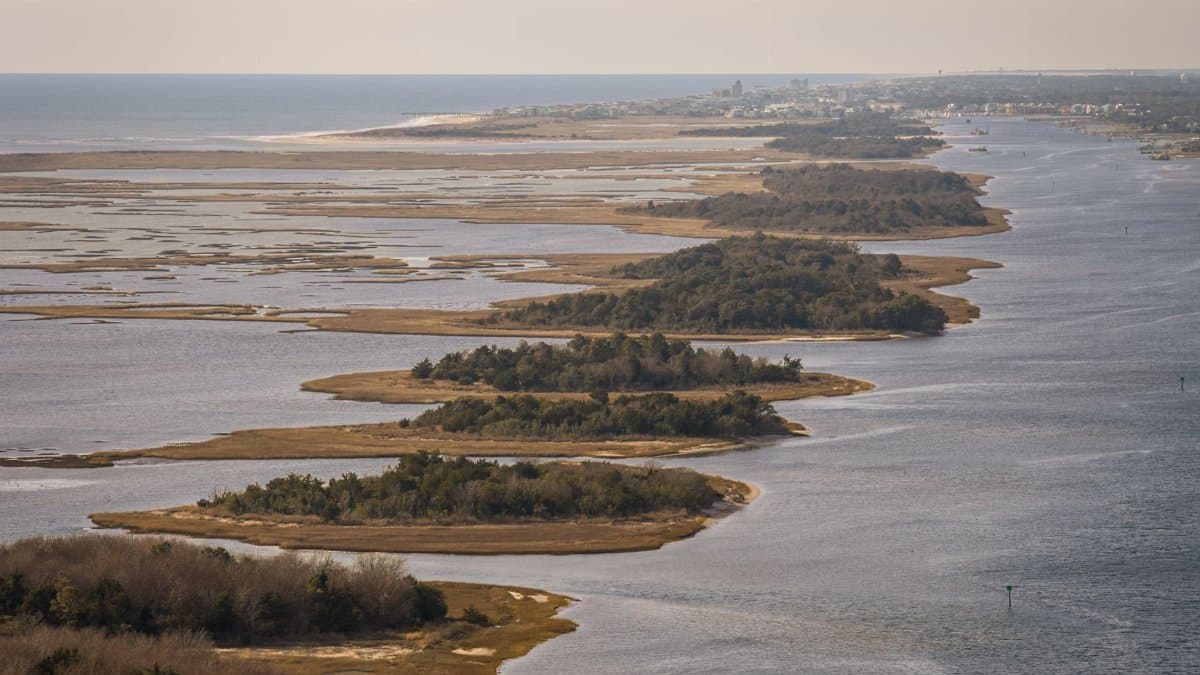
Residents across the Hawaiian chain began reviewing preparedness plans as guidance suggested a possible westward turn. While direct landfall remained uncertain many households stocked supplies and reviewed evacuation routes. Community centers opened to share updates and offer guidance on staying safe during heavy rain and high surf.
Historical Context Offers Perspective
Past storms that brushed the islands provide lessons on resilience. Earlier systems brought flooding and coastal erosion yet recovery efforts often strengthened local infrastructure. Observers point to improved building codes and early warning networks as factors that reduce harm when powerful weather arrives.
Scientific Community Examines Causes

Researchers study ocean temperatures and atmospheric conditions that allow rapid intensification. Warmer surface waters can supply extra energy to developing systems. Teams at universities and federal agencies continue to refine models that incorporate these variables for better future forecasts.
Spiritual Reflections on Natural Power

Some faith leaders see in such events reminders of humility before nature. Gatherings in churches and temples focus on gratitude for safety and compassion toward those affected. These moments often blend practical aid with quiet contemplation of the forces that shape the planet.
Media Coverage Shapes Public Understanding
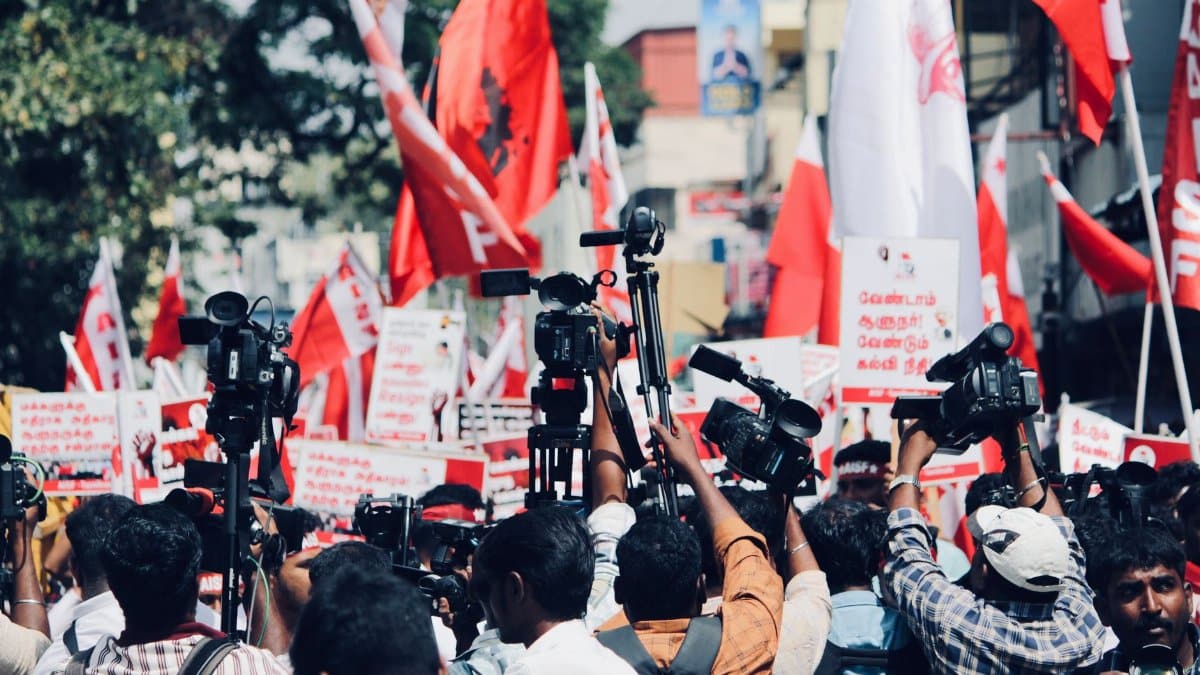
News outlets balance urgent alerts with measured analysis to avoid unnecessary alarm. Graphics showing projected paths help readers grasp uncertainty while stories of preparation offer reassurance. Balanced reporting supports informed decisions without heightening anxiety.
Long Term Trends in Pacific Weather

Climatologists track changes in storm frequency and intensity over decades. Data sets reveal variability influenced by cycles such as El Nino alongside longer term shifts. Continued monitoring helps communities plan for a range of possible outcomes.
Community Preparedness Remains Key
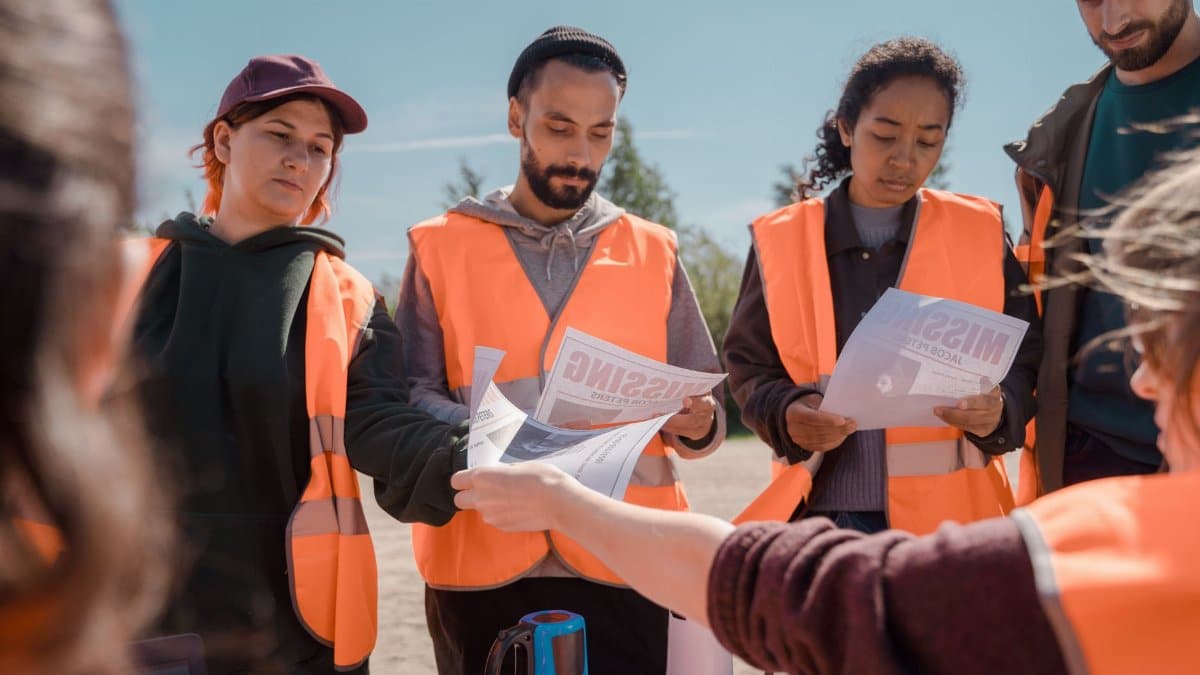
Local agencies emphasize personal readiness kits water storage and communication plans. Schools practice drills while businesses test backup systems. These steps build confidence that residents can manage disruptions should the storm draw nearer.