
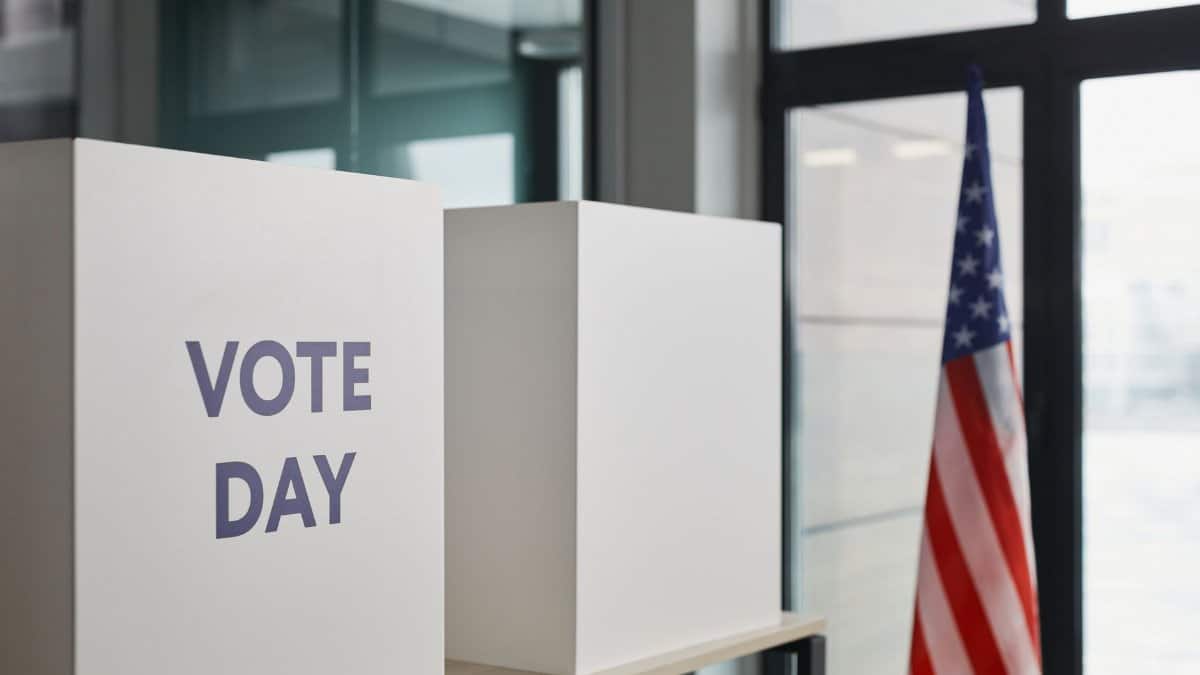
Before the first light reaches a Houston bus stop, the choice is already practical. A shift, a clinic visit, or a ballot can depend on whether the next vehicle shows up and whether the fare fits the week. Mayor John Whitmire has announced that voters who present a registration card can ride without paying on Election Day, an offer captured in the phrase Free Metro rides Houston. The pledge reaches local buses, rail, and the smaller on demand services that stitch together places fixed routes do not. In a city measured in long crossings rather than short walks, the distance to a polling place is rarely theoretical. It is a timetable, a transfer, and a cost some households still count twice.
The announcement in plain language

The mayor framed the gesture as a voting push, not a permanent change in fares. On Election Day, a voter who shows a registration card is to be treated as a paid rider across the Metro network described in the announcement. That network is the ordinary one Houstonians already argue about: buses that crawl along commercial strips, rail that serves a narrower set of corridors, and on demand trips booked for shorter hops. The point is access to the polls, not a redesign of the system. City leaders often talk about participation as if it were only a matter of motivation. A fare waiver admits something plainer. Some people miss the ballot because the trip itself is the obstacle.
Readers should still treat the details as operational, not symbolic. A registration card is a specific document. A free boarding is a specific instruction to drivers, station staff, and dispatchers. If those instructions are muddy, the courtesy fails at the curb, where policy usually fails. The promise is simple enough to repeat. The execution has to survive a morning rush, a language barrier, and a rider who has the card in a wallet at home.
A registration card as a ticket

Requiring a registration card draws a line between a civic courtesy and an open fare holiday. The ride is for voters, not for anyone who happens to be near a stop. That distinction will matter to taxpayers who dislike blank checks, and it will matter to riders who are registered but do not carry the card every day. Election Day is not a dress rehearsal. People leave for work before dawn, vote on a lunch break, or try to reach a polling place after a shift. A rule that sounds clear in a press statement can feel harsh if the only proof of registration is a photo on a phone that the operator will not accept.
There is also a dignity question that transit agencies rarely say aloud. Asking for papers at the door of a bus is different from asking for them at a polling place, where identification rules are already part of the civic script. Drivers are not election judges. They should not be improvised into them. A workable version of this program tells staff exactly which card counts, what to do if the name is hard to read, and how to handle a rider who is registered in the county but boarded outside a familiar route. Confusion is not a moral failing. It is how free rides become arguments in the aisle.
Rail buses and the smaller vans
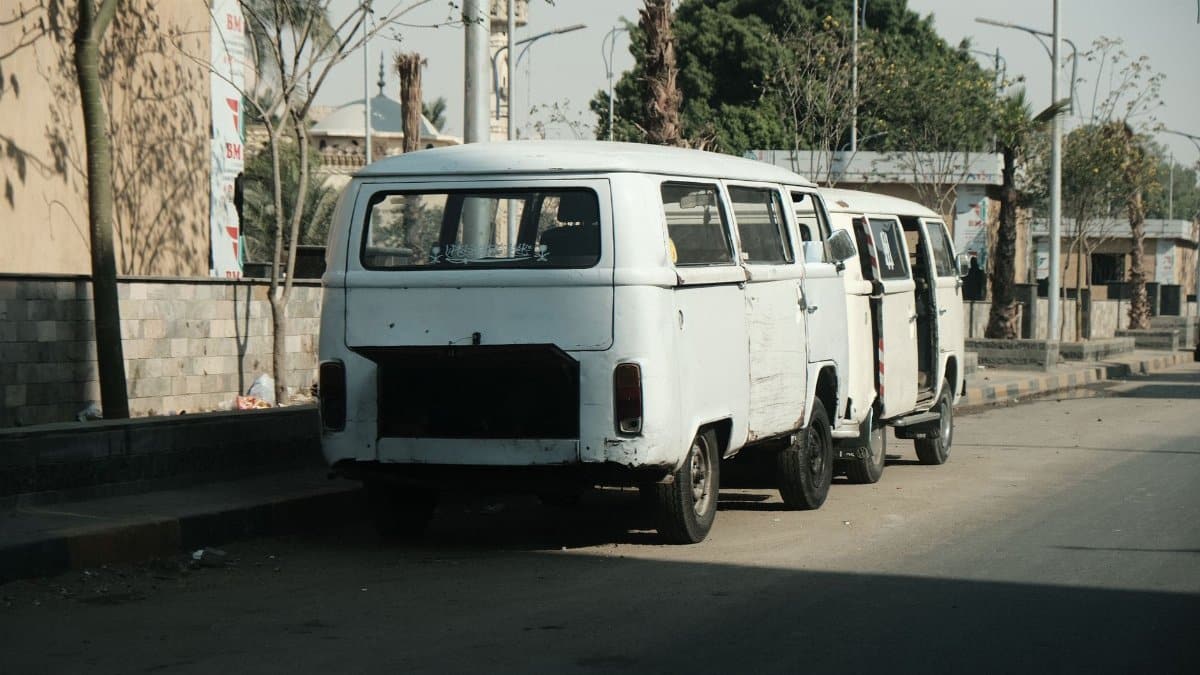
Houston transit is not one machine. Rail is legible and limited. Buses carry the larger share of daily necessity, including trips that never trend on social media: grocery runs, school pickups, second jobs. On demand service is the least understood piece, a curb to curb option meant to cover gaps rather than replace the grid. Folding all three into one Election Day rule is ambitious in a good way, because voters do not live only along rail lines. It is also the part most likely to strain. Vans have finite seats. Dispatch has finite patience. A fare waiver does not create vehicles.
A voter in a dense corridor may find the offer almost invisible, a saved fare on a trip that was going to happen anyway. A voter in a thinner area may find it decisive, the difference between a planned trip and a skipped one. Both experiences can be true on the same day. The phrase Free Metro rides Houston will mean a waived tap for one person and a booked van for another. Policy that pretends those are the same trip will disappoint someone before noon.
Distance as a quiet barrier to the ballot

Houston built itself around the private car, then asked everyone else to improvise. That history shows up in turnout debates more often as a slogan than as a map. Polling places can be lawful and still hard to reach without a vehicle, especially for older residents, people with disabilities, and workers whose schedules do not bend. A free fare does not shorten a route. It removes one fee from a chain that may also include a long wait, a missed connection, and the fear of arriving after the polls close.
Scholars of participation have long noted that small frictions change behavior, even among people who intend to vote. The insight does not require a lab coat. Anyone who has postponed a task because the bus was late already understands it. What transit cannot do is supply the intention. A fare waiver will not persuade a person who has decided the election is none of their business. It can help the person who already decided and then looked at the clock.
What a one day gesture can and cannot do

Fare holidays are popular because they photograph well and because they cost less, at least in political capital, than a year round redesign. They also expire. When the polls close, the regular fare returns, and so does the ordinary arithmetic of getting to work. Treating Election Day as a special moral occasion is understandable. Treating it as the only day mobility matters is not. The same rider who needs a free trip to vote may need a reliable trip to a job interview the next morning. A city that can organize a waiver for one Tuesday can be asked, fairly, why reliability is seasonal.
None of that erases the value of the waiver. Voting is time bound in a way most errands are not. Miss the window and the right is gone until the next election. A narrow intervention matched to a narrow window can still be serious. The mistake is to advertise it as a cure for unequal access. It is a bridge for a day. Bridges are useful. They are not neighborhoods.
Questions about cost and capacity

Someone pays when the farebox does not. That someone may be the transit agency, the city, or a mix of public budgets that riders never see itemized. A responsible announcement names the payer and the expected volume, or at least admits the estimate is rough. Without those figures, praise and scorn both float free of arithmetic. Critics will call it a giveaway. Supporters will call it democracy. Neither label replaces a budget line.
Capacity is the quieter cost. If free boarding draws extra riders onto routes that already run late, voters and commuters share the delay. If on demand demand spikes, wait times rise for people who booked for medical trips as well as ballots. Agencies can prepare with extra supervision, clearer scripts, and honest advice about peak hours. They cannot prepare by hoping the day stays average. Election Days are not average, even when the trains are.
How riders might plan the day
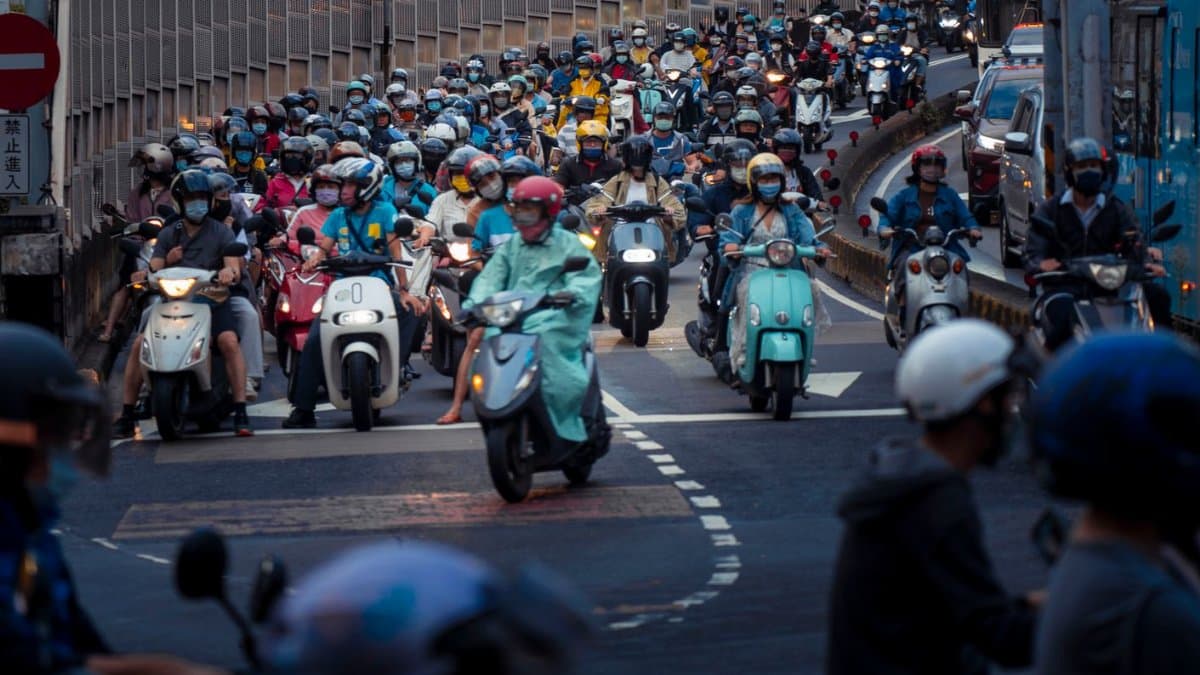
The practical advice is unglamorous. Carry the registration card, not a memory of having registered. Check the polling place before leaving, because a free ride to the wrong address is still a wasted morning. Build in time for a transfer. Do not assume that a waived fare shortens the headway. Headways are about vehicles on the street, not about goodwill at city hall.
Riders who depend on on demand service should book with the same skepticism they bring to any busy day. Early is better than heroic. A screenshot of a confirmation is more useful than a argument about what a mayor meant. And anyone helping an older relative should treat the card rule as part of the plan, the way they would treat a list of acceptable identification at the polls. Free Metro rides Houston only works for the voter who can prove the status the program requires. Good intentions at the stop do not substitute for that proof.
The politics of a courtesy

A fare waiver sits in a familiar Houston argument about what local government owes people who do not drive. Supporters hear a modest tool for participation. Skeptics hear a campaign flourish, especially when a mayor attaches his name to it. Both readings can coexist with the text of the offer. The offer does not endorse a party. It does spend public operational capacity on a civic calendar. That is a political choice even when it is not a partisan one.
Voters are entitled to ask whether similar energy appears for school board dates, runoff elections, and the unglamorous hearings where routes are actually cut or saved. A single Election Day splash can train the public to notice transit only when politicians need a photograph. The better outcome is the opposite: riders who used the waiver remember the route, and they remember whether it worked. Memory is a form of oversight.
After the polls close
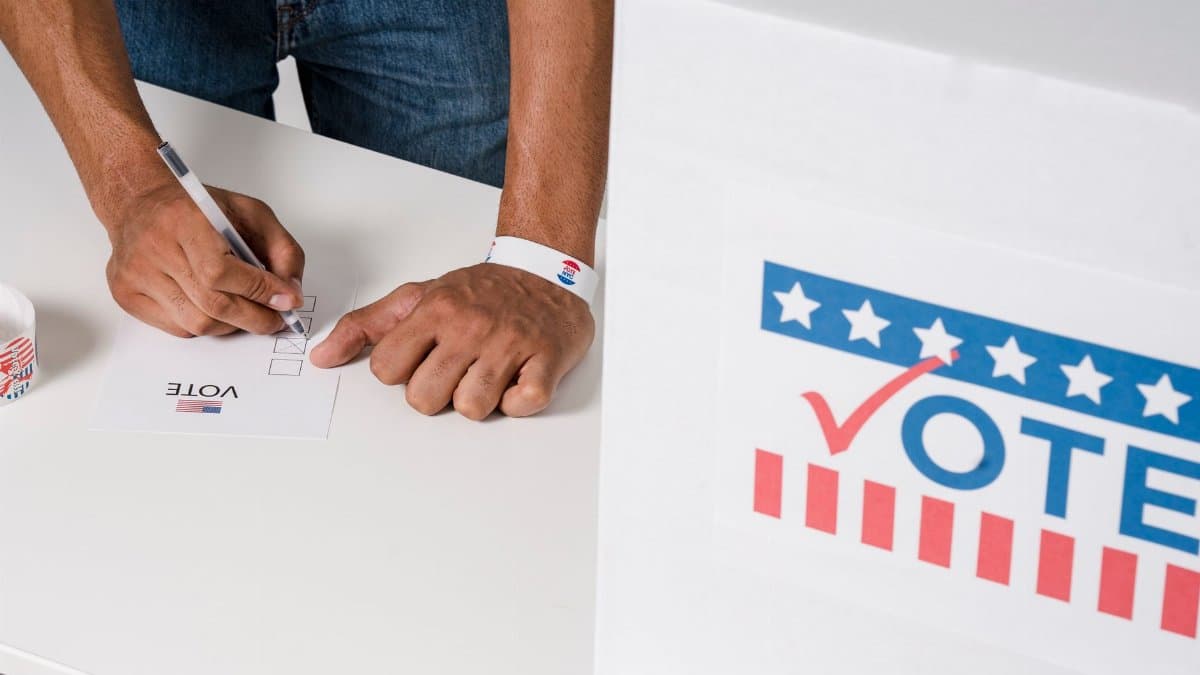
When the returns start, the buses will still be running under ordinary rules. That is the test that does not fit in a headline. Did staff know the card rule. Did rail stations and bus stops tell the same story. Did on demand bookings collapse under volume. Did anyone count, even roughly, how many boardings were tied to the waiver. A city that cannot answer those questions has staged a courtesy. A city that can answer them has learned something about its own system.
Free Metro rides Houston will be judged less by the press statement than by the last rider who needed it to arrive before the polls shut. If that rider boarded without a lecture and reached a polling place on time, the day justified itself. If the rider met a shrug and a fare demand, the announcement was literature. Houston has enough literature about mobility. It needs the ride.