

In the halls of Congress, tensions ran high as lawmakers raced against the clock to keep essential government operations running. With the election looming and partisan divides deepening, approval came for a short-term funding bill that extends current spending levels into December. This measure prevents an immediate lapse in appropriations while giving negotiators more time to hash out longer term priorities on everything from defense to domestic programs. Observers note that such temporary fixes have become common in recent years, reflecting the challenges of achieving consensus in a divided legislature. The decision underscores broader questions about fiscal stability and the political calculations at play during a critical election season.
Background on Congressional Spending Patterns
Recent sessions have seen repeated reliance on temporary measures to maintain operations. Lawmakers often turn to these extensions when full budgets stall amid disagreements over policy riders and overall totals. This approach allows agencies to continue at prior levels without major disruptions yet it also delays decisions on new investments or cuts.
Immediate Effects on Federal Agencies

Departments across the executive branch can now proceed with planned activities through the extension period. Employees in areas such as transportation safety and public health research face less uncertainty about paychecks and project continuity. Still, long term planning remains difficult when funding horizons stay short.
Political Calculations Ahead of the Election
Both parties viewed the passage as a way to avoid voter backlash from a potential lapse in services. Republicans emphasized fiscal restraint while Democrats highlighted protections for social programs. The timing allowed members to return to districts with a message of stability achieved.
Public Reaction Across Regions
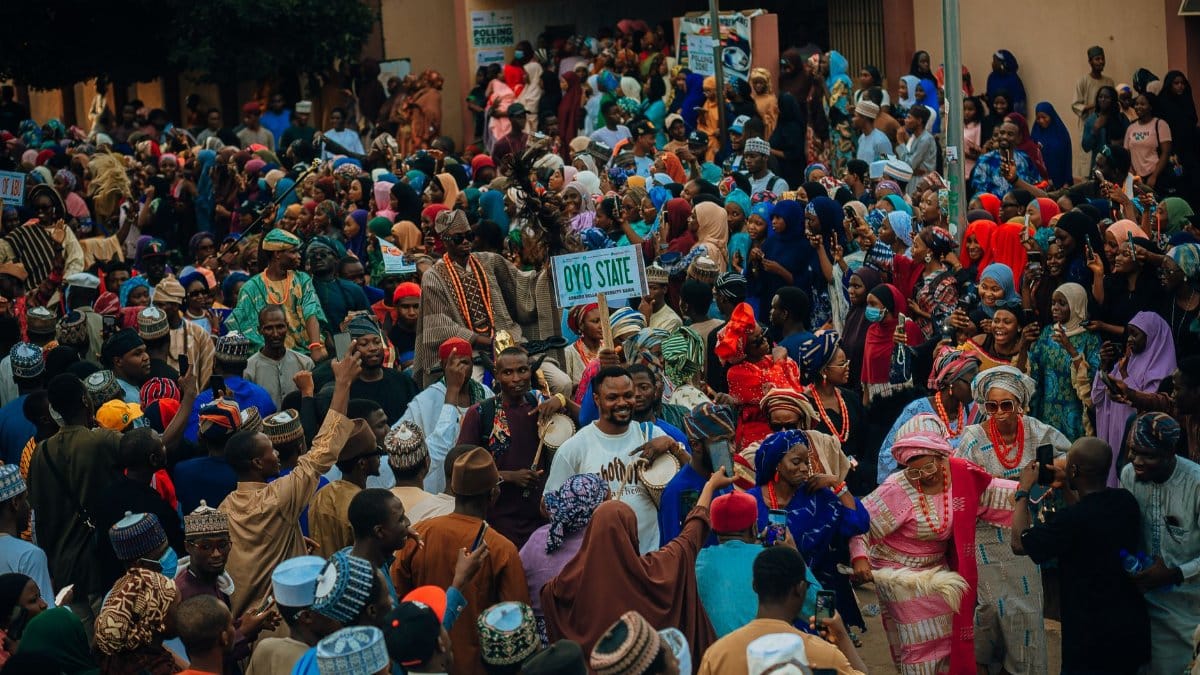
Citizens in various states expressed relief that services like national parks and food inspections would continue uninterrupted. Some advocacy groups noted ongoing concerns about underfunded areas that the extension leaves unaddressed. Town halls and local media coverage reflected a mix of pragmatism and frustration with the cycle of short term fixes.
Historical Context of Similar Measures
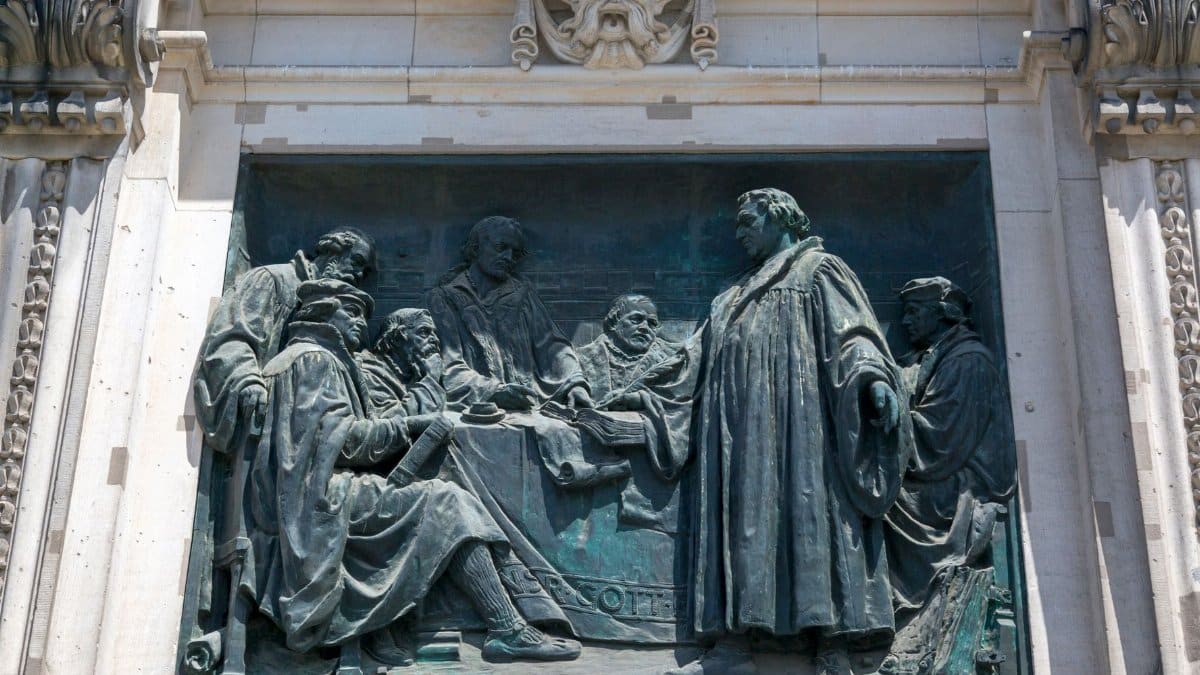
Comparable resolutions have appeared frequently since the 1970s as Congress shifted toward more fragmented budgeting. Past examples show that repeated use can contribute to larger deficits when underlying issues go unresolved. Analysts often point to this pattern as a symptom of deeper institutional strains.
Economic Implications for Markets

Investors monitored the developments closely since uncertainty around government funding can influence bond yields and business confidence. The extension provided a measure of calm though analysts caution that prolonged reliance on such bills may weigh on growth prospects over time.
Future Negotiations and Potential Outcomes

Attention now turns to December when the current extension expires and talks on a full year package must resume. Success will depend on compromises involving revenue measures and spending priorities that satisfy competing factions. Many expect further extensions if major sticking points persist.