

In the quiet suburbs north of Chicago a growing number of families face long waits and travel costs just to see a doctor for routine concerns. City leaders recently weighed a plan that would place a modest nine dollar charge on utility bills each month to open virtual medical visits to every resident. The move builds on a service already used by municipal workers and reflects a broader effort known as the Batavia telehealth expansion. If approved the program could mark one of the first citywide efforts of its kind in the region and would rely on existing contracts with outside medical providers.
Current Employee Program Sets the Stage
City workers have enjoyed telehealth access for several years through a pilot that covers video consultations for common ailments such as colds allergies and minor skin issues. Officials report high satisfaction rates and lower absenteeism because staff can address health needs without leaving their desks. The success of that limited rollout prompted discussion about scaling the service outward.
How the Nine Dollar Fee Would Work

Under the proposal every household would see the charge appear automatically on its water and electric statement. In return any adult or child in the home could schedule a virtual appointment within minutes through a dedicated app or phone line. No additional paperwork or enrollment steps would be required.
Access in Underserved Neighborhoods
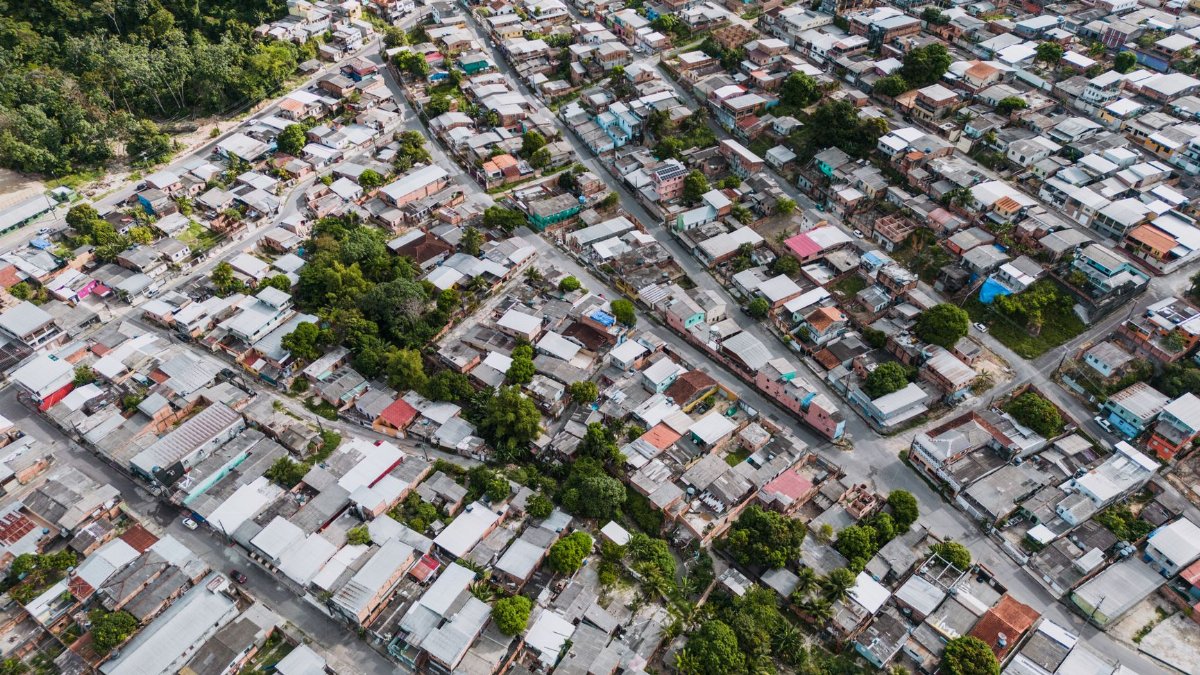
Batavia contains pockets where residents lack reliable transportation or nearby clinics. The telehealth option would remove those barriers for basic care while still directing serious cases to emergency rooms or in person specialists. Early estimates suggest hundreds of households could gain their first consistent link to medical advice.
Privacy and Data Security Measures
City staff stress that all consultations would flow through encrypted platforms already vetted by the employee program. Personal health records would remain separate from utility accounts and protected under federal rules. Residents could opt out at any time by contacting the service provider directly.
Impact on Local Clinics and Hospitals
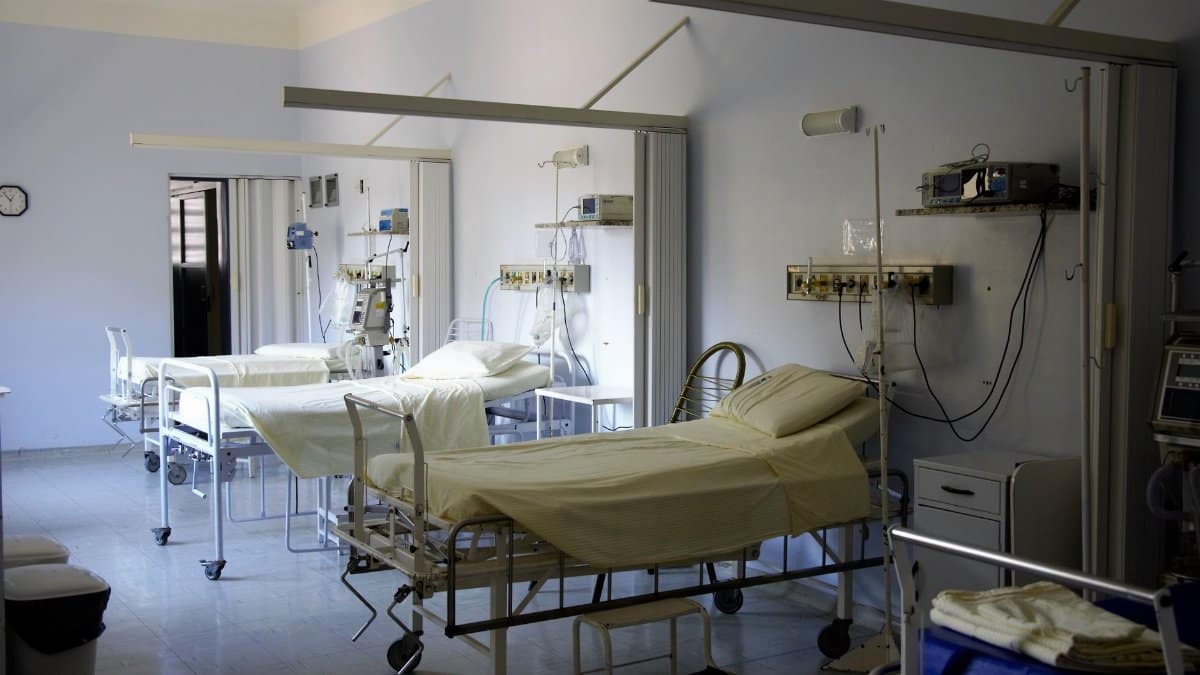
Physicians in the area have voiced cautious support noting that telehealth often catches issues before they require costly emergency visits. Some practices worry about lost revenue yet others see an opportunity to accept referrals when video calls reveal the need for lab work or follow up exams.
Comparison With Neighboring Communities

Nearby towns have experimented with similar subsidies yet most limit participation to seniors or low income groups. Batavia leaders argue that a universal flat fee keeps the system simple and avoids means testing that can discourage use. The flat rate model also spreads costs evenly across the tax base.
Potential Savings for Households

Families that currently pay out of pocket for urgent care or miss work for appointments could see meaningful reductions in both time and money. One internal projection placed average annual savings near two hundred dollars per household once travel child care and copays are factored in.
Next Steps for City Council

A formal vote is expected within the next two months after a public comment period. Staff will present detailed cost projections and usage forecasts drawn from the employee pilot. If passed the service could launch as early as next quarter.
Broader Lessons for Small City Health Policy

The discussion in Batavia highlights how local governments can leverage existing contracts to extend care without building new infrastructure. Other municipalities watching the outcome may consider parallel steps if the nine dollar model proves sustainable and popular with residents.