
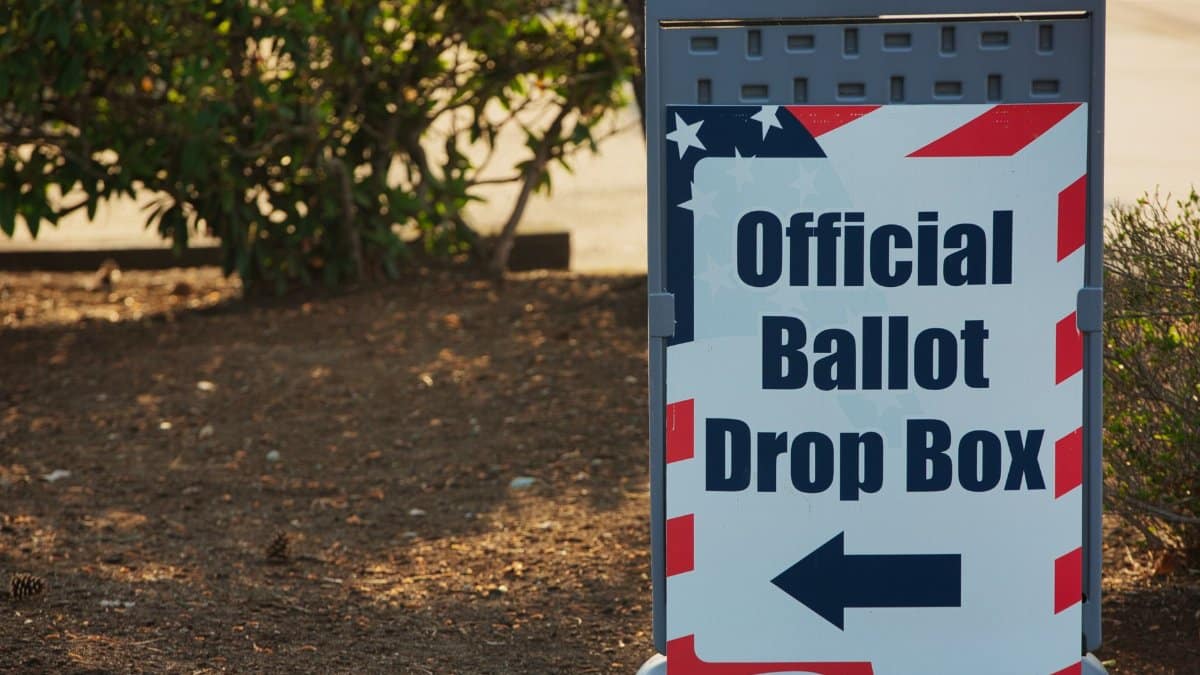
In the midst of preparations for the upcoming national vote many states are confronting new federal guidelines that could reshape how citizens cast their ballots from afar. Minnesota has stepped forward to challenge these guidelines through the mail ballot lawsuit Minnesota arguing that the restrictions exceed federal authority and threaten to confuse voters who have come to rely on mail options for convenience and safety.
Origins of the Current Legal Action

The lawsuit emerges from recent directives issued by the current administration that impose stricter verification processes on mail ballots sent across state lines. Officials in Minnesota contend these measures conflict with existing state laws designed to expand access during periods of high demand. Attorneys general from several other states have aligned with Minnesota to present a united front in federal court.
Key Arguments Presented by State Officials

Minnesota leaders assert that the federal rules represent an overreach into areas traditionally managed at the local level. They point to constitutional principles that reserve election administration primarily to the states. The complaint filed in court emphasizes potential disruptions to voter turnout in rural areas where mail services play a vital role in participation.
Impact on November Voting Procedures

Election administrators warn that the proposed changes could delay the processing of ballots arriving close to deadlines. In Minnesota this might mean additional staffing needs and revised training for workers handling returned envelopes. Voters accustomed to straightforward mail submission may encounter new forms or identification requirements that add steps to the process.
Responses from Federal Authorities

Administration representatives maintain that the guidelines aim to enhance security and reduce opportunities for fraud in mail voting systems. They argue that uniform standards across the nation would promote consistency and public confidence in results. Court documents from the federal side highlight examples from past elections where irregularities were cited as justification for tighter controls.
Broader Coalition of Participating States

Beyond Minnesota the effort includes participation from states with diverse political leadership showing a rare moment of cross party cooperation on election matters. This alliance suggests concerns extend past partisan divides into practical questions of implementation and resource allocation. Joint filings allow shared legal resources and a stronger collective voice before the judiciary.
Historical Context of Mail Voting Practices
Mail ballots have expanded gradually over recent decades as a response to shifting demographics and technological improvements in tracking. Minnesota has long permitted such options with safeguards like signature verification that state officials believe already address security needs adequately. The current challenge questions whether new federal layers are necessary or duplicative.
Potential Outcomes and Next Steps in Court
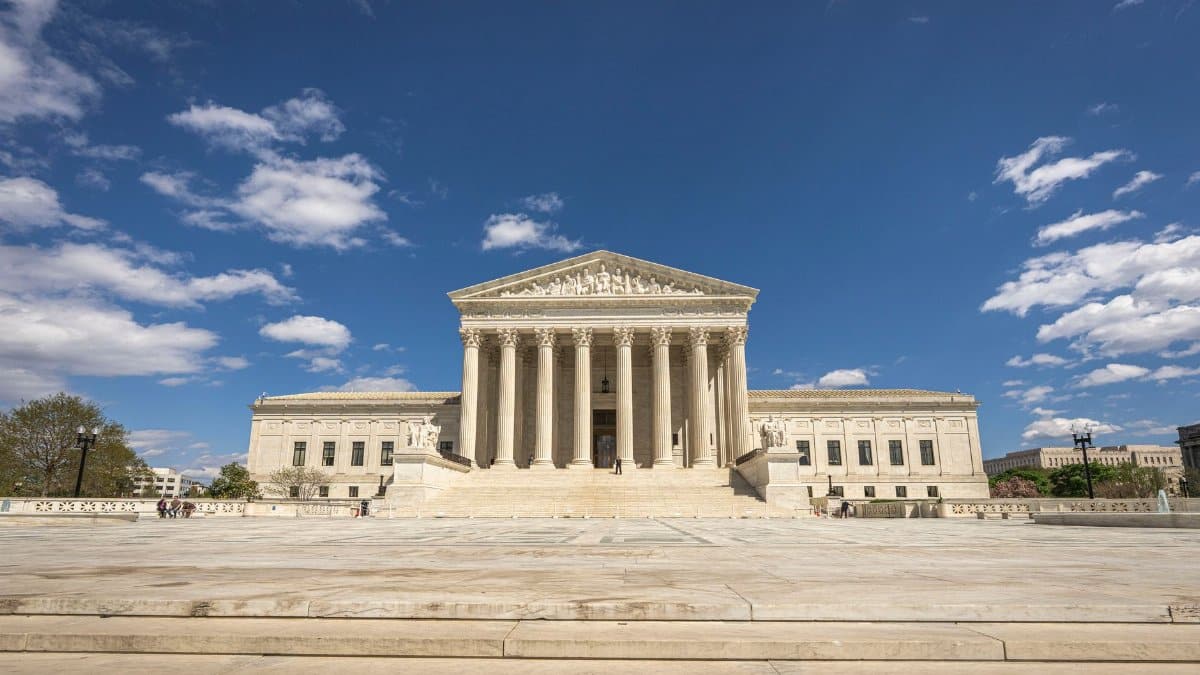
Legal experts anticipate hearings in the coming months that could clarify the balance between federal and state powers in this domain. A ruling favorable to Minnesota might limit the reach of the new rules while an opposing decision could force rapid adjustments by local election offices. Appeals processes could extend the timeline well into the fall season.
Public Reactions and Voter Sentiment
Surveys indicate mixed feelings among Minnesota residents with some expressing support for added security measures and others prioritizing ease of access. Community forums have highlighted worries about disenfranchisement among elderly citizens and those in remote locations who depend on postal delivery. Advocacy groups on both sides are mobilizing to influence the debate through public statements and amicus briefs.