
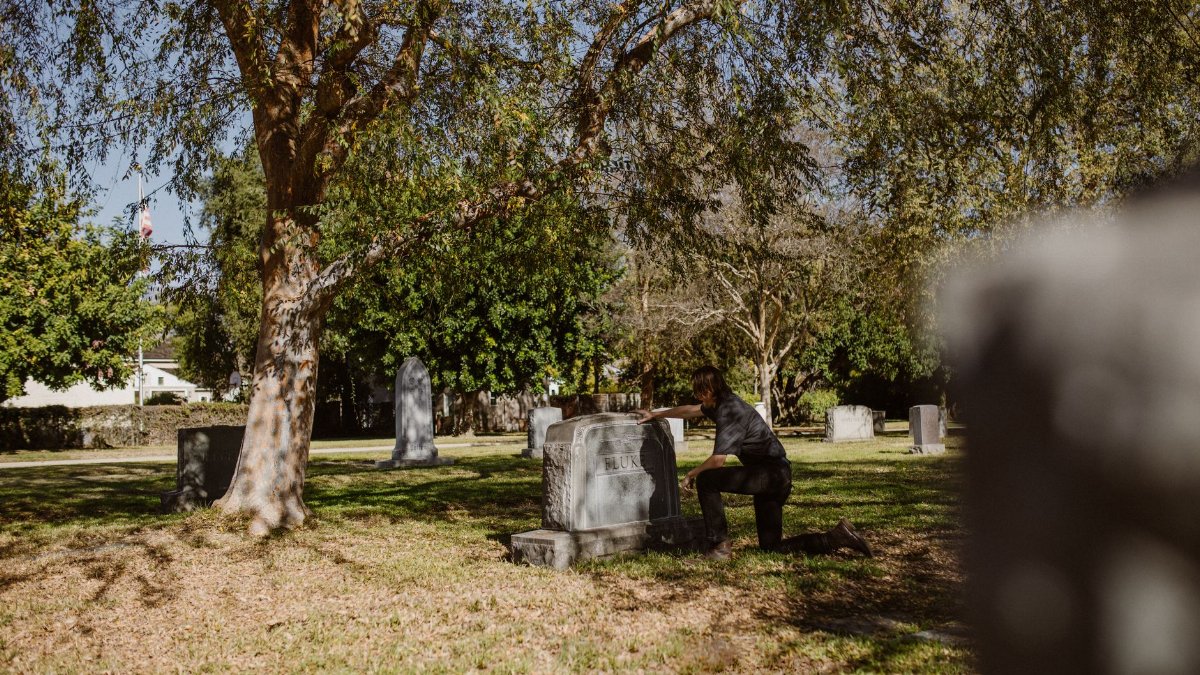
In a serene corner of Southern California lies a cemetery with deep roots in the region’s past. After more than one hundred twenty years, a simple marker now stands to honor the very first person buried there, an infant whose story had remained largely unknown until recently. The installation of the Baby Maytie headstone marks a moment of closure for historians and visitors alike who value the preservation of such early records.
The Early Days of the Cemetery
Inglewood Park Cemetery opened its gates in the late nineteenth century amid a growing population in the Los Angeles area. Families sought a peaceful resting place away from the bustle of the city center. Records from that era show careful planning for pathways, plots, and landscaping that would endure for generations.
Who Was Baby Maytie

Details about the infant remain sparse yet poignant. Born during a time of limited medical resources, the child passed away shortly after birth. Burial took place promptly as was customary, with family members marking the spot in their own quiet way before official documentation faded.
The Search for Forgotten Records

Archivists spent months poring over dusty ledgers and faded maps. They cross referenced names against old newspaper notices and church logs. This painstaking work revealed the precise location of the initial interment and confirmed the need for a proper marker at last.
Community Response to the Marker

Local residents and history enthusiasts gathered for a modest unveiling ceremony. Some shared family tales passed down through the years. Others reflected on how such acts of remembrance connect present day visitors to those who shaped the area long ago.
Preserving Burial Ground Heritage
Cemeteries serve as living archives of social change and personal loss. Markers like this one help prevent stories from slipping into obscurity. Efforts to maintain these sites involve both public funding and private donations aimed at respectful upkeep.
Challenges in Historical Grave Identification
Time erodes wooden crosses and paper documents alike. Weather and urban expansion add further complications. Dedicated researchers rely on a mix of ground surveys, oral histories, and emerging digital tools to piece together accurate timelines.
The Role of Local Historians

Volunteers and professionals collaborate to safeguard these narratives. They organize talks and walking tours that draw steady crowds of middle aged adults curious about their surroundings. Such engagement keeps interest alive across age groups.
Future Plans for the Site
Officials intend to add informational plaques nearby. These additions will offer context without disturbing the tranquil atmosphere. Plans also include improved pathways to accommodate more visitors interested in the cemetery’s origins.
Broader Lessons on Remembrance

Every grave tells part of a larger human story. Honoring even the smallest lives reinforces shared values of dignity and continuity. This recent addition stands as a quiet testament to those principles in action.