
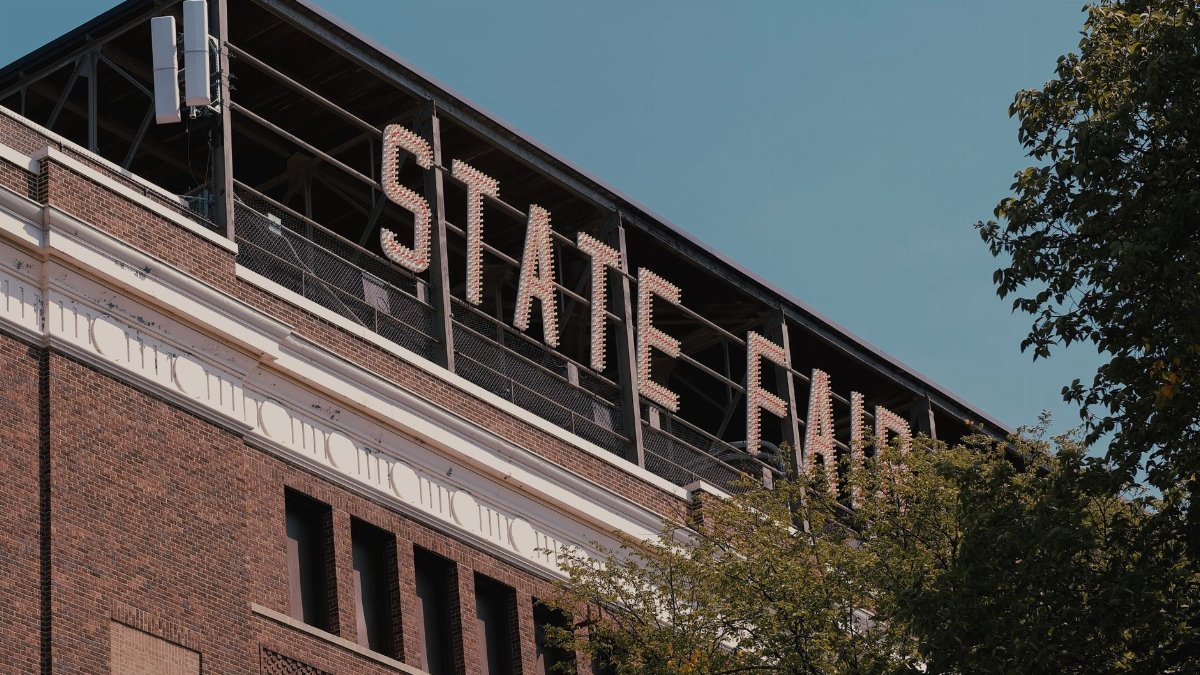
Vendors call out offerings of cheese curds and mini doughnuts while families weave past livestock barns at the annual gathering in St. Paul. Amid the laughter and music political figures from various parties set up booths and shake hands in an effort to reach everyday citizens. This gathering has long served as a vital stage for Minnesota State Fair campaigns where candidates test messages and gauge public sentiment ahead of the November vote.
Historic Role of the Fair in State Politics
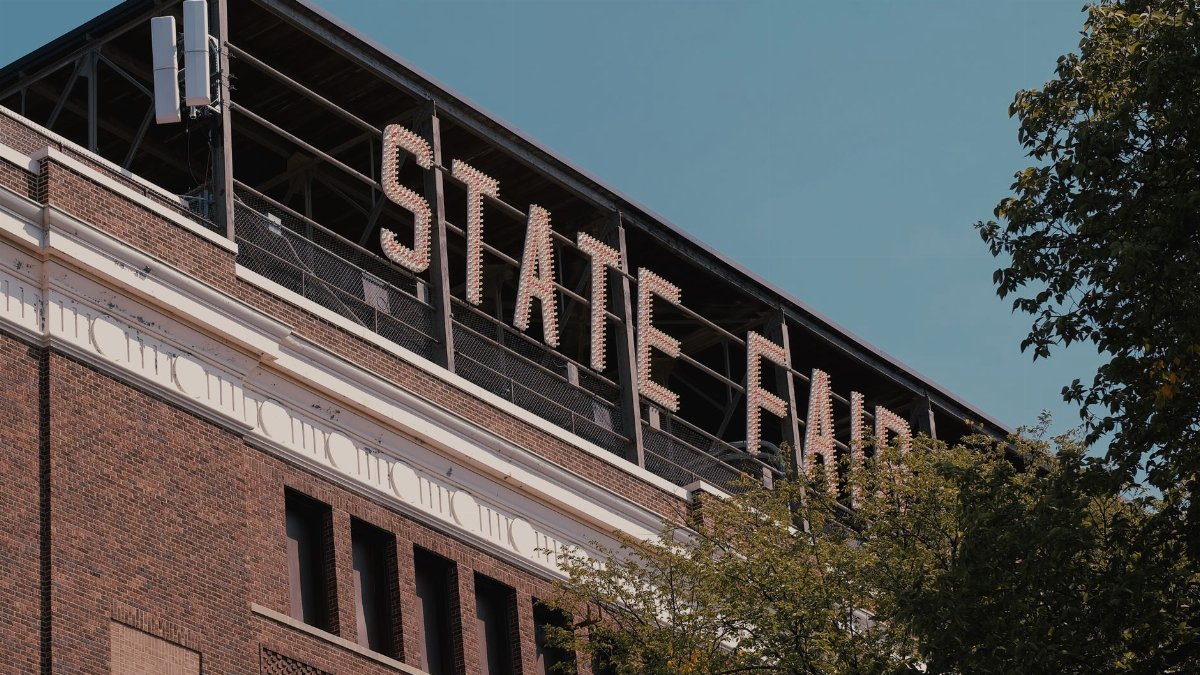
The Minnesota State Fair has hosted candidates for generations offering a neutral space where voters from rural towns and city neighborhoods can ask direct questions. Lawmakers often describe it as the largest town hall in the region because attendance reaches well over a million people each year. Recent cycles show increased activity as parties recognize the value of casual encounters over formal debates.
Key Figures Engaging Crowds This Season
Amy Klobuchar spent several hours near the agriculture building answering queries about farm policy and rural broadband access. Lisa Demuth moved through the midway stopping at game booths to chat with parents about education funding. Peggy Flanagan joined a panel on community health near the arts and crafts exhibit drawing steady lines of supporters.
Challenges of Mixing Politics With Family Fun
Campaign teams must balance visibility with respect for the festive mood. Loudspeakers and signage risk clashing with carousel music so staff rely on colorful banners and free fans printed with slogans. Some visitors appreciate the chance to meet leaders while others prefer to keep the day focused on rides and food.
How Crowds Shape Message Refinement
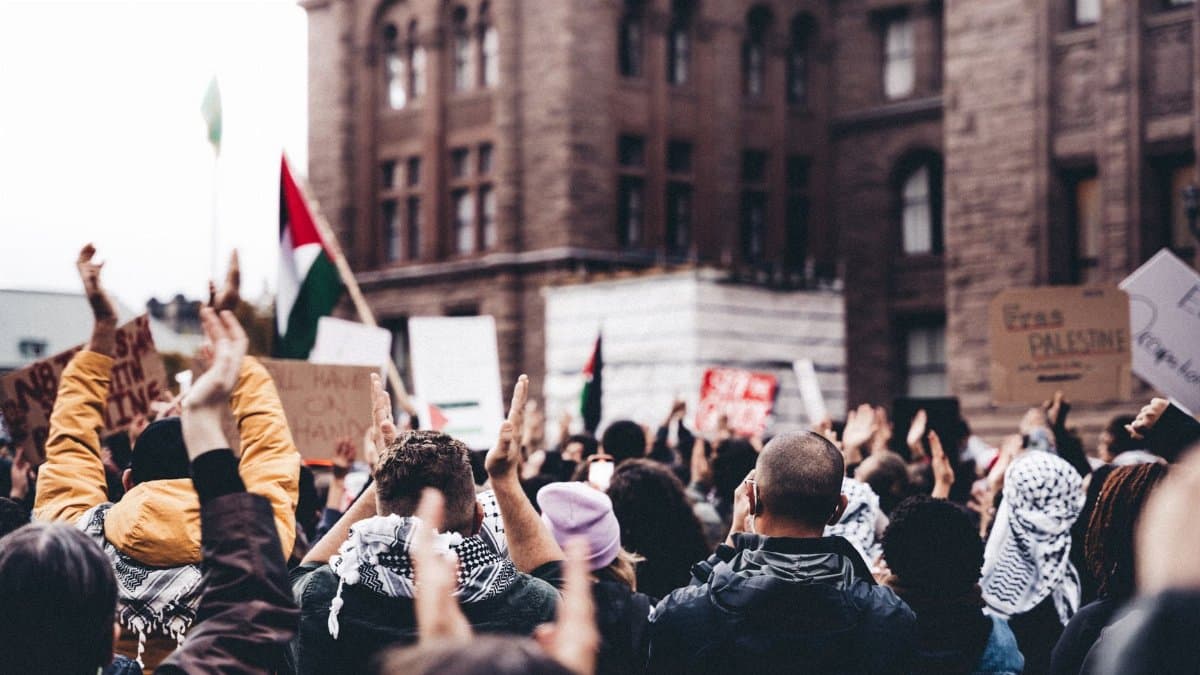
Staff members track which topics draw the longest conversations. Responses to questions about property taxes or school lunches help refine talking points for later stops. Observers note that informal feedback at the fair often proves more candid than responses collected through phone surveys.
Media Coverage and Public Interest Levels
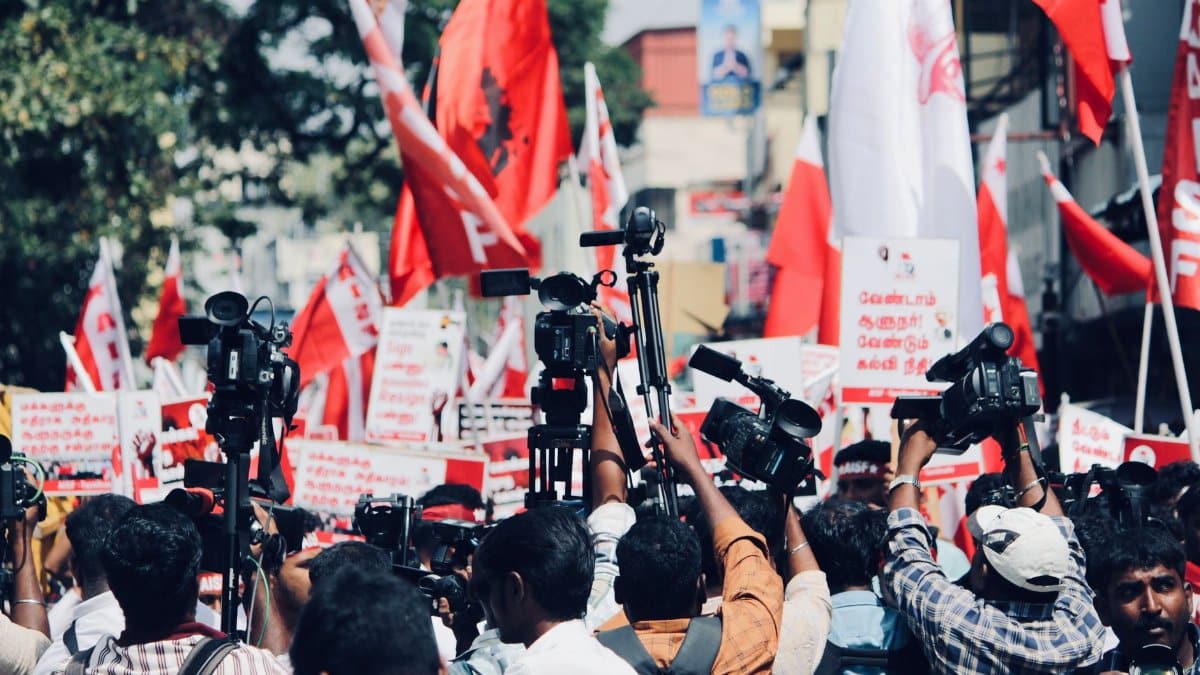
Local outlets set up live broadcasts from the grounds capturing brief interviews between fairgoers. Attendance figures suggest steady interest in Minnesota State Fair campaigns with many families posing for photos beside candidate tables. National attention remains limited yet regional outlets highlight the unique tradition each season.
Volunteer Efforts Behind the Scenes
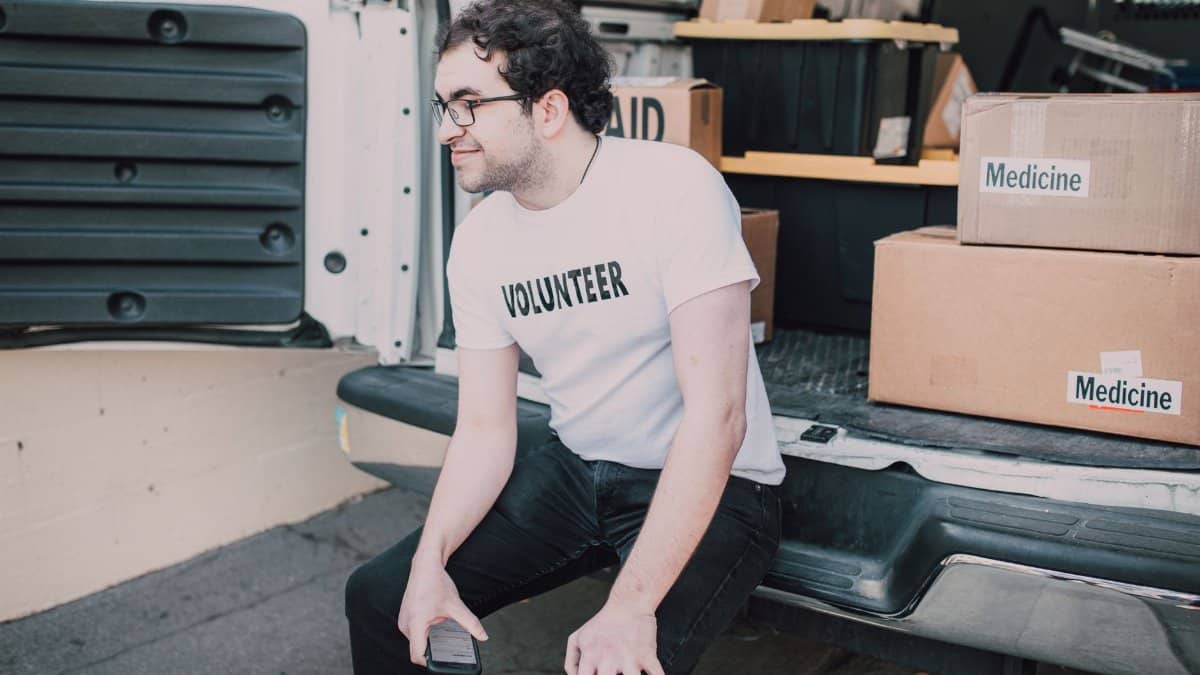
Supporters arrive early to assemble displays and hand out literature before the gates open. They track foot traffic patterns to position tables near popular attractions such as the butter sculpture or the giant slide. These grassroots workers often report higher energy levels compared with typical door knocking routes.
Looking Ahead to Election Day Impact
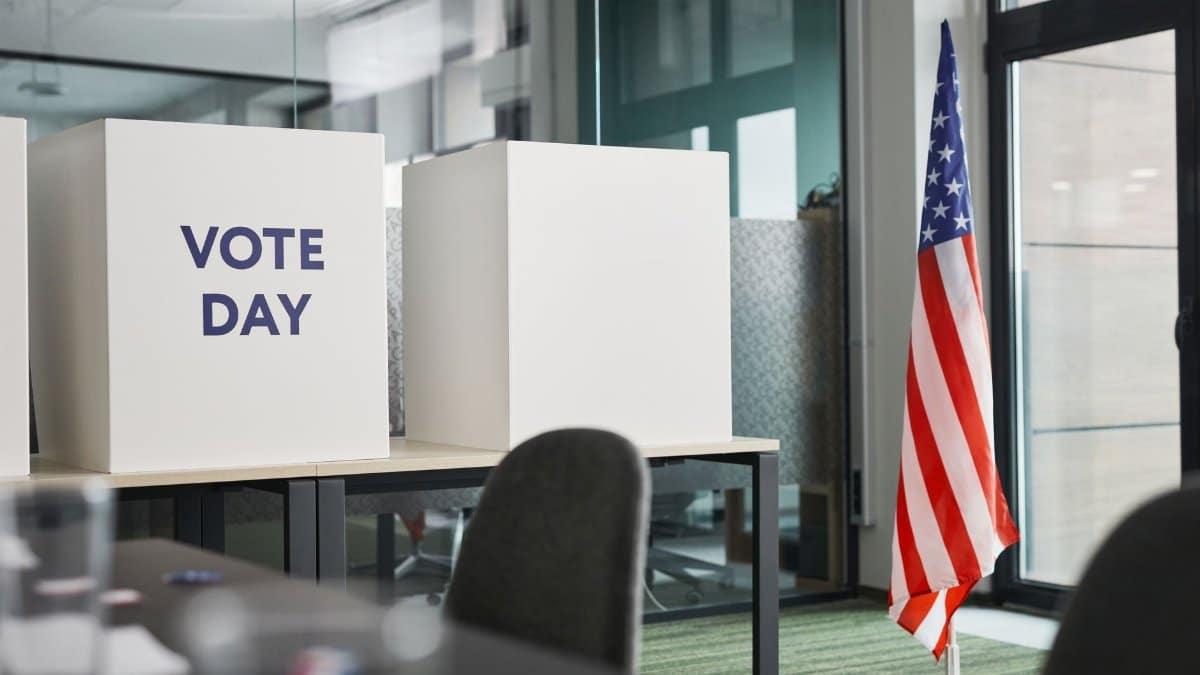
Analysts watch whether fair interactions translate into higher turnout in key counties. Past data indicates modest but measurable gains for candidates who invest time at the event. Organizers already plan expansions for next year including additional debate style forums under the grandstand.
Community Voices on Candidate Accessibility
Longtime fairgoers say the setting lowers barriers that exist at formal events. A retiree from Rochester mentioned feeling comfortable raising concerns about healthcare costs while waiting in line for sweet corn. Younger attendees noted surprise at how approachable some leaders appeared during casual exchanges.